• Holistic Health
    • Mind
    • Body
      • movement
    • Spirit
      • Astrology
  • Joyful Living
    • Home Decor & DIY
    • Sustainable Fashion
    • Clean Beauty
    • Garden
      • Intro to Herbs Series
  • About me
    • Who is Hummingbirds and Lavender?
  • Follow

    • Etsy
    • Instagram
    • Pinterest
    • YouTube

Hummingbirds and Lavender

Holistic, Sustainable, Intentional

Bottle the Wisdom: DIY Sage Oil for Ritual, Remedy & Recipe

August 13, 2025

DIY Sage Oil + 7 Ways to Use It for Mind, Body & Spirit

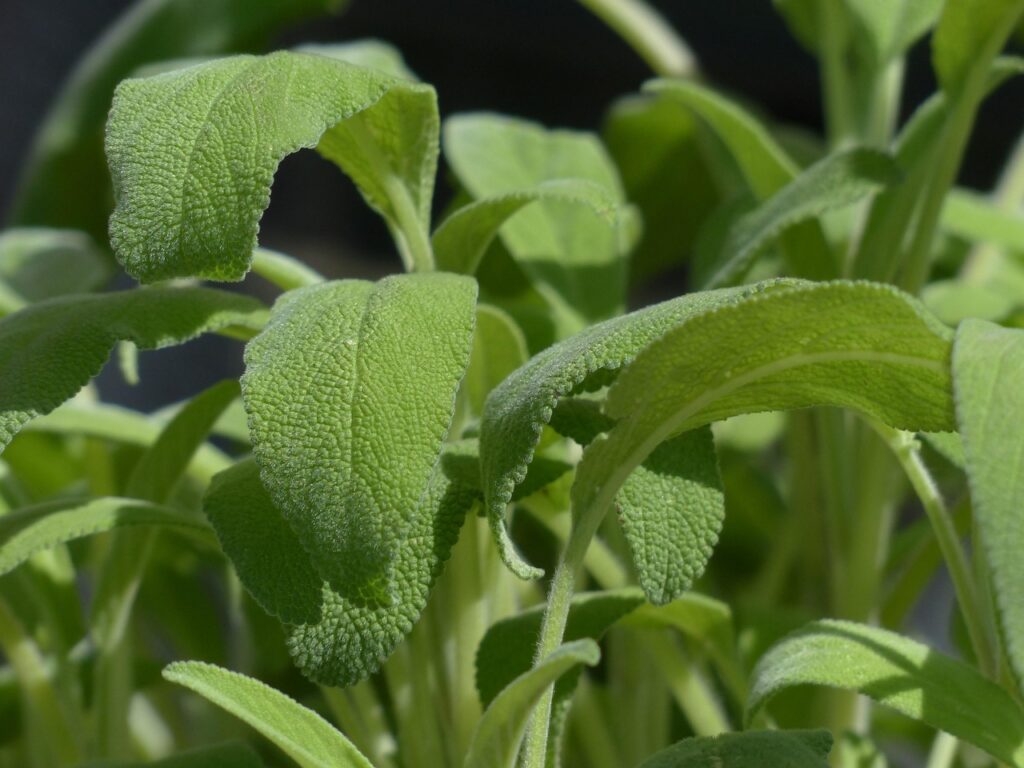
Sage is one of those herbs that feels ancient, grounding, and wise—like a cup of tea with your great-grandmother under the moonlight. Making your own sage-infused oil is a beautiful way to preserve that energy and bring its magic into your everyday rituals.

Today, we’re bottling up some herbal goodness with a simple DIY Sage Oil recipe and sharing 7 gentle ways to use it—from sore muscles to sacred spaces.

🌿 How to Make Sage-Infused Oil

You’ll need:

  • 1 cup fresh sage leaves (or ½ cup dried)
  • 1 cup carrier oil (olive oil for culinary use, or jojoba/sweet almond for body use)
  • Clean glass jar with lid
  • Cheesecloth or fine mesh strainer
  • Optional: a small amber bottle for storing

Instructions:

  1. If using fresh sage, allow it to wilt overnight to remove moisture (prevents spoilage).
  2. Gently bruise the leaves to release their oils, then place them in your jar.
  3. Pour the carrier oil over the sage until fully submerged.
  4. Seal the jar and place it in a sunny window for 2–3 weeks, shaking gently each day.
  5. Strain the oil using cheesecloth, discard the herbs, and store the oil in a cool, dark place.

Shelf life: about 6 months.

🌼 7 Beautiful Ways to Use Sage Oil

1. Soothing Chest Rub
Gently massage into the chest during cold or allergy season to support clear breathing. Sage has antimicrobial properties and may help ease congestion.

2. Calming Temple Oil
Rub a drop behind your ears or on your temples when you need clarity or grounding. Ideal before meditation, journaling, or rest.

3. Culinary Drizzle
Use culinary sage oil (made with olive oil) as a drizzle over roasted veggies, pasta, or fresh bread. Earthy, warming, and perfect for autumn meals.

4. Herbal Hair & Scalp Treatment
Sage has been traditionally used to support hair health and reduce dandruff. Massage into the scalp before showering or use as a shine-boosting hair oil.

5. Ritual Anointing Oil
Use a dab on your wrists or third eye during full moon rituals or sacred ceremonies. Sage helps with spiritual clarity and energy clearing.

6. Massage for Sore Muscles
Blend your sage oil with a few drops of lavender or rosemary essential oil for a soothing muscle rub after long days or workouts.

7. Energy Cleansing Spray (Bonus Tip!)
Mix 1 tablespoon of sage oil with ½ cup witch hazel and ½ cup distilled water in a spray bottle. Shake and spritz to energetically cleanse a space—no smoke required.

Sage oil is truly a gift from the garden—earthy, healing, and filled with ancient wisdom. Whether you use it to nourish your skin, season your soup, or bless your space, it’s a simple, sacred way to reconnect with the rhythms of the natural world.

Filed in: Clean Beauty, Garden, Healthy Recipes, Holistic Health, Intro to Herb Series, Joyful Living • by Hummingbirds & Lavender •

Intro to Herbs- Chapter 8- Sage

August 6, 2025

A Sacred Herb for Mind, Body & Home

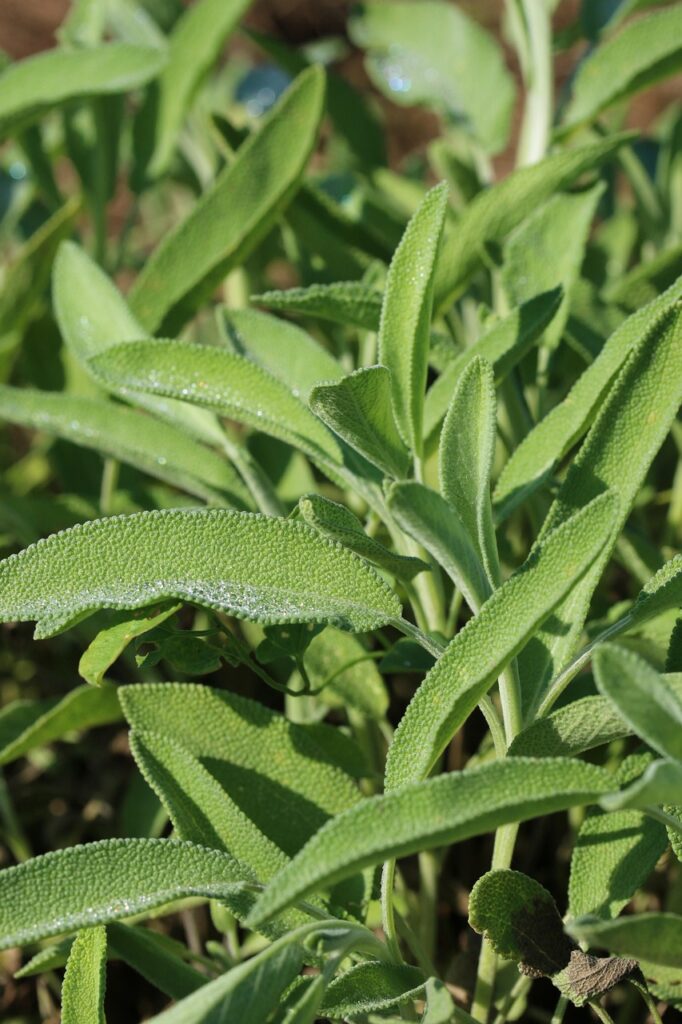
If there’s one herb that carries the energy of ancient wisdom, it’s sage. With its silvery-green leaves, earthy scent, and long-standing reputation as a healer and purifier, sage has held a sacred place in gardens, kitchens, and rituals for thousands of years.

In this month’s installment of Intro to Herbs, we’re slowing down with sage—exploring its medicinal magic, spiritual symbolism, and savory delights.

🌿 A Brief History of Sage

Sage (Salvia officinalis) belongs to the mint family and gets its name from the Latin word salvere, meaning to heal or to save. It’s been used since ancient times by the Egyptians, Greeks, and Romans for everything from digestion to warding off evil.

In the Middle Ages, sage was considered one of the most powerful healing herbs. It was planted in monastery gardens and used in tonics for everything from memory loss to sore throats. There’s even an old English proverb that asks: “Why should a man die while sage grows in his garden?”—a nod to its legendary reputation as a life extender.

🌱 Medicinal Benefits of Sage

Modern herbalists still turn to sage for its wide range of health benefits. It’s especially well-known for:

  • Soothing sore throats and coughs – Sage tea or sage-infused honey can ease inflammation and kill germs.
  • Supporting digestion – Sage helps reduce bloating, gas, and indigestion.
  • Balancing hormones – Particularly helpful for hot flashes and night sweats during menopause.
  • Enhancing memory and focus – Some studies show sage may improve cognitive function and mood.
  • Fighting bacteria – Thanks to its antimicrobial properties, sage is a great ingredient in natural mouthwashes and skin care.

🫖 How to use it:
Steep 1 tsp of dried sage or a few fresh leaves in hot water for 5–10 minutes to make a grounding, herbal tea. Add a touch of honey and lemon for sore throat relief.

Note: Avoid large doses if pregnant or nursing, and always consult a professional if unsure.

🔮 Spiritual + Energetic Uses

Sage is one of the most widely used herbs for spiritual cleansing and protection. White sage (Salvia apiana) is commonly burned in smoke rituals (also called “smudging”) to clear stagnant or negative energy from a space, person, or object. However, it’s important to note that white sage is sacred to many Indigenous cultures and has been overharvested due to commercial demand.

🌿 A more sustainable approach:
Grow your own sage or use garden sage (Salvia officinalis) or other aromatic herbs like rosemary, lavender, or mugwort in your personal smoke bundles.

You can also:

  • Place dried sage under your pillow for protection while sleeping.
  • Tuck a small bundle into drawers or closets to promote clarity and calm.
  • Add sage to spiritual baths for energetic cleansing and intuition.

✨ Sage affirmation: “I release what no longer serves me and invite peace and wisdom in.”

🍽 Culinary Delights

Sage is a staple in hearty, savory cooking. Its warm, peppery, slightly minty flavor pairs beautifully with:

  • Roasted root vegetables
  • Butternut squash soups
  • Holiday stuffing
  • Brown butter pasta dishes
  • Chicken, pork, and lamb recipes

🌟 Try this:
Crispy sage leaves are a delicious topper for soups, risottos, or roasted dishes. Just heat olive oil in a skillet, fry a few fresh sage leaves until crisp, then drain on paper towels and sprinkle with sea salt.

Pro tip: A little goes a long way—sage has a bold flavor, so use sparingly in recipes.

🌼 Tips for Growing + Using Sage

  • Sun lover: Sage loves full sun and well-drained soil.
  • Low maintenance: Once established, it’s drought-tolerant and fairly hardy.
  • Perennial powerhouse: In many climates, sage will come back year after year.
  • Harvest smart: Pick leaves in the morning after the dew dries, and dry them upside down in small bundles or in a low-temp oven.

Bonus use: Create your own sage-infused oil by gently warming fresh sage in olive oil and straining. Use it for cooking, massage, or skin care.

In Closing…

Sage reminds us that healing can be simple, ancient, and already growing outside our door. Whether steeped in tea, stirred into soup, or burned with intention, sage offers clarity, comfort, and connection—to ourselves, to nature, and to something deeper.

Next time you pass a sage plant, take a moment to inhale its grounding aroma. Let it bring you back to center. After all, there’s a reason this wise little herb has stood the test of time.

Filed in: Garden, Healthy Recipes, Holistic Health, Intro to Herb Series, Joyful Living • by Hummingbirds & Lavender •

Botanical Dye 101

July 23, 2025

Bringing Nature’s Colors into Your Life

If you’ve ever wandered through a garden, admiring the colors of flowers and plants, you’ve probably noticed that nature is full of vibrant, earthy tones. What if you could capture some of that beauty and bring it into your home through fabric and textiles? Well, the world of natural dyeing opens the door to a more sustainable and creative way of adding color to your life—all while using plant-based materials!

Botanical dyeing, or natural dyeing, is the art of coloring fabric using plant materials, including flowers, leaves, roots, and even food scraps. It’s an ancient practice that has been used across cultures for thousands of years, but it’s making a modern comeback as people look for more eco-friendly alternatives to synthetic dyes.

In this post, we’ll introduce you to the basics of botanical dyeing, from choosing natural fibers to creating your own beautiful dyes using things you might already have in your kitchen or garden.

🌿 The Basics of Botanical Dyeing

Before we dive into the how-tos, let’s talk about what you’ll need to get started. Botanical dyeing works best with natural fibers, which are more receptive to plant-based dyes than synthetic materials. Here’s what you should know:

  • Natural Fibers:
    For the best results, use fibers like cotton, linen, wool, or silk. These materials are ideal because they contain proteins or cellulose that allow the dye to bond and set. Synthetic fibers, like polyester or nylon, don’t take on natural dyes as easily and often require harsh chemicals to set the color.
  • Dyeing Mordants:
    A mordant is a substance that helps the dye adhere to the fabric. While some plant dyes will work without mordants, using one can help your colors stay vibrant and last longer. Common mordants include alum, vinegar, or even iron. Be sure to follow instructions on how to prepare the mordant for your particular dyeing project.

🌸 What Can You Dye With?

One of the most magical parts of botanical dyeing is that so many everyday plants and food scraps can be used to create stunning colors. If you love the idea of upcycling, this is the perfect way to breathe new life into your kitchen scraps and garden clippings! Here are some common natural sources of dye:

  1. Flowers:
    Flowers can produce a wide range of colors, from soft pastels to deep hues. For example, marigolds create a beautiful yellow-orange shade, while lavender offers a delicate purple hue. Hibiscus flowers can give you a rich, reddish-pink, and chamomile will yield a soft yellow.
  2. Roots and Barks:
    The root systems of many plants contain vibrant pigments that can be used to dye fabric. Beetroot gives a lovely pink or red color, and turmeric (yes, the kitchen spice) can create a rich, golden yellow. Madder root produces a gorgeous red, and oak bark can be used to create earthy browns.
  3. Leaves:
    While leaves are often thought of as green, they can produce a range of colors when used in natural dyeing. Spinach can offer a soft green, while indigo leaves are used to create blue shades (the same leaves that are used to make indigo dye). Black walnut leaves and avocado pits can also give beautiful natural browns and pinks, respectively.
  4. Food Scraps:
    If you love reducing waste, food scraps can be a great source of natural dye. Onion skins—whether yellow or red—can yield rich orange and gold tones. Avocado pits can produce a warm pinkish color. And don’t toss your leftover coffee grounds—coffee can give a deep, earthy brown.
  5. Fruits and Vegetables:
    Many fruits and vegetables, when boiled, can produce fantastic dyeing materials. Blueberries create rich purples, blackberries offer blues and purples, while pomegranate skins give a lovely yellowish-gold. Carrot tops make for a unique greenish hue as well.

🍃 How to Dye with Botanicals: A Simple Guide

Ready to start your own botanical dyeing project? Here’s a simple, beginner-friendly guide to get you started:

1. Choose Your Fabric:

Begin by selecting your fabric. Natural fibers like cotton, linen, silk, or wool work best. Cut your fabric into manageable pieces, such as small swatches or old t-shirts, to experiment on.

2. Prepare the Fabric:

Pre-wash your fabric to remove any dirt, oils, or sizing that might prevent the dye from adhering properly. Some people also recommend soaking the fabric in a mordant before dyeing to ensure the colors set. The most common mordant is alum, but other options include vinegar or iron.

3. Prepare the Dye:

For each dyeing material, you’ll need to create a dye bath. Here’s how:

  • Chop your plant material into small pieces.
  • Fill a large pot with water (enough to submerge your fabric), and add your plant material.
  • Simmer the plant material for about 30-60 minutes. The longer you simmer, the deeper the color.
  • Strain out the plant material, leaving only the colored water.

Now you have your dye! Feel free to experiment with the dye strength—if you want a lighter color, simply dilute the dye with more water.

4. Dye the Fabric:

Submerge your fabric into the dye bath, making sure it’s fully saturated. Leave it to soak for 30 minutes or more. The longer it soaks, the more intense the color will be. After the fabric has reached the desired hue, rinse it in cool water until the water runs clear.

5. Dry Your Fabric:

Once the fabric has been dyed and rinsed, hang it to dry in a well-ventilated area. The color may lighten a bit as it dries, so keep that in mind when you’re choosing how long to let it sit in the dye bath.

🌿 Why Botanical Dyeing?

In a world full of synthetic fabrics and chemical-based dyes, botanical dyeing offers a sustainable and creative alternative. It’s a beautiful way to connect with nature, reduce waste, and explore your creativity—all while using resources that are often just a step away in your garden or kitchen.

By embracing botanical dyeing, you can create one-of-a-kind, eco-friendly fabrics that reflect your unique style, while supporting a healthier planet. So, grab your garden shears or your kitchen scraps, and let’s start experimenting with the colorful world of botanicals!

With love and natural color,

Filed in: botanical dye, Garden, Home Decor & DIY, Joyful Living, Sustainable Fashion • by Hummingbirds & Lavender •

The Hidden Cost of Cute Clothes: Rethinking Fast Fashion

July 16, 2025

The True Cost of Fast Fashion: Why It Matters and How We Can Help Shift the Industry

If you’ve ever scooped up a cute $10 top and thought, How can this be so cheap?, you’re not alone. The appeal of fast fashion—trendy styles at lightning speed for rock-bottom prices—is hard to resist. But behind the colorful racks and overflowing shopping carts lies a much less attractive truth: fast fashion is taking a heavy toll on our planet, our communities, and even our sense of self-worth.

Let’s take a slow moment to explore what’s really going on—and how, together, we can help turn the tide toward a more sustainable, soul-aligned fashion industry.

What Is Fast Fashion, Anyway?

Fast fashion refers to the rapid production of low-cost clothing in response to ever-changing trends. It thrives on speed and volume—designs move from the runway to the store in a matter of weeks, encouraging shoppers to constantly refresh their wardrobes with new, inexpensive pieces.

But the price tag doesn’t reflect the true cost.

The Environmental Impact

The fashion industry is one of the most polluting industries in the world, second only to oil. Fast fashion is a big contributor, and here’s why:

  • Waste Overload: The average person buys 60% more clothing than they did 15 years ago—and keeps it for half as long. Most of it ends up in landfills, with the U.S. alone tossing out over 11 million tons of textile waste annually.
  • Water Use & Pollution: It can take over 2,000 gallons of water to produce a single pair of jeans. Dyeing and finishing fabrics also releases toxic chemicals into freshwater systems, harming aquatic life and nearby communities.
  • Microplastics: Many fast fashion pieces are made with synthetic fibers like polyester. When washed, these shed tiny microplastics that end up in oceans, harming marine life and entering the food chain.
  • Carbon Emissions: Fast fashion is responsible for about 10% of global carbon emissions, thanks to the energy used for production, global shipping, and the frequent replacement of cheaply made items.

The Human Cost

In addition to environmental damage, fast fashion often relies on exploitative labor practices. Garment workers—many of whom are women—are frequently underpaid, overworked, and exposed to unsafe conditions. The 2013 Rana Plaza factory collapse in Bangladesh, which killed over 1,100 workers, was a devastating wake-up call.

So, What Can We Do?

This can feel heavy—but here’s the hopeful part: change starts with awareness and small, intentional choices. We have more power than we realize.

1. Buy Less, Choose Well

Invest in fewer, higher-quality pieces made to last. Look for timeless styles in natural fibers like linen, cotton, wool, or hemp. When you buy something you truly love, you’re more likely to care for it and wear it again and again.

2. Support Slow + Sustainable Brands

Seek out brands that prioritize ethical sourcing, transparent labor practices, and eco-conscious materials. Many small, indie labels are leading the way in regenerative fashion—and your support helps them thrive.

3. Thrift, Swap & Upcycle

Secondhand doesn’t mean second-best. Shopping vintage or thrift is one of the most sustainable ways to enjoy fashion. Hosting clothing swaps with friends or upcycling worn items into something new can also be surprisingly joyful.

4. Care for What You Wear

Extend the life of your clothes by washing them gently, air-drying, and repairing when needed. Even simple acts like sewing on a button or patching a hole contribute to a less wasteful lifestyle.

5. Advocate for Change

Raise your voice. Follow and support fashion activists. Share what you learn. Pressure brands to do better by asking questions like “Who made my clothes?” Every conversation plants a seed.

A Final Thoughts

At Hummingbirds & Lavender, we believe in slowing down and reconnecting with what truly matters. Our clothing—just like our food, our homes, and our daily rituals—should support the well-being of both people and the planet.

So next time you feel the tug of a trendy impulse buy, pause. Breathe. Ask yourself: Do I really need this? Who made it? What story does it carry?

Because the clothes we wear are more than fabric. They’re part of our personal ecosystem—and we get to choose what kind of world we wrap ourselves in.

Filed in: Joyful Living, Sustainable Fashion • by Hummingbirds & Lavender •

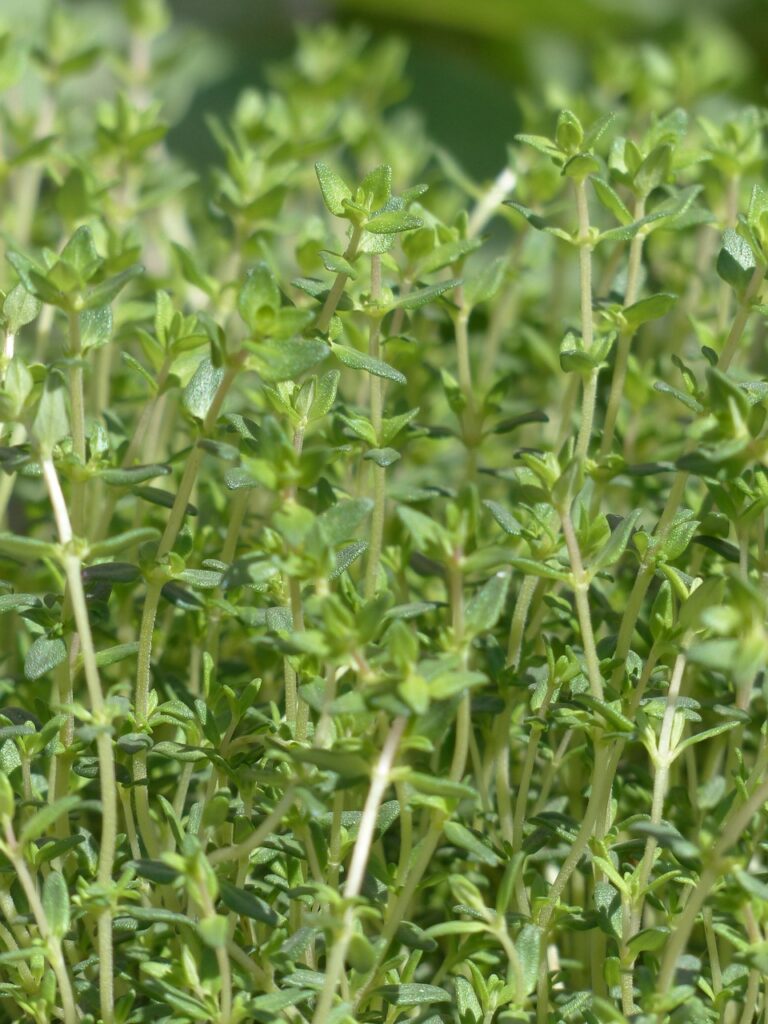
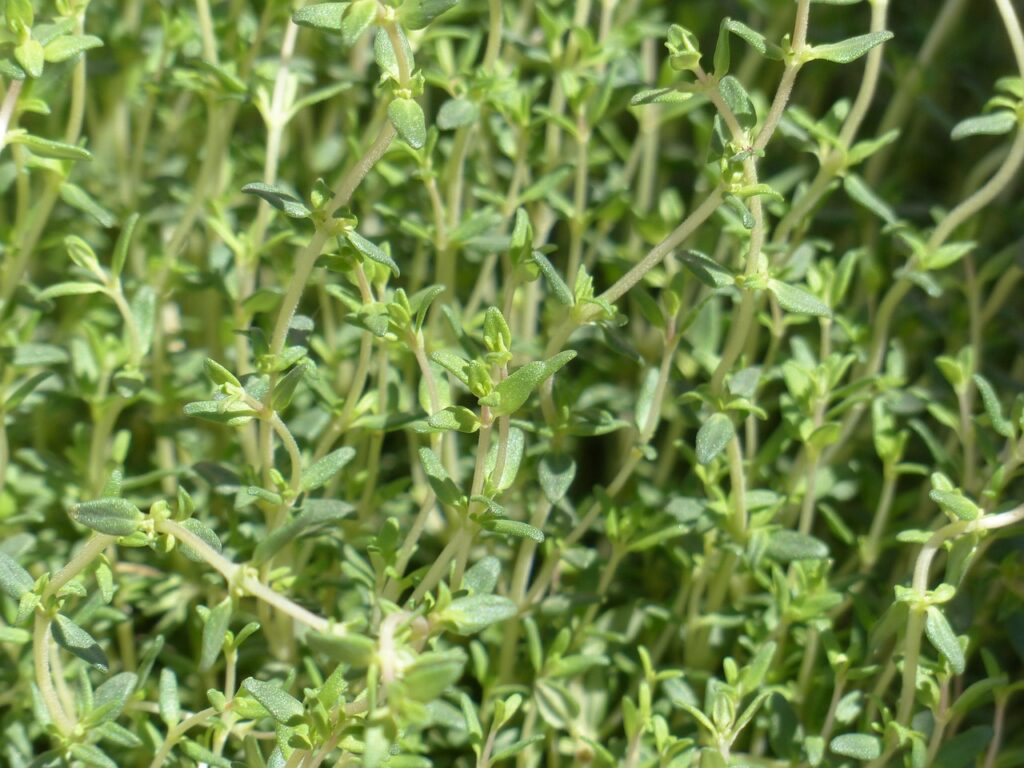
Thyme on Your Side: The Tiny Herb with Big Healing Power

July 9, 2025

When it comes to herbs that quietly do it all, thyme is the real MVP. It’s grounding but punchy, gentle but effective—and it’s one of those herbs that feels like it’s always been there for us, tucked into bubbling broths or steeped in cozy teas when we need a little healing.

This month, we’re giving thyme its well-earned spotlight with seven easy, beautiful ways to incorporate it into your daily rhythm—from kitchen to bath to teacup.

7 Lovely Ways to Use Thyme in Everyday Wellness
Herbal living with intention + flavor

1. Thyme Tea for Immune Support & Calm

Let’s start with the most soothing: tea. Thyme tea is deeply aromatic and surprisingly powerful—it’s packed with antibacterial and antiviral compounds like thymol, which support your immune system and help ease coughs, sore throats, and even tension headaches.

To make: Steep 1 tsp of dried thyme (or 2–3 fresh sprigs) in hot water for 10 minutes. Add lemon and honey if you’d like.

🌿 H&L tip: Sip this in the evenings during cold season, or whenever you’re feeling a little rundown.

2. Thyme-Infused Honey for Coughs, Skin, and Snacks

This one’s a two-for-one. Thyme honey is a delicious, multipurpose staple for natural health. Use it for soothing sore throats, calming coughs, dressing minor cuts, or simply drizzling over goat cheese or toast for an herby twist.

To make: Fill a small clean jar with fresh thyme, pour raw honey over it, and let it infuse for 1–2 weeks in a cool, dark place. Strain or leave the thyme in—up to you.

🍯 Bonus use: Apply thyme honey topically to small blemishes or dry patches as a natural antimicrobial balm.

3. Herbed Butter or Olive Oil for Everyday Cooking

If thyme had a love language, it would be “add me to butter and bread.” Herbed butter or olive oil with thyme is simple to make and elevates everything from morning eggs to weeknight pastas.

Quick how-to:

  • For butter: Mash softened butter with chopped fresh thyme, a little garlic, and sea salt.
  • For oil: Warm olive oil gently with sprigs of thyme and let it infuse for a few hours.

🌿 Use either on veggies, bread, or to finish grilled fish.

4. Herbal Steam for Congestion & Glow

Feeling a bit stuffy or dull-skinned? A thyme facial steam is your herbal self-care hero. The antibacterial and clarifying properties make it perfect for clearing both sinuses and pores.

To do: Add a small handful of fresh thyme to a heat-safe bowl. Pour in hot water, lean over with a towel over your head, and breathe in the herbal steam for 5–10 minutes.

🧖 Optional: Add rosemary or lavender for extra spa vibes.

5. DIY Herbal Bath Soak for Sore Muscles

If you’re craving a slow soak after a long day (who isn’t?), thyme’s anti-inflammatory and calming qualities can help ease muscle tension and quiet the nervous system.

What to do: Toss a handful of fresh thyme into a muslin bag or tea infuser and drop it into a warm bath. Pair it with Epsom salts and a little lavender oil for the ultimate relaxing moment.

🌿 You’ll step out feeling more grounded and less tense—like you just reset your whole energy.

6. Thyme Vinegar for Wellness Shots or Salad Dressings

Infusing raw apple cider vinegar with thyme is both delicious and practical. It creates a tangy, gut-loving tonic you can sip (diluted), mix into salad dressings, or even use as a scalp rinse for itchy skin.

How to make: Fill a jar halfway with fresh thyme. Cover with raw apple cider vinegar and let it sit for 2–3 weeks. Strain and store in a glass bottle.

🥗 A splash of this vinegar in olive oil makes a next-level vinaigrette, especially paired with roasted veggies or grain bowls.

7. Simple Thyme Syrup for Mocktails & Desserts

Herbal syrups aren’t just for fancy cafés—you can make them at home in under 15 minutes, and thyme adds a fresh, unexpected note to cocktails, mocktails, and even pancakes.

Recipe:

  • 1 cup water
  • 1 cup sugar or honey
  • 4–5 sprigs of fresh thyme

Simmer together for 10 minutes, strain, and store in the fridge.

🍋 Try it in sparkling water with lemon for a chic herbal spritz, or drizzle it over vanilla ice cream on a warm summer night.

Final Thoughts

Thyme isn’t flashy—it’s not trying to be the loudest herb in the garden. But it shows up in all the little ways that make a difference. Whether you’re layering it into a roast chicken, sipping it in tea, or soaking in it after a long week, thyme reminds us that wellness can be simple, fragrant, and wildly effective.

Which of these are you most excited to try? Share your thyme moments with us in the comments—or tag us in your garden-to-table creations. 🌿

With love and herbal magic,

Filed in: Body, Garden, Healthy Recipes, Holistic Health, Intro to Herb Series, Joyful Living • by Hummingbirds & Lavender •

Intro to Herbs- chapter 7- Thyme

July 2, 2025

Discover the Medicinal Magic of Thyme for Wellness, Inside and Out

If herbs had personalities, thyme would be the friend who’s quietly brilliant—low-maintenance, always helpful, and surprisingly good in just about every situation. Whether you’re making soup, nursing a cold, or sprucing up your windowsill garden, thyme has a way of showing up exactly when you need it.

This month in our Intro to Herbs series, we’re giving this unassuming powerhouse its moment in the sun. Let’s talk about why thyme deserves a spot in your garden, your kitchen, and your holistic wellness cabinet.

🌿 A Little History + Herbal Snapshot

Thyme (Thymus vulgaris) is native to the Mediterranean and has been used for thousands of years—by Egyptians for embalming, Greeks in baths and temples, and medieval Europeans who tucked it under pillows to ward off nightmares. Today, we use thyme mostly for its strong antimicrobial, antifungal, and anti-inflammatory properties… and also because it tastes amazing.

Fun fact to tuck away: In ancient times, thyme was associated with courage. Roman soldiers bathed in it before battle!

🍲 Culinary Magic

Let’s be honest: thyme just makes food taste better. Its earthy, slightly minty flavor adds depth to soups, stews, roasted veggies, meats, and even baked goods.

Quick ideas:

  • Toss fresh thyme into olive oil and drizzle over roasted potatoes.
  • Steep it in broth to add flavor and immunity-boosting benefits.
  • Sprinkle dried thyme onto homemade focaccia (chef’s kiss).

🌿 Tip: Thyme is one of the few herbs that actually holds up well when dried, so don’t be afraid to preserve your summer harvest for year-round use.

🌼 Medicinal & Holistic Benefits

Thyme is more than just a culinary MVP—it’s also an herbal medicine cabinet all on its own.

1. Immune Booster

Thyme is packed with thymol, a compound that fights bacteria and viruses. It’s perfect during cold and flu season—or anytime your immune system needs a little love.

How to use it: Make a simple thyme tea by steeping 1 tsp of dried thyme in hot water for 10 minutes. Add honey and lemon if you’re feeling under the weather.

2. Respiratory Support

Thyme is a natural expectorant, which means it helps break up mucus and ease coughs.

Try this: Make a steam inhalation with thyme and eucalyptus for congestion. Add fresh or dried thyme to a bowl of hot water, cover your head with a towel, and breathe deeply.

3. Digestive Aid

Too much cheese plate? Thyme can help! It soothes indigestion, gas, and cramping.

Sip it: Thyme tea after meals can ease bloating and get things moving gently.

🌿 Simple DIYs with Thyme

✨ Thyme-Infused Honey

Perfect for sore throats or drizzling on toast.

How to make it: Fill a small jar with fresh thyme (washed and dried), cover with raw honey, and let it infuse for a week. Strain if you like, or keep the thyme in for a rustic touch.

✨ Herbal Bath for Muscle Relief

Tired body? Add a handful of fresh thyme and Epsom salts to your bath. The herb’s anti-inflammatory properties help relax sore muscles and calm your nervous system.

✨ Garden Fresh Cleaning Spray

Thanks to its antibacterial properties, thyme is a natural choice for DIY cleaners.

Simple recipe: Steep a bunch of fresh thyme in white vinegar for two weeks. Strain and pour into a spray bottle. Add a few drops of lemon essential oil for that clean, zesty vibe.

🌱 Growing Thyme at Home

Thyme loves the sun, doesn’t ask for much, and thrives in both pots and garden beds. It’s drought-tolerant, deer-resistant, and bee-friendly. Plus, it smells divine when you brush against it.

Plant care:

  • Loves full sun and well-draining soil.
  • Trim it often to encourage bushy growth.
  • Harvest just before it blooms for the most flavor.

🌿 Gardening fun fact: Thyme attracts pollinators like bees and butterflies, making it a beautiful and functional addition to your herb garden.

Final Thoughts

Thyme is a quiet overachiever. It’s a healer, a flavor-enhancer, and a symbol of resilience all in one tiny stem. Whether you’re sipping it in tea, cooking with it, or simply brushing your hands over a plant in the garden, thyme reminds us to pause, breathe, and enjoy the small, grounding things in life.

Which way are you most excited to use thyme this season? Let’s chat in the comments—your tea mug or herb scissors are waiting. 🌿

Until next time,

Filed in: Body, Garden, Holistic Health, Intro to Herb Series, Joyful Living • by Hummingbirds & Lavender •

Hydrosols 101

June 25, 2025

Discover the magic of hydrosols, aka floral waters, and their many benefits

If you’ve been living the wellness life for a while, you may have heard the term “hydrosol” floating around. You might have even used one before, misting your face with a refreshing floral spray or incorporating it into a DIY beauty product. But what exactly is a hydrosol, and why are these fragrant waters worth all the hype?

In this post, we’ll explore what hydrosols are, how they differ from essential oils, and—most importantly—how you can start using them in your life. Let’s dive in and discover the gentle magic of these botanical waters together!

🌿 What Are Hydrosols?

Hydrosols, also known as floral waters or distillates, are the byproducts of essential oil extraction. When plant material (think flowers, leaves, or herbs) is distilled for its essential oils, the steam cools and condenses into two distinct layers: the essential oil (which floats at the top) and the hydrosol (the water below).

Hydrosols are much gentler than essential oils and contain a small amount of the plant’s active compounds, offering many of the same benefits—without the intensity. They’re essentially the “watered-down” version of essential oils, but in the best possible way. Hydrosols are perfect for those with sensitive skin, or anyone looking for a more subtle, less concentrated plant power in their wellness routine.

🌸 The Benefits of Hydrosols

Hydrosols bring the goodness of plants into your life, but in a lighter, more versatile form. Here are just a few of the many benefits they offer:

  • Gentle on Sensitive Skin: Hydrosols are naturally soothing and hydrating, making them an excellent choice for those with sensitive or irritated skin.
  • Calming & Relaxing: Many hydrosols, especially those made from flowers like lavender and chamomile, have a calming effect on the nervous system. A spritz can help reduce stress and promote a sense of peace.
  • Toning & Balancing: Some hydrosols, like rose or witch hazel, act as natural toners, helping to balance your skin’s oil production and refine your pores.
  • Antioxidant & Anti-inflammatory: Many hydrosols (such as those from herbs like rosemary and sage) offer antioxidant and anti-inflammatory benefits that can help with skin healing and general wellness.
  • Versatile in Use: Hydrosols can be used in many different ways—whether as facial sprays, in your skincare routine, in DIY haircare products, or as refreshing room sprays for your home.

In short: hydrosols are gentle, effective, and multi-purpose.

🌷 Different Types of Hydrosols

There’s a hydrosol for almost every need—whether you’re looking to soothe a sunburn, refresh your skin, or set a calming mood in your space. Here are some of the most popular hydrosols and their unique benefits:

  1. Rose Hydrosol
    Uses: Skin care, relaxation, mood boosting
    Rose hydrosol is a luxurious treat for your skin, balancing oil production and promoting a youthful, dewy complexion. It’s also emotionally uplifting—perfect for when you need a gentle mood boost.
  2. Lavender Hydrosol
    Uses: Relaxation, stress relief, skin soothing
    Known for its calming properties, lavender hydrosol is a go-to for anyone needing a little extra peace in their day. It’s also wonderful for soothing irritated skin and minor burns.
  3. Chamomile Hydrosol
    Uses: Skin healing, calming, irritation relief
    Chamomile is known for its soothing properties, making its hydrosol ideal for sensitive or inflamed skin. It’s also fantastic for calming the mind after a stressful day.
  4. Witch Hazel Hydrosol
    Uses: Skin toning, pore refining, anti-inflammatory
    Witch hazel is often used as a natural astringent, and its hydrosol is no different. It helps tighten the skin and balance oil production, making it perfect for those with oily or acne-prone skin.
  5. Peppermint Hydrosol
    Uses: Cooling, refreshing, digestive support
    Peppermint hydrosol is a refreshing treat, ideal for hot summer days or for refreshing your space. It can also aid digestion when used as a digestive tonic—just a few spritzes on the skin can help calm nausea.
  6. Rosemary Hydrosol
    Uses: Hair care, mental clarity, skin rejuvenation
    Rosemary hydrosol is great for revitalizing the skin and stimulating hair growth. It also provides a boost of mental clarity and focus—perfect for a mid-afternoon pick-me-up.
  7. Frankincense Hydrosol
    Uses: Skin healing, spiritual grounding, relaxation
    Frankincense has been used for centuries in spiritual and medicinal practices, and its hydrosol brings that calming, grounding energy to your skin and environment. It’s perfect for meditation or creating a peaceful, reflective space.

🌱 How to Use Hydrosols in Your Everyday Life

Now that you’re familiar with the benefits and types of hydrosols, here are some creative and practical ways to incorporate them into your daily wellness routine:

  1. Facial Spritz
    Keep a bottle of your favorite hydrosol in your bag or on your vanity for a quick, refreshing facial mist. This works wonders for a midday hydration boost, especially if you spend time in air-conditioned or heated environments. Try rose or lavender for a cooling, calming effect.
  2. Toner
    Hydrosols like rose, witch hazel, or chamomile make gentle, natural toners. Simply apply a few spritzes onto your face after cleansing to tighten pores and balance your skin’s natural oils.
  3. After-Sun Soother
    After a day in the sun, spritz chamomile or lavender hydrosol onto your skin for a cooling, soothing touch. These hydrosols can calm irritated skin and help prevent redness from sun exposure.
  4. Hair Refresher
    Rosemary and peppermint hydrosols can be used to freshen up your hair. Spritz on your scalp to relieve any itchiness, boost circulation, or even add a fresh scent between washes.
  5. Room Spray
    Hydrosols aren’t just for your body—they make great natural air fresheners! Keep a lavender or rose hydrosol by your bedside for a relaxing spray before sleep, or use peppermint in your kitchen or bathroom for a burst of freshness.
  6. Bath Soak
    Add a few tablespoons of chamomile or rose hydrosol to your bath for an extra layer of relaxation. These hydrosols help soothe your skin and calm your senses as you unwind.
  7. DIY Skin Care Products
    Hydrosols can be used in your DIY beauty routine to replace water or floral water in lotions, creams, and facial masks. They add a touch of botanical magic to your handmade creations.

🌸 Final Thoughts

Hydrosols are an affordable, versatile, and sustainable way to enhance your beauty and wellness routine. Whether you’re refreshing your skin, calming your mind, or simply adding a little botanical luxury to your day, hydrosols offer a gentle way to harness the power of plants.

Next time you’re on the hunt for a new skincare product or a natural room spray, consider reaching for a hydrosol. It’s nature’s distilled goodness in a bottle, ready to infuse your life with calm, balance, and beauty—one spritz at a time.

With botanical love,

Filed in: Clean Beauty, Holistic Health, Joyful Living • by Hummingbirds & Lavender •

Slow Fashion 101

June 18, 2025

A gentle guide to dressing with intention, creativity, and care

Somewhere between the overflowing clearance bins and the constant churn of seasonal trends, many of us started craving something slower. More thoughtful. More personal. That’s where slow fashion comes in—and it’s not just a trend. It’s a mindset, a lifestyle, and in many ways, a quiet revolution.

At Hummingbirds & Lavender, we believe that what we wear tells a story—and we’re big fans of making that story one of creativity, sustainability, and self-expression. Whether you’re a seasoned thrifter or just starting to dip a toe into secondhand style, this Slow Fashion 101 is here to help you weave more intention into your wardrobe, one beautiful choice at a time.

🌿 What Is Slow Fashion?

Slow fashion is the opposite of fast fashion—it’s about buying less, choosing well, and making what we have last. Think quality over quantity, natural over synthetic, and timeless over trendy. It asks us to slow down and consider where our clothes come from, how they were made, and what happens when we’re done with them.

It’s about people. Planet. And personal style that evolves with us.

💫 Why It Matters

  • Environmental impact: The fashion industry is one of the most polluting in the world, with massive water usage, synthetic fibers that don’t break down, and dyes that pollute waterways.
  • Ethical concerns: Many fast fashion pieces are made under unsafe working conditions, often by underpaid workers.
  • Emotional clutter: Fast fashion feeds into impulse buying, overflowing closets, and garments that barely last a season.

Slow fashion, on the other hand, invites us to buy more mindfully, appreciate what we own, and reconnect with the joy of getting dressed.

🧺 Secondhand, Thrifted & Pre-Loved

One of the easiest and most affordable ways to embrace slow fashion? Secondhand shopping.

Thrift stores, consignment shops, vintage boutiques, online resellers, and even community swap events are treasure troves of quality, unique pieces. And let’s be honest—there’s something deeply satisfying about finding the perfect item tucked among the racks.

✨ Tips for Thrifting Like a Pro:

  1. Go in with a loose idea, not a strict list. Let inspiration lead!
  2. Check for quality construction. Look at seams, fabric content, and tags—natural fibers like cotton, wool, and linen last longer.
  3. Try things on—or hold them up. Sizing can be all over the place, especially with vintage.
  4. Be patient. Some trips are all about the hunt. Others are golden.

🌼 H&L Thought: Keep a little thrift “wish list” in your phone—maybe a cozy knit cardigan, a pair of lived-in Levi’s, or a linen dress for summer. That way, when you stumble upon something close, you’ll know.

🧵 Upcycling: Give New Life to Old Textiles

If you love a good DIY or feel drawn to more hands-on creativity, upcycling might be your love language. Whether it’s mending a torn seam with visible stitches (a nod to Japanese sashiko), turning an old bedsheet into a skirt, or embellishing a thrifted denim jacket, upcycling lets you transform what you already have into something fresh.

💡 Easy Ways to Start:

  • Turn vintage scarves into hair accessories or bandanas.
  • Cut worn-out tees into cleaning cloths or reusable gift wrap.
  • Make lavender sachets from fabric scraps.
  • Add patches or embroidery to jeans, jackets, or bags.
  • Refashion oversized dresses or shirts into skirts or crop tops.

You don’t need to be a pro sewer—just a bit of curiosity and willingness to experiment. YouTube, Pinterest, and your local craft collective can offer plenty of inspiration.

🛍️ Practical Ways to Embrace Slow Fashion in Everyday Life

You don’t have to overhaul your closet overnight to make an impact. Slow fashion is about small, meaningful shifts over time. Here’s how you can start weaving it into your everyday:

1. Do a closet refresh.

Before buying anything new, spend time with what you already have. Try on outfits, get creative with pairings, and make a list of what (if anything) you actually need.

2. Repair before you replace.

Got a button missing or a tiny tear? Grab a needle or find a local mender. Mending can be surprisingly meditative.

3. Host a clothing swap.

Invite a few friends over for tea, snacks, and a good old-fashioned closet clear-out. You never know what gems someone else is ready to part with.

4. Shop local and ethical when buying new.

If you do need to buy new, support small brands that prioritize sustainability, ethical production, and timeless design. It’s worth it.

5. Adopt a “one in, one out” rule.

When something new comes in, let something else go—to donation, a friend, or your upcycling pile.

🧡 Final Thoughts

Slow fashion isn’t about perfection—it’s about intention. It’s about building a relationship with your clothes, your community, and your planet. It’s choosing to opt out of the frenzy and opt into creativity, connection, and care.

There’s something powerful in knowing that your outfit tells a story—maybe it was thrifted with love, stitched by your own hands, or passed down from someone special. It’s fashion, yes, but it’s also a kind of soft rebellion, a way to say: I value quality, I care about the earth, and I don’t need fast to feel beautiful.

So here’s to slow mornings, linen dresses, and mended sleeves. Here’s to fashion that feels like you.

With love and vintage denim,

Filed in: Joyful Living, Sustainable Fashion • by Hummingbirds & Lavender •

Soothing & Simple: 7 Lovely Ways to Use Chamomile for Natural Wellness

June 11, 2025

7 Gentle Ways to Use Chamomile for Holistic Health

Chamomile has a way of sneaking into your life like a quiet little whisper—subtle, soothing, and just what you needed. You’ve probably had it as tea when you couldn’t sleep, but this humble herb has a lot more to offer when it comes to natural wellness.

At Hummingbirds & Lavender, we’re all about slow living and finding gentle, effective ways to support our health with what grows right outside (or in your kitchen cabinet). So today, let’s explore seven simple and intentional ways to use chamomile in your everyday holistic routine.

1. Soothe Stress with a Chamomile Tea Ritual

Yes, it’s classic—but that’s because it works. Chamomile tea isn’t just about the herb’s natural calming compounds (like apigenin); it’s also about the act of slowing down to sip something warm and grounding.

Try this: Brew 1–2 teaspoons of dried chamomile in hot water for 5–10 minutes. Add a bit of honey if you like. Sip slowly, ideally without multitasking. Just breathe and be.

🫖 Little ritual tip: Pair your evening tea with a few deep breaths and low lighting. It’s like hitting the reset button.

2. Ease Tummy Troubles with a Warm Cup

Chamomile’s anti-inflammatory and antispasmodic properties make it a go-to for digestive issues—think bloating, gas, cramping, or just that “off” feeling.

How to use it: After a heavy meal or during PMS, sip chamomile tea to help calm your digestive system. It’s especially good when blended with peppermint or ginger.

🌿 Tuck-away tip: Chamomile is kid-friendly and can be used (in moderation) to help little ones with tummy aches, too.

3. Create a Calming Chamomile Compress

Got irritated skin, tired eyes, or a tension headache? A warm or cool chamomile compress can work wonders.

Do this: Steep a strong chamomile infusion (think 3–4 teaspoons of dried flowers per cup of hot water), soak a clean cloth in it, and apply to the affected area. Warm for cramps or jaw tension, cool for puffiness or inflammation.

💛 Pro tip: Store cooled tea in the fridge to have on hand for quick-use compresses or a refreshing face splash.

4. Add Chamomile to a Sleepytime Bath

If you’re having trouble winding down, chamomile can help turn your bath into a mini spa moment.

Try this blend: Add ½ cup of dried chamomile flowers (or a few chamomile tea bags) to your bathwater, along with Epsom salts and a few drops of lavender essential oil. Steep yourself like a teabag and let the herbs do their thing.

🛁 Bonus: It’s lovely for calming sensitive skin, too.

5. Make a DIY Chamomile Face Steam

Face steams are an easy way to treat your skin and your nervous system at the same time. Chamomile is especially helpful for sensitive, dry, or irritated skin.

How to do it: Add a handful of dried chamomile to a bowl of hot water. Drape a towel over your head and hover your face over the steam (not too close!). Breathe deeply for 5–10 minutes.

🌼 Add-ins: A pinch of calendula or a few rose petals turns this into a whole mood.

6. Infuse Chamomile into Herbal Oil

Chamomile-infused oil is a skin-soothing staple that can be used in balms, lotions, or directly on dry, irritated areas.

Simple method: Fill a clean jar with dried chamomile and cover it with a carrier oil (like sweet almond or jojoba). Let it sit in a sunny windowsill for 2–4 weeks, shaking gently every day. Strain and store in a dark bottle.

🌿 Use it for: Massage oil, baby care, cuticle oil, or a nourishing base for homemade salves.

7. Try Chamomile Glycerite for Gentle Mood Support

If alcohol-based tinctures aren’t your thing, a chamomile glycerite is a sweet and soothing alternative. It’s like a tincture, but made with glycerin—great for kids or sensitive systems.

Use it for: Nervous tension, mild anxiety, or trouble sleeping. You can take a dropperful in a bit of water or directly under the tongue.

✨ Note: You can buy it pre-made at natural health stores or try making your own at home if you’re feeling crafty.

Final Thoughts

Chamomile reminds us that healing doesn’t have to be dramatic. It’s soft, slow, and effective in the most unassuming ways. Whether you’re steeping a cup of tea, soaking in a floral bath, or dabbing a little chamomile oil on your skin before bed, you’re choosing to care for yourself gently—and that’s powerful.

Let me know which remedy you’re excited to try! Or, if chamomile’s already a staple in your wellness toolkit, share your favorite way to use it in the comments.

Stay well, stay cozy 🌼


Filed in: Body, Garden, Holistic Health, Intro to Herb Series, Joyful Living • by Hummingbirds & Lavender •

Intro to Herbs: part 6- Chamomile

June 4, 2025

Chamomile – The Calm in Your Garden

Welcome back to Hummingbirds & Lavender! This month in our Intro to Herbs series, we’re getting to know chamomile—a small but mighty herb that’s probably already in your pantry (hello, sleepytime tea) and totally deserves a spot in your garden, too.

Chamomile is one of those herbs that does a little bit of everything. It looks charming, smells amazing, and works wonders in everything from teas to skincare. It’s kind of like that friend who always knows how to help you relax and also brings snacks. Let’s dig into what makes this gentle herb such a favorite.

Meet Chamomile: More Than Just a Pretty Flow

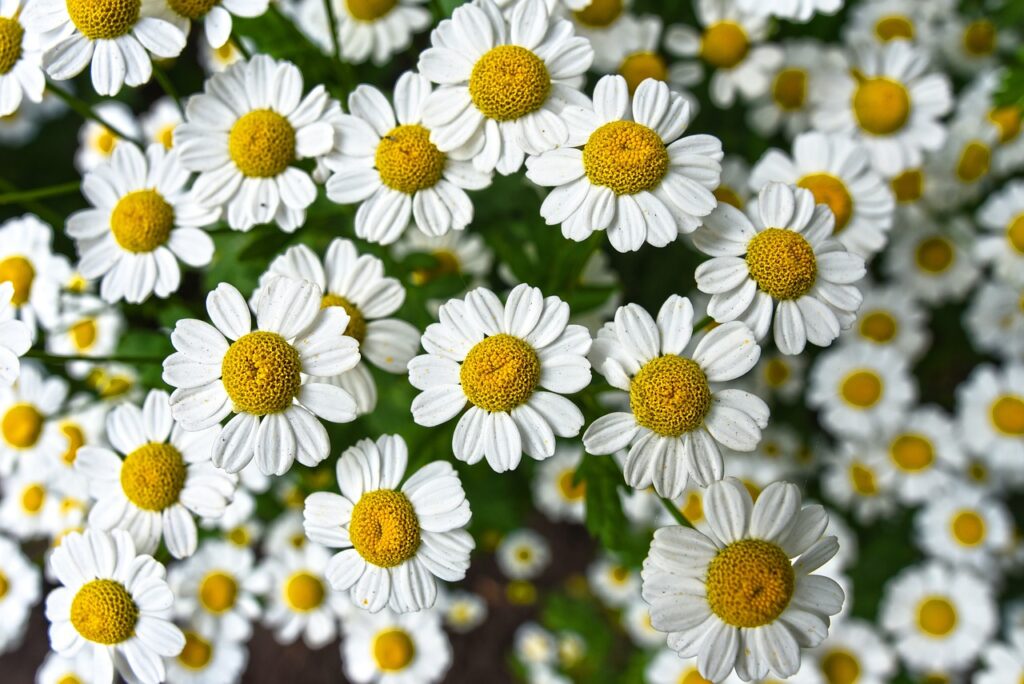
Chamomile is part of the daisy family (Asteraceae), and its tiny white blossoms with yellow centers look like mini suns—bright and cheerful. There are two main types you’ll run into:

  • German Chamomile (Matricaria chamomilla) – Tall, delicate, and super common in herbal teas.
  • Roman Chamomile (Chamaemelum nobile) – Shorter, more of a ground cover, and great in essential oils or as a natural lawn alternative.

Both smell sweet and apple-like, which makes sense: the word “chamomile” actually comes from Greek and means “ground apple.”

🧠 Fun fact to remember: If it smells like apples and looks like a daisy, it’s probably chamomile.

Why Chamomile Is a Natural MVP

Chamomile has been used for thousands of years (literally—ancient Egyptians were big fans), and it’s still one of the most popular herbs for good reason. Here’s what it’s known for:

  • Chill vibes only: Chamomile is famous for helping with stress, anxiety, and sleep. That’s thanks to a natural compound called apigenin that promotes calm and relaxation.
  • Gentle on digestion: Feeling bloated or crampy? Chamomile tea has anti-inflammatory properties that help soothe your digestive system.
  • Skin-soothing superstar: Chamomile can calm irritated skin, help heal small cuts or burns, and reduce redness. You’ll find it in tons of natural skincare products for a reason.

It’s safe for most people, but a quick heads-up—if you’re allergic to ragweed or daisies, you might want to patch test first before using chamomile topically.

🌼 Tuck-away tip: You can use chamomile in steams, baths, teas, or even in homemade balms for a full-body unwind moment.

Chamomile in the Kitchen

We all know chamomile tea. But there’s more you can do with this herb if you’re into experimenting a little in the kitchen. Its flavor is light, floral, and a little fruity—perfect for subtle, comforting recipes.

Here are a few simple ways to get creative:

  • Chamomile-infused honey – Steep dried chamomile in warm honey for a dreamy drizzle over toast, yogurt, or pancakes.
  • Floral baked goods – Add crushed dried chamomile to sugar cookies or shortbread for a soft floral note.
  • Chamomile milk latte – Steep flowers in warm milk with a dash of vanilla and cinnamon. It’s cozy in a cup.

🍪 Fun fact: Chamomile was once used in beer before hops took over. It added flavor and helped with digestion. Multitasking!

Growing Chamomile: Easy, Low-Maintenance, and Beautiful

Good news for beginner gardeners: chamomile is super easy to grow. Whether you’re planting it in a pot on your patio or mixing it into your garden beds, it doesn’t need much to thrive.

  • Sun: Loves full sun but can handle some afternoon shade.
  • Soil: Prefers well-drained soil, but isn’t too picky.
  • Water: Keep it lightly watered until it’s established, then it’s fairly drought-tolerant.
  • Harvesting: Snip the flowers when they’re fully open and dry them upside down or in a dehydrator.

German chamomile is an annual and can get tall and feathery, great for picking. Roman chamomile is a perennial and stays low to the ground, perfect for walkways or garden borders.

🌿 Pro gardening tip: Chamomile is a great companion plant—it attracts pollinators and can help repel unwanted bugs from your veggies.

Everyday Ways to Use Chamomile

If you’re growing chamomile or buying it dried, here are a few easy ways to work it into your daily routine:

  • Brew a calming tea before bed
  • Toss dried flowers into your bath with some Epsom salts
  • Infuse oil for DIY body butter or balm
  • Add it to a steam facial for tired skin
  • Make your own calming pillow spray (chamomile + lavender = dream team)

Chamomile Quick Facts to Impress Your Friends

  • It’s related to daisies and smells like apples.
  • The tea helps with sleep, digestion, and stress.
  • Bees love it—plant it near your veggies for better pollination.
  • It self-seeds, so once you plant it, it may keep coming back year after year.
  • It’s been used in folk medicine for thousands of years, and science is catching up.

Chamomile might not be the flashiest herb in the garden, but it’s one of the most useful. It’s gentle, grounding, and always there when you need a little extra calm. Whether you’re sipping tea, growing a patch in the garden, or just enjoying the scent, chamomile brings a sense of peace that’s hard to beat.

If you’re already using chamomile—or inspired to start—let me know in the comments. I’d love to hear how you’re working this lovely little herb into your slow-living lifestyle.

Until next time, keep things cozy and green 🌿

Filed in: Body, Garden, Holistic Health, Intro to Herb Series • by Hummingbirds & Lavender •

  • « Previous Page
  • 1
  • 2
  • 3
  • 4
  • Next Page »
Hey, yall! I'm Ashley, creator of Hummingbirds & Lavender, and I just wanted to say welcome and thanks for stopping by. This is just a place for me to document my story of raising my family, being a botanical entrepreneur, and living the best life I can possibly create. Thanks for being a part of the journey with me.

Follow Along on social media

  • Instagram
  • Pinterest

Search The Blog

Categories

  • About me
  • Astrology
  • Body
  • botanical dye
  • Clean Beauty
  • Garden
  • Healthy Recipes
  • Holistic Health
  • Home Decor & DIY
  • Intro to Herb Series
  • Joyful Living
  • Mind
  • Spirit
  • Sustainable Fashion
  • Uncategorized

Popular Posts

Ancestral Herbalism

Healing Your Gut Naturally

Copyright © 2026 · Theme by Blog Pixie