• Holistic Health
    • Mind
    • Body
      • movement
    • Spirit
      • Astrology
  • Joyful Living
    • Home Decor & DIY
    • Sustainable Fashion
    • Clean Beauty
    • Garden
      • Intro to Herbs Series
  • About me
    • Who is Hummingbirds and Lavender?
  • Follow

    • Etsy
    • Instagram
    • Pinterest
    • YouTube

Hummingbirds and Lavender

Holistic, Sustainable, Intentional

Ancestral Herbalism

December 31, 2025

Honoring Traditions Through Spiritual & Herbal Practices
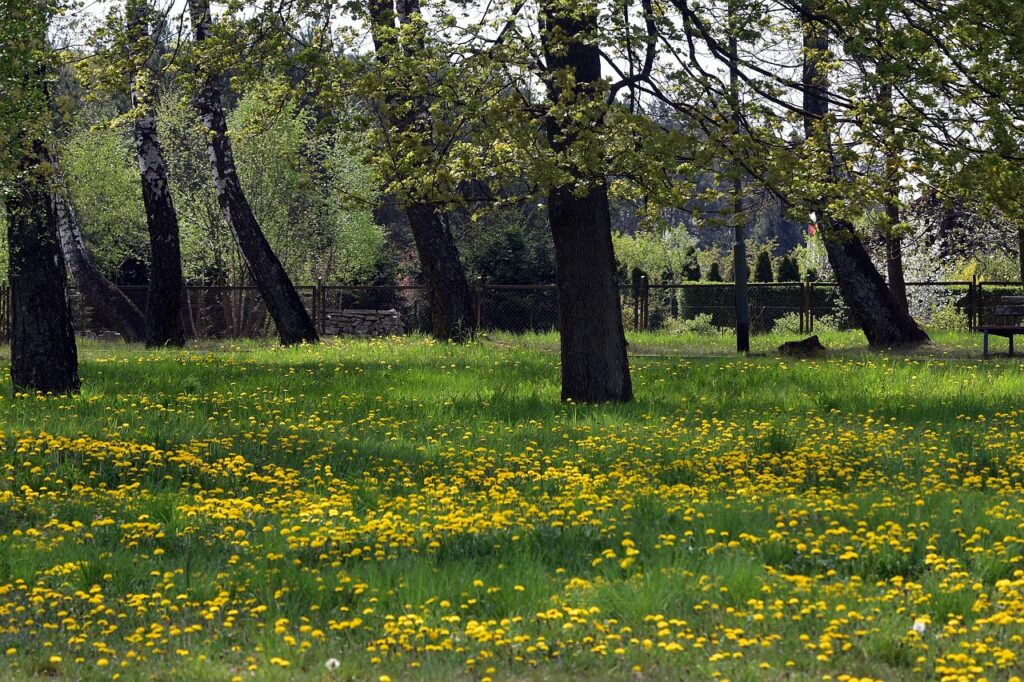
Long before wellness trends, superfoods, or packaged supplements, there were hands in the soil. Our ancestors knew the language of plants—their scents, textures, flavors, and the subtle ways they could nourish both body and spirit. This knowledge wasn’t written down in glossy books; it was carried in stories, shared over kitchen tables, whispered at the hearth, and passed on through rituals that wove plant medicine into daily life.

Today, many of us feel the call to reconnect with that lineage. Ancestral herbalism is more than simply using herbs—it’s a way of honoring the traditions, people, and cultural wisdom that shaped us. It’s about remembering where we come from and weaving those threads into our modern lives.

What Is Ancestral Herbalism?

Ancestral herbalism is the practice of working with plants in ways that honor the traditions of your ancestors—whether that’s your direct bloodline or the broader lineage of your cultural and spiritual heritage. It acknowledges that herbal medicine is deeply rooted in place, story, and identity.

For some, it means reviving recipes passed down through family, such as a grandmother’s chamomile tea for rest or a great-aunt’s rosemary-infused hair tonic. For others, it’s exploring the plants native to their ancestral lands and learning how those plants were used for healing, protection, or ceremony.

Why This Connection Matters

When we approach herbalism through an ancestral lens, we:

  • Preserve cultural heritage – Keeping traditional remedies alive honors the wisdom of those who came before us.
  • Deepen our spiritual connection – Plants become not just ingredients, but sacred allies in our spiritual journey.
  • Cultivate gratitude and respect – Recognizing that these practices are gifts from generations past fosters reverence for both plants and people.
  • Strengthen identity – Engaging with our heritage through plants can be an act of self-discovery and cultural pride.

Ways to Honor Your Ancestral Herbal Traditions

Here are some meaningful ways to bring ancestral herbalism into your life:

1. Research Your Herbal Roots

Start with your family tree, cultural background, or the region where your ancestors lived. What herbs grew naturally there? Were certain plants considered sacred or protective? Old cookbooks, oral histories, and cultural archives can offer surprising clues.

If your heritage is a mix, you can explore multiple traditions—your herbal practice can be a beautiful tapestry of influences.

2. Revive Traditional Remedies

If you have access to old recipes or stories, try making them in your own kitchen. This could be a healing soup, a tincture, or a seasonal tea blend. Even if you have to adapt ingredients to what’s available today, the heart of the recipe remains.

For example:

  • Italian lineage – Sage-infused honey for sore throats.
  • African heritage – Moringa tea for nourishment and vitality.
  • Celtic roots – Meadowsweet tea for joint aches and digestion.

3. Practice Seasonal Herbal Living

Our ancestors lived by the rhythms of the seasons, adjusting their herbal practices accordingly:

  • Spring for cleansing and renewal – nettles, dandelion greens, lemon balm.
  • Summer for vitality – mint, basil, calendula.
  • Autumn for grounding – sage, thyme, rosemary.
  • Winter for protection – cinnamon, ginger, elderberry.

Aligning your herbal practice with the seasons connects you to the cycles your ancestors naturally followed.

4. Create Rituals of Connection

Use herbs in spiritual or ceremonial ways to connect with your ancestors:

  • Light a candle and burn rosemary or mugwort as an offering during meditation.
  • Brew a cup of herbal tea your ancestors might have enjoyed and sip it while journaling about them.
  • Place fresh or dried herbs on your ancestor altar to honor their memory.

These small acts can become touchstones for remembrance and gratitude.

5. Grow Ancestral Plants

If possible, grow herbs your ancestors would have used. Tending the same plants they once touched can be deeply moving. Even a windowsill pot of basil or rosemary can be a living link to your heritage.

6. Honor the Land

Many ancestral herbal traditions include practices of reciprocity—taking only what’s needed, giving thanks, and returning offerings to the earth. You can honor this by:

  • Foraging mindfully.
  • Planting pollinator-friendly flowers.
  • Composting herbal scraps as a gift back to the soil.

A Word on Respect & Cultural Awareness

If your herbal journey leads you to traditions outside your direct lineage, approach with humility and respect. Learn from elders, acknowledge the source of the knowledge, and avoid commercializing sacred practices. Herbal wisdom is living heritage—treat it with care.

Beginning Your Ancestral Herbal Journey

You don’t need to have every detail of your family history to begin. Start small:

  • Make a seasonal tea using herbs from your heritage.
  • Light incense or burn herbs in a ritual that feels meaningful to you.
  • Keep a journal of the plants you feel most connected to and why.

Over time, you’ll find that ancestral herbalism isn’t just about the plants—it’s about the relationships they help you nurture: with the earth, your heritage, and yourself.

A Living Tradition

Ancestral herbalism is a living thread. Each time you brew tea, tend a garden, or anoint yourself with herbal oil, you’re continuing a story that began long before you. You’re weaving your chapter into a tapestry that future generations can touch, smell, and taste.

And perhaps one day, someone will hold a cup of tea you taught them to make, breathe in its steam, and feel you there—just as you feel your ancestors now.


Filed in: Holistic Health, Joyful Living, Spirit • by Hummingbirds & Lavender •

Healing Your Gut Naturally

November 19, 2025

How Medicinal Herbs Can Restore Balance

Your gut is more than just a place where food is digested—it’s the foundation of your overall health. Often called the “second brain,” the gut is deeply connected to your immune system, mood, and energy levels. When it’s out of balance, we might experience bloating, fatigue, brain fog, or skin issues. When it’s healthy, we feel more vibrant, resilient, and grounded.

While modern wellness trends often focus on supplements and restrictive diets, the truth is that nature has offered us gut-healing tools for centuries—many of them right in our kitchens or gardens. Medicinal herbs, paired with nourishing foods, can be gentle yet powerful allies in restoring digestive harmony.

Why Gut Health Matters

The gut is home to trillions of bacteria and microorganisms that help break down food, absorb nutrients, and protect against harmful invaders. This community, known as the gut microbiome, thrives on balance. Stress, processed foods, antibiotics, and environmental toxins can disrupt it, leading to inflammation, poor digestion, and even chronic illness.

By focusing on nutrition—especially plant-based, fiber-rich foods—and incorporating medicinal herbs, you can help your gut repair, rebuild, and flourish.

6 Medicinal Herbs for Gut Healing

1. Chamomile

Known for its calming effects, chamomile is a gentle digestive soother. It can help ease bloating, indigestion, and mild cramping. A cup of chamomile tea after dinner supports both digestion and relaxation before bedtime.

2. Ginger

A warming herb, ginger stimulates digestion, reduces nausea, and helps move food smoothly through the GI tract. Fresh ginger tea or adding grated ginger to meals can give your digestion a gentle boost.

3. Peppermint

Peppermint relaxes the muscles of the digestive system, making it helpful for gas, bloating, and mild discomfort. Peppermint tea or diluted peppermint oil capsules (enteric-coated for safe digestion) can be especially soothing.

4. Slippery Elm

Slippery elm is rich in mucilage, a gel-like substance that coats and protects irritated digestive tissue. It can be taken as a tea or mixed into smoothies for a gentle, healing effect—especially helpful for those with gastritis or reflux.

5. Fennel

Fennel seeds have long been used to reduce gas and bloating. They also have a naturally sweet, refreshing taste. Sip fennel tea or chew a teaspoon of seeds after meals for a traditional digestive aid.

6. Turmeric

Turmeric’s anti-inflammatory properties can calm digestive inflammation, especially in conditions like IBS. Use it in cooking or brew golden milk with a pinch of black pepper for enhanced absorption.

Nutritional Practices for a Healthy Gut

While herbs are wonderful, they work best alongside whole-food nutrition. Here are a few practices to support your gut naturally:

  • Eat fiber-rich foods – Vegetables, fruits, legumes, nuts, and seeds feed your beneficial gut bacteria.
  • Include fermented foods – Yogurt, kefir, sauerkraut, kimchi, and miso introduce healthy probiotics.
  • Stay hydrated – Water helps keep digestion smooth and supports nutrient absorption.
  • Limit highly processed foods – Artificial sweeteners, excess sugar, and refined carbs can harm beneficial bacteria.
  • Practice mindful eating – Slow down, chew thoroughly, and allow your body to shift into a relaxed “rest-and-digest” state.

How to Begin Your Herbal Gut-Healing Journey

If you’re new to medicinal herbs, start simple:

  • Choose one or two herbs that speak to you—perhaps a soothing chamomile tea in the evening or fresh ginger in your morning smoothie.
  • Keep a journal of how your digestion feels each day.
  • Give your body time—herbal healing is gentle and works best when consistent over weeks and months.

A Gentle Reminder

Even though herbs are natural, they are still powerful. If you have chronic digestive issues, are pregnant, or take medications, check with a qualified herbalist or healthcare provider before starting new remedies.

The Beauty of a Nourished Gut

Healing your gut with medicinal herbs isn’t about quick fixes—it’s about creating a lifestyle that honors your body’s needs. With each soothing cup of tea, each thoughtfully prepared meal, you’re not only nourishing your microbiome—you’re building a deeper relationship with your body’s own wisdom.

In the quiet, consistent rituals of herbal nourishment, your gut can find its way back to balance, and you can rediscover a sense of comfort, energy, and joy from the inside out.

Filed in: Body, Holistic Health • by Hummingbirds & Lavender •

DIY Turmeric oil + 5 Beneficial Uses

November 12, 2025

Turmeric Oil: Golden Elixir for Your Holistic Wellness Journey

Turmeric has already earned its place in many kitchens, but when infused into oil, this golden root becomes an even more versatile wellness ally. Turmeric oil—whether made from fresh root or powder—concentrates the plant’s anti-inflammatory, antioxidant, and skin-loving properties into a form that’s easy to use in massage, topical care, and even certain culinary applications.

If you’re ready to deepen your relationship with turmeric, here’s how to make this nourishing oil at home and five beautiful ways to incorporate it into your holistic lifestyle.

How to Make Turmeric Oil

You’ll Need:

  • ½ cup carrier oil (olive, coconut, jojoba, or sweet almond work well)
  • 2–3 tablespoons fresh grated turmeric root or 1 tablespoon turmeric powder
  • A small saucepan or heat-safe glass jar
  • Fine mesh strainer or cheesecloth
  • Dark glass bottle for storage

Instructions:

  1. Prepare your turmeric. If using fresh root, wash, peel, and grate it. If using powder, simply measure it out.
  2. Combine turmeric and oil. Place both into your saucepan or jar.
  3. Gently heat. Warm the mixture on the lowest heat setting for 20–30 minutes. Avoid boiling—low, gentle heat preserves the oil’s beneficial compounds.
  4. Cool and strain. Let the oil cool completely, then strain through cheesecloth to remove plant material.
  5. Store. Pour into a dark glass bottle and keep in a cool, dry place. Fresh turmeric oil lasts about 3–4 months; powdered turmeric oil may last 6 months.

Tip: For a sun-infused method, combine turmeric and oil in a sealed jar and let it sit on a sunny windowsill for 2–3 weeks, shaking gently every day.

5 Ways to Use Turmeric Oil for Holistic Wellness

1. Soothing Massage Oil

Blend turmeric oil with a few drops of lavender or ginger essential oil for a warming massage blend. Use it on tired muscles, stiff joints, or as a grounding self-care ritual after a long day.

2. Glow-Boosting Facial Oil

Dilute a few drops of turmeric oil into your favorite facial oil or serum. Turmeric’s antioxidants help brighten skin, even tone, and reduce the appearance of redness. (Always patch test first—turmeric can temporarily tint skin.)

3. Scalp and Hair Nourishment

Massage turmeric oil into your scalp before shampooing to encourage circulation and support scalp health. This can be especially lovely during seasonal transitions when hair may feel dry or stressed.

4. DIY Healing Balm Base

Incorporate turmeric oil into a homemade salve with beeswax and shea butter. This creates a rich, multipurpose balm for dry elbows, heels, or minor skin irritations.

5. Warming Oil for Seasonal Wellness

Rub turmeric oil into the chest, back, and feet during cooler months to encourage warmth and circulation. Pair with a cozy blanket and herbal tea for a soothing winter ritual.

A Few Helpful Notes for Beginners

  • Turmeric can stain fabrics, towels, and even light-colored skin temporarily—use it mindfully.
  • Always do a patch test before topical use to check for sensitivity.
  • This oil is for external use only unless using a food-grade oil with culinary turmeric and following safe cooking guidelines.

A Golden Addition to Your Wellness Routine

Turmeric oil is a small but mighty way to keep this ancient plant in your daily rhythm. Whether you’re massaging it into sore muscles, adding it to your skincare, or crafting your own herbal remedies, it’s a gentle reminder of the warmth, resilience, and vitality nature offers us.

Your holistic wellness journey doesn’t need to be complicated—sometimes, it’s as simple as a jar of golden oil waiting on your shelf.

Filed in: Holistic Health, Intro to Herb Series, Joyful Living • by Hummingbirds & Lavender •

Intro to Herbs series: Chapter 11: Turmeric

November 5, 2025

Golden Root, Ancient Wisdom

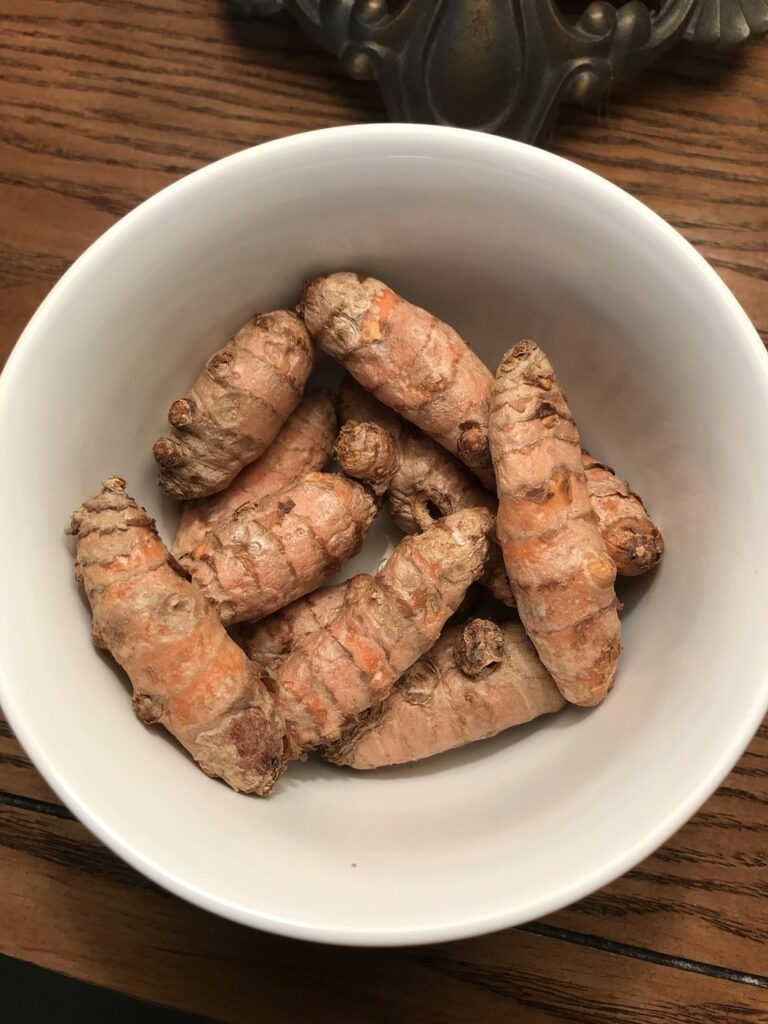
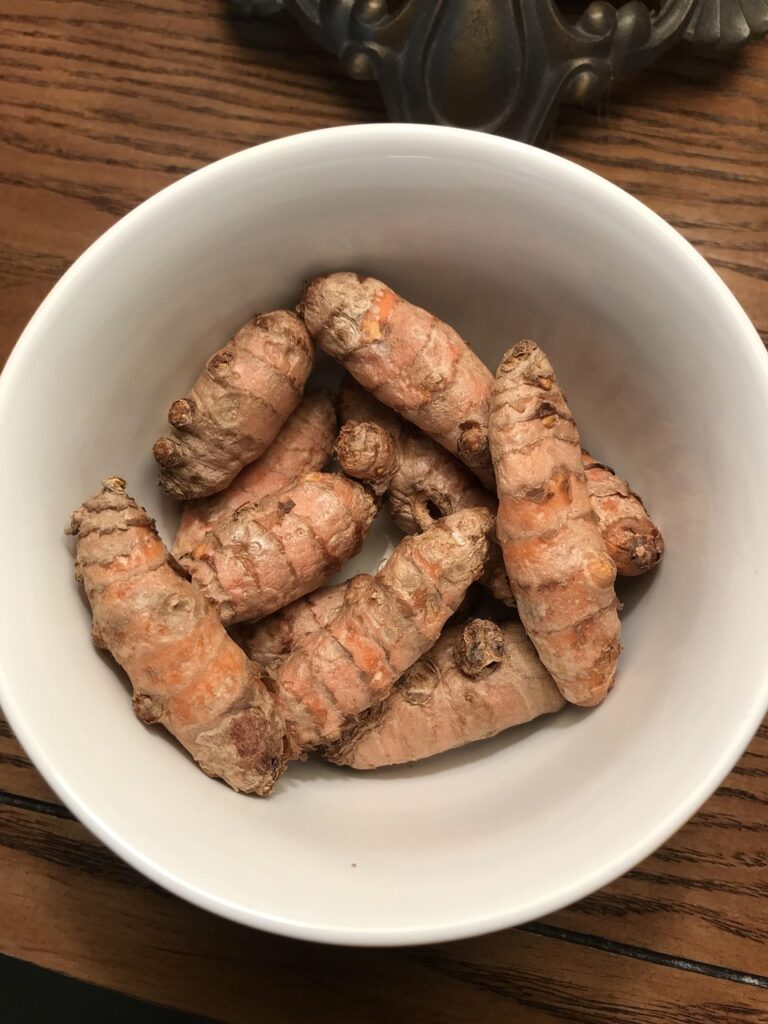
Turmeric (Curcuma longa) is more than just a splash of sunshine in your spice jar—it’s a plant with a history that winds through ancient healing traditions, sacred rituals, and kitchen tables across the world. For centuries, this golden root has been celebrated for its ability to nourish both body and spirit. Today, it’s finding its way into smoothies, skincare, and even lattes—but behind the trend lies a treasure trove of wisdom.

Let’s explore the story of turmeric, the ways it can enhance your health, and how you can begin using it in your own holistic lifestyle.

A Glimpse Into Turmeric’s Golden History

Turmeric’s roots stretch back over 4,000 years to the lush landscapes of India and Southeast Asia. It’s a member of the ginger family, thriving in warm, humid climates where its underground rhizomes develop their deep orange hue.

In India, turmeric was—and still is—a sacred plant in Ayurveda, the traditional system of medicine. Known as haridra in Sanskrit, it was used not just for physical healing but also in spiritual and ceremonial practices. Brides were often anointed with turmeric paste before weddings to promote radiant skin and bless their new life.

Turmeric made its way along the spice routes, reaching China, Africa, and eventually Europe. In many cultures, it symbolized prosperity, fertility, and protection. Its vibrant color also made it a prized natural dye for fabrics and foods.

The Healing Power of Curcumin

Turmeric’s magic lies largely in curcumin, its main active compound. Curcumin is what gives turmeric its golden glow and many of its medicinal benefits:

  • Anti-inflammatory support – Curcumin helps the body respond to inflammation, which is linked to joint pain, digestive issues, and chronic illness.
  • Antioxidant protection – It helps neutralize free radicals, protecting cells from damage and supporting healthy aging.
  • Digestive aid – Traditionally used to stimulate appetite, support liver health, and ease bloating.
  • Immune system support – Turmeric has been used to help the body’s natural defenses, especially during seasonal changes.
  • Mood and brain health – Early research suggests curcumin may support mood balance and cognitive function.

Ways to Use Turmeric in a Holistic Lifestyle

If you’re new to turmeric, think of it as a versatile wellness ally—you can work it into your kitchen, your self-care rituals, and even your natural home remedies. Here are some balanced, beginner-friendly ideas:

1. Golden Milk for Evening Calm

A traditional Ayurvedic drink, golden milk combines turmeric with warm milk (dairy or plant-based), a pinch of black pepper (which boosts curcumin absorption), and warming spices like cinnamon and ginger. Sip it before bed for a cozy, anti-inflammatory treat.

2. Add a Pinch to Your Cooking

Sprinkle turmeric into soups, curries, rice, roasted vegetables, or scrambled eggs. A little goes a long way, and pairing it with healthy fats (like coconut milk or olive oil) helps your body absorb its benefits.

3. Morning Smoothie Boost

Add ½ teaspoon of turmeric powder to your morning smoothie along with banana, pineapple, coconut milk, and a pinch of black pepper for a tropical anti-inflammatory boost.

4. Turmeric Face Mask

For glowing skin, mix turmeric with honey and yogurt into a paste, apply to your face for 10 minutes, and rinse. This can help reduce redness and brighten your complexion—just be mindful that turmeric can temporarily stain skin (and towels!).

5. Soothe Sore Muscles

Combine turmeric powder with warm coconut oil for a simple homemade massage balm. The anti-inflammatory properties may help ease muscle and joint discomfort after exercise or a long day.

6. Seasonal Immunity Tonic

Blend fresh turmeric root with ginger, lemon, honey, and water. Strain and store in the fridge for a quick immune-supporting shot during cold and flu season.

Tips for Beginners

If you’re just starting to use turmeric, here are a few things to keep in mind:

  • Start small – ¼ to ½ teaspoon daily is a great introduction. You can always increase as your body adjusts.
  • Pair with black pepper – Piperine, found in black pepper, can increase curcumin absorption by up to 2,000%.
  • Fresh or powdered – Both have benefits. Fresh root has a brighter flavor, while powdered turmeric is more shelf-stable and convenient.
  • Be mindful of stains – Turmeric can leave golden marks on counters, utensils, and clothes. Work carefully and wash surfaces right away.
  • Consult before supplementing – If you’re considering high-dose turmeric or curcumin supplements, check with a healthcare provider, especially if you’re on medication or pregnant.

Beyond the Physical

Holistic living reminds us that plants are more than their chemical compounds—they carry stories, traditions, and energies. Turmeric has long been considered a symbol of purification, protection, and prosperity. In many cultures, it’s used to anoint doorways, create sacred spaces, and invite good fortune. Adding turmeric to your life can be as much about connecting with that lineage as it is about physical wellness.

A Golden Invitation

Turmeric is a bridge between ancient tradition and modern wellness. It’s a reminder that simple, everyday ingredients can hold profound healing power—if we take the time to invite them into our lives.

Whether you’re whisking it into a golden latte, blending it into your favorite recipes, or crafting a self-care ritual around it, turmeric offers a warm, golden thread to weave through your holistic lifestyle.

Filed in: Body, Holistic Health, Intro to Herb Series, Joyful Living • by Hummingbirds & Lavender •

DIY Yarrow oil + 6 ways to use it

October 29, 2025

Yarrow Oil: A Timeless Herbal Remedy for Mind, Body & Spirit

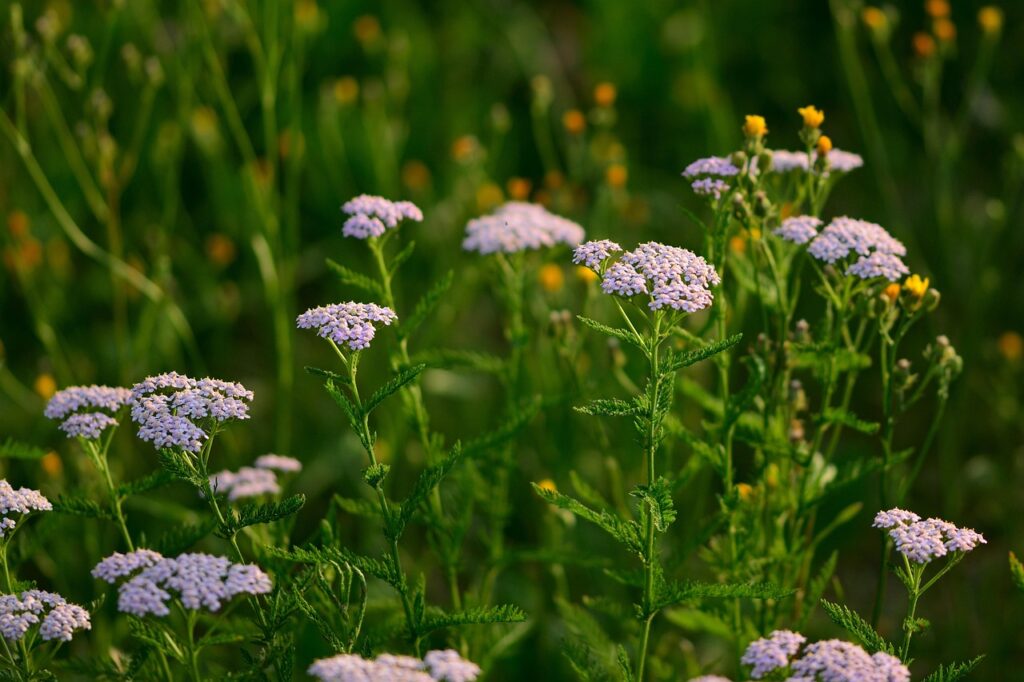
If you’ve ever strolled through a wild meadow in late summer, you may have spotted yarrow—its delicate white or soft pink flowers standing tall and feathery above the grass, swaying in the warm breeze. This humble wildflower (Achillea millefolium) has been treasured for centuries as a powerful healing herb, and one of the best ways to harness its benefits is through a gentle, fragrant yarrow-infused oil.

Today, we’re going to walk through how to make your own yarrow oil at home, and explore six beautiful ways you can incorporate it into your holistic health routine.

Why Yarrow Deserves a Place in Your Herbal Cabinet

Yarrow’s name hints at its long history—it’s said to be named after the Greek hero Achilles, who used it to tend to his soldiers’ wounds. Traditionally, yarrow has been valued for its:

  • Anti-inflammatory properties – soothing sore muscles, joint stiffness, and irritated skin.
  • Antimicrobial action – helping to keep minor scrapes, cuts, and bug bites clean.
  • Circulatory support – encouraging healthy blood flow and easing tension in the body.
  • Energetic uses – in folk traditions, yarrow was considered a plant of protection and boundaries, often carried as a talisman.

How to Make Yarrow Oil at Home

You’ll Need:

  • Fresh or dried yarrow flowers and leaves (organic and pesticide-free)
  • A clean, dry glass jar with a lid
  • A carrier oil of your choice (olive, sweet almond, jojoba, or sunflower oil work well)
  • Cheesecloth or fine mesh strainer
  • A dark glass bottle for storage

Instructions:

  1. Harvest or source your yarrow. If you’re picking it yourself, make sure it’s from a clean area away from roadways or chemical sprays. If using fresh yarrow, let it wilt for 12–24 hours to reduce moisture (this helps prevent mold).
  2. Fill your jar halfway with yarrow flowers and leaves.
  3. Pour in your carrier oil until the plant material is fully covered, leaving about an inch of space at the top.
  4. Infuse the oil:
    • Solar method: Place the jar in a sunny windowsill for 2–4 weeks, shaking gently every day.
    • Quick method: Gently heat the jar in a warm water bath for 2–3 hours, keeping the oil temperature under 120°F.
  5. Strain the oil through cheesecloth into a clean bowl, squeezing out every drop.
  6. Store in a dark glass bottle in a cool, dry place. Properly made, it can last 6–12 months.

6 Ways to Use Yarrow Oil for Holistic Wellness

  1. Soothe Skin Irritations
    Yarrow oil is a gentle friend for minor skin troubles—dab it onto bug bites, small cuts, or mild rashes to help calm redness and discomfort.
  2. Ease Sore Muscles & Joints
    Massage warmed yarrow oil into tight shoulders, aching knees, or overworked hands. Its anti-inflammatory qualities help bring relief after gardening, hiking, or long workdays.
  3. Menstrual Comfort Belly Rub
    Massage a little yarrow oil diluted with extra carrier oil onto your lower abdomen to help ease cramping and tension during your cycle.
  4. Foot Soak Booster
    Add a tablespoon of yarrow oil to a warm Epsom salt foot bath. This not only relaxes tired feet but also nourishes dry skin.
  5. Post-Sun Skin Nourishment
    After spending time in the sun, massage yarrow oil gently into skin to hydrate, cool, and restore.
  6. Energetic & Ritual Use
    In folk herbalism, yarrow is thought to create a sense of personal protection. Use yarrow oil as an anointing oil before meditation, rituals, or when you need a little extra emotional grounding.

Takeaway

Yarrow oil is a simple yet powerful herbal ally you can easily create at home. As with all natural remedies, do a patch test before using it widely, and avoid if pregnant or allergic to plants in the daisy family.

This little bottle of sunshine-and-meadow magic is more than just skincare—it’s a connection to an ancient tradition of self-care, one drop at a time.

Filed in: Holistic Health, Intro to Herb Series, Joyful Living • by Hummingbirds & Lavender •

Intro to Herbs – Chapter10 – Yarrow

October 22, 2025

The Wild Herb of Healing, Boundaries & Ancient Wisdom

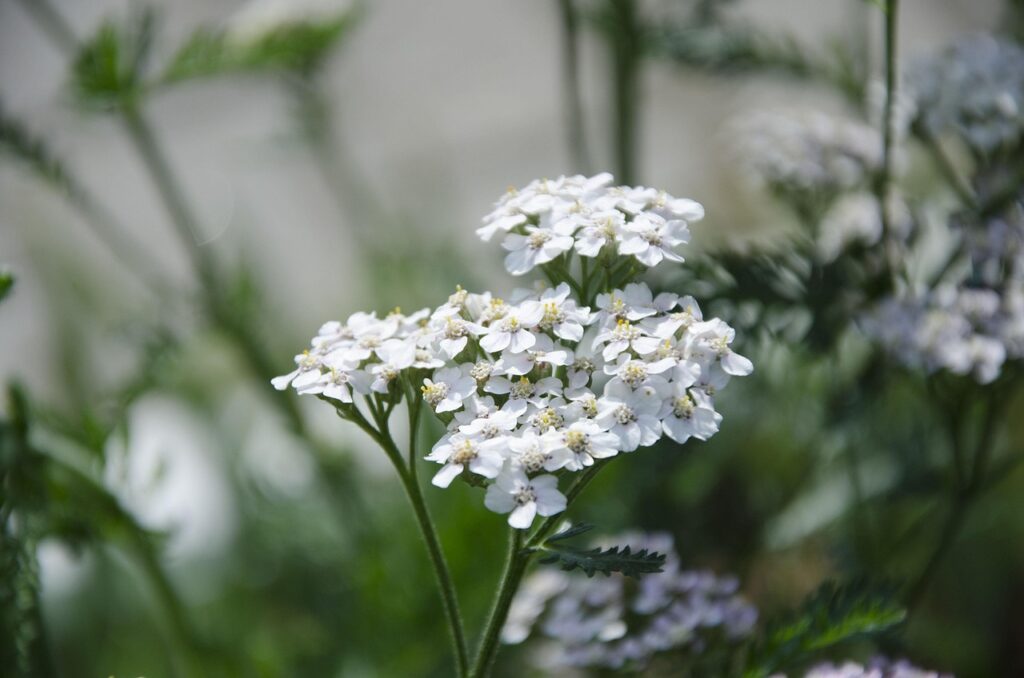
In the world of herbal medicine, some plants whisper… and some shout with their whole flower crown. Yarrow is definitely the latter. With its feathery leaves, clusters of tiny white (or soft pink) blooms, and bold history of warrior medicine and feminine wisdom, yarrow (Achillea millefolium) is the kind of herb that makes you stop and say, “Who are you and how do I work with your magic?”

And trust us—yarrow has a lot to offer. From wound healing to emotional boundaries to energetic protection, this ancient herb has traveled through centuries of healing traditions, always showing up when the body or spirit is in need of mending.

Let’s explore the wild beauty and practical medicine of yarrow—and how to use it in your natural health journey.

🌿 A Bit of Yarrow History: Warrior Plant, Goddess Ally

Yarrow has roots (literally and historically) that stretch way back. Its botanical name, Achillea, comes from the Greek hero Achilles, who is said to have used yarrow to treat his soldiers’ wounds during the Trojan War. The plant was prized for its ability to stop bleeding, reduce inflammation, and heal injuries—making it a battlefield favorite.

But yarrow’s medicine wasn’t only for war. In European folk traditions, yarrow was used in divination, protection spells, and love charms. Native American tribes also used it for fever relief, digestive issues, and as a poultice for wounds. In Chinese medicine, dried yarrow stalks are even used in the practice of I Ching divination.

Across cultures, yarrow has been honored for its physical healing powers and its ability to create energetic boundaries. It’s a protector, a soother, and a fierce little wildflower with centuries of stories woven into its stems.

🌼 Yarrow’s Medicinal Superpowers

So, why bring yarrow into your modern wellness routine? Because this herb covers a lot of ground. Here’s what it offers:

  • Antimicrobial & anti-inflammatory – Perfect for wounds, rashes, acne, and infections
  • Astringent & styptic – Helps tighten tissues and stop bleeding
  • Fever reducer – Promotes sweating and supports the body during colds and flu
  • Digestive support – Eases cramping, bloating, and sluggish digestion
  • Menstrual ally – Can balance cycles, ease heavy bleeding, and reduce cramps
  • Energetic protection – A go-to for herbalists who do energy work or intuitive healing

🪴 Parts of the Yarrow Plant & How to Use Them

The whole above-ground part of the yarrow plant is useful—leaves, flowers, and stems all carry medicinal compounds. While roots aren’t commonly used in herbal medicine, the aerial parts are like your own little herbal first-aid kit.

🌿 Leaves

Fresh or dried, yarrow leaves are astringent and antibacterial—great for the skin and wound care.

Use them for:

  • Poultices on cuts, scrapes, bug bites, and bruises
  • First-aid powder (dried and powdered) to stop bleeding
  • Herbal smoke blends for cleansing and protection rituals

🌸 Flowers

Yarrow flowers contain volatile oils and anti-inflammatory compounds. They’re lovely in teas, oils, and infused honeys.

Use them for:

  • Herbal teas to support digestion, reduce fever, and calm menstrual cramps
  • Facial steams to tone and detoxify the skin
  • Infused oils or salves for rashes, eczema, or topical healing
  • Hydrosols or floral mists for energetic boundaries

🌿 Stems

The stems are typically used with the flowers and leaves in full-plant preparations. They offer support and structure in infused blends.

Use them for:

  • Tinctures or decoctions when combining multiple parts of the plant
  • Dried bundles for smoke cleansing or decorative herbal arrangements

🧘‍♀️ 6 Nourishing Ways to Use Yarrow in Your Natural Routine

If you’re ready to invite yarrow into your herbal world, here are a few easy, beginner-friendly ways to do just that:

1. Yarrow Tea for Digestion & Fever Support

Steep 1–2 tsp of dried yarrow (flowers + leaves) in hot water for 10 minutes. Sip when you’re feeling bloated, crampy, or under the weather. Pair with elderflower and peppermint for cold and flu season magic.

2. Yarrow-Infused Oil for Skin Care

Fill a jar with dried yarrow flowers and cover with a carrier oil (like jojoba or olive oil). Let infuse for 4–6 weeks in a sunny window. Strain and use to make salves, or apply directly to dry, inflamed skin.

3. Yarrow Poultice for Minor Wounds

Chew or mash fresh yarrow leaves into a paste and apply to cuts or bites. This was the OG battlefield remedy for a reason—it helps stop bleeding and reduce swelling.

4. Yarrow Salve for Rashes & Acne

Combine yarrow-infused oil with beeswax and a few drops of lavender essential oil for a soothing balm. Great for eczema, chapped skin, or irritated blemishes.

5. Yarrow Floral Steam for Glow + Detox

Add dried yarrow flowers to a bowl of hot water, drape a towel over your head, and steam your face for 5–10 minutes. Perfect before bed for relaxation and skin love.

6. Energetic Protection Spray

Make a yarrow tea (or use a hydrosol), add a splash of witch hazel and a few drops of rosemary or lavender EO. Spritz your space—or your aura—when you need to clear energy or create strong boundaries.

🌕 A Note on Safety

Yarrow is generally safe for most folks, but those who are pregnant or allergic to plants in the Asteraceae family (like ragweed or chamomile) should be cautious. Always patch test new skincare items and consult a professional if you’re unsure.

🌼 In Closing: Wildflower Wisdom in Every Leaf

Yarrow is one of those plants that reminds us we don’t need to look far for healing. It grows in sidewalk cracks and open meadows, showing up exactly where we need support. She’s tough, tender, and wildly wise—just like the people drawn to her medicine.

Whether you’re brewing tea, tending wounds, or simply sitting with her in your garden, yarrow invites you to trust your body’s wisdom and create space for deep healing.

Curious about building your own herbal apothecary?
Subscribe to the Hummingbirds & Lavender newsletter for more beginner-friendly herbal profiles, DIY recipes, and soul-soothing seasonal rituals. 🌿✨

Filed in: Garden, Intro to Herb Series, Joyful Living • by Hummingbirds & Lavender •

Exploring the Spiritual Connection to Herbalism

October 15, 2025

The connection between plants, herbs, and spirituality is multifaceted, offering pathways for healing, growth, and connection to something greater than ourselves.

Whether through herbalism, plant-based rituals, or simply spending time in nature, we can tap into the profound wisdom and spiritual essence of the plant kingdom.

What is Spirituality

Spirituality encompasses a broad range of beliefs and practices centered on connecting with the divine, nature, and the inner self.

Many cultures throughout the world, practice spirituality through the customs and rituals they adhere to. For example in Hinduism, there’s a deep reverence for nature and a belief in the divine presence in all living beings. Practices such as Ayurveda, the traditional system of medicine, incorporate herbs and herbal remedies as integral components for physical and spiritual healing.

Likewise, Taoist spirituality is deeply rooted in harmony with nature and the cultivation of life energy or “Qi.” Herbalism plays a significant role in Taoist practices, with herbal remedies and elixirs believed to enhance physical vitality, promote longevity, and support spiritual development through balance and alignment with the Tao, or the natural way of the universe.

Spirituality is healthy

Spirituality and good health have been shown to have a direct link. Here are a few ways the practice of spirituality can improve your overall health and wellness.

Stress Reduction: Spiritual practices such as meditation, prayer, and mindfulness can lower stress levels by promoting relaxation and reducing the production of stress hormones like cortisol. Lower stress levels are associated with better overall health outcomes.

Improved Mental Health: Engaging in spiritual practices has been linked to lower rates of depression, anxiety, and substance abuse. Spiritual beliefs and practices can provide a framework for coping with difficult emotions and finding inner peace.

Enhanced Resilience: Spirituality provides individuals with a sense of purpose, meaning, and hope, which can increase resilience in the face of challenges and adversity. This resilience can buffer against the negative effects of stress and improve mental health.

Better Physical Health: Some studies suggest that spirituality is associated with better physical health outcomes, including lower blood pressure, improved immune function, and reduced risk of chronic diseases. This may be due in part to healthier lifestyle choices often associated with spiritual beliefs, such as regular exercise, healthy eating, and avoidance of harmful behaviors.

Supportive Communities: Many spiritual traditions involve belonging to a community or congregation, which can provide social support, a sense of belonging, and opportunities for meaningful connections. Strong social connections are associated with better mental and physical health outcomes.

Positive Coping Mechanisms: Spiritual beliefs and practices can provide individuals with coping mechanisms to deal with life’s challenges, such as forgiveness, acceptance, and gratitude. These positive coping strategies can improve psychological well-being and overall quality of life.

The Roots of Herbalism

Herbalism is the practice of utilizing plants and their extracts for medicinal, culinary, and spiritual purposes, drawing from traditional knowledge and modern scientific understanding.

Herbalism has deep historical roots in Ancient Egypt, where plants were extensively used for medicinal and religious purposes. Egyptian medical texts, such as the Ebers Papyrus and the Edwin Smith Papyrus, document the use of various herbs and botanical substances in treating ailments and promoting health.

Likewise, Traditional Chinese Medicine is a comprehensive system of healing that relies heavily on herbal remedies. TCM views health as a balance of opposing forces, such as yin and yang, and believes that illness results from imbalances in these forces. Herbal medicine, including the use of herbs like ginseng, licorice root, and astragalus, is used to restore balance and promote health in TCM.

In modern times, herbalism has seen a resurgence in popularity as part of alternative and holistic healthcare practices. Herbal remedies are increasingly utilized alongside conventional medicine to address a wide range of health concerns, from chronic conditions like arthritis and insomnia to supporting immune function and reducing stress. Integrative healthcare practitioners often combine traditional herbal knowledge with scientific research to create personalized treatment plans that promote overall wellness and balance.

Exploring the Spiritual Dimension of Herbs

The concept of plant spirits holds significant importance in herbalism, viewing plants as sentient beings with their own consciousness and energetic essence. Rituals and ceremonies involving herbs play a central role in many spiritual practices, serving as powerful tools for connecting with the divine and facilitating healing on physical, emotional, and spiritual levels. These rituals may include offerings, prayers, and sacred rites that honor the plant spirits and invoke their assistance in healing and transformation.

Shamans, medicine men, and healers in these cultures often communicate with plant spirits through rituals, meditation, or trance states to receive guidance, healing, and wisdom. For instance, in Native American cultures, the burning of sacred herbs like sage, cedar, and sweetgrass in smudging ceremonies is believed to purify the energy of a space and facilitate spiritual communication. Similarly, in Hindu rituals, offerings of flowers, herbs, and incense are made to deities as acts of devotion and reverence.

Moreover, the process of gathering, preparing, and using herbs is often infused with spiritual significance and ritualistic practices. In many cultures, harvesting herbs involves rituals to honor the plant and express gratitude for its healing properties. The preparation of herbal remedies may also involve prayers, blessings, or chants to infuse the medicine with spiritual energy and intention.

Spiritual Benefits of Herbalism

In our world of holistic healing, where the magic of herbs intertwines with spirituality, we uncover a profound synergy that transcends mere physical wellness. It’s a journey that invites us to dive deep into our bodies and the natural world, embracing a spiritual connection with every leaf and petal.

Through mindfulness and meditation, we immerse ourselves in the essence of herbalism, cultivating a heightened awareness of our surroundings and inner selves. It’s in this mindful state that we discover the transformative power of plants, experiencing moments of profound spiritual growth and connection.

But our journey doesn’t stop there. We infuse our herbal remedies with intention and energy, recognizing the vital role of our thoughts and vibrations in the healing process. Collaborating with spiritual practitioners, we blend diverse traditions and perspectives to create holistic healing modalities that honor the intricate dance of body, mind, and spirit.

In our world, herbalism isn’t just about physical healing—it’s a pathway to spiritual awakening and a deeper connection with the divine.

So let’s embark on this journey together, embracing the magic of herbs and the wisdom of the soul.

Comment below and tell me which herbal ally is your favorite. I would love to hear how you use them in your everyday practice.

And make sure to follow Hummingbirds & Lavender on Instagram and Pinterest to catch all the latest news and updates.

Until next time y’all!

Filed in: Joyful Living, Spirit • by Hummingbirds & Lavender •

Preserving 101- Herbal Abundance

September 24, 2025

6 Easy Ways to Preserve Fresh Garden Herbs All Year Long

There’s something downright magical about stepping into the garden and snipping a handful of herbs to toss into dinner, brew into tea, or blend into a soothing body oil. But what happens when your herb beds are bursting at the seams with basil, lemon balm, rosemary, and thyme—far more than you can use in a week?

That’s where the art of herbal preservation comes in. With a few simple techniques, you can bottle up the essence of summer and enjoy your herbal abundance long after the seasons shift.

Today, we’re sharing our favorite ways to preserve herbs for culinary, wellness, and self-care uses all year long. These methods are gentle, practical, and deeply rooted in slow, seasonal living.

🌾 1. Air Drying – The Classic Method

Perfect for hardy herbs like rosemary, thyme, oregano, and sage.

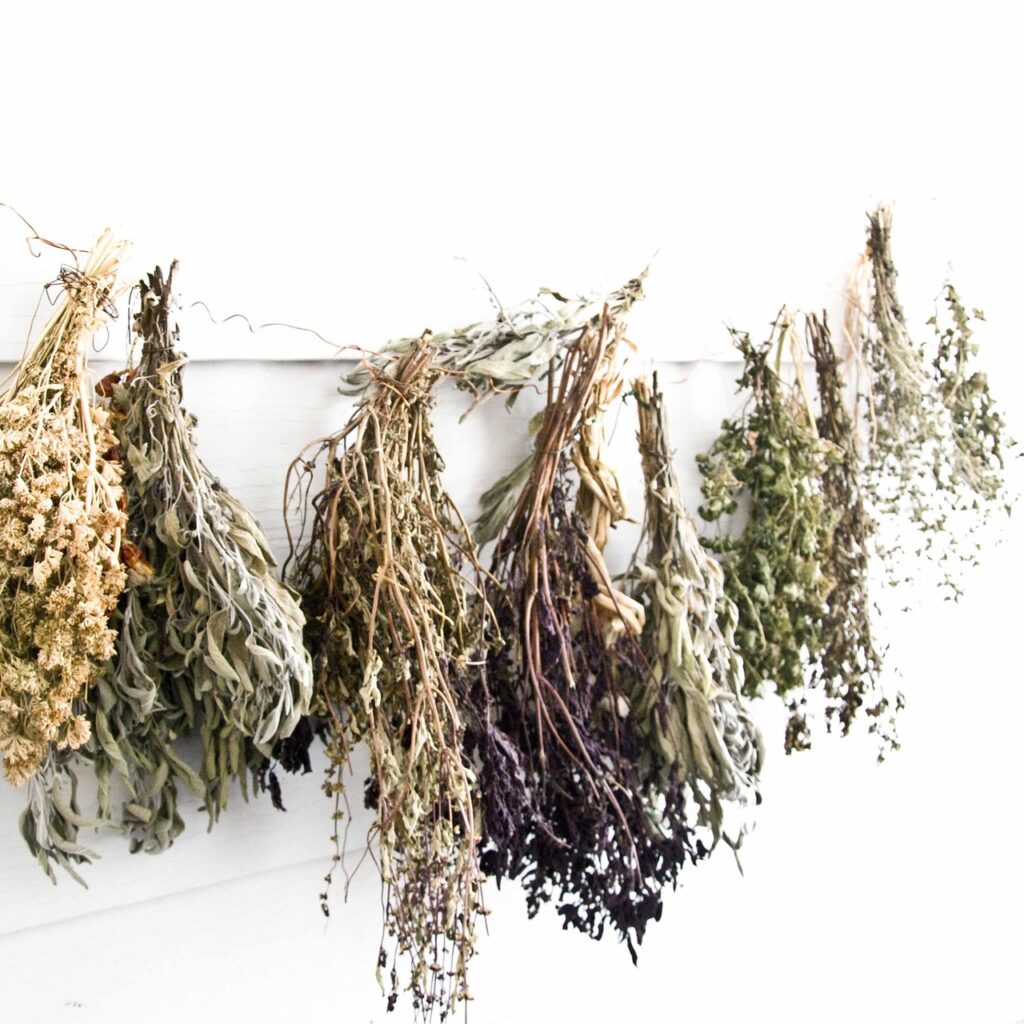
Bundle 5–10 stems together with twine or a rubber band and hang them upside down in a warm, dry space out of direct sunlight (like a pantry or linen closet). Once fully dry and crumbly, remove the leaves from stems, store in glass jars, and label with the harvest date.

Use for: Tea blends, seasoning mixes, infused oils, and bath soaks.

❄️ 2. Freezing – Fresh Flavor Preserved

Delicate herbs like basil, dill, cilantro, and parsley don’t dry as well, but they freeze beautifully.

Chop them and pack into ice cube trays, then fill with olive oil or water and freeze. Pop the cubes into a labeled freezer bag and use them throughout the year.

Use for: Soups, stews, sautés, or blended dressings.

🧄 3. Herb-Infused Oils

Aromatic herbs like rosemary, basil, and thyme make beautiful culinary or body care oils.

For a quick version, gently heat your herbs in olive oil (don’t boil!) and strain after 30 minutes. For a slower, more traditional method, cover herbs in oil and let them steep in a sunny window for 2–4 weeks, shaking daily.

Use for: Massage oils, salad dressings, hair and scalp treatments, or herbal salves.

Note: For safety, always store herb oils in the fridge and use within 1–2 weeks unless properly dried and shelf-stable.

🍯 4. Herbal Honey

Infusing honey with fresh herbs is a delicious way to preserve flavor and healing properties.

Gently bruise fresh herbs like lavender, mint, or lemon balm and cover them with raw local honey in a clean glass jar. Let it sit for 2–4 weeks, then strain. The result? A sweet, herbal elixir.

Use for: Soothing tea sweeteners, skin masks, sore throat remedies, or drizzled on toast.

🧂 5. Herbal Salts + Sugars

Blend dried herbs into sea salt or organic cane sugar for a simple, shelf-stable way to flavor food and drinks.

Try rosemary salt, lavender sugar, or a basil-garlic salt blend. Store in small jars and sprinkle into recipes—or gift to fellow herb lovers.

Use for: Seasoning veggies, rimmed cocktail glasses, or baking.

🍋 6. Herbal Vinegars

Steep fresh or dried herbs in raw apple cider vinegar for a tangy, botanical tonic. Fill a glass jar ¾ full with herbs, then pour in vinegar to cover. Let it infuse for 2–4 weeks, then strain and store in a cool, dark place.

Use for: Salad dressings, hair rinses, fire cider, or gut-friendly tonics.

🌙 Slow Living Tip:

Preserving herbs isn’t just about storage—it’s a ritual. Light a candle, turn on your favorite playlist, and make it a moment of mindfulness. These simple acts of care connect us to the earth, the seasons, and ourselves.

Final Thoughts

Whether you grow a balcony garden or a full herb spiral, preserving your herbs lets you carry a little summer into every season. With each jar you fill and tincture you bottle, you’re creating a pantry—and a lifestyle—that honors the beauty of abundance and the wisdom of simplicity.

Happy harvesting, friends. 🌿✨

Filed in: Garden, Healthy Recipes, Joyful Living • by Hummingbirds & Lavender •

Autumn Equinox Self-Care

September 17, 2025

7 Rituals to Ground, Nourish, and Reset

As the golden light of autumn stretches longer across the fields and the air grows just a little crisper, we arrive at a beautiful threshold in the wheel of the year: the Autumn Equinox.

Also known as Mabon in pagan tradition, this seasonal pause marks a time of perfect balance—where day and night meet as equals before the darker half of the year begins. It’s a powerful invitation to turn inward, honor what we’ve harvested (in the garden and in life), and prepare ourselves—gently—for the slower rhythm ahead.

Autumn self-care is less about doing more and more about softening, grounding, and reconnecting with what truly nourishes us. Below are seven simple yet soul-filled self-care rituals to help you align with the season.

1. 🍵 Sip Grounding Herbal Teas

Autumn invites us to cozy up with herbal blends that warm the body and calm the mind. Choose herbs that support digestion, immunity, and inner stillness—think chamomile, ginger, cinnamon, elderberry, sage, lemon balm, or rosemary.

Create a personal tea ritual: steep slowly, sip intentionally, and maybe even journal while the steam curls around your fingers.

2. 🌰 Practice a Gratitude Harvest

Take time to reflect on what this season has brought you—whether it’s personal growth, a creative project, or simply the courage to rest. Write down three things you’re proud of and three things you’re grateful for.

This ritual can become your emotional harvest—one that grounds you before winter’s stillness.

3. 🛁 Take an Herbal Bath for Renewal

Soak in the magic of the season with an intentional autumn bath. Add Epsom salts, dried calendula or chamomile, rosemary sprigs, and a few drops of clove or frankincense essential oil to warm water. Light a few candles and let the water hold what you no longer need to carry.

Let it be a mini-release ceremony—one where your body and spirit are both invited to exhale.

4. 🍂 Connect with Nature’s Rhythms

Spend time outdoors—whether it’s a quiet walk under rustling trees or a barefoot moment in your backyard. Collect acorns, fallen leaves, or dried herbs. Notice what’s fading and what’s still vibrant.

Grounding your energy in the natural world reminds you that change is not just inevitable—it’s beautiful.

5. ✨ Oil Your Skin with Intention

In many ancient healing traditions, self-massage with warm oil is a fall ritual that protects the body and soothes the nervous system. Warm a bit of herb-infused oil (like rosemary, calendula, or lemon balm) and gently massage into your skin before bed or after a bath.

As you do, silently offer kindness to each part of your body—and let it become an act of sacred self-devotion.

6. 🕯 Create a Seasonal Sacred Space

Even a small shelf or corner can become an autumn altar. Add symbols of the season—dried herbs, mini pumpkins, candles, cinnamon sticks, or a photo that feels like “home.”

This can be a space to meditate, reflect, or simply breathe. Let it remind you of the stillness within the shift.

7. 📓 Align Your Intentions with the Season

The Autumn Equinox is a natural pivot point. Journal on questions like:

  • What am I ready to let go of?
  • What do I need more of to feel nourished?
  • What lessons did this past season bring?

Use this as an energetic reset—one that makes space for clarity and gentler rhythms in the coming months.

Final Thoughts 🍁

The beauty of autumn lies in its quiet transition—the hush before the winter, the turning of the leaves, the pull toward home, within and without. Let this season be your invitation to slow down, gather what’s essential, and nourish yourself deeply.

May your autumn be filled with warmth, wonder, and the kind of rest that grows wild things in the spring.

Filed in: Holistic Health • by Hummingbirds & Lavender •

7 Nourishing Ways to Use Echinacea in Your Natural Wellness Journey

September 10, 2025

From Immune Love to Skin Glow, This Herb Has Your Back

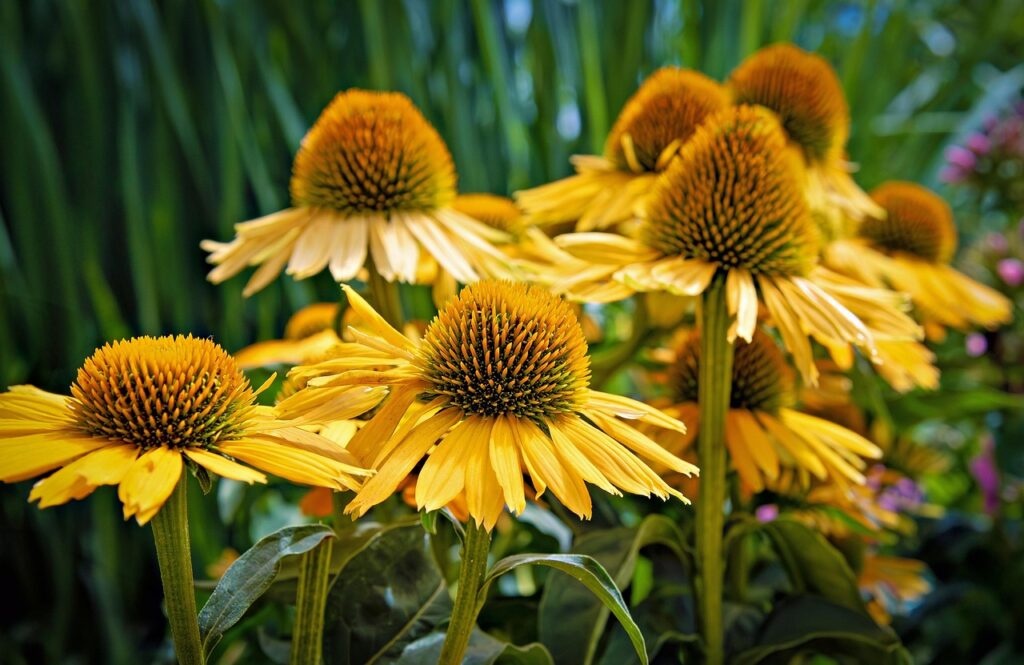
If you’re walking the slow and soulful path of natural wellness, Echinacea is one of those herbs that belongs in your apothecary toolkit. Most often known for its immune-boosting reputation, this bold, spiky flower has so much more to offer—especially when it comes to holistic beauty, skin care, and deep body support. Think of it as your vibrant, purple-petaled ally for seasonal health, skin healing, and ritual self-care.

Let’s explore 7 beautiful ways to work with Echinacea to nourish your body, calm your skin, and elevate your daily rituals.

1. Immune-Boosting Tincture (for when you’re feeling run-down)

When you feel that scratch in your throat or that heavy, tired fog setting in, reach for an Echinacea tincture. Made by steeping the plant’s roots or aerial parts in high-proof alcohol, tinctures are a potent, fast-acting way to support your immune system at the very first signs of illness.

Try this: Take a dropperful every 2–3 hours at the onset of cold or flu symptoms. Best used short-term for acute support, not as a daily supplement.

2. Healing Herbal Tea (for gentle, daily support)

Want a softer, more nurturing way to work with Echinacea? A warm cup of herbal tea made with the dried leaves and flowers is perfect for immune maintenance during the colder months, or anytime your body needs a little TLC.

Blend it with: Lemon balm, elderflower, or peppermint for added flavor and extra herbal support.

3. Soothing Skin Salve (for bites, rashes, and minor wounds)

Echinacea is naturally antimicrobial and anti-inflammatory, making it a wonderful addition to herbal salves for skin healing. Infuse dried Echinacea root into olive or jojoba oil, then blend with beeswax to create a soothing balm for cuts, scrapes, bug bites, and even acne flare-ups.

Pro tip: Pair with calendula or plantain leaf for a skin-soothing powerhouse.

4. Facial Steam (for clear skin and calm energy)

Facial steams are an underrated beauty ritual. Add dried Echinacea flowers to a bowl of hot water, lean over with a towel draped around your head, and breathe in the herbal goodness. This gentle detox supports lymphatic flow and opens pores while grounding your spirit.

Bonus: Add lavender and chamomile for a dreamy, calming experience.

5. Echinacea-Infused Honey (for sore throats + radiant skin)

This is one of our favorite double-duty remedies. Infuse dried Echinacea flowers in raw honey for a few weeks, then use it as an immune-soothing spoonful during sore throat season—or apply it as a natural face mask to hydrate and clarify your skin.

Skin tip: Leave the honey mask on for 10–15 minutes for a dewy, soft glow.

6. Botanical Bath Soak (for immune and skin wellness)

Think of this as herbal therapy in the tub. Echinacea’s anti-inflammatory and lymph-moving properties make it a wonderful herb for soaking. Add a handful of dried flowers and leaves to a muslin bag or tea infuser, then steep in your bathwater. It’s like an herbal hug for your whole body.

Elevate the ritual: Add Epsom salts, rose petals, and a few drops of lavender oil.

7. Homemade Herbal Face Toner (for blemish-prone or sensitive skin)

Thanks to its antimicrobial and soothing qualities, Echinacea can be brewed into a strong tea and used as a base for a natural facial toner. Store in a glass spray bottle in the fridge and spritz after cleansing to reduce redness, irritation, and breakouts.

Optional add-ins: Witch hazel for astringency, rose water for hydration.

Bringing It All Together…

Echinacea is more than a one-trick herbal pony. She’s vibrant, strong, and incredibly versatile—just like you. Whether you’re sipping a warm tea, steaming your skin, or crafting a jar of infused honey, each little ritual is an act of self-love rooted in ancestral wisdom.

Let this plant be a reminder that your natural wellness journey doesn’t have to be complicated. It can start with a bloom, a breath, and a moment to care for yourself.

Want to dive deeper into herbal living?
Join the Hummingbirds & Lavender newsletter for seasonal herbal tips, DIY recipes, and slow-living rituals sent straight to your inbox. 🌿✨ Let’s grow this wellness garden together—one plant at a time.

Filed in: Clean Beauty, Garden, Healthy Recipes, Holistic Health, Intro to Herb Series, Joyful Living • by Hummingbirds & Lavender •

  • 1
  • 2
  • 3
  • …
  • 6
  • Next Page »
Hey, yall! I'm Ashley, creator of Hummingbirds & Lavender, and I just wanted to say welcome and thanks for stopping by. This is just a place for me to document my story of raising my family, being a botanical entrepreneur, and living the best life I can possibly create. Thanks for being a part of the journey with me.

Follow Along on social media

  • Instagram
  • Pinterest

Search The Blog

Categories

  • About me
  • Astrology
  • Body
  • botanical dye
  • Clean Beauty
  • Garden
  • Healthy Recipes
  • Holistic Health
  • Home Decor & DIY
  • Intro to Herb Series
  • Joyful Living
  • Mind
  • Spirit
  • Sustainable Fashion
  • Uncategorized

Popular Posts

Ancestral Herbalism

Healing Your Gut Naturally

Copyright © 2026 · Theme by Blog Pixie