• Holistic Health
    • Mind
    • Body
      • movement
    • Spirit
      • Astrology
  • Joyful Living
    • Home Decor & DIY
    • Sustainable Fashion
    • Clean Beauty
    • Garden
      • Intro to Herbs Series
  • About me
    • Who is Hummingbirds and Lavender?
  • Follow

    • Etsy
    • Instagram
    • Pinterest
    • YouTube

Hummingbirds and Lavender

Holistic, Sustainable, Intentional

Botanical Art Therapy: 5 Ways to Begin Your Own Creative Journey

April 9, 2025

A Gentle Invitation to Create with Nature

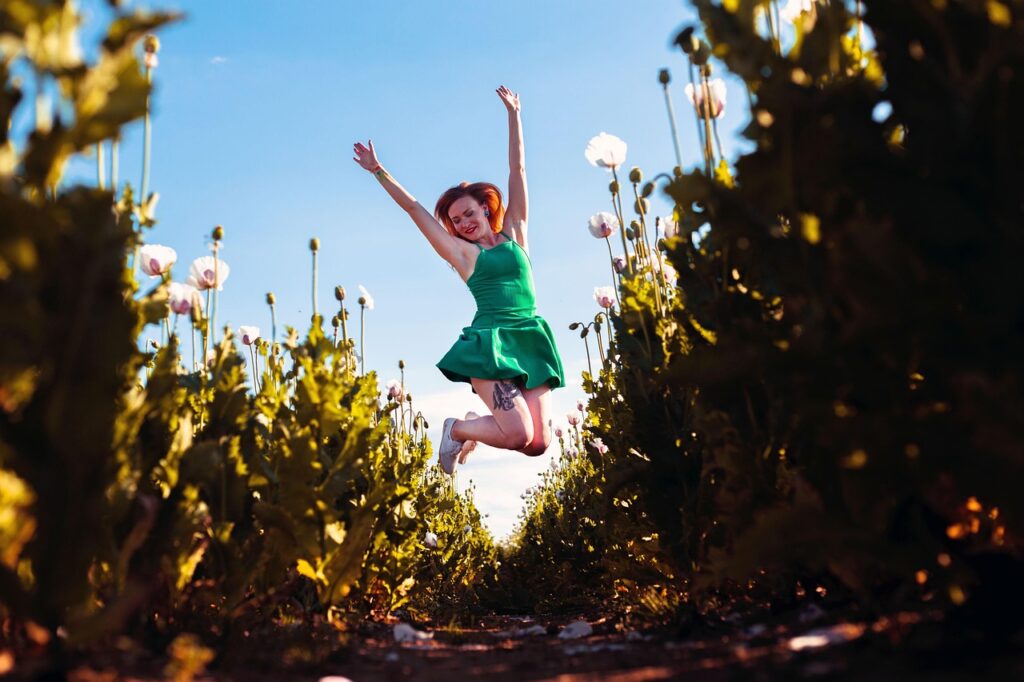
There’s something undeniably soothing about immersing yourself in nature. The quiet rustle of leaves, the soft fragrance of flowers, the grounding presence of trees—it all has a way of settling the soul. Now, imagine weaving that same tranquility into your creative process. That’s the essence of botanical art therapy: a heartfelt fusion of nature’s calming energy and the healing magic of artistic expression. As more people turn to creative practices for emotional well-being, botanical art therapy is emerging as a beautiful, accessible way to nurture both the heart and mind.
What is Botanical Art Therapy?

At its core, botanical art therapy is about creating art inspired by plants, flowers, and the organic patterns of the natural world. There’s no pressure to be perfect, no rigid techniques to master—just an open space where you can explore, play, and let nature guide your hand. Nature has long been celebrated for its ability to ease stress and uplift the spirit, while art therapy allows for deep emotional expression and self-discovery. When these two come together, they offer a gentle path to mindfulness, healing, and self-connection.

Bringing elements of the natural world into your creative practice invites a sense of presence. Whether you’re sketching the delicate veins of a leaf or arranging petals into a mandala, you’re allowing yourself to slow down, breathe deeply, and be fully in the moment. It’s a practice that not only soothes the nervous system but also nurtures a profound sense of connection—to the earth, to creativity, and to yourself.

The Gentle Gifts of Botanical Art Therapy

There’s something deeply comforting about translating the beauty of nature into art. Through this practice, we give ourselves permission to explore emotions that might otherwise feel too heavy to carry alone. A simple sketch of a flower can hold unspoken emotions; a watercolor wash can express what words sometimes cannot.

Beyond emotional release, botanical art therapy has a way of quieting the noise of everyday life. The act of creating with nature-inspired elements invites a sense of calm, easing tension and bringing clarity to the mind. It’s a practice of presence, a way to anchor yourself when the world feels a bit too fast-paced. And perhaps most beautifully, it deepens our relationship with the natural world, reminding us that we, too, are part of its ever-changing, imperfect beauty.

Bringing Botanical Art Therapy into Your Life

Creating a space for botanical art therapy in your daily life doesn’t have to be complicated. Start by setting up a cozy, inspiring corner with a few natural elements—maybe a potted plant, a bundle of dried lavender, or even a favorite nature-inspired print. Gather simple materials like a sketchbook, watercolors, or even pressed flowers, and let your creativity unfold in its own time.

Most importantly, release any expectations of perfection. This isn’t about creating “frame-worthy” art—it’s about the process, the feeling, the quiet moments of self-care. Try beginning with a soft, meditative breath before picking up your pencil or brush, allowing yourself to sink fully into the experience. Maybe you start with a simple leaf sketch, or perhaps you let colors flow freely in a watercolor wash, capturing the essence of a flower without worrying about exact lines. The beauty of this practice is that it welcomes all levels of experience—it’s about feeling, not performing.

Ideas to Get You Started

If you’re wondering where to begin, try starting small. Maybe you take a slow nature walk and gather inspiration from the colors and textures around you. A simple sketch of a favorite plant, the delicate arrangement of petals into a mandala, or the preservation of a pressed flower in a journal—each of these small acts can become a sacred ritual of self-expression. Some days, your art may be detailed and intricate; other days, it may be nothing more than a splash of color that mirrors your emotions. And that’s more than enough.

5 Ways to Start Your Own Personal Botanical Art Therapy Journey:

  1. Botanical Drawing or Sketching: Observe plants and sketch them, focusing on their shapes, colors, and patterns. Use this as a mindfulness practice to immerse yourself in the present moment.
  2. Creating Nature Mandalas: Gather natural elements like leaves and twigs to create a mandala, symbolizing balance and unity. Enjoy the soothing, repetitive act of arranging nature’s materials.
  3. Pressed Flower Art: Collect flowers and herbs, press them, and create framed art or greeting cards. This process connects you with nature’s cycles and preserves its fleeting beauty.
  4. Watercolor Botanical Painting: Explore watercolor painting to capture the beauty of plants and landscapes. Let the fluid medium reflect your emotions and the natural flow of your feelings.
  5. Mindful Nature Journaling: Combine botanical sketches with written reflections on your outdoor experiences and the emotions nature evokes. This practice blends creative expression with introspection.

Embracing Botanical Art Therapy as a Ritual

Like anything worth nurturing, botanical art therapy thrives when given time and space in your routine. Whether it’s a weekly art session, a few mindful doodles in your planner, or even a moment of quiet observation in your garden, it’s all part of the practice. The key is to let it feel natural and nourishing—something you turn to, not out of obligation, but out of a desire to slow down, reconnect, and create from a place of ease.

At its heart, this practice is about embracing imperfection and celebrating the beauty in the small, fleeting moments.

So, if you’re feeling called to explore, pick up that sketchbook, gather a few leaves, and let nature and creativity guide you.

And remember—there’s no right or wrong way to begin. Just start, and let yourself bloom. 🌿

Filed in: Body, Holistic Health, Mind, Spirit • by Hummingbirds & Lavender •

Healing Your Inner Child: 6 Gentle Ways to Nurture Yourself Every Day

April 2, 2025

We all carry within us a younger version of ourselves—the inner child—who holds our earliest memories, emotions, and unmet needs. In adulthood, this part of us continues to influence our behaviors, relationships, and sense of self-worth. Healing your inner child is a deeply nurturing process that fosters emotional resilience, joy, and a deeper connection with yourself. By embracing small, intentional acts of care each day, you can begin to restore a sense of safety, love, and playfulness within.

Understanding Your Inner Child

Your inner child is the part of you that still carries both the lightness of childhood joy and the weight of past wounds. Early experiences, whether nurturing or painful, shape the way we see the world and interact with others. If you find yourself struggling with self-criticism, fear of abandonment, perfectionism, difficulty trusting others, or feeling unworthy, your inner child may be seeking healing.

6 Everyday Practices to Heal Your Inner Child

1. Self-Compassion as a Daily Ritual

  • Speak to yourself as you would to a beloved child—gently, kindly, and with encouragement.
  • When self-doubt arises, reframe your inner dialogue with affirmations like, “I am worthy of love and kindness.”
  • Start each morning by writing yourself a love note, reminding yourself that you are enough just as you are.

2. Engage in Play & Creativity

  • Reconnect with childhood joys: color in a sketchbook, dance in your living room, bake cookies, or spend time in nature.
  • Release productivity guilt—play is an essential form of healing and self-expression.
  • Try incorporating small, joyful activities into your daily routine, even if it’s just for five minutes.

3. Inner Child Journaling

  • Journaling can be a powerful way to listen to your inner child’s voice. Try these prompts:
    • “What did I love as a child?”
    • “What is my inner child afraid of?”
    • “How can I reassure and nurture myself today?”
  • Write a letter to your inner child, offering them the love and safety they may have longed for.

4. Mindful Comfort Through Sensory Care

  • Wrap yourself in a cozy blanket, sip a warm cup of tea, or light a candle with a nostalgic scent.
  • Engage in sensory experiences that bring comfort—soft textures, calming scents, soothing music.
  • Gentle self-soothing is a powerful act of reparenting and emotional regulation.

5. Set Healthy Boundaries with Love

  • Learning to say no without guilt is a fundamental part of healing.
  • Recognize when you’re acting from a place of childhood wounds (people-pleasing, fearing rejection).
  • Use affirmations like, “My needs matter,” and “I honor my boundaries with love and confidence.”

6. Re-Parent Yourself with Small Acts of Kindness

  • Treat yourself the way you wish you had been cared for as a child.
  • Plan a special solo date—buy yourself ice cream, visit a bookstore, or have a quiet picnic at the park.
  • Allow yourself to rest and receive love without needing to “earn” it.

Healing your inner child is not a destination but a lifelong, gentle journey. With patience, kindness, and small, consistent acts of self-care, you can create a loving inner world where all parts of you feel seen, valued, and nurtured.

What are your favorite ways to connect with your inner child? Share in the comments below—we’d love to hear your thoughts! 💖

Filed in: Body, Holistic Health, Mind, Spirit • by Hummingbirds & Lavender •

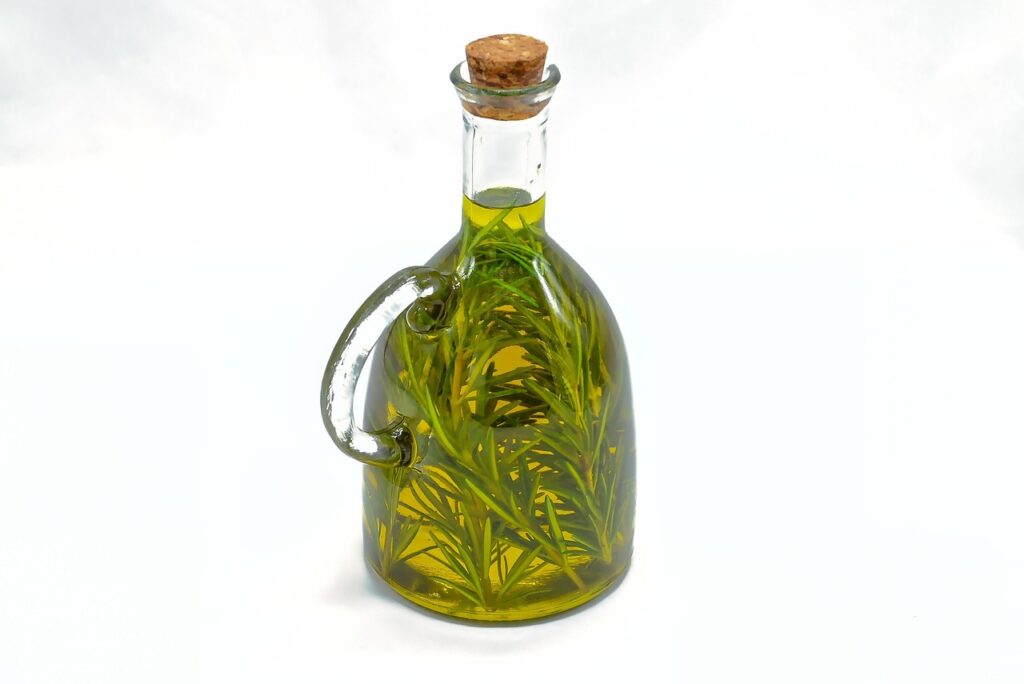
DIY Rosemary Oil + 7 Ways to Use it

March 26, 2025

A Versatile Infusion for Mind, Body & Home 🌿✨

Rosemary has long been treasured for its aromatic, medicinal, and culinary benefits. Infusing rosemary into oil is a simple yet powerful way to capture its essence and enjoy its many uses in daily life. Whether you’re looking to nourish your hair, soothe sore muscles, or enhance your skincare routine, DIY rosemary oil is a must-have in any holistic wellness collection. In this guide, we’ll walk you through the process of making rosemary oil and explore seven ways to incorporate it into your rituals. 🌱💆‍♀️

How to Make DIY Rosemary Oil

Creating your own rosemary-infused oil is a rewarding and easy process. Here’s what you’ll need:

Ingredients:

  • 1 cup fresh rosemary (or ½ cup dried rosemary) 🌿
  • 1 cup carrier oil (such as olive oil, coconut oil, jojoba oil, or sweet almond oil) 🫒🥥
  • A clean, dry glass jar with a lid
  • A strainer or cheesecloth
  • A dark glass bottle for storage (optional)

Instructions:

  1. If using fresh rosemary, wash and thoroughly dry the sprigs to prevent moisture from causing mold.
  2. Lightly crush or bruise the rosemary leaves to release their natural oils. 🌱
  3. Place the rosemary in your clean glass jar and pour the carrier oil over it, ensuring the herb is fully submerged.
  4. Seal the jar and store it in a warm, sunny spot for 1-2 weeks, shaking it gently every day to encourage infusion. ☀️
  5. After the infusion period, strain the oil using a fine strainer or cheesecloth, discarding the rosemary.
  6. Transfer the infused oil to a clean, dark glass bottle for longer shelf life. 🌿
  7. Store in a cool, dark place, where it will keep for up to six months.

Seven Ways to Use Rosemary Oil

  1. Nourish & Strengthen Hair 💆‍♀️
    Rosemary oil is known for promoting hair growth, improving scalp health, and reducing dandruff. Massage a few drops into your scalp before showering, or mix it with your shampoo for an extra boost of nourishment.
  2. Soothe Sore Muscles & Joints 🏋️‍♂️
    Thanks to its anti-inflammatory properties, rosemary oil makes an excellent massage oil for relieving muscle tension and joint discomfort. Blend it with a carrier oil and rub onto sore areas after exercise or a long day.
  3. Boost Skincare with Antioxidant Power 🌿✨
    Rosemary oil is rich in antioxidants, making it a fantastic addition to facial oils, serums, and body lotions. Mix a few drops into your favorite moisturizer to help reduce puffiness and improve circulation.
  4. Enhance Mental Clarity & Focus 🧘‍♀️
    The invigorating scent of rosemary can help sharpen focus and reduce mental fatigue. Add a few drops to a diffuser or inhale directly from the bottle during study sessions or meditation.
  5. Create a Natural Insect Repellent 🦟🚫
    Rosemary’s strong herbal scent naturally repels mosquitoes and other pests. Blend rosemary oil with water and witch hazel in a spray bottle for an all-natural bug repellent.
  6. Revitalize Bath & Body Rituals 🛁
    Elevate your self-care routine by adding rosemary oil to bath water for a soothing soak. It also pairs beautifully with Epsom salts for a detoxifying and relaxing bath experience.
  7. Infuse Homemade Cleaning Products 🏡
    Rosemary’s antibacterial properties make it a great addition to DIY cleaning sprays. Mix rosemary oil with vinegar and water for a fresh-smelling, non-toxic cleaner that disinfects naturally.


Making your own rosemary oil is a simple yet rewarding way to harness the many benefits of this cherished herb. Whether you’re using it for hair care, relaxation, or even home cleaning, this versatile infusion is a staple for any holistic lifestyle.

Have you tried making rosemary oil before? Share your favorite ways to use it in the comments below! 🌿💚

Filed in: Clean Beauty, Garden, Healthy Recipes, Holistic Health, Joyful Living • by Hummingbirds & Lavender •

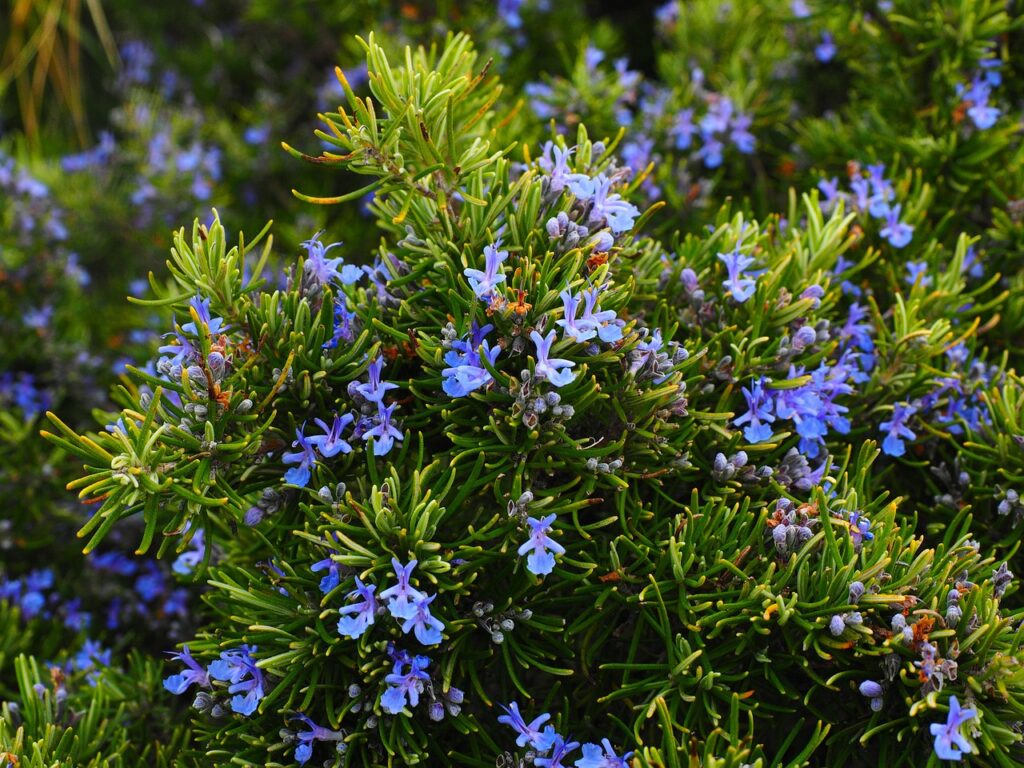
Intro to Herbs-Chapter 3-Rosemary

March 12, 2025

Rosemary- An Herb of Many Uses

There’s something undeniably enchanting about rosemary. With its rich history, invigorating aroma, and impressive healing properties, this evergreen herb has been cherished for centuries. More than just a culinary favorite, rosemary has long been used to support wellness, enhance spiritual practices, and uplift the spirit. In this installment of our “Intro to Herbs” series, we’ll explore the story of rosemary, its many benefits, and simple ways to invite its magic into your daily life.

A Timeless History: Rosemary’s Medicinal & Spiritual Significance

Throughout history, rosemary has been a symbol of remembrance, protection, and vitality. The ancient Egyptians used it in burial rites, believing its essence would guide souls to the afterlife. The Greeks and Romans recognized its ability to sharpen the mind, often adorning scholars and students with rosemary crowns to enhance memory and focus.

In medieval Europe, rosemary was a trusted companion in homes and sickrooms, burned as incense to ward off illness and negative energy. Herbalists valued it for its antimicrobial properties, using it to aid digestion, stimulate circulation, and support respiratory health.

Beyond its medicinal uses, rosemary has held a special place in spiritual and energetic traditions. It has been woven into wedding bouquets for fidelity, placed under pillows to encourage dreams, and used in purification rituals to cleanse spaces of stagnant energy. Today, it remains a beloved ally for holistic well-being and sacred self-care.

Five Simple Ways to Welcome Rosemary into Your Daily Rituals

  • Awaken the Mind with Rosemary Aromatherapy
    The scent of rosemary is crisp, uplifting, and deeply clarifying. Diffusing rosemary essential oil or simply inhaling its fragrance can enhance focus, improve memory, and banish mental fatigue. Try keeping a small rosemary sprig on your desk or dabbing diluted rosemary oil onto your pulse points when you need a boost of clarity and motivation.
  • Nourish Your Hair with a Rosemary Infusion
    Rosemary is a powerhouse when it comes to hair health. It stimulates the scalp, promotes hair growth, and helps combat dandruff. Create a simple rosemary hair rinse by steeping fresh or dried rosemary sprigs in hot water, letting it cool, and using it as a final rinse after shampooing. This natural tonic will leave your scalp refreshed and your hair strengthened.
  • Savor the Flavor & Benefits in Everyday Meals
    Rosemary’s earthy, slightly piney flavor makes it a wonderful addition to a variety of dishes. Infuse olive oil with rosemary for a fragrant drizzle, sprinkle chopped rosemary into roasted vegetables, or add a sprig to soups and stews for a warm, aromatic touch. Not only does it enhance flavor, but it also offers antioxidants and digestive support.
  • Sip Rosemary Tea for Digestive & Immune Support
    A cup of rosemary tea is a simple yet powerful way to enjoy its benefits. Steep a teaspoon of dried rosemary leaves (or a fresh sprig) in hot water for 10 minutes. This soothing infusion aids digestion, boosts circulation and provides immune support. Enjoy it in the morning for gentle stimulation or after meals to ease bloating and discomfort.
  • Cleanse & Protect with Rosemary Smoke or Bath Rituals
    For centuries, rosemary has been used to clear stagnant energy and invite protection. Burn dried rosemary as you would sage to cleanse your home, or add a handful of rosemary to a warm bath to release tension and restore balance. Setting an intention while working with rosemary enhances its spiritual effects, helping you create a sense of peace and clarity.


Rosemary is a true gift from nature—an herb that nurtures the body, enlivens the mind, and purifies the spirit.

Whether enjoyed as a tea, incorporated into beauty rituals, or used in sacred practices, its benefits are vast and timeless.

How do you like to work with rosemary? Share your favorite ways in the comments, and stay tuned for the next herb in our series!

Filed in: Body, Holistic Health, Intro to Herb Series, Joyful Living, Mind, Spirit • by Hummingbirds & Lavender •

Slow Living Lifestyle for the Intentional Millennial

March 5, 2025

Embrace the Slow Approach

Hey friends! Welcome back for another weekly installment of me sharing my truth online. In today’s episode, I’m going to talk about the idea of slow living.

Over the last few years, I, like many of my fellow millennials and gen-Xers, have felt the harsh bite of burnout. During 2020 when the pandemic was in full swing and most people were slowing down at home, baking bread and figuring out how to maneuver through lockdown life and Zoom meetings, I was actually doing more than I ever had before. Professionally, I was working in the medical field (Yikes!) and blissfully naive about the looming darkness that was swiftly chasing me down. I was still trying to be Super Woman and keep everything as normal as possible, even though the circumstances were anything but normal. It all came to a head in 2023 when my body decided it had had enough and it was time to address the issues and make some changes before it was too late.

What Is Slow Living?

The concept of slow-living has been floating around certain collective circles since the later parts of the 20th century. It gained more traction as its antithesis, the ‘hustle-culture movement’ steadily climbed the ranks of social influence.

Slow living is a lifestyle philosophy that encourages a more intentional, mindful, and unhurried approach to daily life. It’s about prioritizing quality over quantity, savoring the present moment, and creating space for what truly matters—whether that’s meaningful relationships, nourishing food, mindful work, or personal well-being.

At its core, slow living is a response to the fast-paced, always-on culture that often leads to stress and burnout. It encourages people to embrace a more sustainable rhythm, focusing on balance, simplicity, and joy.

The concept isn’t to shun society but to create a more authentic and sustainable version of life that aligns with your natural rhythms and creative cycles.

Some key aspects of slow living include:
🌿 Mindfulness – Being fully present in everyday moments
🌿 Simplicity – Decluttering both physical and mental spaces
🌿 Sustainability – Making choices that support long-term well-being for oneself and the planet
🌿 Connection – Prioritizing deep relationships over surface-level interactions
🌿 Intentionality – Aligning life with personal values and purpose

The Slow Food Movement- The Origins of the Slow Living Philosophy.

The concept of slow living started gaining traction in modern society in the late 20th century, particularly as a response to the rapid industrialization and fast-paced consumer culture of the time.

The Slow Movement as we know it today began with the Slow Food movement in Italy during the 1980s. Carlo Petrini, an Italian journalist and activist, founded Slow Food in 1986 as a protest against the opening of a McDonald’s near the Spanish Steps in Rome. His vision was to preserve traditional food culture, encourage sustainable farming, and promote the joy of leisurely, home-cooked meals.

This idea of slowness soon expanded beyond food. In the early 2000s, people started applying the same principles to other areas of life, giving rise to concepts like:
🌿 Slow Travel – Emphasizing immersive experiences over rushed tourism
🏡 Slow Home – Designing homes that support comfort, sustainability, and well-being
🧘‍♀️ Slow Work – Prioritizing work-life balance and meaningful careers
📖 Slow Media – Consuming news and content more mindfully, rather than doomscrolling

By the 2010s, slow living had become a widely recognized movement, gaining popularity through books, blogs, and social media influencers promoting a more intentional lifestyle. Today, with increasing awareness around mental health, sustainability, and burnout, slow living continues to resonate—especially among elder millennials and Gen Xers looking for alternatives to the “hustle culture” mindset.

The First Steps to a Slower Life

  • Generational experience: Navigating burnout from work culture, digital overload, and societal expectations.
  • The shift from hustle to harmony—rethinking success and fulfillment.
  • Connection to holistic wellness—mental, emotional, and physical well-being.
  • Simple, actionable ways to start (e.g., morning rituals, digital detox, mindful meals).
  • Encouragement to embrace progress over perfection.

Accept the Invitation to Start Your Journey

The biggest lie “they” tell you is that it’s hard. That is a lie. The truth of the matter is all you have to do to change your situation is decide to change your situation. That’s the secret. Nothing will happen overnight, but fast results usually aren’t sustainable. Like the old fable of the tortoise and hare shows us, slow and steady wins the race.

Slow-living is a personal journey and everyone will have their own map to follow. Take inspiration from others who have decided to follow this lifestyle path, but remember to be authentic to your personal experience. Everyone has different priorities and needs so comparison is the quickest way to failure.

Just remember, you’ve got this. Start with small changes to your everyday life and incorporate new ideas into your established routine.

I’d love to hear your thoughts on slow-living. Have you made the switch yet? Do you have any tips or helpful suggestions for those who are just starting their journey? Share below, I’d love to hear.

Make sure to follow along for future slow-living content. I wish you all the best of luck on your journey!

Filed in: Body, Holistic Health, Joyful Living, Mind, Spirit • by Hummingbirds & Lavender •

Welcoming the New Moon: 4 Rituals for Fresh Starts & Manifestations

February 26, 2025

Embracing New Beginnings

There’s something deeply magical about the night of a New Moon. The sky, dark and quiet, offers a sense of stillness—a cosmic pause, a moment to reset. In astrology, the New Moon represents beginnings, fresh starts, and the subtle, unseen energy of potential. It’s a time to plant seeds, set intentions, and align yourself with the natural rhythm of growth and renewal.

For those of us embracing a slower, more intentional way of living, the lunar cycle can be a gentle guide—helping us move in harmony with the universe rather than rushing against it. By tuning into the New Moon’s energy, we allow ourselves space to reflect, dream, and create a life that feels aligned and meaningful.

The Astrology of the New Moon

Each month, the New Moon occurs in a different zodiac sign, setting the energetic tone for the weeks ahead. While the Full Moon brings illumination and release, the New Moon is subtle and inward—a time for deep reflection and quiet manifestation.

Astrologically, the New Moon represents a cosmic blank slate, an opportunity to start fresh. Depending on which zodiac sign it falls in, its themes may shift:

  • A New Moon in Aries might inspire bold new beginnings.
  • A Taurus New Moon encourages stability and grounding.
  • A Gemini New Moon sparks curiosity and fresh ideas.

No matter the sign, every New Moon invites us to pause, listen, and set intentions for what we want to grow in our lives.

How to Harness New Moon Energy

Slowing down to align with the lunar cycle is a beautiful way to reconnect with yourself. Here are a few ways to work with this gentle, introspective energy:
🌙 Create a quiet space for reflection—dim the lights, light a candle, and put your phone away.
🌙 Journal about what you’re calling into your life. What do you want to cultivate in the coming weeks?
🌙 Meditate or spend time in stillness, allowing clarity to rise naturally.

This isn’t about forcing change—it’s about opening yourself to possibility.

4 New Moon Rituals to Try

If you’re looking to bring a little lunar magic into your life, here are four simple yet powerful rituals to honor the New Moon:

1. New Moon Intention-Setting Ritual

This is one of the most powerful ways to work with New Moon energy.

✨ Find a quiet space where you won’t be disturbed.
✨ Light a candle or burn some incense to create a sense of sacredness.
✨ In a journal or on a piece of paper, write down your intentions—things you wish to call in, cultivate, or manifest.
✨ Visualize your intentions coming to life. Imagine how they will feel once they’ve bloomed.

Tuck your written intentions somewhere safe, or revisit them during the Full Moon to check in on your progress.

2. Moon Water Charging & Cleansing

Water is deeply connected to lunar energy, making this ritual both soothing and intentional.

✨ Fill a glass jar or bottle with water.
✨ Set it outside or on a windowsill where it can absorb the energy of the New Moon.
✨ In the morning, use the moon-charged water however you like—drink it, add it to tea, water your plants, or cleanse your crystals.

It’s a simple yet potent way to invite lunar energy into your daily routine.

3. Candle & Elemental Release Ceremony

New Moons are not just about calling in new beginnings—they’re also a chance to clear space for what’s to come.

✨ Write down anything you’re ready to release—old fears, doubts, or habits that no longer serve you.
✨ Light a candle and, with gratitude, read what you’ve written.
✨ Safely burn the paper (or rip it up and release it into water or soil).
✨ As you do this, visualize yourself making space for new opportunities and growth.

This ritual is perfect for creating a sense of emotional clarity and renewal.

4. Moonlit Meditation

If you love the idea of simply soaking in the quiet energy of the New Moon, this ritual is for you.

✨ Sit outside under the night sky, or by a window if it’s too cold.
✨ Close your eyes, take slow deep breaths, and allow yourself to settle.
✨ Focus on gratitude and the feeling of possibility that the New Moon brings.
✨ If it feels right, visualize a soft, glowing light filling your body—like moonlight gently restoring and refreshing you.

This practice is a beautiful way to end the day, embracing the slow, cyclical nature of life.

Honor Yourself and Your Energy

The New Moon reminds us that it’s okay to start again. It whispers that we don’t need to have all the answers right now, only the willingness to step forward with intention.

Whether you choose to set goals, create moon water, or simply sit in stillness, honoring the New Moon is a way to reconnect with yourself and the rhythms of the universe. There’s no rush—only the quiet unfolding of a life well-lived, one lunar cycle at a time.

Do you have a favorite New Moon ritual? I’d love to hear about it in the comments! 🌙

Filed in: Astrology, Holistic Health, Spirit • by Hummingbirds & Lavender •

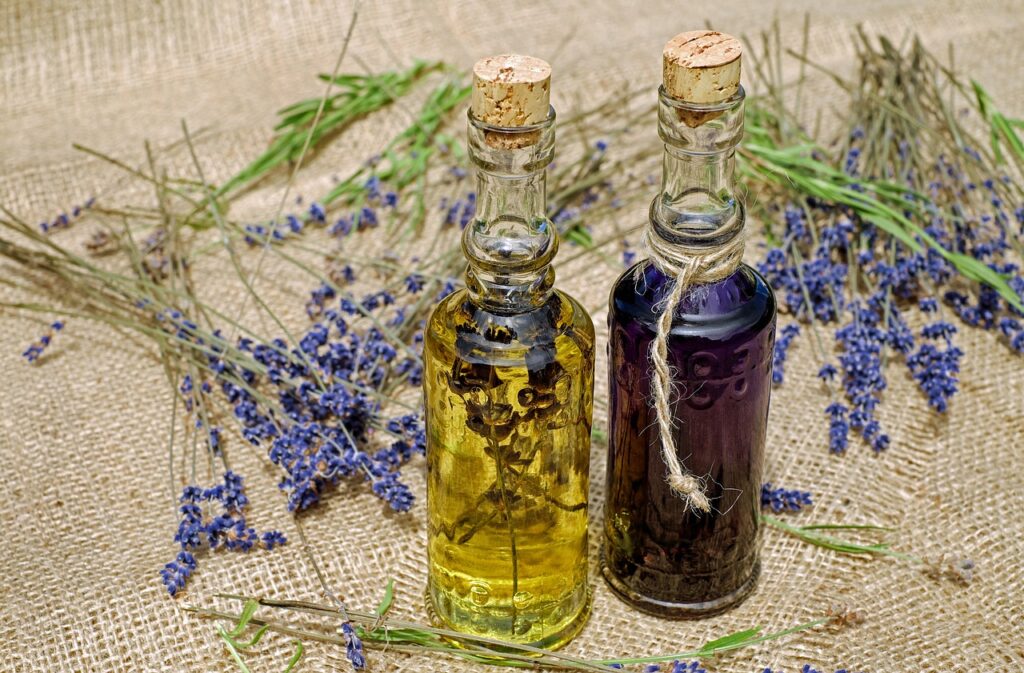
How to Make Lavender Oil and 7 Ways to Use

February 20, 2025

Lavender- A Scented Embrace for Mind, Body & Soul

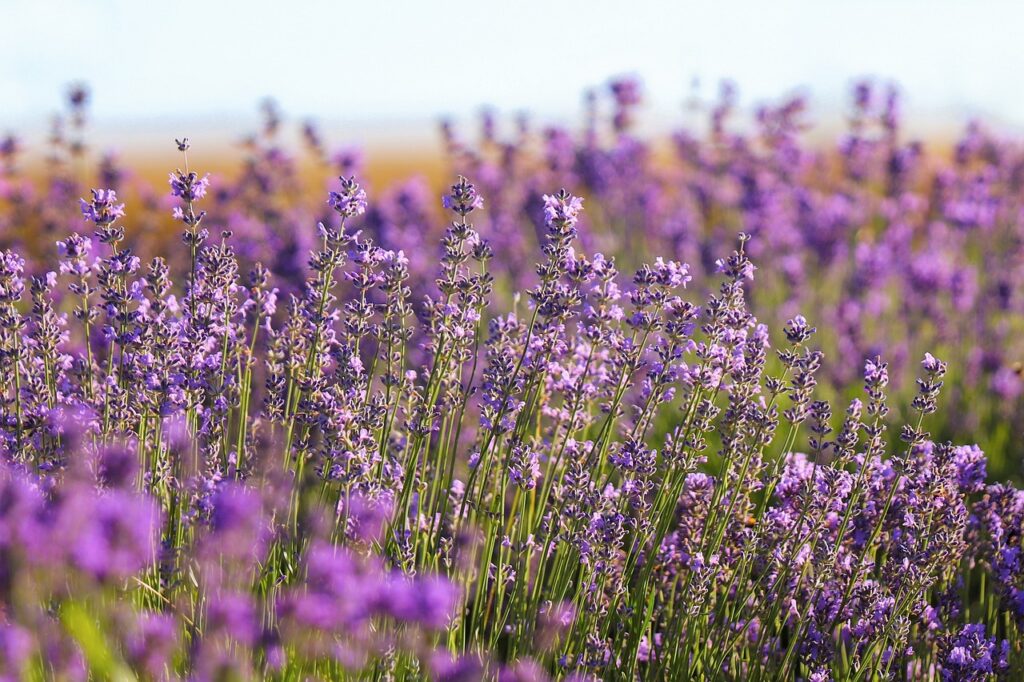
If nature had a signature scent of serenity, it would surely be lavender. For centuries, this fragrant purple bloom has been treasured in ancient healing rituals, culinary traditions, and beauty elixirs. Its delicate aroma whispers of sun-drenched fields in Provence, while its potent properties make it a true multitasker in holistic living. This month, we’re celebrating lavender—more than just a pretty flower, it’s a powerhouse for relaxation, wellness, and even your kitchen. Get ready to unlock seven beautiful ways to invite this botanical gem into your daily rhythm. 🌿💜

How to Make Your Own Lavender Oil: A Step-by-Step Guide

Creating your own lavender oil at home is both simple and rewarding, and with this quick guide, you’ll be on your way to crafting a natural treasure to enjoy in your holistic lifestyle:

What You’ll Need

  • Fresh or dried lavender flowers
  • A carrier oil (e.g., coconut oil, olive oil, or jojoba oil)
  • A clean glass jar with a lid
  • A fine mesh strainer or cheesecloth
  • A dark glass bottle for storing the oil

Step-by-Step Process

  1. Harvest or Buy Lavender
  • Choose fresh lavender flowers or dried lavender buds. Fresh lavender will yield a stronger fragrance, but dried flowers are convenient and still very effective.

Pro Tip: If using fresh lavender, make sure it’s fully dry to avoid any mold in the oil.

2. Prepare the Lavender

  • Gently bruise the lavender buds with your fingers to release their oils. If using fresh flowers, you can chop them up slightly to help them infuse more easily.

3. Fill the Jar with Lavender

  • Place your lavender buds into the glass jar, filling it about halfway. This ensures a good amount of flowers for a potent oil.

4. Add the Carrier Oil

  • Pour your chosen carrier oil over the lavender, making sure the flowers are completely submerged. Leave a little space at the top of the jar. Stir gently to mix.

5. Seal and Store

  • Close the jar tightly and place it in a warm, sunny spot, such as a windowsill. Let it infuse for about 2 to 3 weeks. Shake the jar gently every few days to help the infusion process.

6. Strain the Oil

  • After 2-3 weeks, strain the oil through a fine mesh strainer or cheesecloth to remove the lavender buds. You can compost the used flowers or save them for other DIY projects.

7. Store Your Lavender Oil

  • Transfer the strained oil into a dark glass bottle for storage. This helps preserve the oil’s potency. Store it in a cool, dark place. It should last for about 6 months.

7 Useful Ways to Utilize Lavender and Her Healing Benefits

1. Natural Sleep Aid & Stress Relief (Medicinal)

Lavender oil has been shown to promote relaxation and better sleep. The best and most effective ways to use would be to diffuse it with water in an electrical diffuser, create your own pillow mist or room spray, or use diluted application of your pulse points.

2. Headache & Tension Relief (Medicinal)

Lavender has a natural ability to ease headaches and migraines. Try applying a few diluted drops to your temple or drip a few drops onto a lava stone bracelet.

3. Skin Soothing & Healing (Beauty & Medicinal)

Lavender’s antibacterial and anti-inflammatory properties make it a perfect natural healing option for burns and some common skin conditions like eczema and acne.

4. DIY Natural Perfume (Beauty)

Lavender’s gentle floral scent is a perfect natural swap for a chemical-free fragrance. If you are feeling extra, adventurous, branch out and add in other complimentary scents like rosemary or lemon for a more personalized perfume.

5. Relaxing Bath Soak (Beauty & Medicinal)

Buy now, if you’ve made it this far, and I hope you have, first off thank you, secondly, we all are aware of the awesomeness of lavender for its helpful ability to aid in our natural approach to stress relief and act as a relaxation liaison for our own mental wellness. DIY lavender bath salts are so easy to make. If you aren’t into DIY, Amazon sells Dr Teal’s Epsom Salt bath soak which I have used and it works wonders on achy joints.

6. Culinary Delight: Infused Honey & Tea (Culinary)

Add for my Epicurious readers out there, in the culinary world, the floral notes of lavender add a distinct flavor to teas, honey, and other delicious desserts. A few different ways to utilize lavender in the culinary sense are through infusing locally sourced honey with lavender’s floral notes, or enjoying a cup of freshly brewed lavender tea. One of my fav desserts in the world is macarons, while pistachio is my number one favorite, a fresh lavender macaroon is no slouchy second.

7. Non-Toxic Home Freshener (Holistic Living)

And as far as it comes to my home, using lavender essential oil (NOTE: There is a difference between lavender oil and lavender essential oil.) I like to add a few drops to a mist bottle, along with distilled water, and witch hazel or rubbing alcohol for a natural room and linen spray. If you are feeling extra romantic, tie a few lavender sachets to put in your drawers for a fresh and floral scent.

A Wealth of Benefits

Incorporating lavender oil into your everyday routine offers a wealth of benefits that can enhance your holistic lifestyle. From promoting relaxation and restful sleep to soothing your skin and uplifting your mood, lavender’s versatility is unmatched. Whether you use it in aromatherapy, skincare, or even in the kitchen, this natural wonder is sure to become a staple in your wellness toolkit.

I encourage you to experiment with different ways to bring lavender into your life and discover which methods work best for you. Let its calming, rejuvenating qualities enrich your daily rituals. I’d love to hear how you incorporate lavender oil into your own routine—share your tips and experiences in the comments below! 🌿

Filed in: Clean Beauty, Garden, Joyful Living • by Hummingbirds & Lavender •

Seed-Starting for the Beginner Gardener

February 20, 2025

It’s easy to walk into the Lowe’s Garden Center or other big box stores like that and grab a tomato plant or two. And for those people who like to do things the easy way, I applaud you. But for those hard-headed souls like me, starting seeds allows you to be involved in the entire process from beginning to end. From planning and seed selection to harvesting a bountiful garden, seed-starting allows the gardener to be involved in the decisions and details that buying mature plants from a big chain store can offer. So here are my top 3 reasons why I chose to start my garden seeds.

Why Start from Seed

Firstly, starting from seed allows you to experiment and challenge yourself with growing lesser-known varieties and species of vegetables and flowers. I love growing cosmos and larkspur for my home bouquets in the springtime. While I can sometimes find plant starts at my local nursery, I have yet to see them in the big box stores. 

Another reason I love to start my plants from seeds is simple, it’s cost-effective. I am one for learning to do a few extra steps if it will save me in the end. While there might be an initial investment needed when choosing to start seeds (ie.  grow light, dirt, trays, seeds), over time, the costs balance out. 

And lastly, not only does it allow you more control over growing conditions like soil quality, but it’s also sustainable for the community. While many stores have adopted more sustainable practices for packaging and shipping, there is no easier way to reduce your carbon footprint than to skip the garden center sales. I like to save and reuse plastic veggie cartons and cups for my seed starting shelf. They make the perfect step-up for pepper plants. 

How to Start Seeds at Home

Getting started with seeds is easier than you might think—all you need are a few basic supplies and a little patience. Choose your seeds based on what you love to eat or what grows well in your area, then gather containers like seed trays or repurposed yogurt cups (just make sure they have drainage holes). Fill them with a quality seed-starting mix, plant the seeds at the depth recommended on the packet, and water gently—just enough to keep the soil moist but not soaked. Place your trays in a warm spot, ideally between 65–75°F, and make sure they get plenty of light, either from a sunny window or a grow light. As your seedlings sprout, keep an eye on moisture levels, avoid overwatering, and thin out weaker seedlings to give the strongest ones room to thrive.

Prepping for the Garden

Once the last average frost date has passed, it’s time to plant your seedlings. But before that, there are a few crucial steps to take to ensure the success of your plants once they are planted. Hardening off the seedling is a gradual process that allows the fragile seedlings to slowly acclimate to the harsher conditions of the garden. A few weeks prior to your local planting date, start bringing your seedlings outside for a few hours each day. The gradual exposure to the elements, allows the baby plants to grow accustomed to the outside temps and sunlight, and it reduces the effects of shock after they are transplanted. 

After a few weeks of hardening off in a protected patio area, it’s time to transplant! I like to pre-map my garden based on plant height and sunlight requirements. The last thing you want to happen is your lemon balm being overshadowed by your Cosmo bushes. If you have any questions about plant size or requirements, the seed packets usually tell you everything you need to know on the package. If they do not, the World Wide Web is available to most of the planet. Do your own research.

3 Pro Tips for Success

1. Start seeds at the right time for your region (consult seed packets or a planting calendar).

While there are cold hardy varieties, make sure you are starting the appropriate seeds for the appropriate season and region. April in Maine looks a lot different than April in southeast Texas.

2. Label your containers to keep track of plant types.

I learned this lesson firsthand. In my first year of seed-starting. I chose to label the plants in a book versus on the actual pots, while it worked well in the beginning, once they started growing and I shifted things around as needed, I lost track of what was what. Needless to say, it was a surprise garden that year.

3. Don’t overcrowd seedlings; they need space for air circulation and growth.

And lastly, remember to give the seedlings appropriate space to germinate and grow. The smaller the seeds, the easier it is for over-crowding to occur, but with a little extra care and caution, Thinning might be needed later, but it’s always best to start with a solid foundation.

Starting seeds at home isn’t just about saving money or having access to a wider variety of plants—it’s about the satisfaction of growing something from the ground up (literally). With a little time and attention, those tiny seeds will become strong, healthy plants ready for your garden.

Just remember to take it step by step: give your seedlings the right conditions to grow, harden them off before moving them outside, and enjoy the process.

There’s something deeply rewarding about watching your garden take shape from scratch, and once you experience it, you might never go back to store-bought plants again.

So grab those seed packets, get your hands in the dirt, and let the growing begin! 🌱

Filed in: Garden, Joyful Living • by Hummingbirds & Lavender •

The Art of Loving Yourself + 6 Rituals for Self-Love

February 13, 2025

Self-love is the act of showing yourself the respect and attention you need to flourish as your most awesome and authentic self. Most people don’t put enough emphasis on the importance of self-love, but I’m here to tell you it is the complete opposite. Because you value yourself, you know your worth. When you know your worth, you can start accepting only the best for you and your future goals.

Self-love- Why It’s Essential on Your Healing Journey

The journey of self-love isn’t just a one-time thing. And it’s not a fix-it-and-forget-it kind of journey. It’s an ongoing practice, one that you will spend time uncovering and perfecting for years to come. The act of loving yourself seems simple, but in this fast-paced, high-output modern life that most of us chase after, we can easily forget how powerful and worthy we are when we accept ourselves completely and not rely on outside opinions. The practice of self-love is more important now than ever.

Why a Self-Love Practice is Essential

  • Mental Health Benefits: Having healthy boundaries around self-love leads to wide-reaching areas like increased self-esteem and confidence and reduced anxiety, stress, and depression.
  • Physical Health: A healthy relationship with self leads to better physical habits by manifesting in better self-care routines, exercise routines, and better nutritional and sleep patterns. By having a balanced outlook on Self, positive impacts can not only be seen but felt in the body by reducing stress hormones that cause inflammation.
  • Emotional Resilience: By having a healthy relationship with ourselves it opens up the possibilities for greater emotional strength and the ability to set healthy boundaries in our relationships outside ourselves. This can lead to an even deeper healing of past scars we didn’t realize were there until we allowed ourselves the compassion for healing.

How to Start a Self-Love Practice

The best way to start a self-love practice is to just start. It will look a bit different for everyone, but the main concept is to just allow yourself the grace and compassion to love yourself through the good and the bad that you have experienced throughout your life. We all go through ups and downs, but it’s what we do in those polarized experiences, and the lessons we learn along the way, that make us who we are as human beings.

Small steps are still steps. Even if all you can do is look at yourself in the mirror and smile, that’s a win. It’s not about the act as much as it is the intentional step taken to build a solid foundational practice. Good things take time to create, and that is as much true with self-love as with anything else. But when they are finally complete, they are solid. It’s a marathon, not a sprint. Just remember, one small step today, will equal progress seen tomorrow. Be kind to yourself.

6 Rituals & Routines to Promote Self-Love

Daily Affirmations:

Start each day with affirmations to reprogram negative thought patterns and beliefs we have collected throughout the years. I like to write them on sticky notes all around the places I frequent the most within my home or office. The one on my bathroom mirror reminds me daily that I can do hard things, and it has never lied to me yet.

Journaling for Reflection:

Create a journaling routine to explore your emotions, thoughts, and epiphanies. Journaling is a great way to share your challenges and triumphs, in a healthy way. A good journaling prompt to start you out with is “What makes me feel worthy?” or “How can I show love to myself today?” It might take a few days to sit and ponder the topics, but the more you sit with it, the more likely the answers will appear.

Mindful Movement:

By creating and maintaining a healthy connection to your body, you can promote healing and help build a strong self-love relationship. My favorite ways to connect with my body are by engaging in yoga or stretching to reconnect back to myself. Being outdoors in nature is another effective practice to add to your daily routine. Whether it’s a 30-minute walk in nature or a 5-minute reconnection meditation in the park, mindful movements encourage you to appreciate your physical form with judgment.

Self-Care Rituals:

As a Taurus moon girlie over here, I love a good self-care beauty ritual. From bath bombs and other herbal beauty concoctions to healthy skin care routines to promote skin health, I believe self-care beauty routines are a must. Fridays are the day of Venus; this is my day to pamper myself. Sometimes, it’s having a pedicure in the summertime to pamper my tired feet or simply an at-home spa day with a full body pampering, followed by a complete hair and make-up routine. I do it because it makes me feel good and revitalizes me on a spiritual level.

Setting Boundaries:

Many people might tell you that having boundaries is selfish. Setting boundaries is not selfish. Those people are gross and you should run the other way. It is affirming to yourself and to the relationships you are creating that you protect your energy and your time. It creates space for personal growth and self-respect and fosters stronger relationships because they are built on mutual respect and understanding.

Gratitude Practice:

Showing gratitude is my most favorite thing to do. Whether it be saying grace before each meal and celebration or saying thank you to God when I open my eyes in the morning, Showing gratitude is a practice that will help you focus on appreciating who you are, the growth you’ve made, and the people who support you on your journey. Start a simple daily gratitude practice by writing down 3 things you’re grateful for.

Self-love is the Foundation of Healing

Self-love isn’t just a feel-good concept—it’s the foundation of personal healing and empowerment. When we nurture ourselves with kindness, we create space for growth, joy, and deeper connection.

If this practice feels new to you, start small. Choose one or two rituals that speak to your heart today—maybe a few moments of gratitude, a gentle affirmation, or simply resting without guilt. Over time, let your practice evolve as you do.

I’d love to hear about your journey! Share your experiences or questions in the comments, and let’s support each other in cultivating more love from the inside out. 💛✨

Filed in: Body, Holistic Health, Mind, Spirit, Uncategorized • by Hummingbirds & Lavender •

Intro to Herbs: Chapter 2- Lavender + DIY Lavender Pillow Spray

February 6, 2025

Lavender- Nature’s Calming Powerhouse

Hey there, fellow herb enthusiasts! 🌱 Welcome to the second installment of my “Intro to Herbs” series, where we explore the magic of nature’s most beloved plants. Today, we’re starting with one of my all-time favorites—lavender.

Lavender and I go way back. Ever since we moved into this house—going on seven years now—this beautiful herb has been a staple in my garden. She was one of the very first plants I brought home from the local nursery. What started as two tiny 2.5-inch pots has now grown into stunning, fragrant beauties that bring so much joy.

But lavender isn’t just another pretty plant. It has a rich history, incredible healing properties, and a ton of practical uses that have stood the test of time. Let’s dive in!

🌿 Lavender 101: Quick Facts & Fun Trivia

(Because you never know when this knowledge might help you win trivia night at your favorite local hangout. 😉)

✨ Scientific Name: Lavandula (part of the mint family!)
✨ Native Regions: Mediterranean, Western Europe, Africa, and parts of Asia
✨ Family Members: Basil, oregano, thyme, and mint—basically, your Italian grandma’s spice cabinet.

Lavender thrives in sunny, rocky, alkaline soil—which is why it originally flourished in mountainous Mediterranean regions. It was brought to new lands by early European explorers who valued it for its soothing aroma and medicinal qualities. Even centuries ago, people knew this herb was something special!

🏺 Lavender in Ancient Civilizations

One of the things I love most about herbs is their deep historical roots. Many ancient cultures recognized lavender’s benefits long before modern science confirmed them.

✨ Ancient Egyptians – Used lavender in perfumes, cosmetics, and even embalming rituals. Fun fact: traces of dried lavender were found in King Tut’s tomb! (Shoutout to my fellow history nerds! 🏺)

✨ Ancient Romans – Loved lavender in their legendary public bathhouses, not just for its scent but also for its ability to disinfect the water.

✨ Victorian Era – The Victorian obsession with lavender was real. It was used in beauty creams, muslin sachets as natural deodorizers, and even as a furniture and wall wash. No air conditioning or AX body spray back then—just lavender-scented walls and linens to keep things fresh.

🌱 Healing Properties of Lavender

Fast forward to today, and modern science is catching up to what ancient civilizations already knew—lavender is a powerhouse of healing.

A study from Mount Sinai Hospital in New York found that lavender helps with:
✅ Insomnia 😴 (Lavender pillow spray, anyone?)
✅ Stress & anxiety relief 💆‍♀️ (Bubble bath, here we come!)
✅ Hair loss (alopecia)
✅ Wound healing & skin conditions
✅ Postoperative pain management

The Secret? Terpenes

Lavender’s benefits come from its active compounds, called terpenes—the magic behind its scent and healing properties.

🌿 Linalool – The floral yet slightly spicy aroma
🌿 Linalyl acetate – A key component in lavender essential oil
🌿 Lavandulol – A hint of citrusy freshness

These compounds also give lavender its antimicrobial, anti-inflammatory, and antifungal superpowers.

🌸 Lavender Essential Oil: A Little Goes a Long Way

Lavender essential oil is basically the plant’s essence in a concentrated form. But before you start slathering it on, here’s an important PSA:

🚨 Never apply essential oils directly to your skin. Always dilute them with a carrier oil to avoid irritation.

Best Carrier Oils for Your Skin:

🥥 Coconut oil
🌰 Jojoba oil
🌿 Almond oil
🫒 Olive oil

Test them out and see which one works best for you!

While lavender as a plant is safe for internal use, lavender essential oil is NOT—so keep it out of your tea and stick to external applications.

💜 Modern Day Lavender Uses

From bath soaks to skincare, herbal teas to household sprays, lavender is just as loved today as it was in ancient times. Walk down any beauty aisle, and you’ll see lavender in:

✨ Soaps & lotions (perfect for re-moisturizing and relaxation)
✨ Pillow sprays (a must for better sleep)
✨ Natural acne treatments (antimicrobial properties, FTW!)

Print

Lavender Pillow Spray 😴✨

Want to make your own dreamy lavender mist? Here’s a simple recipe.
Yield: 1 3-oz spritz bottle

Materials

  • 🧴 1 oz distilled water
  • 🧴 1 oz rubbing alcohol
  • 💧 10-20 drops of lavender essential oil organic is best, but you do you, boo!
  • 🌿 Glass spray bottle 2-3 oz size

Instructions

Mix all ingredients into the glass bottle.

    Gently shake to combine.

      Spritz onto your pillow about 5-10 minutes before bed.

        Sweet dreams! 😴✨

          Notes

          ✨ Pro tip: Experiment with other essential oils like vanilla or rosemary to create a custom blend.

          💬 Let’s Chat!

          Lavender has been a staple in my life for years, and I love learning new ways to use it. How do you incorporate lavender into your routine? Drop a comment below and let’s swap ideas!

          Stay tuned for the next post in the “Intro to Herbs” series, where we’ll explore another incredible herb. Any guesses on which one? 😉

          Filed in: Garden, Intro to Herb Series, Joyful Living • by Hummingbirds & Lavender •

          • « Previous Page
          • 1
          • 2
          • 3
          • 4
          • 5
          • 6
          • Next Page »
          Hey, yall! I'm Ashley, creator of Hummingbirds & Lavender, and I just wanted to say welcome and thanks for stopping by. This is just a place for me to document my story of raising my family, being a botanical entrepreneur, and living the best life I can possibly create. Thanks for being a part of the journey with me.

          Follow Along on social media

          • Instagram
          • Pinterest

          Search The Blog

          Categories

          • About me
          • Astrology
          • Body
          • botanical dye
          • Clean Beauty
          • Garden
          • Healthy Recipes
          • Holistic Health
          • Home Decor & DIY
          • Intro to Herb Series
          • Joyful Living
          • Mind
          • Spirit
          • Sustainable Fashion
          • Uncategorized

          Popular Posts

          Ancestral Herbalism

          Healing Your Gut Naturally

          Copyright © 2026 · Theme by Blog Pixie