A Sacred Herb for Mind, Body & Home
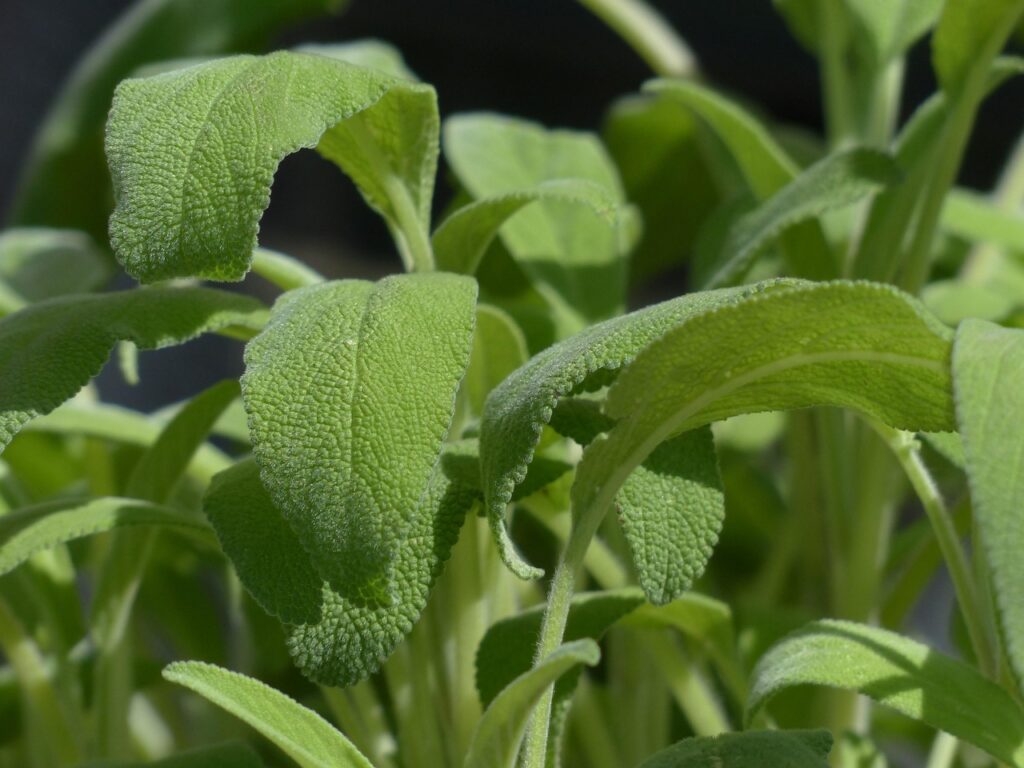
If there’s one herb that carries the energy of ancient wisdom, it’s sage. With its silvery-green leaves, earthy scent, and long-standing reputation as a healer and purifier, sage has held a sacred place in gardens, kitchens, and rituals for thousands of years.
In this month’s installment of Intro to Herbs, we’re slowing down with sage—exploring its medicinal magic, spiritual symbolism, and savory delights.
🌿 A Brief History of Sage
Sage (Salvia officinalis) belongs to the mint family and gets its name from the Latin word salvere, meaning to heal or to save. It’s been used since ancient times by the Egyptians, Greeks, and Romans for everything from digestion to warding off evil.
In the Middle Ages, sage was considered one of the most powerful healing herbs. It was planted in monastery gardens and used in tonics for everything from memory loss to sore throats. There’s even an old English proverb that asks: “Why should a man die while sage grows in his garden?”—a nod to its legendary reputation as a life extender.
🌱 Medicinal Benefits of Sage
Modern herbalists still turn to sage for its wide range of health benefits. It’s especially well-known for:
- Soothing sore throats and coughs – Sage tea or sage-infused honey can ease inflammation and kill germs.
- Supporting digestion – Sage helps reduce bloating, gas, and indigestion.
- Balancing hormones – Particularly helpful for hot flashes and night sweats during menopause.
- Enhancing memory and focus – Some studies show sage may improve cognitive function and mood.
- Fighting bacteria – Thanks to its antimicrobial properties, sage is a great ingredient in natural mouthwashes and skin care.
🫖 How to use it:
Steep 1 tsp of dried sage or a few fresh leaves in hot water for 5–10 minutes to make a grounding, herbal tea. Add a touch of honey and lemon for sore throat relief.
Note: Avoid large doses if pregnant or nursing, and always consult a professional if unsure.
🔮 Spiritual + Energetic Uses
Sage is one of the most widely used herbs for spiritual cleansing and protection. White sage (Salvia apiana) is commonly burned in smoke rituals (also called “smudging”) to clear stagnant or negative energy from a space, person, or object. However, it’s important to note that white sage is sacred to many Indigenous cultures and has been overharvested due to commercial demand.
🌿 A more sustainable approach:
Grow your own sage or use garden sage (Salvia officinalis) or other aromatic herbs like rosemary, lavender, or mugwort in your personal smoke bundles.
You can also:
- Place dried sage under your pillow for protection while sleeping.
- Tuck a small bundle into drawers or closets to promote clarity and calm.
- Add sage to spiritual baths for energetic cleansing and intuition.
✨ Sage affirmation: “I release what no longer serves me and invite peace and wisdom in.”
🍽 Culinary Delights
Sage is a staple in hearty, savory cooking. Its warm, peppery, slightly minty flavor pairs beautifully with:
- Roasted root vegetables
- Butternut squash soups
- Holiday stuffing
- Brown butter pasta dishes
- Chicken, pork, and lamb recipes
🌟 Try this:
Crispy sage leaves are a delicious topper for soups, risottos, or roasted dishes. Just heat olive oil in a skillet, fry a few fresh sage leaves until crisp, then drain on paper towels and sprinkle with sea salt.
Pro tip: A little goes a long way—sage has a bold flavor, so use sparingly in recipes.
🌼 Tips for Growing + Using Sage
- Sun lover: Sage loves full sun and well-drained soil.
- Low maintenance: Once established, it’s drought-tolerant and fairly hardy.
- Perennial powerhouse: In many climates, sage will come back year after year.
- Harvest smart: Pick leaves in the morning after the dew dries, and dry them upside down in small bundles or in a low-temp oven.
Bonus use: Create your own sage-infused oil by gently warming fresh sage in olive oil and straining. Use it for cooking, massage, or skin care.
In Closing…
Sage reminds us that healing can be simple, ancient, and already growing outside our door. Whether steeped in tea, stirred into soup, or burned with intention, sage offers clarity, comfort, and connection—to ourselves, to nature, and to something deeper.
Next time you pass a sage plant, take a moment to inhale its grounding aroma. Let it bring you back to center. After all, there’s a reason this wise little herb has stood the test of time.