• Holistic Health
    • Mind
    • Body
      • movement
    • Spirit
      • Astrology
  • Joyful Living
    • Home Decor & DIY
    • Sustainable Fashion
    • Clean Beauty
    • Garden
      • Intro to Herbs Series
  • About me
    • Who is Hummingbirds and Lavender?
  • Follow

    • Etsy
    • Instagram
    • Pinterest
    • YouTube

Hummingbirds and Lavender

Holistic, Sustainable, Intentional

How to Make Lavender Oil and 7 Ways to Use

February 20, 2025

Lavender- A Scented Embrace for Mind, Body & Soul
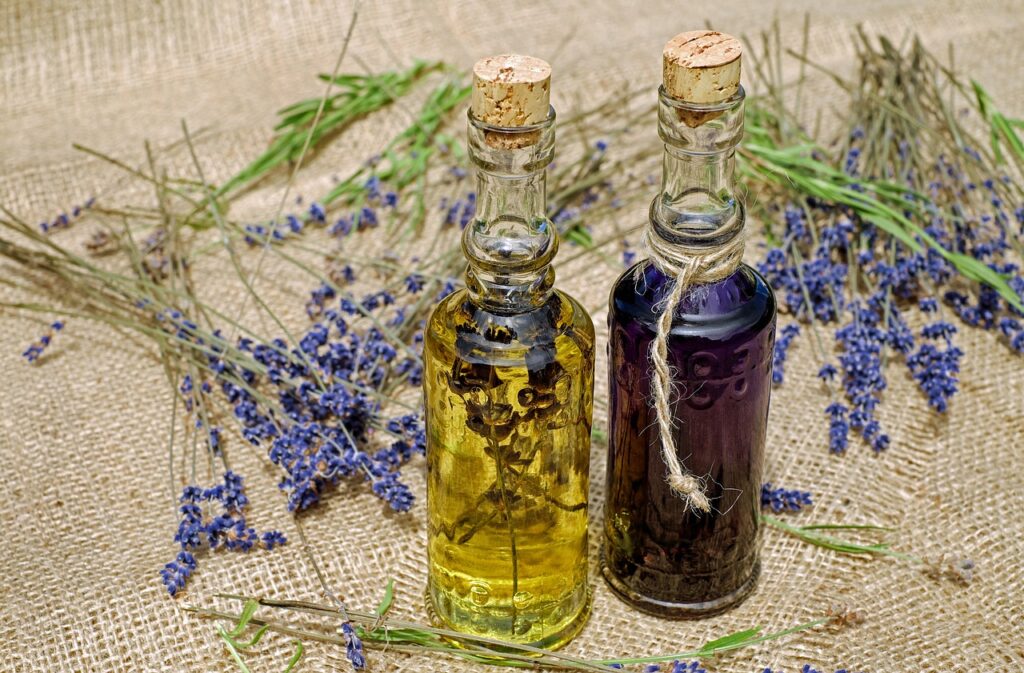
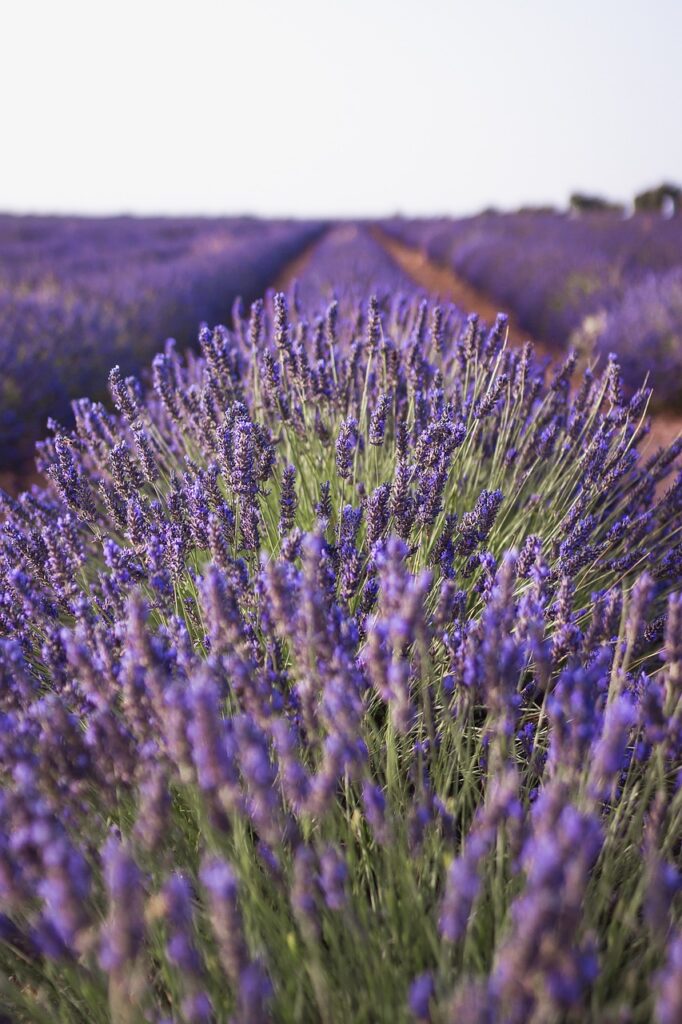
If nature had a signature scent of serenity, it would surely be lavender. For centuries, this fragrant purple bloom has been treasured in ancient healing rituals, culinary traditions, and beauty elixirs. Its delicate aroma whispers of sun-drenched fields in Provence, while its potent properties make it a true multitasker in holistic living. This month, we’re celebrating lavender—more than just a pretty flower, it’s a powerhouse for relaxation, wellness, and even your kitchen. Get ready to unlock seven beautiful ways to invite this botanical gem into your daily rhythm. 🌿💜

How to Make Your Own Lavender Oil: A Step-by-Step Guide

Creating your own lavender oil at home is both simple and rewarding, and with this quick guide, you’ll be on your way to crafting a natural treasure to enjoy in your holistic lifestyle:

What You’ll Need

  • Fresh or dried lavender flowers
  • A carrier oil (e.g., coconut oil, olive oil, or jojoba oil)
  • A clean glass jar with a lid
  • A fine mesh strainer or cheesecloth
  • A dark glass bottle for storing the oil

Step-by-Step Process

  1. Harvest or Buy Lavender
  • Choose fresh lavender flowers or dried lavender buds. Fresh lavender will yield a stronger fragrance, but dried flowers are convenient and still very effective.

Pro Tip: If using fresh lavender, make sure it’s fully dry to avoid any mold in the oil.

2. Prepare the Lavender

  • Gently bruise the lavender buds with your fingers to release their oils. If using fresh flowers, you can chop them up slightly to help them infuse more easily.

3. Fill the Jar with Lavender

  • Place your lavender buds into the glass jar, filling it about halfway. This ensures a good amount of flowers for a potent oil.

4. Add the Carrier Oil

  • Pour your chosen carrier oil over the lavender, making sure the flowers are completely submerged. Leave a little space at the top of the jar. Stir gently to mix.

5. Seal and Store

  • Close the jar tightly and place it in a warm, sunny spot, such as a windowsill. Let it infuse for about 2 to 3 weeks. Shake the jar gently every few days to help the infusion process.

6. Strain the Oil

  • After 2-3 weeks, strain the oil through a fine mesh strainer or cheesecloth to remove the lavender buds. You can compost the used flowers or save them for other DIY projects.

7. Store Your Lavender Oil

  • Transfer the strained oil into a dark glass bottle for storage. This helps preserve the oil’s potency. Store it in a cool, dark place. It should last for about 6 months.

7 Useful Ways to Utilize Lavender and Her Healing Benefits

1. Natural Sleep Aid & Stress Relief (Medicinal)

Lavender oil has been shown to promote relaxation and better sleep. The best and most effective ways to use would be to diffuse it with water in an electrical diffuser, create your own pillow mist or room spray, or use diluted application of your pulse points.

2. Headache & Tension Relief (Medicinal)

Lavender has a natural ability to ease headaches and migraines. Try applying a few diluted drops to your temple or drip a few drops onto a lava stone bracelet.

3. Skin Soothing & Healing (Beauty & Medicinal)

Lavender’s antibacterial and anti-inflammatory properties make it a perfect natural healing option for burns and some common skin conditions like eczema and acne.

4. DIY Natural Perfume (Beauty)

Lavender’s gentle floral scent is a perfect natural swap for a chemical-free fragrance. If you are feeling extra, adventurous, branch out and add in other complimentary scents like rosemary or lemon for a more personalized perfume.

5. Relaxing Bath Soak (Beauty & Medicinal)

Buy now, if you’ve made it this far, and I hope you have, first off thank you, secondly, we all are aware of the awesomeness of lavender for its helpful ability to aid in our natural approach to stress relief and act as a relaxation liaison for our own mental wellness. DIY lavender bath salts are so easy to make. If you aren’t into DIY, Amazon sells Dr Teal’s Epsom Salt bath soak which I have used and it works wonders on achy joints.

6. Culinary Delight: Infused Honey & Tea (Culinary)

Add for my Epicurious readers out there, in the culinary world, the floral notes of lavender add a distinct flavor to teas, honey, and other delicious desserts. A few different ways to utilize lavender in the culinary sense are through infusing locally sourced honey with lavender’s floral notes, or enjoying a cup of freshly brewed lavender tea. One of my fav desserts in the world is macarons, while pistachio is my number one favorite, a fresh lavender macaroon is no slouchy second.

7. Non-Toxic Home Freshener (Holistic Living)

And as far as it comes to my home, using lavender essential oil (NOTE: There is a difference between lavender oil and lavender essential oil.) I like to add a few drops to a mist bottle, along with distilled water, and witch hazel or rubbing alcohol for a natural room and linen spray. If you are feeling extra romantic, tie a few lavender sachets to put in your drawers for a fresh and floral scent.
A Wealth of Benefits

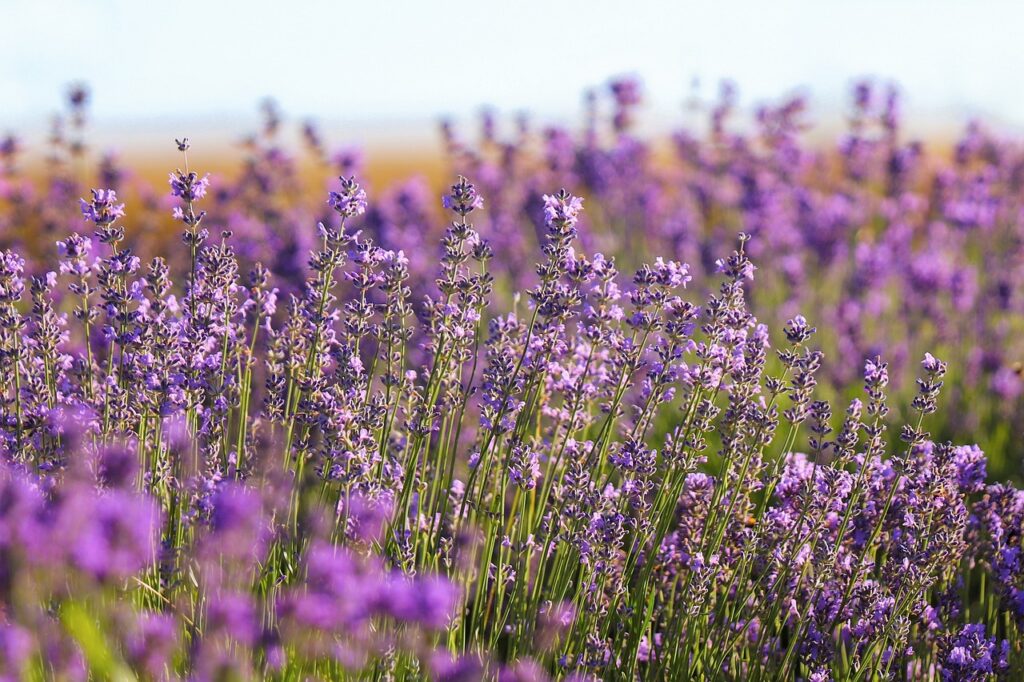
Incorporating lavender oil into your everyday routine offers a wealth of benefits that can enhance your holistic lifestyle. From promoting relaxation and restful sleep to soothing your skin and uplifting your mood, lavender’s versatility is unmatched. Whether you use it in aromatherapy, skincare, or even in the kitchen, this natural wonder is sure to become a staple in your wellness toolkit.

I encourage you to experiment with different ways to bring lavender into your life and discover which methods work best for you. Let its calming, rejuvenating qualities enrich your daily rituals. I’d love to hear how you incorporate lavender oil into your own routine—share your tips and experiences in the comments below! 🌿
Filed in: Clean Beauty, Garden, Joyful Living • by Hummingbirds & Lavender •

Seed-Starting for the Beginner Gardener

February 20, 2025

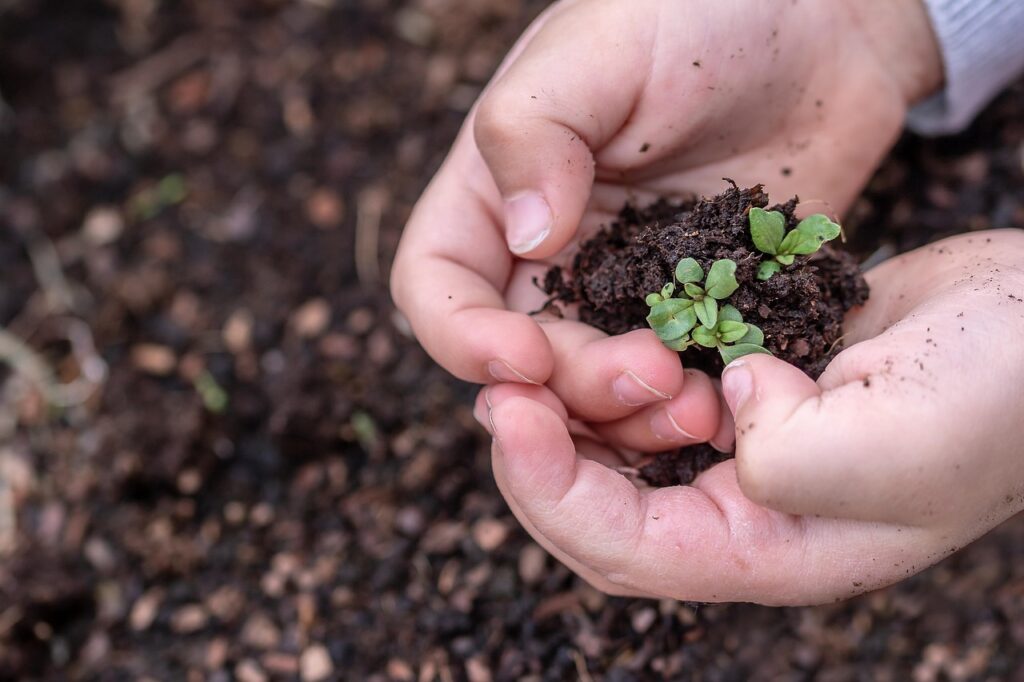
It’s easy to walk into the Lowe’s Garden Center or other big box stores like that and grab a tomato plant or two. And for those people who like to do things the easy way, I applaud you. But for those hard-headed souls like me, starting seeds allows you to be involved in the entire process from beginning to end. From planning and seed selection to harvesting a bountiful garden, seed-starting allows the gardener to be involved in the decisions and details that buying mature plants from a big chain store can offer. So here are my top 3 reasons why I chose to start my garden seeds.

Why Start from Seed

Firstly, starting from seed allows you to experiment and challenge yourself with growing lesser-known varieties and species of vegetables and flowers. I love growing cosmos and larkspur for my home bouquets in the springtime. While I can sometimes find plant starts at my local nursery, I have yet to see them in the big box stores. 

Another reason I love to start my plants from seeds is simple, it’s cost-effective. I am one for learning to do a few extra steps if it will save me in the end. While there might be an initial investment needed when choosing to start seeds (ie.  grow light, dirt, trays, seeds), over time, the costs balance out. 

And lastly, not only does it allow you more control over growing conditions like soil quality, but it’s also sustainable for the community. While many stores have adopted more sustainable practices for packaging and shipping, there is no easier way to reduce your carbon footprint than to skip the garden center sales. I like to save and reuse plastic veggie cartons and cups for my seed starting shelf. They make the perfect step-up for pepper plants. 

How to Start Seeds at Home

Getting started with seeds is easier than you might think—all you need are a few basic supplies and a little patience. Choose your seeds based on what you love to eat or what grows well in your area, then gather containers like seed trays or repurposed yogurt cups (just make sure they have drainage holes). Fill them with a quality seed-starting mix, plant the seeds at the depth recommended on the packet, and water gently—just enough to keep the soil moist but not soaked. Place your trays in a warm spot, ideally between 65–75°F, and make sure they get plenty of light, either from a sunny window or a grow light. As your seedlings sprout, keep an eye on moisture levels, avoid overwatering, and thin out weaker seedlings to give the strongest ones room to thrive.

Prepping for the Garden

Once the last average frost date has passed, it’s time to plant your seedlings. But before that, there are a few crucial steps to take to ensure the success of your plants once they are planted. Hardening off the seedling is a gradual process that allows the fragile seedlings to slowly acclimate to the harsher conditions of the garden. A few weeks prior to your local planting date, start bringing your seedlings outside for a few hours each day. The gradual exposure to the elements, allows the baby plants to grow accustomed to the outside temps and sunlight, and it reduces the effects of shock after they are transplanted. 

After a few weeks of hardening off in a protected patio area, it’s time to transplant! I like to pre-map my garden based on plant height and sunlight requirements. The last thing you want to happen is your lemon balm being overshadowed by your Cosmo bushes. If you have any questions about plant size or requirements, the seed packets usually tell you everything you need to know on the package. If they do not, the World Wide Web is available to most of the planet. Do your own research.

3 Pro Tips for Success

1. Start seeds at the right time for your region (consult seed packets or a planting calendar).

While there are cold hardy varieties, make sure you are starting the appropriate seeds for the appropriate season and region. April in Maine looks a lot different than April in southeast Texas.

2. Label your containers to keep track of plant types.

I learned this lesson firsthand. In my first year of seed-starting. I chose to label the plants in a book versus on the actual pots, while it worked well in the beginning, once they started growing and I shifted things around as needed, I lost track of what was what. Needless to say, it was a surprise garden that year.

3. Don’t overcrowd seedlings; they need space for air circulation and growth.

And lastly, remember to give the seedlings appropriate space to germinate and grow. The smaller the seeds, the easier it is for over-crowding to occur, but with a little extra care and caution, Thinning might be needed later, but it’s always best to start with a solid foundation.

Starting seeds at home isn’t just about saving money or having access to a wider variety of plants—it’s about the satisfaction of growing something from the ground up (literally). With a little time and attention, those tiny seeds will become strong, healthy plants ready for your garden.

Just remember to take it step by step: give your seedlings the right conditions to grow, harden them off before moving them outside, and enjoy the process.

There’s something deeply rewarding about watching your garden take shape from scratch, and once you experience it, you might never go back to store-bought plants again.

So grab those seed packets, get your hands in the dirt, and let the growing begin! 🌱

Filed in: Garden, Joyful Living • by Hummingbirds & Lavender •

Intro to Herbs: Chapter 2- Lavender + DIY Lavender Pillow Spray

February 6, 2025

Lavender- Nature’s Calming Powerhouse

Hey there, fellow herb enthusiasts! 🌱 Welcome to the second installment of my “Intro to Herbs” series, where we explore the magic of nature’s most beloved plants. Today, we’re starting with one of my all-time favorites—lavender.

Lavender and I go way back. Ever since we moved into this house—going on seven years now—this beautiful herb has been a staple in my garden. She was one of the very first plants I brought home from the local nursery. What started as two tiny 2.5-inch pots has now grown into stunning, fragrant beauties that bring so much joy.

But lavender isn’t just another pretty plant. It has a rich history, incredible healing properties, and a ton of practical uses that have stood the test of time. Let’s dive in!

🌿 Lavender 101: Quick Facts & Fun Trivia

(Because you never know when this knowledge might help you win trivia night at your favorite local hangout. 😉)

✨ Scientific Name: Lavandula (part of the mint family!)
✨ Native Regions: Mediterranean, Western Europe, Africa, and parts of Asia
✨ Family Members: Basil, oregano, thyme, and mint—basically, your Italian grandma’s spice cabinet.

Lavender thrives in sunny, rocky, alkaline soil—which is why it originally flourished in mountainous Mediterranean regions. It was brought to new lands by early European explorers who valued it for its soothing aroma and medicinal qualities. Even centuries ago, people knew this herb was something special!

🏺 Lavender in Ancient Civilizations

One of the things I love most about herbs is their deep historical roots. Many ancient cultures recognized lavender’s benefits long before modern science confirmed them.

✨ Ancient Egyptians – Used lavender in perfumes, cosmetics, and even embalming rituals. Fun fact: traces of dried lavender were found in King Tut’s tomb! (Shoutout to my fellow history nerds! 🏺)

✨ Ancient Romans – Loved lavender in their legendary public bathhouses, not just for its scent but also for its ability to disinfect the water.

✨ Victorian Era – The Victorian obsession with lavender was real. It was used in beauty creams, muslin sachets as natural deodorizers, and even as a furniture and wall wash. No air conditioning or AX body spray back then—just lavender-scented walls and linens to keep things fresh.

🌱 Healing Properties of Lavender

Fast forward to today, and modern science is catching up to what ancient civilizations already knew—lavender is a powerhouse of healing.

A study from Mount Sinai Hospital in New York found that lavender helps with:
✅ Insomnia 😴 (Lavender pillow spray, anyone?)
✅ Stress & anxiety relief 💆‍♀️ (Bubble bath, here we come!)
✅ Hair loss (alopecia)
✅ Wound healing & skin conditions
✅ Postoperative pain management

The Secret? Terpenes

Lavender’s benefits come from its active compounds, called terpenes—the magic behind its scent and healing properties.

🌿 Linalool – The floral yet slightly spicy aroma
🌿 Linalyl acetate – A key component in lavender essential oil
🌿 Lavandulol – A hint of citrusy freshness

These compounds also give lavender its antimicrobial, anti-inflammatory, and antifungal superpowers.

🌸 Lavender Essential Oil: A Little Goes a Long Way

Lavender essential oil is basically the plant’s essence in a concentrated form. But before you start slathering it on, here’s an important PSA:

🚨 Never apply essential oils directly to your skin. Always dilute them with a carrier oil to avoid irritation.

Best Carrier Oils for Your Skin:

🥥 Coconut oil
🌰 Jojoba oil
🌿 Almond oil
🫒 Olive oil

Test them out and see which one works best for you!

While lavender as a plant is safe for internal use, lavender essential oil is NOT—so keep it out of your tea and stick to external applications.

💜 Modern Day Lavender Uses

From bath soaks to skincare, herbal teas to household sprays, lavender is just as loved today as it was in ancient times. Walk down any beauty aisle, and you’ll see lavender in:

✨ Soaps & lotions (perfect for re-moisturizing and relaxation)
✨ Pillow sprays (a must for better sleep)
✨ Natural acne treatments (antimicrobial properties, FTW!)

Print

Lavender Pillow Spray 😴✨

Want to make your own dreamy lavender mist? Here’s a simple recipe.
Yield: 1 3-oz spritz bottle

Materials

  • 🧴 1 oz distilled water
  • 🧴 1 oz rubbing alcohol
  • 💧 10-20 drops of lavender essential oil organic is best, but you do you, boo!
  • 🌿 Glass spray bottle 2-3 oz size

Instructions

Mix all ingredients into the glass bottle.

    Gently shake to combine.

      Spritz onto your pillow about 5-10 minutes before bed.

        Sweet dreams! 😴✨

          Notes

          ✨ Pro tip: Experiment with other essential oils like vanilla or rosemary to create a custom blend.

          💬 Let’s Chat!

          Lavender has been a staple in my life for years, and I love learning new ways to use it. How do you incorporate lavender into your routine? Drop a comment below and let’s swap ideas!

          Stay tuned for the next post in the “Intro to Herbs” series, where we’ll explore another incredible herb. Any guesses on which one? 😉

          Filed in: Garden, Intro to Herb Series, Joyful Living • by Hummingbirds & Lavender •

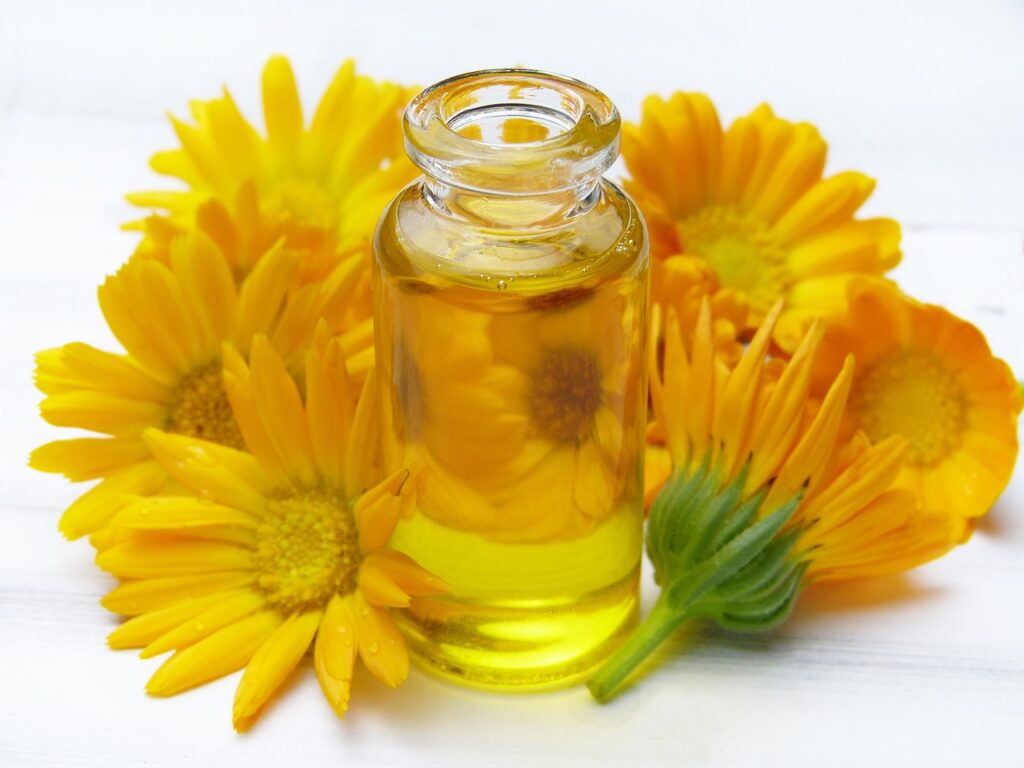
          How to Make Your Own Calendula Oil + 7 Healing Ways to Use It

          January 22, 2025

          For thousands of years, Calendula, known as pot marigold, has been used for its culinary and medicinal uses due to its anti-inflammatory and healing properties. From brewed teas and tinctures to skin care, Calendula is a powerhouse when it comes to Mother Nature’s healing power.

          What is Calendula Oil?

          Calendula oil, which is oil extracted from flowers from the Calendula officinalis plant, is a popular ingredient in ointments, creams, and salves for its soothing properties. The flower contains flavonoids and triterpenoids that provide strong anti-inflammatory effects.

          Calendula is rich in antioxidants like carotenoids and flavonoids, which protect the skin and body from oxidative stress. That makes it the perfect plant ally for epidermal ailments such as wound healing or minor skin issues, such as psoriasis and eczema.

          How to Make Your Own Calendula Oil

          • Ingredients:
          • Fresh or dried calendula petals
          • Carrier oil (olive, sweet almond, jojoba, or sunflower oil)
          • Glass jar
          • Cheesecloth or strainer
          • Step-by-Step Process:
          1. Harvest or purchase fresh or dried calendula petals. (Dried herbs are preferred for preventing mold contamination due to excesses water from the fresh leaves.)
          2. Fill a glass jar with petals and cover them completely with your carrier oil of choice.
          3. Seal the jar and let it sit in a warm, sunny spot for 4–6 weeks, shaking the jar occasionally.
          4. Strain the oil through cheesecloth or a fine strainer into a clean jar.
          5. Store the oil in a cool, dark place for up to a year.

          7 Healing Ways to Use Calendula Oil

          1. As a Soothing Skin Balm – Apply directly to dry or irritated skin, especially for eczema or psoriasis.

          2. For Healing Minor Cuts and Scrapes – Use as a natural first-aid remedy to speed up healing and prevent infection.

          3. To Soothe Sunburn or Minor Burns – Apply to burned skin for its anti-inflammatory and cooling effects.

          4. In a Relaxing Massage Oil – Mix with essential oils like lavender or chamomile for a calming massage experience.

          5. As a Baby-Safe Diaper Rash Treatment – Gentle enough for babies, calendula oil can help heal diaper rash naturally.

          6. In a Hydrating Face Serum – Add a few drops to your daily skincare routine for extra moisture and protection against acne.

          7. For Scalp Health and Hair Care – Massage into the scalp to reduce dandruff or add shine to dry, brittle hair.

          Tips for Storing and Preserving Calendula Oil

          Storing Calendula oil properly helps preserve its quality, potency, and shelf life. Here are some tips:

          Use a Dark Glass Bottle: Store the calendula oil in a dark amber or cobalt blue glass bottle to protect it from sunlight, which can degrade its therapeutic properties.

          Keep Away from Heat: Store the oil in a cool, dry place, away from direct heat sources like radiators, ovens, or hot windowsills. Excessive heat can cause the oil to go rancid faster.

          Avoid Exposure to Air: Make sure the bottle is tightly sealed to prevent exposure to air, which can lead to oxidation and spoilage.

          Label the Bottle: Mark the bottle with the date it was made or purchased, and include the expiration date (usually about 1 year from the time it’s made).

          Refrigeration: If possible, store the oil in the refrigerator. The cool temperature helps extend its shelf life and keeps it fresh longer. Be aware that the oil may thicken in colder temperatures but will return to liquid form at room temperature.

          Add a Natural Preservative: Adding a few drops of vitamin E oil can help extend the shelf life of calendula oil, as vitamin E acts as a natural preservative and antioxidant.

          Check for Spoilage: Over time, oils can develop a rancid smell or change in texture. If you notice any off odors, cloudiness, or separation, it’s best to discard the oil.

          Small Batches: If making your own calendula oil, create smaller batches to ensure you use it while it’s fresh.

          I hope you have learned a few ways to start incorporating the powerful and versatile uses of Calendula oil into your everyday health routines. From its remarkable ability to heal and soothe skin irritations, wounds, and burns to its anti-inflammatory and antimicrobial properties, this golden-hued oil is a must-have in any holistic health toolkit.

          I’d love to hear your favorite way to use Calendula oil down below.

          Happy growing, my friends!

          Filed in: Clean Beauty, Garden, Joyful Living • by Hummingbirds & Lavender •

          Intro to Herbs- Chapter 1- Calendula

          January 9, 2025

          Hey pollinators! It’s the new year, and with that comes new ideas to implement. YAY!! Today I starting a new series called “Intro to Herbs” where I introduce you to different botanical allies that are out there to help you grow and heal naturally and holistically.

          Calendula A Must-Have in Your Home Garden

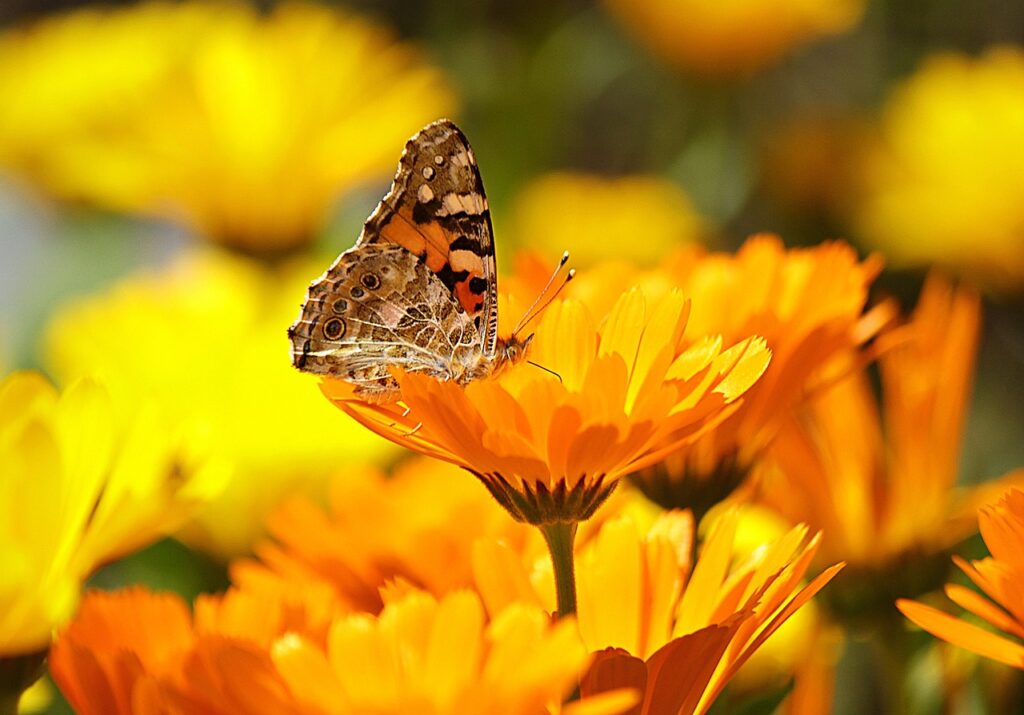
          So to start this brand new series off, I want to introduce you to the little powerhouse flower known as Calendula. Officially named Calendula officinalis, and sometimes referred to as pot marigold, this daisy-like, yellow-orange flower known for its medicinal benefits for the body and skin has been around since Antiquity.

          What is Calendula?

          Native to the Mediterranean region, the distinctly cheerful petals of the Calendula flower range from yellow to orange depending on the variety. In the past and even up to present times, it can be found in most home gardens because of its array of medicinal and culinary uses. Its prolific self-seeding nature allows for an ever-plentiful harvest. Calendula’s bright sunny petals were even used to dye textiles. As one would hope, the produced dye tones mimic the petals of the flower from which it is extracted.

          The Health Benefits of Calendula

          The key components that make Calendula a powerful healing botanical are three naturally occurring ingredients called triterpenoids, carotenoids, and flavonoids. Triterpenoids are components that naturally reduce inflammation and promote skin healing. Carotenoids and Flavonoids are antioxidants that protect from stress and damage and support skin health.

          On top of being rich in antioxidants and anti-inflammatory powers, Calendula petals have been shown to hold antibacterial and antifungal properties. Thus leading the Calendula flower to, not only be a source of culinary delights but also an integral staple of the home’s medical cabinet as well.

          Please use your own self-guidance before starting any new ideology or theory. In other words, use your own self-judgment on whether or not it is safe for you to use Calendula or Calendula products. Always consult a licensed medical provider if you need medical assistance. My advice does not supersede medical care, and should be discussed with your healthcare provider.

          Uses of Calendula

          People have used Calendula as a topical skin healing ingredient dating back to the 12th century. From treating skin conditions like eczema and psoriasis to healing wounds and minor burns, such as sunburn, Calendula has been utilized in salves and balms to promote healing and hydration of the skin. Studies have shown that by encouraging the production of collagen and new blood vessels, Calendula has been shown to help stimulate tissue regeneration which assists the skin in the healing process and promotes faster healing time.

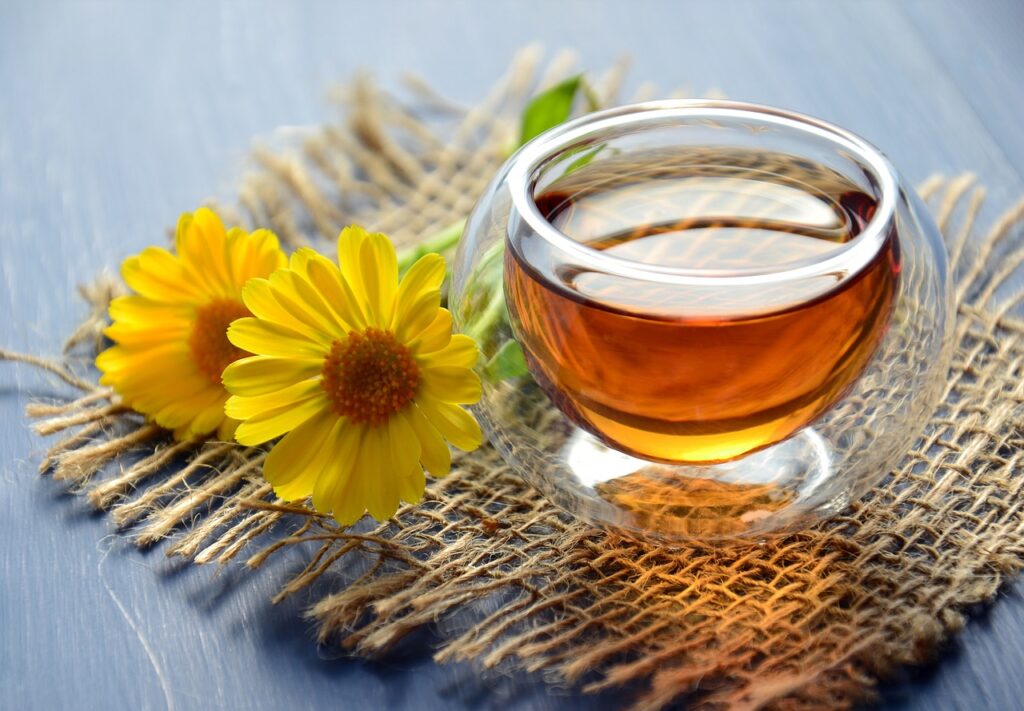
          Teas and tinctures, anyone?

          Through tinctures and teas, Calendula’s healing benefits can be utilized on the inside of our body, not just the outside. Used not only as a natural digestive remedy for heartburn and mild digestive issues, people have brewed teas to treat symptoms of PMS such as cramping and balancing menstrual cycles as well. Daily ingestion of Calendula can promote one’s immune system and help support one’s overall internal health.

          Self care to incorporate Calendula into your daily routine.

          The calendula petals can be used fresh or dried depending on how you want to use them. For example, fresh petals are great for brewing a soothing pot of tea, but not so great for making a tincture or oil infusion. Dried petals are best for these methods as the high water content of the fresh herbs can ruin the oil with bacterial growth and mold. I learned this lesson the hard way, unfortunately. R.I.P rosemary oil. 😢

          Pixie Tip🧚‍♀️- For an alcoholic based tincture, use fresh herbs that have wilted for a day. This will help to remove some of the excess water, and you still get the goodness of the fresh herb.

          Here in my garden, I haven’t had the best luck at growing Calendula, so I have bought from outside sources. But my hope is one day have rows and rows of the beautiful yellow-orange tufts filling my space. So it’s definitely on the 2025 garden grow list. In the mean time, I have ordered from a supplier and have had positive results. The petals came as expected, and worked perfectly for what I purposed them for.

          Safety first, yall…

          You can’t get any more natural than Mother Nature, but there is such a thing as an allergic reaction. So if you know you are allergic to the Asteraceae/Compositae family, which includes other plants like chamomile, ragweed, daisies, marigolds, and chrysanthemums, please be cautious of Calendula and Calendula products and consult a medical professional. Always patch-test new topical products to make sure they agree with your body.

          Alright yall! I hope I have given you the courage to go out and get to know for yourself all the wonderful benefits of this bright-petaled flower known as Calendula. By adding it to your daily routine, even in the smallest of ways, you are opening your world to Mother Nature’s healing ways. Don’t be afraid to try new things. Just remember, there are many options out there when it comes to health and wellness, and you have the power to steer your journey the way you want it to go.

          Filed in: Garden, Intro to Herb Series, Joyful Living • by Hummingbirds & Lavender •

          Herbs You Need in Your Garden This Year

          May 19, 2024

          As winter fades and hints of spring emerge, the call of Mother Nature beckons us towards renewal and rejuvenation. Embracing the ancient wisdom of herbal healing, we’re drawn to the vibrant energy of spring herbs, each leaf and petal a testament to nature’s profound healing power.

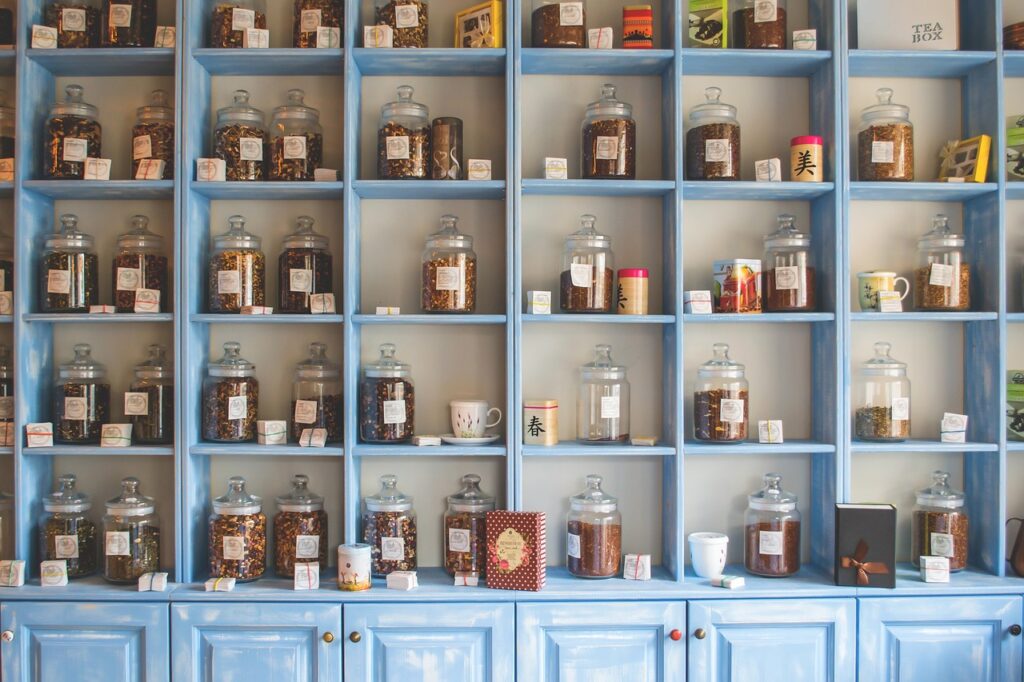
          tall, blue shelves full of clear, glass jars filled with dried herbs and botanical matter.

          Harnessing Herbal Healing:

          While I’m not a licensed medical provider, with guidance from a knowledgeable herbalist or healthcare professional, herbal remedies offer a gentle path to wellness, free from harsh side effects often associated with pharmaceuticals. From soothing digestive woes to bolstering immunity, herbs work in harmony with our bodies, addressing underlying imbalances and nurturing our innate healing processes.

          Top 10 Spring Herbs for Your Garden:

          1. Chamomile: Known for its calming properties, perfect for relaxation and skin soothing.
          2. Lemon Balm: Refreshing and calming, ideal for reducing anxiety and aiding digestion.
          3. Peppermint: A staple for digestive relief and alleviating headaches.
          4. Nettle: Nutrient-rich, supporting immunity and reducing inflammation.
          5. Dandelion: Liver-supporting and detoxifying.
          6. Echinacea: Immune-boosting and cold-fighting.
          7. Calendula: Soothing inflammation and promoting wound healing.
          8. Thyme: Antimicrobial and supportive of respiratory health.
          9. Rosemary: Antioxidant-rich and beneficial for cognitive function.
          10. Lavender: Calming and perfect for relaxation and sleep.

          Incorporating Herbs into Daily Wellness

          From herbal teas to culinary delights, botanical baths to skincare, herbs offer myriad ways to enhance wellness rituals. By embracing ethical harvesting and sustainable practices, we honor the delicate balance of our natural world and enrich our lives in profound ways.

          Exploring Herbal Wisdom: FAQs to Expand Your Knowledge

          Question 1: Can I use herbs if I’m already taking medications?

          Answer: It’s essential to consult with your healthcare provider before incorporating herbs into your routine, especially if you’re taking medications. Some herbs may interact with certain medications, potentially affecting their efficacy or causing adverse effects. Your healthcare provider can provide personalized guidance based on your specific health needs and medications.

          Question 2: How do I know which herbs are safe for me to use?

          Answer: While many herbs offer therapeutic benefits, it’s crucial to approach herbal use with caution and awareness. Start by researching reputable sources for information on herbs and their potential effects. Additionally, consider consulting with a qualified herbalist or healthcare professional who can offer personalized guidance based on your health history, current medications, and individual needs.

          Question 3: Can I grow my own herbs at home, and how do I get started?

          Answer: Absolutely! Growing your own herbs can be a rewarding and sustainable way to incorporate herbal wellness into your life. Begin by selecting herbs that thrive in your climate and growing conditions, such as basil, mint, or rosemary. Choose a sunny spot in your garden or a well-lit area indoors, and provide adequate water and soil for your herbs to flourish. Consider starting with pre-grown plants from a local nursery or seeds from a reputable supplier. With a little care and attention, you’ll soon be enjoying the fresh flavors and therapeutic benefits of homegrown herbs.

          By cultivating a deeper connection with nature and embracing the healing power of herbs, we embark on a journey of self-discovery and empowerment.

          With mindfulness and knowledge, we tap into nature’s profound healing potential, enriching our lives in ways both subtle and profound.

          Happy Spring Equinox!

          While generally considered safe when used appropriately, medicinal herbs can have side effects or interactions with medications. It’s important to consult with a healthcare professional or qualified herbalist before using herbs, especially if you have underlying health conditions or are taking medications.

          Filed in: Body, Garden, Holistic Health, Joyful Living • by Hummingbirds & Lavender •

          Nurturing Mental Wellness Through Herbalism: A Holistic Approach

          May 2, 2024

          In today’s fast-paced world, where stress and anxiety are prevalent, prioritizing mental wellness is crucial for overall health and happiness. While traditional therapies and medications have their place, exploring holistic approaches like herbalism can offer unique benefits for supporting you on your own mental health journey.

          In this post, we’ll delve into the world of herbalism and how incorporating medicinal herbs into your self-care routine can nurture your mind, body, and spirit.

          Understanding Mental Wellness and Herbalism

          Herbalism, also known as herbal medicine or phytotherapy, is the practice of using plants and plant extracts for medicinal purposes. For centuries, cultures around the world have relied on the healing properties of herbs to treat various ailments, including those related to mental health. What sets herbalism apart is its holistic approach, which considers the interconnectedness of physical, emotional, and spiritual aspects of health.

          Exploring Herbal Remedies for Mental Wellness

          There are a lot of buzz words floating out there right now, so I thought it best to kinda do a vocabulary round up.

          First on the list of words to acquaint yourself with in Adaptogen. Adaptogens are a class of herbs that help the body adapt to stressors, both physical and psychological, thereby promoting resilience and balance. Examples of popular adaptogens are Ashwaganda, which I personally love and use in my night-time routine, Tulisi, also known as “Holy Basil”, and Rhodiola, all of which have been known to alleviate symptoms of anxiety, stress, and even depression symptoms, in some cases.

          Another one to know is Nervines. Nervines are a category of herbs that are often used to support and promote nervous system health, as well as to help alleviate stress, anxiety, and tension. Nervines can have various effects on the body, including calming and sedative actions, as well as promoting relaxation, soothing nerves, and improving sleep quality. Examples of nervine herbs include chamomile, lemon balm, passionflower, and valerian.

          And last, but certainly not least is Cognitive Enhancers. Now there are a few different methods of cognitive enhancing treatments floating around the mental health scene these days. One option is following the pharmaceutical pathway, which includes diagnosis from a trained medical health provider and a treatment plan consisting of medications such as Adderall or Ritalin. Another option is cognitive therapy, things like brain games and meditation are included in this method. However for this post, I want to highlight the use of herbal options, such as Gingko Biloba. Ginkgo biloba is often taken as a supplement to enhance memory, focus, and overall cognitive function, particularly in older adults. Some research suggests that it may help improve blood flow to the brain and protect nerve cells from damage, potentially leading to better cognitive performance.

          Incorporating Herbal Practices into Daily Life

          A lot of people get overwhelmed when they think of the different ways they will have to change their already maxed-out lives to incorporate these new practices. I get it, life is busy and somedays I’m happy to just get everyone feed and in bed at a decent time, but adding herbal remedies to your self-care routine can be simple and enjoyable. Below are just a few ways to get the most benefits with the least amount of effort.

          Herbal Teas

          Nothing says self care like a hot, steamy mug of your favorite tea. Not sure which tea to try? There are tons of small business tea contours who’s purpose in this world is to providing people with quality medicinal teas blends as well as herbal education. Popular herbs like chamomile, lemon balm, or passionflower are well known to help one unwind and relax after a stressful day.

          Aromatherapy

          Another personal fave. I love having my diffuser going while I’m folding laundry and doing my chores. It has the ability to lift my mood and depending on what I’m diffusing, it can effect my productivity levels. For example, Rosemary is one of my all time favorite essential oils for energizing and promoting focus. Pro tip– Rosemary is great for those days when you need a pick-me-up, but you don’t want to use caffeine. Combine a couple drops of rosemary essential oil, and a carrier oil such as olive or jojoba oil, in a small glass roller bottle. Apply a small amount to the inside of your wrists and it should help get you over that afternoon hump.

          Herbal Supplements

          There dare a ton of supplement companies out there, and they all provide a range of supplements. Consider taking herbal supplements containing adaptogens like ashwagandha or rhodiola to support your body’s stress response and enhance mental resilience. However, not all supplements are created equal, so finding a company who you can trust to produce quality product is an important factor.

          Herbal Baths

          Making your own bath salts is a fun a creative way to prioritize your self care. Combing easily accessible ingredients such as Epsom or mineral salts and essential oils, along with dried herbs and flowers like lavender, rosemary, or rose petals, you are able to create a custom herbal blend to infuse your bathwater for a soothing and rejuvenating experience.

          Cultivating a Holistic Approach to Mental Wellness

          Complete wellness is a not a one and done approach. To cultivate the best care for yourself, you need to look at it as a lifestyle approach verses a quick fix solution. While herbs provide much needs building blocks for a healthy body, adding additional support in the the form of exercise, balanced nutrition, and quality sleep can boost your ability to maximize your health.

          Developing a regular mind-body practices such as meditation, yoga, or tai chi can connect you back to your body and allow for more enhanced mental resilience and emotional balance.

          Most importantly, never feel ashamed to seek help from qualified professionals such as herbalists, naturopathic doctors, or mental health providers. These people are here to assist you when things are too much for you to bear alone. There is no shame in asking for help.

          I hope this post has given you a sense of hope on your own wellness journey. My aim is to provide people with helpful information and practical ways to take control of your health. I cant stress this enough…we have to be our own biggest advocates when it comes to healthcare. Modern medicine is fantastic in its own right, but I believe we have to claim the responsibility of cultivating our own health and wellness for ourselves.

          By incorporating herbalism into your own mental wellness regimen, I hope to offer you an alternative, holistic approach to supporting your overall well-being. By harnessing the healing power of medicinal herbs, you can nourish your mind, body, and spirit, and cultivate greater resilience in the face of life’s challenges.

          Whether you’re sipping on a cup of herbal tea, enjoying the aroma of essential oils, or taking herbal supplements, embracing herbalism can be a transformative journey towards enhanced mental wellness and vitality.

          Let me know down below some of your favorite ways to incorporate herbal remedies into your mental wellness journey.

          Filed in: Body, Garden, Holistic Health, Joyful Living, Mind, Spirit • by Hummingbirds & Lavender •

          Building a Medicinal Herb Garden

          April 21, 2024

          Hey there, fellow green thumbs! Today, let’s dive into the wonderful world of backyard gardening and assess that precious outdoor space of yours.

          In the hustle and bustle of city life, there’s a growing trend sprouting up amidst the concrete jungle: urban farming. Picture this: trading skyscrapers for sunflowers, and traffic jams for tomato vines. As more people yearn for a deeper connection to nature and a sustainable way of living, backyard agriculture is becoming the new norm.

          In this blog post, we’ll explore the magic of transforming your urban backyard into a flourishing flower and herb farm. Not only does this venture offer a bounty of fresh, organic produce right at your doorstep, but it also adds a touch of natural beauty to your space while playing a vital role in supporting local biodiversity. So, grab your gardening gloves and let’s dig into the delightful world of urban gardening!

          How to create your dream garden

          Assess your space

          Take a stroll around your backyard sanctuary, noting the sunny spots and shady corners, envisioning what it will look like as the season progresses. Consider the soil quality, drainage, and any existing landscaping features that could complement your floral haven. Be mindful of existing water sources and how you will irrigate your garden. If the spot you dedicate as your future flower patch isn’t close to water access, you might want to consider different placement options, or have a plan ready for when its time to water. With a keen eye and a touch of creativity, you’ll transform this blank canvas into a blossoming paradise, bursting with color and flavor.

          Planning Your Garden Design

          In the initial planning stages of constructing your backyard herb and flower garden, it’s essential to sketch out a detailed garden plan. Designate specific areas for your blooms and herbs, integrating pathways for easy access and considering additional features like seating areas or compost bins to enhance functionality. Furthermore, incorporating companion planting and crop rotation strategies into your layout not only optimizes space but also fosters plant health by minimizing pests and diseases. I have come to realize that a garden is an ever evolving space. So if you plan to make permanent structures in your

          Selecting Flower and Herb Varieties

          This is the fun part, deciding what to grow. When selecting seeds for your backyard herb and flower garden, prioritize varieties that thrive in your local climate and growing conditions, ensuring optimal success. Take into account factors like bloom time, height, and color diversity to curate a visually captivating garden that flourishes throughout the seasons, providing both aesthetic pleasure and practical benefits for pollinators and wildlife alike.

          Preparing the Soil

          Preparing the soil is a crucial step in establishing a thriving backyard herb and flower garden. Begin by getting your soil tested to understand its composition and nutrient levels, amending it as necessary to enhance fertility, drainage, and structure. Incorporating organic matter like compost or aged manure further enriches the soil, providing essential nutrients and fostering optimal conditions for healthy plant growth and development.

          Starting Seeds and Propagation

          When starting herbs and flowers for your backyard garden, consider whether to begin seeds indoors or directly sow them based on the plant’s needs and the season. Some plants benefit from an early start indoors, while others thrive when sown directly into the garden. Additionally, expand your plant collection through propagation methods such as division, cuttings, or layering, offering opportunities to increase your garden’s diversity and abundance.

          Planting Your Garden

          As you transition your baby seed starts from pots to the soil in your backyard garden, ensure to follow spacing guidelines tailored to each plant variety, allowing ample room for growth. Gently transplant seedlings into prepared soil, taking care not to disturb their delicate roots. After planting, water thoroughly to settle the soil around the roots, and provide support structures for tall or vining plants to encourage healthy development and prevent damage.

          Caring for Your Garden

          Caring for your freshly planted seedlings in your backyard garden involves regular monitoring for signs of pests, diseases, or nutrient deficiencies to address issues promptly and maintain plant health. Consistent watering and the application of mulch help retain moisture in the soil while suppressing weeds, ensuring optimal growing conditions. Additionally, practice deadheading spent flowers to stimulate continuous blooming and harvest herbs regularly to encourage robust new growth for a flourishing garden throughout the season.

          Harvesting and Using Your Flowers and Herbs

          For optimal flavor and freshness, harvest herbs when they’re at their peak, usually in the morning before the sun’s heat diminishes their essential oils. Similarly, pluck flowers early in the day to capture their vibrancy and fragrance. Once harvested, dive into the versatile world of herbs, exploring their culinary and medicinal applications, while unleashing your creativity with flower arrangements to adorn your home with colorful bouquets or captivating floral displays.

          Maintaining Your Urban Flower and Herb Farm

          Maintaining a flourishing backyard garden involves consistent upkeep to ensure its health and beauty. Keep your garden tidy by regularly removing spent blooms, pruning back overgrown plants, and refreshing mulch to retain moisture and suppress weeds. Additionally, stay vigilant for signs of pests and diseases, addressing any issues promptly to prevent their spread and safeguard the vitality of your garden.

          Sharing Your Garden with the Community

          Sharing the fruits of your gardening labor not only fosters a sense of community but also spreads joy and appreciation for nature’s bounty. Gift flowers and herbs to friends, family, and neighbors, or invite them to explore your garden through tours and workshops, fostering connection and appreciation for gardening. Engaging with local gardening groups or community organizations allows for collaboration in urban farming initiatives, sharing valuable knowledge and resources to enrich the broader community.

          FAQs

          When should I start planting my garden?

          Answer: The timing for planting varies depending on your location and the specific plants you want to grow. Generally, you can start planting in the spring after the last frost date for your area.

          What are the best plants for a beginner gardener?

          Answer: Some easy-to-grow plants for beginners include herbs like basil, mint, and rosemary, and flowers such as zinnias, marigolds, and sunflowers. These plants are relatively low-maintenance and forgiving of beginner mistakes.

          What kind of soil should I use?

          Answer: Good quality, well-draining soil is essential for healthy plant growth. You can improve your soil by adding organic matter such as compost, peat moss, or aged manure to increase fertility and improve soil structure.

          That’s all for this weeks adventure, folks! I hope I have convinced yall that transforming your urban backyard into a vibrant herb and flower garden is a rewarding journey waiting to unfold. I aim to show people that space and experience does not limit your ability to cultivate an abundant garden.

          By using these simple steps as a guide, you too will be able to enjoy your garden and its gifts throughout the coming months.

          Tell me how your garden is coming along this season down below!

          Filed in: Body, Garden, Holistic Health, Joyful Living • by Hummingbirds & Lavender •

          Holistic Beauty and Self-Care: April Tips

          April 21, 2024

          Welcome to Hummingbirds & Lavender, where we embark on a holistic journey toward radiant well-being together. If you’re seeking ways to nurture your body, mind, and spirit, you’re in the right place.

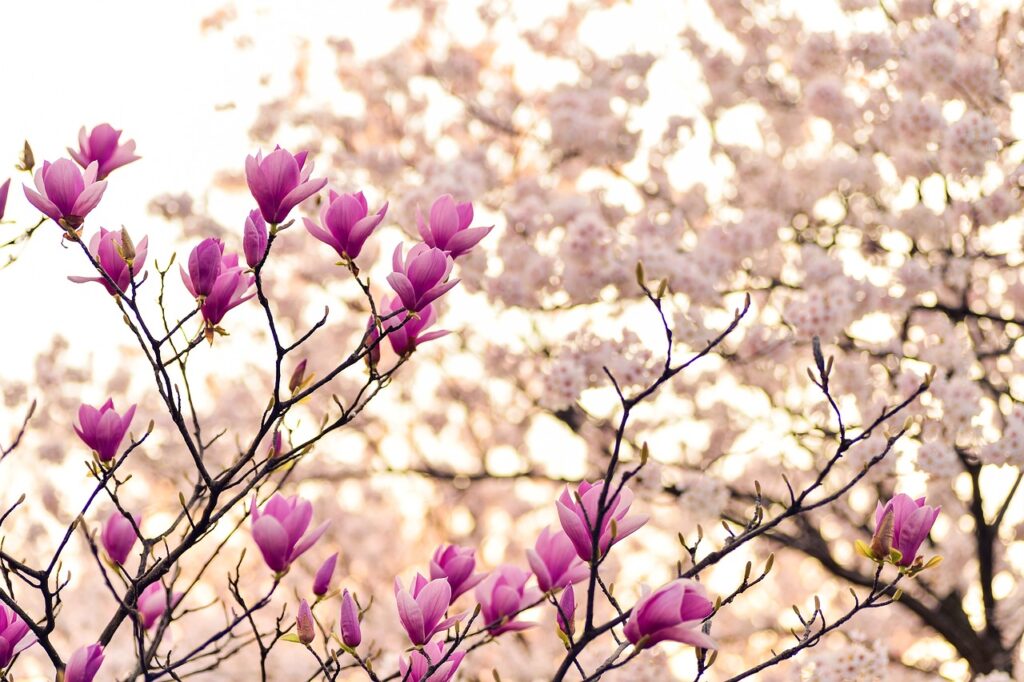
          Tulip magnolia tree  blooming with pink flowers.

          As we embrace the blossoming of spring, let’s delve into April’s holistic beauty and self-care tips to cultivate inner and outer radiance.

          Ways to practice holistic beauty and self-care this Spring.

          Here where I live, the winters aren’t so bad compared to some places in the united states. Our winters are pretty mild, but for those of y’all who are in different climates, you might not be as lucky. (kidding…kind of)

          I wanted to share a few tips to get us back to feeling our best. So here are a few suggestions to hopefully inspire your next Spring revamp.

          Harness the Power of Nature

          April showers bring May flowers, and they also bring an abundance of natural ingredients to revitalize your beauty routine. Explore the wonders of botanical extracts like rosehip oil, chamomile, and lavender. These natural treasures offer gentle nourishment for your skin, leaving it soft, supple, and glowing with vitality.

          Mindful Skincare Rituals

          Treat your skincare routine as a sacred ritual, honoring yourself with each application. Start by cleansing away the day’s impurities with a gentle, sulfate-free cleanser. Follow up with a hydrating toner to balance your skin’s pH and prepare it for nourishment. Then, indulge in a luxurious facial massage using a nutrient-rich serum or facial oil to promote circulation and radiance.

          Nourish From Within

          Remember, true beauty radiates from the inside out. Fuel your body with nutrient-dense foods that support healthy skin, such as leafy greens, antioxidant-rich berries, and omega-3 fatty acids found in fish or flaxseeds. Hydrate your body with plenty of water and herbal teas to maintain a youthful, dewy complexion.

          Holistic Hair Care

          Show your locks some love with a holistic approach to hair care. Opt for sulfate-free shampoos and conditioners infused with botanical extracts to nourish and strengthen your hair from root to tip. Treat yourself to a weekly hair mask using natural ingredients like coconut oil, honey, or avocado for luscious, vibrant strands.

          Sensory Self-Care

          Engage your senses in a blissful self-care experience. Set the mood with calming essential oils like lavender or eucalyptus in a diffuser to create a tranquil atmosphere. Treat yourself to a soothing bath infused with mineral-rich Epsom salts and aromatic bath oils to melt away tension and promote relaxation.

          Embrace Minimalism

          Simplify your beauty routine and embrace the beauty of minimalism. Focus on quality over quantity, choosing products with clean, non-toxic ingredients that align with your values and support your skin’s natural balance. Streamline your routine to include only the essentials, allowing you to savor each moment of self-care without feeling overwhelmed.

          Connect with Nature

          Take advantage of the beauty of springtime by spending time outdoors. Bask in the warmth of the sun’s rays, feel the earth beneath your feet, and breathe in the fresh, rejuvenating air. Nature has a profound ability to uplift your spirits and replenish your energy, providing the perfect backdrop for holistic rejuvenation.

          Practice Gratitude

          Cultivate an attitude of gratitude as you embrace your holistic beauty and self-care journey. Take a moment each day to reflect on the blessings in your life, expressing appreciation for the beauty that surrounds you and the abundance that nourishes you from within

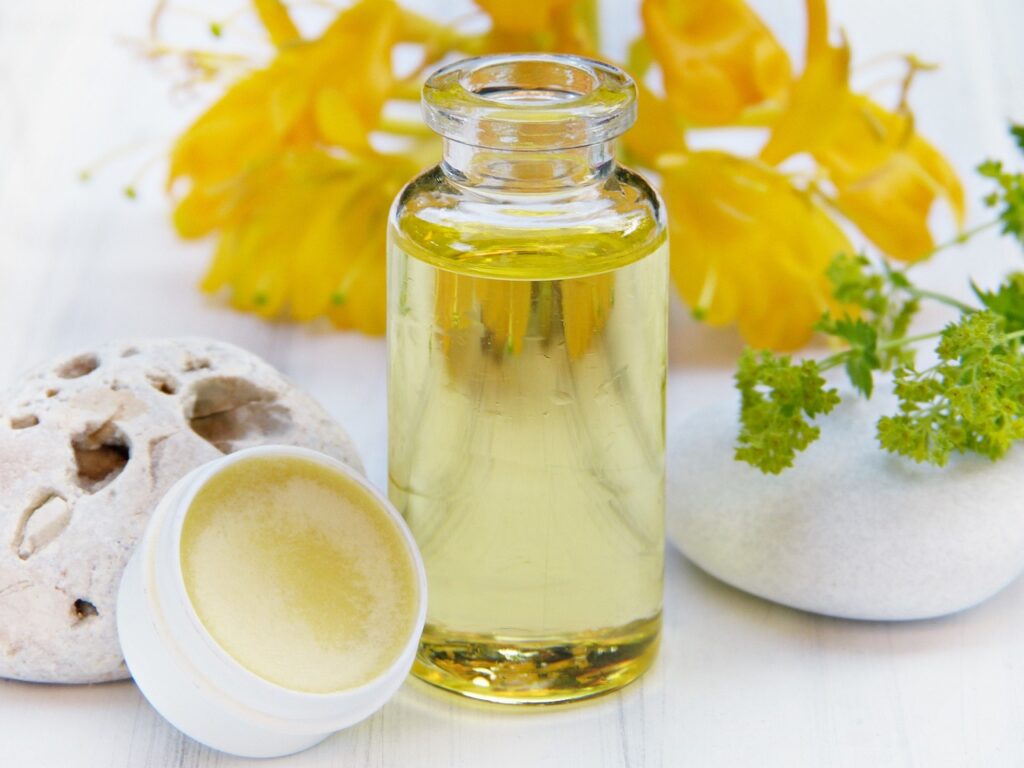
          Small jar of beeswax lip balm and apothecary bottle of herbal infused body oil surrounded by fresh flower and herbs.

          Sprout Your Curiosity: FAQs on Holistic Spring Beauty & Self-Care!

          1. How can I incorporate spring botanicals into my skincare routine for a holistic approach to beauty?
          • Answer: Embrace the rejuvenating power of spring flowers like lavender, rose, and calendula by incorporating them into homemade skincare potions and floral-infused baths. These botanicals offer nourishment for both the skin and the spirit, promoting holistic well-being.
          1. What are some eco-friendly alternatives for spring cleaning that align with holistic living principles?
          • Answer: Explore eco-conscious cleaning options infused with botanical-based cleaners and essential oils. These natural alternatives not only cleanse your home effectively but also honor the planet, reducing your ecological footprint and promoting a harmonious connection with the environment.
          1. How can I engage in mindful self-care practices during the spring season to align with holistic living?
          • Answer: Immerse yourself in outdoor wellness rituals that celebrate the beauty of spring, such as practicing yoga amidst blooming flowers, meditating beneath budding trees, or embarking on mindful nature walks. These activities allow you to connect with the natural world, rejuvenate your senses, and foster holistic well-being.

          As we navigate the joys of April and the renewal it brings, remember to prioritize self-care and embrace the holistic beauty that lies within and all around you. Together, let’s nurture our minds, bodies, and spirits as we blossom into our most radiant selves.

          Stay connected with Hummingbirds & Lavender for more holistic inspiration, and join our community of like-minded souls dedicated to personal growth and well-being. Until next time, radiate love, light, and inner beauty.

          Filed in: Body, Clean Beauty, Garden, Holistic Health, Joyful Living • by Hummingbirds & Lavender •

          Preparing Your Medicinal Garden for Spring

          February 26, 2024

          As signs of Persephone’s yearly return from the underworld grow more frequent, such as longer days and warmer temperatures, spring offers the perfect opportunity to start or revive your dream garden. Having a garden, particularly a medicinal herb garden, is a great way to reconnect with the healing power of nature. Whether you’re a seasoned herbalist or a novice gardener, you know those first few signs of Mother Nature stirring from her annual slumber are marvelous to witness. And I am here for it, folks.

          I have spent the winter planning the inventory and layout my garden, building raised beds, and starting seeds. Equal amounts of research and daydreaming has gone into this project, and I am so excited to actually begin to work outside. Ya know, get my hands dirty so to speak.

          In this blog post, I’ll walk you through the main steps to getting your garden ready for spring, so you can begin to enjoy the healing benefits of medicinal plants.

          Planning Your Medicinal Garden

          Assessing your space:

          The first step to building your dream garden is to determine the amounts of sunlight, soil quality, and space available for you garden.

          Sunlight requirements for herbs

          1. Full Sun Herbs: Herbs like basil, rosemary, thyme, oregano, sage, and lavender typically prefer full sun exposure and will thrive with 6-8 hours of sunlight per day.
          2. Partially Shade-Tolerant Herbs: Some herbs can tolerate partial shade and may require around 4-6 hours of sunlight per day. Examples include mint, cilantro, parsley, and chives.
          3. Shade-Loving Herbs: A few herbs, such as lemon balm and parsley, can grow well in shaded areas and may require 3-4 hours of sunlight or dappled light to thrive.

          Raised beds vs. in-ground planting

          The next big decision to tackle is the age old question, raised beds or in ground planting. For small suburban landscapes, I recommend raised beds as they allow for a more deliberate and manicured aesthetic that many people who live in urban areas with things, such as HOA’s, might appreciate. Raised beds generally have warmer soil temps sooner in the year compared to conventional gardens so the growing seasons might be extended in some areas. Also, they tend to have better drainage and aeration, preventing root rot, caused from the soil to become too waterlogged.

          In ground planting isn’t without its own set of perks. Natural soil integration, cost effectiveness, and greater planting flexibility are a few of the positive aspects of choosing to go this route. If you have the space and means for this type of garden, you will be able to reap the benefits of growing plants with different growing requirements without the constraints of raised beds.

          Soil Preparation and Amendments

          Soil testing is an important way to determine the health of you soil. It allows you to see the pH range and what nutrients need to be added back into the earth to maximize the growing conditions. A good place to start with soil testing is to get in contact with your local state extension office. They are one of the best resources a gardener or farmer can have. Additionally, you can improve the quality over time by adding organic matter, compost, and natural amendments back into the soil improve fertility, drainage, and structure. Pro tip: apply a layer of mulch to the top of your beds to conserve moisture, suppress weeds, and regulate soil temperature.

          Selecting and Starting Herbs

          Now comes the time to decide what you’re going to grow and how you’re going to grow it. Do you want to start from seed, plugs, cuttings, transplants? Each route has its own list of advantages and disadvantages that are worthy of a deeper individual dive, and I encourage you to research them all and find out which would be suitable for your situation. Many growers grow from seed because of the cost effectiveness as well as the connection it forms to the entire process. For those who are not ready to jump off that cliff, plugs and transplants from local nurseries offer quality options for those in need based off your hardiness zone.

          Hardiness zone

          The types of plants you will have the best luck growing based on your local temperatures and conditions, which is called your hardiness zone. Just type in you zip code and google will let you know what zone you belong to.

          Planting and Care

          Depending on the herbs and plants you choose to grow, you will need to be aware of the individual plants needs. Spacing, depth, and planting techniques will differ based on each plant. Determine the amount of water that will be needed to ensure adequate moisture without overwatering. Having access to a convenient water source will make maintaining abundant growth all season long a breeze.

          Pro-tip: Continuously monitoring plants for signs of pests, disease, or deficiencies with ensure that you have a successful crop yield. By having a constant eye on your garden, you will be able to swiftly spot any problem areas and take appropriate actions to correct the situations.

          Companion Planting and Pest Management

          Companion planting is a gardening practice that involves strategically planting different types of plants together based on their mutually beneficial relationships. The goal of companion planting is to enhance plant growth, improve pest management, increase crop yield, and promote overall garden health through natural interactions between plant species. Companion planting relies on the concept of symbiosis, where plants provide benefits to one another through various mechanisms such as pest repellence, nutrient enhancement, shade provision, and pollination support. By selecting compatible plant combinations and avoiding detrimental pairings, gardeners can create a harmonious and thriving ecosystem in their gardens.

          Harvesting and Preserving Herbs

          Harvesting herbs at the right time and in the correct manner is essential to ensure optimal flavor, potency, and plant health. Here are some general guidelines for harvesting herbs:

          Timing

          • Harvest herbs when they are at their peak flavor and aroma, typically in the morning after the dew has dried but before the sun is too hot.
          • For leafy herbs, such as basil and mint, harvest before the plant flowers, as this is when the essential oils responsible for flavor are most concentrated.
          • Woody herbs, such as rosemary and thyme, can be harvested throughout the growing season as needed, but avoid harvesting more than one-third of the plant at a time to ensure healthy growth.

          Method

          • Use clean, sharp scissors or pruning shears to harvest herbs to avoid damaging the plant.
          • Cut herbs just above a set of healthy leaves or nodes to encourage new growth and branching.
          • For leafy herbs, such as parsley or cilantro, harvest the outer leaves first, allowing the inner leaves to continue growing.
          • For woody herbs, such as lavender or sage, cut stems just above a leaf node or pair of leaves, taking care not to remove too much foliage.

          Quantity

          • Harvest herbs in moderation, taking only what you need for immediate use to allow the plant to continue growing and producing throughout the season.
          • Avoid overharvesting, as this can weaken the plant and reduce future yields.

          Storage

          • Immediately after harvesting, gently rinse herbs under cold water to remove any dirt or debris. Shake off excess water and pat dry with a clean towel.
          • Depending on the herb, you can store it fresh in the refrigerator, dry it for later use, or preserve it by freezing or making herb-infused oils or vinegars.
          • To dry herbs, tie them in small bundles and hang them upside down in a warm, well-ventilated area out of direct sunlight until fully dry. Once dry, store in airtight containers away from heat and light.

          Considerations

          • Be mindful of the plant’s growth habit and harvest accordingly. For example, perennial herbs like chives or thyme may be harvested regularly throughout the growing season, while annual herbs like basil may need to be harvested more selectively to prevent premature flowering and bolting.
          • Watch for signs of pests or diseases while harvesting and remove any affected plant material to prevent spread.

          Embracing Herbal Wisdom and Connection

          With all the practical information being discussed, it is important to remember the importance of cultivating a connection to you garden. Gardening should be an immersive experience that encourages mindfulness, gratitude, and reverence for the healing power of plants.

          This is the perfect time to start experimenting with herbal remedies. With your bountiful harvest, you will be able to explore the world of herbal medicine and DIY remedies using herbs from their garden.

          I hope this post showed you that by preparing your small medicinal garden for spring is not only a practical endeavor but also a deeply nourishing and empowering experience. By tending to your garden with care and intention, you can cultivate a sanctuary of wellness that nourishes your body, mind, and spirit throughout the seasons.

          So roll up your sleeves, dig in the dirt, and let the magic of spring awaken your inner herbalist as you embark on this journey of growth, healing, and connection with nature.

          Let me know what you’re growing in your garden this year!

          Filed in: Garden, Joyful Living • by Hummingbirds & Lavender •

          • « Previous Page
          • 1
          • 2
          • 3
          Hey, yall! I'm Ashley, creator of Hummingbirds & Lavender, and I just wanted to say welcome and thanks for stopping by. This is just a place for me to document my story of raising my family, being a botanical entrepreneur, and living the best life I can possibly create. Thanks for being a part of the journey with me.

          Follow Along on social media

          • Instagram
          • Pinterest

          Search The Blog

          Categories

          • About me
          • Astrology
          • Body
          • botanical dye
          • Clean Beauty
          • Garden
          • Healthy Recipes
          • Holistic Health
          • Home Decor & DIY
          • Intro to Herb Series
          • Joyful Living
          • Mind
          • Spirit
          • Sustainable Fashion
          • Uncategorized

          Popular Posts

          Ancestral Herbalism

          Healing Your Gut Naturally

          Copyright © 2026 · Theme by Blog Pixie