• Holistic Health
    • Mind
    • Body
      • movement
    • Spirit
      • Astrology
  • Joyful Living
    • Home Decor & DIY
    • Sustainable Fashion
    • Clean Beauty
    • Garden
      • Intro to Herbs Series
  • About me
    • Who is Hummingbirds and Lavender?
  • Follow

    • Etsy
    • Instagram
    • Pinterest
    • YouTube

Hummingbirds and Lavender

Holistic, Sustainable, Intentional

Botanical Dye 101

July 23, 2025

Bringing Nature’s Colors into Your Life

If you’ve ever wandered through a garden, admiring the colors of flowers and plants, you’ve probably noticed that nature is full of vibrant, earthy tones. What if you could capture some of that beauty and bring it into your home through fabric and textiles? Well, the world of natural dyeing opens the door to a more sustainable and creative way of adding color to your life—all while using plant-based materials!

Botanical dyeing, or natural dyeing, is the art of coloring fabric using plant materials, including flowers, leaves, roots, and even food scraps. It’s an ancient practice that has been used across cultures for thousands of years, but it’s making a modern comeback as people look for more eco-friendly alternatives to synthetic dyes.

In this post, we’ll introduce you to the basics of botanical dyeing, from choosing natural fibers to creating your own beautiful dyes using things you might already have in your kitchen or garden.

🌿 The Basics of Botanical Dyeing

Before we dive into the how-tos, let’s talk about what you’ll need to get started. Botanical dyeing works best with natural fibers, which are more receptive to plant-based dyes than synthetic materials. Here’s what you should know:

  • Natural Fibers:
    For the best results, use fibers like cotton, linen, wool, or silk. These materials are ideal because they contain proteins or cellulose that allow the dye to bond and set. Synthetic fibers, like polyester or nylon, don’t take on natural dyes as easily and often require harsh chemicals to set the color.
  • Dyeing Mordants:
    A mordant is a substance that helps the dye adhere to the fabric. While some plant dyes will work without mordants, using one can help your colors stay vibrant and last longer. Common mordants include alum, vinegar, or even iron. Be sure to follow instructions on how to prepare the mordant for your particular dyeing project.

🌸 What Can You Dye With?

One of the most magical parts of botanical dyeing is that so many everyday plants and food scraps can be used to create stunning colors. If you love the idea of upcycling, this is the perfect way to breathe new life into your kitchen scraps and garden clippings! Here are some common natural sources of dye:

  1. Flowers:
    Flowers can produce a wide range of colors, from soft pastels to deep hues. For example, marigolds create a beautiful yellow-orange shade, while lavender offers a delicate purple hue. Hibiscus flowers can give you a rich, reddish-pink, and chamomile will yield a soft yellow.
  2. Roots and Barks:
    The root systems of many plants contain vibrant pigments that can be used to dye fabric. Beetroot gives a lovely pink or red color, and turmeric (yes, the kitchen spice) can create a rich, golden yellow. Madder root produces a gorgeous red, and oak bark can be used to create earthy browns.
  3. Leaves:
    While leaves are often thought of as green, they can produce a range of colors when used in natural dyeing. Spinach can offer a soft green, while indigo leaves are used to create blue shades (the same leaves that are used to make indigo dye). Black walnut leaves and avocado pits can also give beautiful natural browns and pinks, respectively.
  4. Food Scraps:
    If you love reducing waste, food scraps can be a great source of natural dye. Onion skins—whether yellow or red—can yield rich orange and gold tones. Avocado pits can produce a warm pinkish color. And don’t toss your leftover coffee grounds—coffee can give a deep, earthy brown.
  5. Fruits and Vegetables:
    Many fruits and vegetables, when boiled, can produce fantastic dyeing materials. Blueberries create rich purples, blackberries offer blues and purples, while pomegranate skins give a lovely yellowish-gold. Carrot tops make for a unique greenish hue as well.

🍃 How to Dye with Botanicals: A Simple Guide

Ready to start your own botanical dyeing project? Here’s a simple, beginner-friendly guide to get you started:

1. Choose Your Fabric:

Begin by selecting your fabric. Natural fibers like cotton, linen, silk, or wool work best. Cut your fabric into manageable pieces, such as small swatches or old t-shirts, to experiment on.

2. Prepare the Fabric:

Pre-wash your fabric to remove any dirt, oils, or sizing that might prevent the dye from adhering properly. Some people also recommend soaking the fabric in a mordant before dyeing to ensure the colors set. The most common mordant is alum, but other options include vinegar or iron.

3. Prepare the Dye:

For each dyeing material, you’ll need to create a dye bath. Here’s how:

  • Chop your plant material into small pieces.
  • Fill a large pot with water (enough to submerge your fabric), and add your plant material.
  • Simmer the plant material for about 30-60 minutes. The longer you simmer, the deeper the color.
  • Strain out the plant material, leaving only the colored water.

Now you have your dye! Feel free to experiment with the dye strength—if you want a lighter color, simply dilute the dye with more water.

4. Dye the Fabric:

Submerge your fabric into the dye bath, making sure it’s fully saturated. Leave it to soak for 30 minutes or more. The longer it soaks, the more intense the color will be. After the fabric has reached the desired hue, rinse it in cool water until the water runs clear.

5. Dry Your Fabric:

Once the fabric has been dyed and rinsed, hang it to dry in a well-ventilated area. The color may lighten a bit as it dries, so keep that in mind when you’re choosing how long to let it sit in the dye bath.

🌿 Why Botanical Dyeing?

In a world full of synthetic fabrics and chemical-based dyes, botanical dyeing offers a sustainable and creative alternative. It’s a beautiful way to connect with nature, reduce waste, and explore your creativity—all while using resources that are often just a step away in your garden or kitchen.

By embracing botanical dyeing, you can create one-of-a-kind, eco-friendly fabrics that reflect your unique style, while supporting a healthier planet. So, grab your garden shears or your kitchen scraps, and let’s start experimenting with the colorful world of botanicals!

With love and natural color,

Filed in: botanical dye, Garden, Home Decor & DIY, Joyful Living, Sustainable Fashion • by Hummingbirds & Lavender •

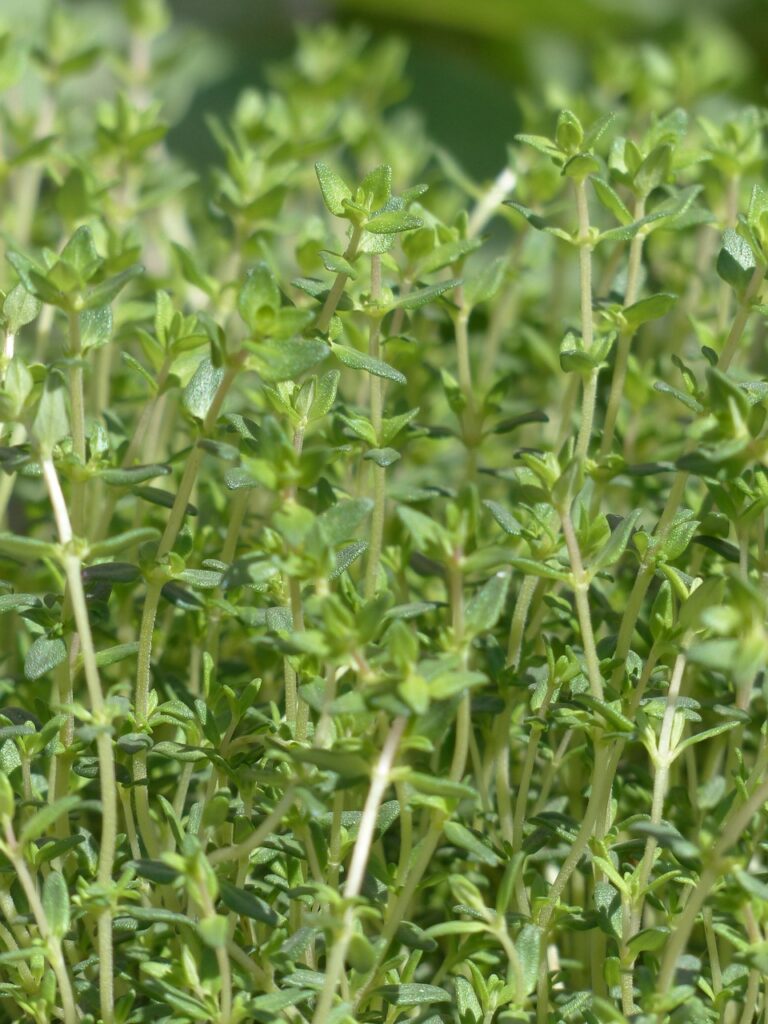
Thyme on Your Side: The Tiny Herb with Big Healing Power

July 9, 2025

When it comes to herbs that quietly do it all, thyme is the real MVP. It’s grounding but punchy, gentle but effective—and it’s one of those herbs that feels like it’s always been there for us, tucked into bubbling broths or steeped in cozy teas when we need a little healing.

This month, we’re giving thyme its well-earned spotlight with seven easy, beautiful ways to incorporate it into your daily rhythm—from kitchen to bath to teacup.

7 Lovely Ways to Use Thyme in Everyday Wellness
Herbal living with intention + flavor

1. Thyme Tea for Immune Support & Calm

Let’s start with the most soothing: tea. Thyme tea is deeply aromatic and surprisingly powerful—it’s packed with antibacterial and antiviral compounds like thymol, which support your immune system and help ease coughs, sore throats, and even tension headaches.

To make: Steep 1 tsp of dried thyme (or 2–3 fresh sprigs) in hot water for 10 minutes. Add lemon and honey if you’d like.

🌿 H&L tip: Sip this in the evenings during cold season, or whenever you’re feeling a little rundown.

2. Thyme-Infused Honey for Coughs, Skin, and Snacks

This one’s a two-for-one. Thyme honey is a delicious, multipurpose staple for natural health. Use it for soothing sore throats, calming coughs, dressing minor cuts, or simply drizzling over goat cheese or toast for an herby twist.

To make: Fill a small clean jar with fresh thyme, pour raw honey over it, and let it infuse for 1–2 weeks in a cool, dark place. Strain or leave the thyme in—up to you.

🍯 Bonus use: Apply thyme honey topically to small blemishes or dry patches as a natural antimicrobial balm.

3. Herbed Butter or Olive Oil for Everyday Cooking

If thyme had a love language, it would be “add me to butter and bread.” Herbed butter or olive oil with thyme is simple to make and elevates everything from morning eggs to weeknight pastas.

Quick how-to:

  • For butter: Mash softened butter with chopped fresh thyme, a little garlic, and sea salt.
  • For oil: Warm olive oil gently with sprigs of thyme and let it infuse for a few hours.

🌿 Use either on veggies, bread, or to finish grilled fish.

4. Herbal Steam for Congestion & Glow

Feeling a bit stuffy or dull-skinned? A thyme facial steam is your herbal self-care hero. The antibacterial and clarifying properties make it perfect for clearing both sinuses and pores.

To do: Add a small handful of fresh thyme to a heat-safe bowl. Pour in hot water, lean over with a towel over your head, and breathe in the herbal steam for 5–10 minutes.

🧖 Optional: Add rosemary or lavender for extra spa vibes.

5. DIY Herbal Bath Soak for Sore Muscles

If you’re craving a slow soak after a long day (who isn’t?), thyme’s anti-inflammatory and calming qualities can help ease muscle tension and quiet the nervous system.

What to do: Toss a handful of fresh thyme into a muslin bag or tea infuser and drop it into a warm bath. Pair it with Epsom salts and a little lavender oil for the ultimate relaxing moment.

🌿 You’ll step out feeling more grounded and less tense—like you just reset your whole energy.

6. Thyme Vinegar for Wellness Shots or Salad Dressings

Infusing raw apple cider vinegar with thyme is both delicious and practical. It creates a tangy, gut-loving tonic you can sip (diluted), mix into salad dressings, or even use as a scalp rinse for itchy skin.

How to make: Fill a jar halfway with fresh thyme. Cover with raw apple cider vinegar and let it sit for 2–3 weeks. Strain and store in a glass bottle.

🥗 A splash of this vinegar in olive oil makes a next-level vinaigrette, especially paired with roasted veggies or grain bowls.

7. Simple Thyme Syrup for Mocktails & Desserts

Herbal syrups aren’t just for fancy cafés—you can make them at home in under 15 minutes, and thyme adds a fresh, unexpected note to cocktails, mocktails, and even pancakes.

Recipe:

  • 1 cup water
  • 1 cup sugar or honey
  • 4–5 sprigs of fresh thyme

Simmer together for 10 minutes, strain, and store in the fridge.

🍋 Try it in sparkling water with lemon for a chic herbal spritz, or drizzle it over vanilla ice cream on a warm summer night.

Final Thoughts

Thyme isn’t flashy—it’s not trying to be the loudest herb in the garden. But it shows up in all the little ways that make a difference. Whether you’re layering it into a roast chicken, sipping it in tea, or soaking in it after a long week, thyme reminds us that wellness can be simple, fragrant, and wildly effective.

Which of these are you most excited to try? Share your thyme moments with us in the comments—or tag us in your garden-to-table creations. 🌿

With love and herbal magic,

Filed in: Body, Garden, Healthy Recipes, Holistic Health, Intro to Herb Series, Joyful Living • by Hummingbirds & Lavender •

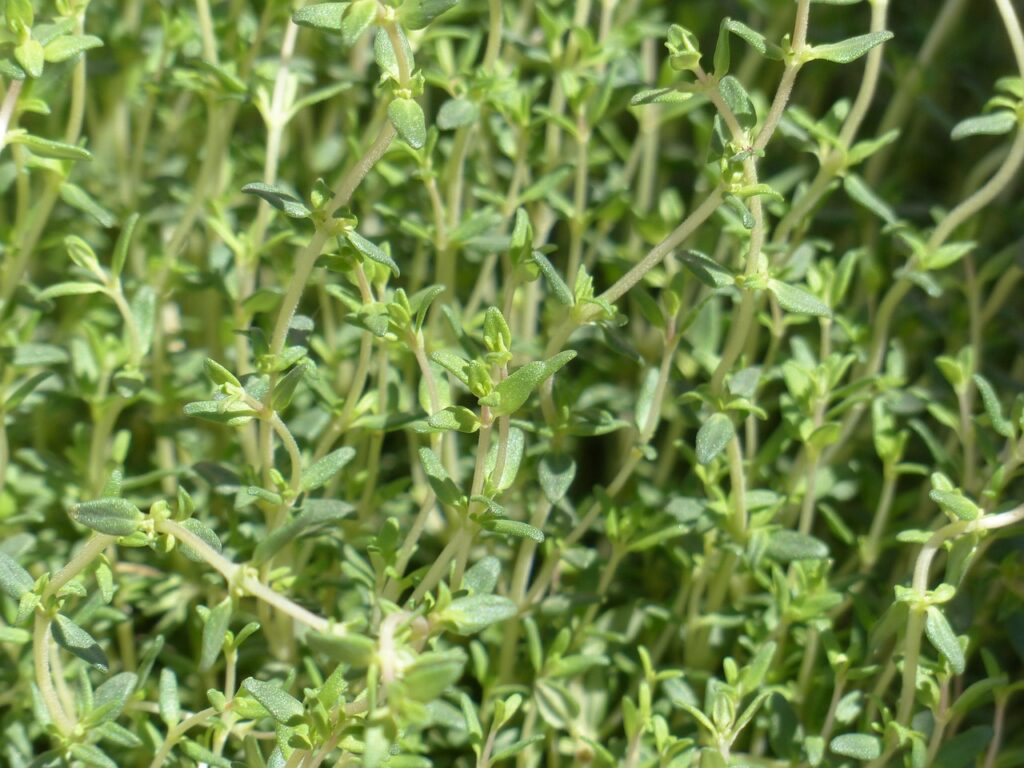
Intro to Herbs- chapter 7- Thyme

July 2, 2025

Discover the Medicinal Magic of Thyme for Wellness, Inside and Out

If herbs had personalities, thyme would be the friend who’s quietly brilliant—low-maintenance, always helpful, and surprisingly good in just about every situation. Whether you’re making soup, nursing a cold, or sprucing up your windowsill garden, thyme has a way of showing up exactly when you need it.

This month in our Intro to Herbs series, we’re giving this unassuming powerhouse its moment in the sun. Let’s talk about why thyme deserves a spot in your garden, your kitchen, and your holistic wellness cabinet.

🌿 A Little History + Herbal Snapshot

Thyme (Thymus vulgaris) is native to the Mediterranean and has been used for thousands of years—by Egyptians for embalming, Greeks in baths and temples, and medieval Europeans who tucked it under pillows to ward off nightmares. Today, we use thyme mostly for its strong antimicrobial, antifungal, and anti-inflammatory properties… and also because it tastes amazing.

Fun fact to tuck away: In ancient times, thyme was associated with courage. Roman soldiers bathed in it before battle!

🍲 Culinary Magic

Let’s be honest: thyme just makes food taste better. Its earthy, slightly minty flavor adds depth to soups, stews, roasted veggies, meats, and even baked goods.

Quick ideas:

  • Toss fresh thyme into olive oil and drizzle over roasted potatoes.
  • Steep it in broth to add flavor and immunity-boosting benefits.
  • Sprinkle dried thyme onto homemade focaccia (chef’s kiss).

🌿 Tip: Thyme is one of the few herbs that actually holds up well when dried, so don’t be afraid to preserve your summer harvest for year-round use.

🌼 Medicinal & Holistic Benefits

Thyme is more than just a culinary MVP—it’s also an herbal medicine cabinet all on its own.

1. Immune Booster

Thyme is packed with thymol, a compound that fights bacteria and viruses. It’s perfect during cold and flu season—or anytime your immune system needs a little love.

How to use it: Make a simple thyme tea by steeping 1 tsp of dried thyme in hot water for 10 minutes. Add honey and lemon if you’re feeling under the weather.

2. Respiratory Support

Thyme is a natural expectorant, which means it helps break up mucus and ease coughs.

Try this: Make a steam inhalation with thyme and eucalyptus for congestion. Add fresh or dried thyme to a bowl of hot water, cover your head with a towel, and breathe deeply.

3. Digestive Aid

Too much cheese plate? Thyme can help! It soothes indigestion, gas, and cramping.

Sip it: Thyme tea after meals can ease bloating and get things moving gently.

🌿 Simple DIYs with Thyme

✨ Thyme-Infused Honey

Perfect for sore throats or drizzling on toast.

How to make it: Fill a small jar with fresh thyme (washed and dried), cover with raw honey, and let it infuse for a week. Strain if you like, or keep the thyme in for a rustic touch.

✨ Herbal Bath for Muscle Relief

Tired body? Add a handful of fresh thyme and Epsom salts to your bath. The herb’s anti-inflammatory properties help relax sore muscles and calm your nervous system.

✨ Garden Fresh Cleaning Spray

Thanks to its antibacterial properties, thyme is a natural choice for DIY cleaners.

Simple recipe: Steep a bunch of fresh thyme in white vinegar for two weeks. Strain and pour into a spray bottle. Add a few drops of lemon essential oil for that clean, zesty vibe.

🌱 Growing Thyme at Home

Thyme loves the sun, doesn’t ask for much, and thrives in both pots and garden beds. It’s drought-tolerant, deer-resistant, and bee-friendly. Plus, it smells divine when you brush against it.

Plant care:

  • Loves full sun and well-draining soil.
  • Trim it often to encourage bushy growth.
  • Harvest just before it blooms for the most flavor.

🌿 Gardening fun fact: Thyme attracts pollinators like bees and butterflies, making it a beautiful and functional addition to your herb garden.

Final Thoughts

Thyme is a quiet overachiever. It’s a healer, a flavor-enhancer, and a symbol of resilience all in one tiny stem. Whether you’re sipping it in tea, cooking with it, or simply brushing your hands over a plant in the garden, thyme reminds us to pause, breathe, and enjoy the small, grounding things in life.

Which way are you most excited to use thyme this season? Let’s chat in the comments—your tea mug or herb scissors are waiting. 🌿

Until next time,

Filed in: Body, Garden, Holistic Health, Intro to Herb Series, Joyful Living • by Hummingbirds & Lavender •

Soothing & Simple: 7 Lovely Ways to Use Chamomile for Natural Wellness

June 11, 2025

7 Gentle Ways to Use Chamomile for Holistic Health

Chamomile has a way of sneaking into your life like a quiet little whisper—subtle, soothing, and just what you needed. You’ve probably had it as tea when you couldn’t sleep, but this humble herb has a lot more to offer when it comes to natural wellness.

At Hummingbirds & Lavender, we’re all about slow living and finding gentle, effective ways to support our health with what grows right outside (or in your kitchen cabinet). So today, let’s explore seven simple and intentional ways to use chamomile in your everyday holistic routine.

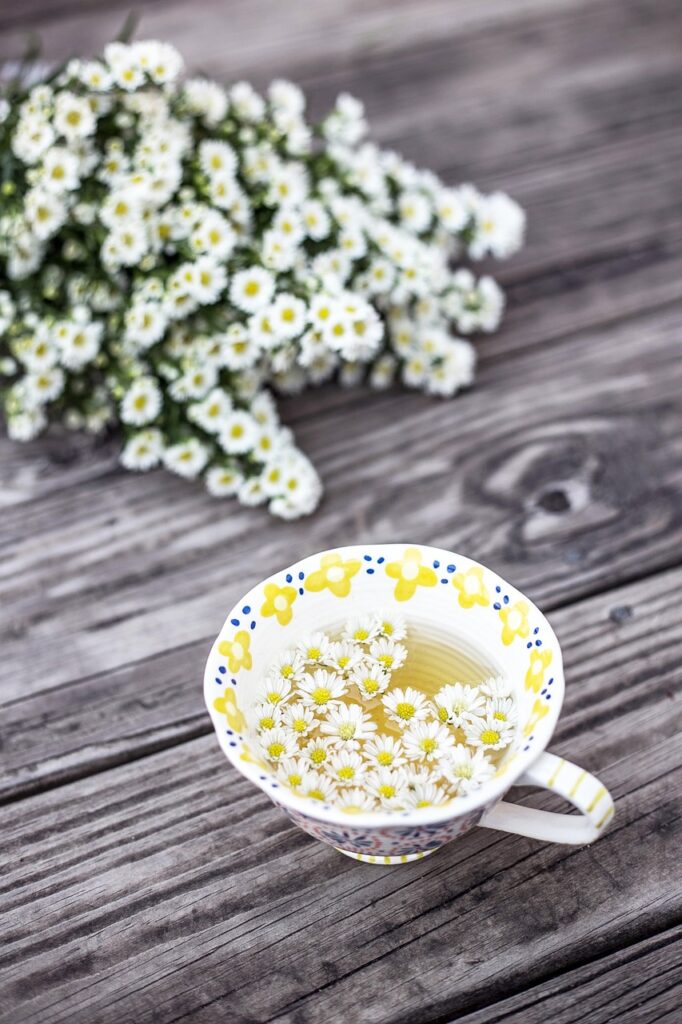
1. Soothe Stress with a Chamomile Tea Ritual

Yes, it’s classic—but that’s because it works. Chamomile tea isn’t just about the herb’s natural calming compounds (like apigenin); it’s also about the act of slowing down to sip something warm and grounding.

Try this: Brew 1–2 teaspoons of dried chamomile in hot water for 5–10 minutes. Add a bit of honey if you like. Sip slowly, ideally without multitasking. Just breathe and be.

🫖 Little ritual tip: Pair your evening tea with a few deep breaths and low lighting. It’s like hitting the reset button.

2. Ease Tummy Troubles with a Warm Cup

Chamomile’s anti-inflammatory and antispasmodic properties make it a go-to for digestive issues—think bloating, gas, cramping, or just that “off” feeling.

How to use it: After a heavy meal or during PMS, sip chamomile tea to help calm your digestive system. It’s especially good when blended with peppermint or ginger.

🌿 Tuck-away tip: Chamomile is kid-friendly and can be used (in moderation) to help little ones with tummy aches, too.

3. Create a Calming Chamomile Compress

Got irritated skin, tired eyes, or a tension headache? A warm or cool chamomile compress can work wonders.

Do this: Steep a strong chamomile infusion (think 3–4 teaspoons of dried flowers per cup of hot water), soak a clean cloth in it, and apply to the affected area. Warm for cramps or jaw tension, cool for puffiness or inflammation.

💛 Pro tip: Store cooled tea in the fridge to have on hand for quick-use compresses or a refreshing face splash.

4. Add Chamomile to a Sleepytime Bath

If you’re having trouble winding down, chamomile can help turn your bath into a mini spa moment.

Try this blend: Add ½ cup of dried chamomile flowers (or a few chamomile tea bags) to your bathwater, along with Epsom salts and a few drops of lavender essential oil. Steep yourself like a teabag and let the herbs do their thing.

🛁 Bonus: It’s lovely for calming sensitive skin, too.

5. Make a DIY Chamomile Face Steam

Face steams are an easy way to treat your skin and your nervous system at the same time. Chamomile is especially helpful for sensitive, dry, or irritated skin.

How to do it: Add a handful of dried chamomile to a bowl of hot water. Drape a towel over your head and hover your face over the steam (not too close!). Breathe deeply for 5–10 minutes.

🌼 Add-ins: A pinch of calendula or a few rose petals turns this into a whole mood.

6. Infuse Chamomile into Herbal Oil

Chamomile-infused oil is a skin-soothing staple that can be used in balms, lotions, or directly on dry, irritated areas.

Simple method: Fill a clean jar with dried chamomile and cover it with a carrier oil (like sweet almond or jojoba). Let it sit in a sunny windowsill for 2–4 weeks, shaking gently every day. Strain and store in a dark bottle.

🌿 Use it for: Massage oil, baby care, cuticle oil, or a nourishing base for homemade salves.

7. Try Chamomile Glycerite for Gentle Mood Support

If alcohol-based tinctures aren’t your thing, a chamomile glycerite is a sweet and soothing alternative. It’s like a tincture, but made with glycerin—great for kids or sensitive systems.

Use it for: Nervous tension, mild anxiety, or trouble sleeping. You can take a dropperful in a bit of water or directly under the tongue.

✨ Note: You can buy it pre-made at natural health stores or try making your own at home if you’re feeling crafty.

Final Thoughts

Chamomile reminds us that healing doesn’t have to be dramatic. It’s soft, slow, and effective in the most unassuming ways. Whether you’re steeping a cup of tea, soaking in a floral bath, or dabbing a little chamomile oil on your skin before bed, you’re choosing to care for yourself gently—and that’s powerful.

Let me know which remedy you’re excited to try! Or, if chamomile’s already a staple in your wellness toolkit, share your favorite way to use it in the comments.

Stay well, stay cozy 🌼


Filed in: Body, Garden, Holistic Health, Intro to Herb Series, Joyful Living • by Hummingbirds & Lavender •

Intro to Herbs: part 6- Chamomile

June 4, 2025

Chamomile – The Calm in Your Garden

Welcome back to Hummingbirds & Lavender! This month in our Intro to Herbs series, we’re getting to know chamomile—a small but mighty herb that’s probably already in your pantry (hello, sleepytime tea) and totally deserves a spot in your garden, too.

Chamomile is one of those herbs that does a little bit of everything. It looks charming, smells amazing, and works wonders in everything from teas to skincare. It’s kind of like that friend who always knows how to help you relax and also brings snacks. Let’s dig into what makes this gentle herb such a favorite.

Meet Chamomile: More Than Just a Pretty Flow

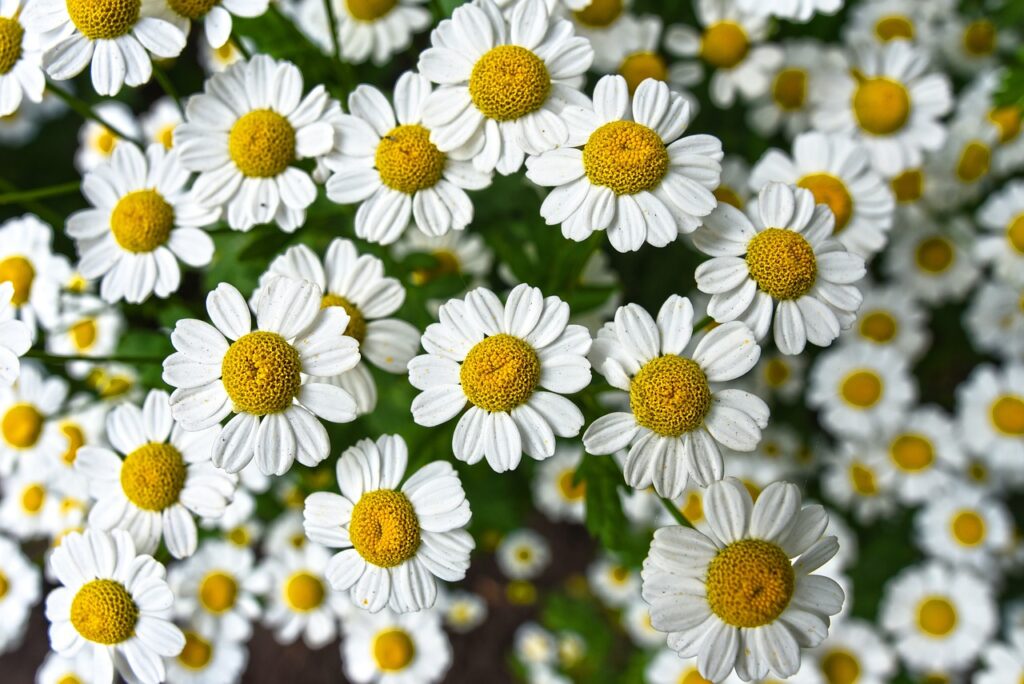
Chamomile is part of the daisy family (Asteraceae), and its tiny white blossoms with yellow centers look like mini suns—bright and cheerful. There are two main types you’ll run into:

  • German Chamomile (Matricaria chamomilla) – Tall, delicate, and super common in herbal teas.
  • Roman Chamomile (Chamaemelum nobile) – Shorter, more of a ground cover, and great in essential oils or as a natural lawn alternative.

Both smell sweet and apple-like, which makes sense: the word “chamomile” actually comes from Greek and means “ground apple.”

🧠 Fun fact to remember: If it smells like apples and looks like a daisy, it’s probably chamomile.

Why Chamomile Is a Natural MVP

Chamomile has been used for thousands of years (literally—ancient Egyptians were big fans), and it’s still one of the most popular herbs for good reason. Here’s what it’s known for:

  • Chill vibes only: Chamomile is famous for helping with stress, anxiety, and sleep. That’s thanks to a natural compound called apigenin that promotes calm and relaxation.
  • Gentle on digestion: Feeling bloated or crampy? Chamomile tea has anti-inflammatory properties that help soothe your digestive system.
  • Skin-soothing superstar: Chamomile can calm irritated skin, help heal small cuts or burns, and reduce redness. You’ll find it in tons of natural skincare products for a reason.

It’s safe for most people, but a quick heads-up—if you’re allergic to ragweed or daisies, you might want to patch test first before using chamomile topically.

🌼 Tuck-away tip: You can use chamomile in steams, baths, teas, or even in homemade balms for a full-body unwind moment.

Chamomile in the Kitchen

We all know chamomile tea. But there’s more you can do with this herb if you’re into experimenting a little in the kitchen. Its flavor is light, floral, and a little fruity—perfect for subtle, comforting recipes.

Here are a few simple ways to get creative:

  • Chamomile-infused honey – Steep dried chamomile in warm honey for a dreamy drizzle over toast, yogurt, or pancakes.
  • Floral baked goods – Add crushed dried chamomile to sugar cookies or shortbread for a soft floral note.
  • Chamomile milk latte – Steep flowers in warm milk with a dash of vanilla and cinnamon. It’s cozy in a cup.

🍪 Fun fact: Chamomile was once used in beer before hops took over. It added flavor and helped with digestion. Multitasking!

Growing Chamomile: Easy, Low-Maintenance, and Beautiful

Good news for beginner gardeners: chamomile is super easy to grow. Whether you’re planting it in a pot on your patio or mixing it into your garden beds, it doesn’t need much to thrive.

  • Sun: Loves full sun but can handle some afternoon shade.
  • Soil: Prefers well-drained soil, but isn’t too picky.
  • Water: Keep it lightly watered until it’s established, then it’s fairly drought-tolerant.
  • Harvesting: Snip the flowers when they’re fully open and dry them upside down or in a dehydrator.

German chamomile is an annual and can get tall and feathery, great for picking. Roman chamomile is a perennial and stays low to the ground, perfect for walkways or garden borders.

🌿 Pro gardening tip: Chamomile is a great companion plant—it attracts pollinators and can help repel unwanted bugs from your veggies.

Everyday Ways to Use Chamomile

If you’re growing chamomile or buying it dried, here are a few easy ways to work it into your daily routine:

  • Brew a calming tea before bed
  • Toss dried flowers into your bath with some Epsom salts
  • Infuse oil for DIY body butter or balm
  • Add it to a steam facial for tired skin
  • Make your own calming pillow spray (chamomile + lavender = dream team)

Chamomile Quick Facts to Impress Your Friends

  • It’s related to daisies and smells like apples.
  • The tea helps with sleep, digestion, and stress.
  • Bees love it—plant it near your veggies for better pollination.
  • It self-seeds, so once you plant it, it may keep coming back year after year.
  • It’s been used in folk medicine for thousands of years, and science is catching up.

Chamomile might not be the flashiest herb in the garden, but it’s one of the most useful. It’s gentle, grounding, and always there when you need a little extra calm. Whether you’re sipping tea, growing a patch in the garden, or just enjoying the scent, chamomile brings a sense of peace that’s hard to beat.

If you’re already using chamomile—or inspired to start—let me know in the comments. I’d love to hear how you’re working this lovely little herb into your slow-living lifestyle.

Until next time, keep things cozy and green 🌿

Filed in: Body, Garden, Holistic Health, Intro to Herb Series • by Hummingbirds & Lavender •

How to Make DIY Lemon Balm Oil at Home + 5 Healing Ways to Use It

May 14, 2025

There’s something quietly powerful about working with herbs you’ve grown or gathered yourself—and lemon balm is one of those herbs that feels like a sweet friend in plant form. With its bright lemony scent and soft, heart-soothing energy, lemon balm (Melissa officinalis) has long been used to calm the nervous system, ease digestive tension, and support radiant skin.

Making your own lemon balm oil at home is a simple, beautiful way to bottle up some of that magic. Whether you’re tending to your skin, your mood, or your overall vitality, this gentle herbal oil can be a steady companion on your natural wellness journey.

🌿 What Is Lemon Balm Oil?

Lemon balm oil is an herbal-infused oil, not an essential oil. It’s made by steeping the fresh or dried leaves of the plant in a carrier oil (like olive or jojoba), allowing the plant’s beneficial compounds to infuse over time. The result is a fragrant, golden-green oil full of calming, anti-inflammatory, antiviral, and skin-soothing properties.


🍋 How to Make Lemon Balm Oil at Home

You don’t need fancy equipment—just a little time, sunlight, and intention.

✨ Ingredients:

  • 1 cup fresh lemon balm leaves (or ½ cup dried)
  • 1 to 1½ cups carrier oil (such as olive, sweet almond, jojoba, or grapeseed)
  • A clean glass jar with a lid
  • Cheesecloth or fine strainer
  • Amber glass bottle (for storage)

✨ Instructions:

  1. Harvest + dry: If using fresh lemon balm, let it wilt on a towel for 12–24 hours to reduce moisture and prevent mold.
  2. Fill a jar: Place the leaves in a clean, dry jar and pour your oil over them until completely covered. Leave a little space at the top.
  3. Infuse:
    • Sun Method: Place the jar in a sunny window for 2–3 weeks, shaking gently every day.
    • Warm Method: Gently heat the jar in a double boiler or yogurt maker at very low heat (100–120°F) for 4–6 hours if you’re short on time.
  4. Strain: Once infused, strain the oil through cheesecloth and discard the plant material.
  5. Store: Pour the finished oil into a dark glass bottle and store in a cool, dry place. It will keep for up to a year.

✨ 5 Unique Ways to Use Lemon Balm Oil (Inside + Out)

Once you’ve made your lemon balm oil, there are so many beautiful ways to bring it into your daily rituals. Here are five unique, wellness-enhancing uses to help you experience the full range of its healing magic:

1. Stress-Relief Scalp Massage Oil (External)

Warm a few drops of lemon balm oil in your palms and massage gently into your scalp before bed. It helps calm an overactive mind, relieve tension headaches, and nourish the scalp—especially if you’re sensitive to stress or sensory overload.

2. Digestive Belly Rub (External)

Rub a small amount of lemon balm oil onto your abdomen in gentle, clockwise circles after meals. This is an ancient practice for relieving gas, bloating, and digestive tension—especially when the root cause is stress.

3. Lip & Cold Sore Balm (External)

Lemon balm’s antiviral properties shine when applied to the lips. Mix the infused oil with a little beeswax or shea butter to create a natural balm. Apply regularly to prevent cold sores or soothe flare-ups.

4. Herbal Oil Drops for Nervous Tension (Internal)

If using a food-grade oil (like organic olive oil), you can take ½ teaspoon of lemon balm oil internally. This is especially lovely before meditation, during anxious moments, or before sleep. It supports the nervous system and brings an almost instant sense of calm. (Note: Always consult a healthcare provider before taking herbal oils internally.)

5. Add to Herbal Mocktails or Smoothies (Internal)

Just a few drops of your lemon balm oil can elevate an afternoon mocktail or green smoothie—especially when paired with cucumber, mint, or citrus. It’s a delicious way to nourish the body while enhancing emotional balance and digestive harmony.

💛 A Ritual of Restoration

In a world that often pulls us in too many directions, lemon balm offers a soft place to land. Whether you’re massaging it into your skin, sipping it into your belly, or simply inhaling its sweet scent before bed, lemon balm oil is more than an herbal remedy—it’s a ritual of restoration.

Invite this loving herb into your life, and let it remind you to pause, breathe, and receive the gentle healing that lives in nature—and within yourself.

Let me know your favorite way to use your homemade lemon balm oil below. And make sure to follow me on social media for more ideas to add to your own wellness journey.

Until next time pollinators…💕

Filed in: Garden, Healthy Recipes, Holistic Health, Intro to Herb Series, Joyful Living • by Hummingbirds & Lavender •

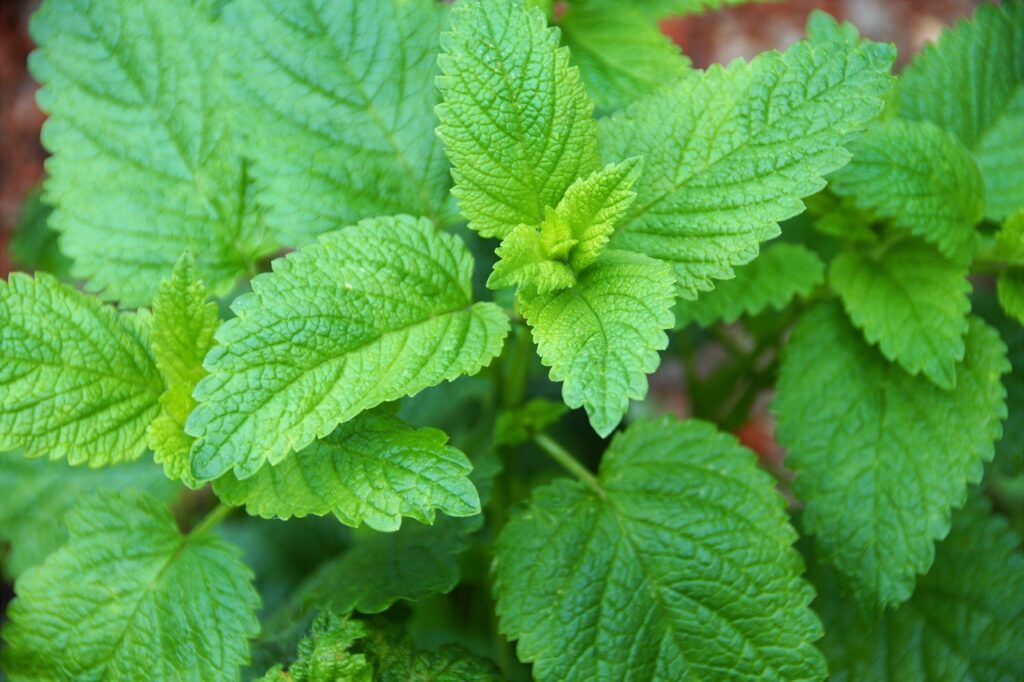
Intro to Herbs: Chapter 5 – Lemon Balm & 6 Everyday Ways to Use It

May 7, 2025

The Gentle Power of Lemon Balm: A Timeless Herbal Ally

In a world that moves a little too fast, we all crave small moments of peace—something that soothes the nerves, warms the spirit, and reminds us to slow down.

Enter lemon balm (Melissa officinalis), a citrusy-scented herb that has been a quiet companion to humankind for centuries. With its calming properties and gentle medicinal benefits, lemon balm is an herbal ally for those seeking balance in body and mind.

Let’s take a slow-living journey through its rich history, its powerful benefits, and how we can incorporate this nurturing herb into our daily rituals.

Origins & Historical Uses

Lemon balm’s story begins over 2,000 years ago, with its presence woven into the herbal traditions of multiple cultures.

  • Ancient Beginnings: The Greeks and Romans valued lemon balm for its ability to ease digestion and promote relaxation. The philosopher and physician Dioscorides documented its use as a remedy for stress and melancholy.
  • Medieval and Renaissance Herbalism: European monks cultivated lemon balm in monastery gardens, using it in herbal elixirs to support nervous system health and longevity. It was even a key ingredient in Carmelite Water, a famous medieval tonic for stress and tension.
  • Traditional Medicine Across Cultures:
    • Persian and Middle Eastern traditions included lemon balm in teas to support heart health and emotional well-being.
    • European folk medicine infused it into wines and tonics, believing it could uplift the spirit and promote a joyful heart.
    • Colonial America saw lemon balm widely used as a household remedy for everything from colds to insect bites.

Clearly, this herb has been a trusted friend for generations, offering both comfort and vitality.

The Herbal Benefits of Lemon Balm

Lemon balm is more than just a lovely garden herb—it’s a powerhouse of natural wellness benefits:

  • A Natural Calming Aid: Known for its ability to reduce stress, anxiety, and mild insomnia, lemon balm is a gentle relaxant for the nervous system.
  • Cognitive Support: Studies suggest that lemon balm may enhance memory, focus, and mental clarity, making it a great herbal ally for busy minds.
  • Digestive Wellness: Whether it’s bloating, indigestion, or mild nausea, lemon balm is a soothing remedy for digestive discomfort.
  • Immune System Boost: Its antiviral properties help support the body against colds, flu, and even cold sores.
  • Heart & Circulatory Health: Traditionally used to regulate heart palpitations and support circulation.
  • Skin & Topical Benefits: With antimicrobial and anti-inflammatory properties, lemon balm can be used to soothe skin irritations and minor wounds.

Six Everyday Ways to Enjoy Lemon Balm

Bringing the magic of lemon balm into your daily life is easier than you think. Here are six simple ways to embrace its benefits:

  1. Lemon Balm Tea Ritual – Steep fresh or dried lemon balm leaves in hot water for a naturally soothing tea. Perfect for unwinding after a long day or boosting mental clarity in the morning.
  2. Homemade Lemon Balm Tincture – A concentrated herbal extract that can be taken in small drops to help with stress and relaxation.
  3. Infused Honey or Syrup – Let lemon balm steep in honey for a few weeks, and you’ll have a delicious herbal sweetener for teas, desserts, or sore throats.
  4. Calming Herbal Bath or Facial Steam – Add fresh or dried lemon balm to a warm bath for a deeply relaxing soak, or use it as a facial steam to refresh and tone the skin.
  5. Culinary Delight – Lemon balm’s light citrusy flavor makes it a beautiful addition to salads, fruit bowls, infused water, or even homemade sorbet.
  6. DIY Herbal Sleep Pillow – Mix dried lemon balm with lavender in a small sachet and tuck it under your pillow for a restful night’s sleep.

The Slow-Living Gift of Lemon Balm

Lemon balm is more than just an herb—it’s a gentle nudge toward slowing down, breathing deeply, and embracing life’s simple joys. Whether it’s through a cup of tea, a quiet bath, or a soothing bedtime ritual, this ancient herbal ally invites us to reconnect with nature and nurture our well-being with intention.

So, why not start today? Brew a pot of lemon balm tea, take a deep breath, and let the world move just a little slower around you.

Let me know your favorite ways to use lemon balm below! Until next time, loves. 💕

Filed in: Garden, Healthy Recipes, Holistic Health, Intro to Herb Series, Joyful Living • by Hummingbirds & Lavender •

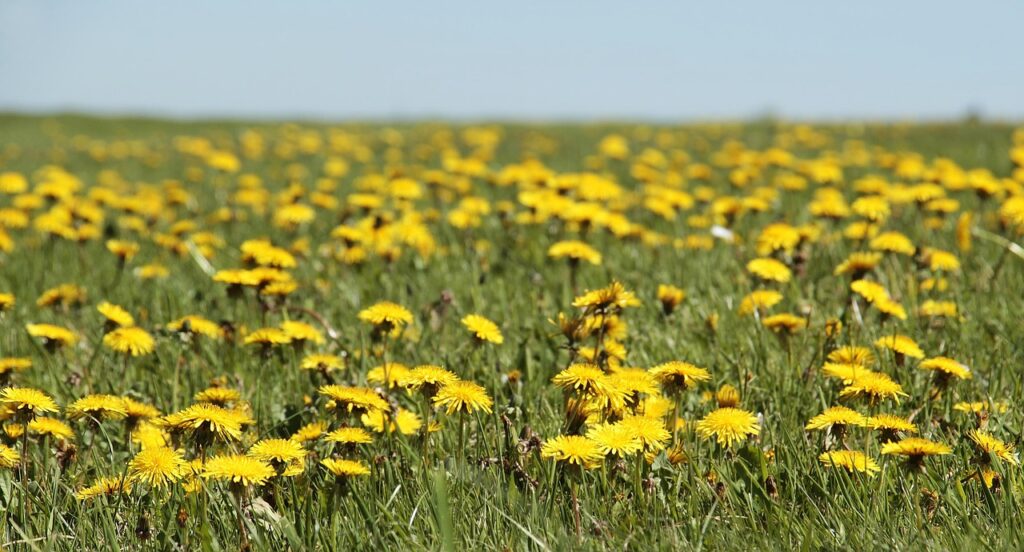
Intro to Herbs – Chapter 4 – Dandelion

April 16, 2025

A Hidden Gem in Holistic Health

Throughout history, dandelion root has been a quiet yet powerful ally in holistic wellness, embraced by cultures worldwide for its detoxifying and rejuvenating properties. From ancient Chinese and Ayurvedic traditions to medieval European herbalists and Indigenous healers, this humble root has been used to support liver health, digestion, and radiant skin.

Today, it seamlessly fits into the modern woman’s lifestyle—whether as a nourishing tea, a skincare infusion, or a wellness supplement. In a world that demands balance and vitality, dandelion root remains a timeless natural remedy, helping us thrive with clarity, resilience, and inner glow.

Nutritional and Medicinal Benefits of Dandelion

Dandelions have been used for generations as a natural liver support aide. They are known to assist the body in the natural detox process by stimulating bile production and regulating liver enzymes, reducing inflammation, and eliminating excess fluids.

The healing powers of dandelion can be linked to its high concentrations of compounds called taraxasterols. I can hear ya, “Ashley, what in the world is a taraxasterol?” I’m glad you asked. A taraxaterol is a naturally occurring compound primarily found in the Taraxacum officinale (dandelion) plant, and other plants within the Taraxacum genus. Some modern studies show the potential benefits of taraxaterols as a natural suppressant of inflammation.

Got digestive issues? Try dandelion root tincture.

A simple way to make a tincture is to harvest and wash dandelion roots thoroughly, chop them into small pieces, add them to a clean, glass jar with a lid, then finally cover them with 80-90 proof alcohol (I suggest vodka, but you can use everclear or gin). If you are looking for a more complex detox, try pairing it with other cleansing herbs like Burdock.

Energizing and Revitalizing

Unlike caffeine, dandelion flowers offer a subtle energy boosts by increasing circulation and supporting nervous system balancing. The bright yellow flowers which are associated with solar energy and vitality, contain high levels of polyphenols and flavonoids that fight oxidative stress, supporting overall wellness.

While not a true adaptogen, dandelion root supports resilience against fatigue by balancing internal systems, particularly the liver and gut. The roots of the dandelion plant, known as a great option for a gut prebiotic, contains inulin, a type of fiber that feeds beneficial gut bacteria, supporting digestion and long-term energy production.

If you’re looking for a quick and easy way to incorporate this plant into your daily routine, I recommend tossing a few dandelion leaves into a fresh salad. They have a bitter, peppery taste similar to arugula or hickory, which makes it a perfect addition to a mixed green salad. The younger the leaves, the milder the flavor. The older leaves are a bit more robust, but equally as nutrient-rich, and can be sauteed with garlic or olive oil or added to smoothies or pestos.

Nourishment for Healthy Skin

Dandelion is a natural powerhouse for skin purification, detoxification, and rejuvenation. By supporting liver function and stimulating lymphatic drainage, dandelion root helps flush out toxins that can lead to acne, inflammation, and dullness, promoting a clearer, more radiant complexion. Its rich antioxidant content—including vitamin C, beta-carotene, and polyphenols—fights oxidative stress, reduces fine lines, and protects against premature aging. Dandelion also supports collagen production with vitamin A and zinc while helping the skin retain moisture for a plump, hydrated glow. Whether enjoyed as a tea, infused into skincare oils, or incorporated into meals, this humble wildflower gently nourishes the skin from the inside out. 🌿✨

Embracing Dandelion for Holistic Health and Skincare

Dandelion root is a true gift from nature, offering gentle yet powerful support for detoxification, skin health, and overall well-being. Its ability to cleanse the liver, flush out toxins, and reduce inflammation makes it an essential ally for radiant skin, balanced digestion, and renewed energy.

Whether enjoyed as a nourishing tea, infused into a skincare ritual, or taken as an herbal tincture, dandelion is a simple yet transformative addition to any natural wellness routine. If you’re ready to explore the benefits of this time-honored herb, start with a homemade tincture, a soothing tea, or a DIY skincare recipe—you might just find your new favorite ritual.

For more holistic wellness inspiration, herbal remedies, and natural skincare tips, subscribe now and join a community of modern women embracing the beauty of slow, intentional living. 🌿✨

Filed in: Body, Garden, Holistic Health, Intro to Herb Series, Joyful Living • by Hummingbirds & Lavender •

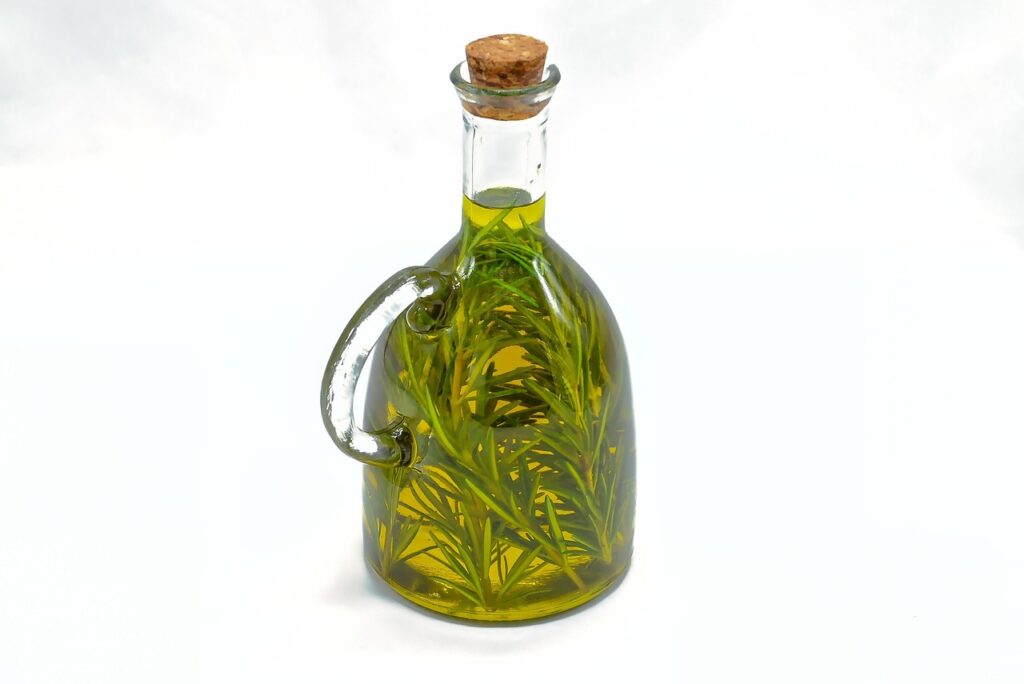
DIY Rosemary Oil + 7 Ways to Use it

March 26, 2025

A Versatile Infusion for Mind, Body & Home 🌿✨

Rosemary has long been treasured for its aromatic, medicinal, and culinary benefits. Infusing rosemary into oil is a simple yet powerful way to capture its essence and enjoy its many uses in daily life. Whether you’re looking to nourish your hair, soothe sore muscles, or enhance your skincare routine, DIY rosemary oil is a must-have in any holistic wellness collection. In this guide, we’ll walk you through the process of making rosemary oil and explore seven ways to incorporate it into your rituals. 🌱💆‍♀️

How to Make DIY Rosemary Oil

Creating your own rosemary-infused oil is a rewarding and easy process. Here’s what you’ll need:

Ingredients:

  • 1 cup fresh rosemary (or ½ cup dried rosemary) 🌿
  • 1 cup carrier oil (such as olive oil, coconut oil, jojoba oil, or sweet almond oil) 🫒🥥
  • A clean, dry glass jar with a lid
  • A strainer or cheesecloth
  • A dark glass bottle for storage (optional)

Instructions:

  1. If using fresh rosemary, wash and thoroughly dry the sprigs to prevent moisture from causing mold.
  2. Lightly crush or bruise the rosemary leaves to release their natural oils. 🌱
  3. Place the rosemary in your clean glass jar and pour the carrier oil over it, ensuring the herb is fully submerged.
  4. Seal the jar and store it in a warm, sunny spot for 1-2 weeks, shaking it gently every day to encourage infusion. ☀️
  5. After the infusion period, strain the oil using a fine strainer or cheesecloth, discarding the rosemary.
  6. Transfer the infused oil to a clean, dark glass bottle for longer shelf life. 🌿
  7. Store in a cool, dark place, where it will keep for up to six months.

Seven Ways to Use Rosemary Oil

  1. Nourish & Strengthen Hair 💆‍♀️
    Rosemary oil is known for promoting hair growth, improving scalp health, and reducing dandruff. Massage a few drops into your scalp before showering, or mix it with your shampoo for an extra boost of nourishment.
  2. Soothe Sore Muscles & Joints 🏋️‍♂️
    Thanks to its anti-inflammatory properties, rosemary oil makes an excellent massage oil for relieving muscle tension and joint discomfort. Blend it with a carrier oil and rub onto sore areas after exercise or a long day.
  3. Boost Skincare with Antioxidant Power 🌿✨
    Rosemary oil is rich in antioxidants, making it a fantastic addition to facial oils, serums, and body lotions. Mix a few drops into your favorite moisturizer to help reduce puffiness and improve circulation.
  4. Enhance Mental Clarity & Focus 🧘‍♀️
    The invigorating scent of rosemary can help sharpen focus and reduce mental fatigue. Add a few drops to a diffuser or inhale directly from the bottle during study sessions or meditation.
  5. Create a Natural Insect Repellent 🦟🚫
    Rosemary’s strong herbal scent naturally repels mosquitoes and other pests. Blend rosemary oil with water and witch hazel in a spray bottle for an all-natural bug repellent.
  6. Revitalize Bath & Body Rituals 🛁
    Elevate your self-care routine by adding rosemary oil to bath water for a soothing soak. It also pairs beautifully with Epsom salts for a detoxifying and relaxing bath experience.
  7. Infuse Homemade Cleaning Products 🏡
    Rosemary’s antibacterial properties make it a great addition to DIY cleaning sprays. Mix rosemary oil with vinegar and water for a fresh-smelling, non-toxic cleaner that disinfects naturally.


Making your own rosemary oil is a simple yet rewarding way to harness the many benefits of this cherished herb. Whether you’re using it for hair care, relaxation, or even home cleaning, this versatile infusion is a staple for any holistic lifestyle.

Have you tried making rosemary oil before? Share your favorite ways to use it in the comments below! 🌿💚

Filed in: Clean Beauty, Garden, Healthy Recipes, Holistic Health, Joyful Living • by Hummingbirds & Lavender •

Intro to Herbs-Chapter 3-Rosemary

March 12, 2025

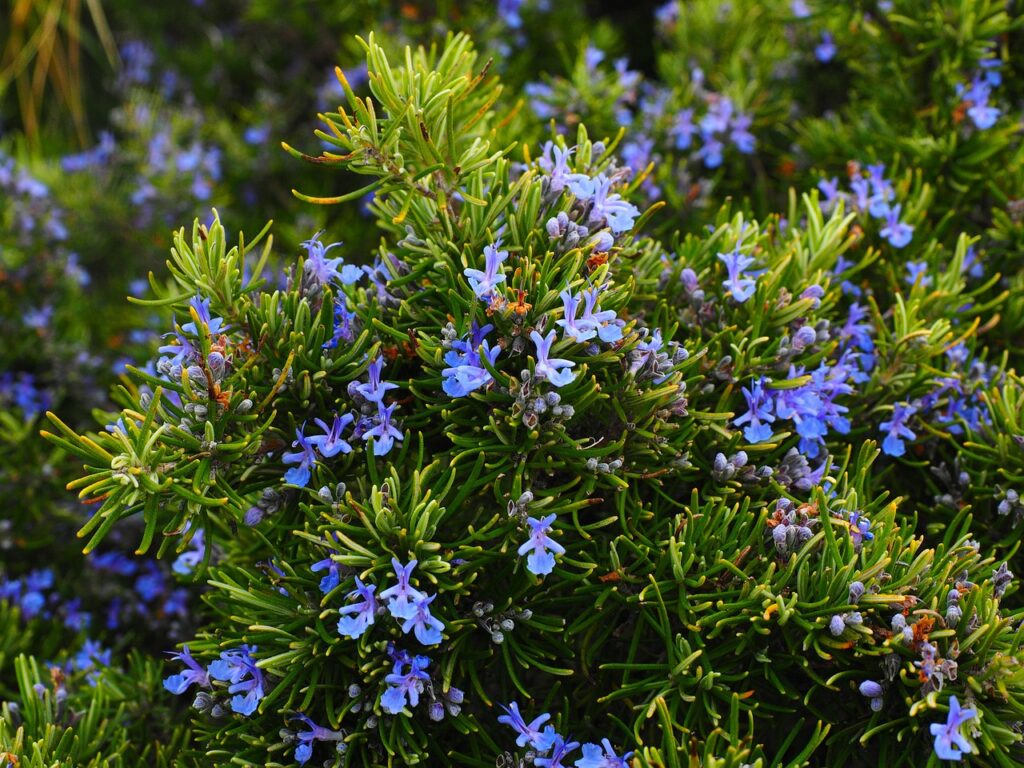
Rosemary- An Herb of Many Uses

There’s something undeniably enchanting about rosemary. With its rich history, invigorating aroma, and impressive healing properties, this evergreen herb has been cherished for centuries. More than just a culinary favorite, rosemary has long been used to support wellness, enhance spiritual practices, and uplift the spirit. In this installment of our “Intro to Herbs” series, we’ll explore the story of rosemary, its many benefits, and simple ways to invite its magic into your daily life.

A Timeless History: Rosemary’s Medicinal & Spiritual Significance

Throughout history, rosemary has been a symbol of remembrance, protection, and vitality. The ancient Egyptians used it in burial rites, believing its essence would guide souls to the afterlife. The Greeks and Romans recognized its ability to sharpen the mind, often adorning scholars and students with rosemary crowns to enhance memory and focus.

In medieval Europe, rosemary was a trusted companion in homes and sickrooms, burned as incense to ward off illness and negative energy. Herbalists valued it for its antimicrobial properties, using it to aid digestion, stimulate circulation, and support respiratory health.

Beyond its medicinal uses, rosemary has held a special place in spiritual and energetic traditions. It has been woven into wedding bouquets for fidelity, placed under pillows to encourage dreams, and used in purification rituals to cleanse spaces of stagnant energy. Today, it remains a beloved ally for holistic well-being and sacred self-care.

Five Simple Ways to Welcome Rosemary into Your Daily Rituals

  • Awaken the Mind with Rosemary Aromatherapy
    The scent of rosemary is crisp, uplifting, and deeply clarifying. Diffusing rosemary essential oil or simply inhaling its fragrance can enhance focus, improve memory, and banish mental fatigue. Try keeping a small rosemary sprig on your desk or dabbing diluted rosemary oil onto your pulse points when you need a boost of clarity and motivation.
  • Nourish Your Hair with a Rosemary Infusion
    Rosemary is a powerhouse when it comes to hair health. It stimulates the scalp, promotes hair growth, and helps combat dandruff. Create a simple rosemary hair rinse by steeping fresh or dried rosemary sprigs in hot water, letting it cool, and using it as a final rinse after shampooing. This natural tonic will leave your scalp refreshed and your hair strengthened.
  • Savor the Flavor & Benefits in Everyday Meals
    Rosemary’s earthy, slightly piney flavor makes it a wonderful addition to a variety of dishes. Infuse olive oil with rosemary for a fragrant drizzle, sprinkle chopped rosemary into roasted vegetables, or add a sprig to soups and stews for a warm, aromatic touch. Not only does it enhance flavor, but it also offers antioxidants and digestive support.
  • Sip Rosemary Tea for Digestive & Immune Support
    A cup of rosemary tea is a simple yet powerful way to enjoy its benefits. Steep a teaspoon of dried rosemary leaves (or a fresh sprig) in hot water for 10 minutes. This soothing infusion aids digestion, boosts circulation and provides immune support. Enjoy it in the morning for gentle stimulation or after meals to ease bloating and discomfort.
  • Cleanse & Protect with Rosemary Smoke or Bath Rituals
    For centuries, rosemary has been used to clear stagnant energy and invite protection. Burn dried rosemary as you would sage to cleanse your home, or add a handful of rosemary to a warm bath to release tension and restore balance. Setting an intention while working with rosemary enhances its spiritual effects, helping you create a sense of peace and clarity.


Rosemary is a true gift from nature—an herb that nurtures the body, enlivens the mind, and purifies the spirit.

Whether enjoyed as a tea, incorporated into beauty rituals, or used in sacred practices, its benefits are vast and timeless.

How do you like to work with rosemary? Share your favorite ways in the comments, and stay tuned for the next herb in our series!

Filed in: Body, Holistic Health, Intro to Herb Series, Joyful Living, Mind, Spirit • by Hummingbirds & Lavender •

  • « Previous Page
  • 1
  • 2
  • 3
  • Next Page »
Hey, yall! I'm Ashley, creator of Hummingbirds & Lavender, and I just wanted to say welcome and thanks for stopping by. This is just a place for me to document my story of raising my family, being a botanical entrepreneur, and living the best life I can possibly create. Thanks for being a part of the journey with me.

Follow Along on social media

  • Instagram
  • Pinterest

Search The Blog

Categories

  • About me
  • Astrology
  • Body
  • botanical dye
  • Clean Beauty
  • Garden
  • Healthy Recipes
  • Holistic Health
  • Home Decor & DIY
  • Intro to Herb Series
  • Joyful Living
  • Mind
  • Spirit
  • Sustainable Fashion
  • Uncategorized

Popular Posts

Ancestral Herbalism

Healing Your Gut Naturally

Copyright © 2026 · Theme by Blog Pixie