• Holistic Health
    • Mind
    • Body
      • movement
    • Spirit
      • Astrology
  • Joyful Living
    • Home Decor & DIY
    • Sustainable Fashion
    • Clean Beauty
    • Garden
      • Intro to Herbs Series
  • About me
    • Who is Hummingbirds and Lavender?
  • Follow

    • Etsy
    • Instagram
    • Pinterest
    • YouTube

Hummingbirds and Lavender

Holistic, Sustainable, Intentional

7 Nourishing Ways to Use Echinacea in Your Natural Wellness Journey

September 10, 2025

From Immune Love to Skin Glow, This Herb Has Your Back

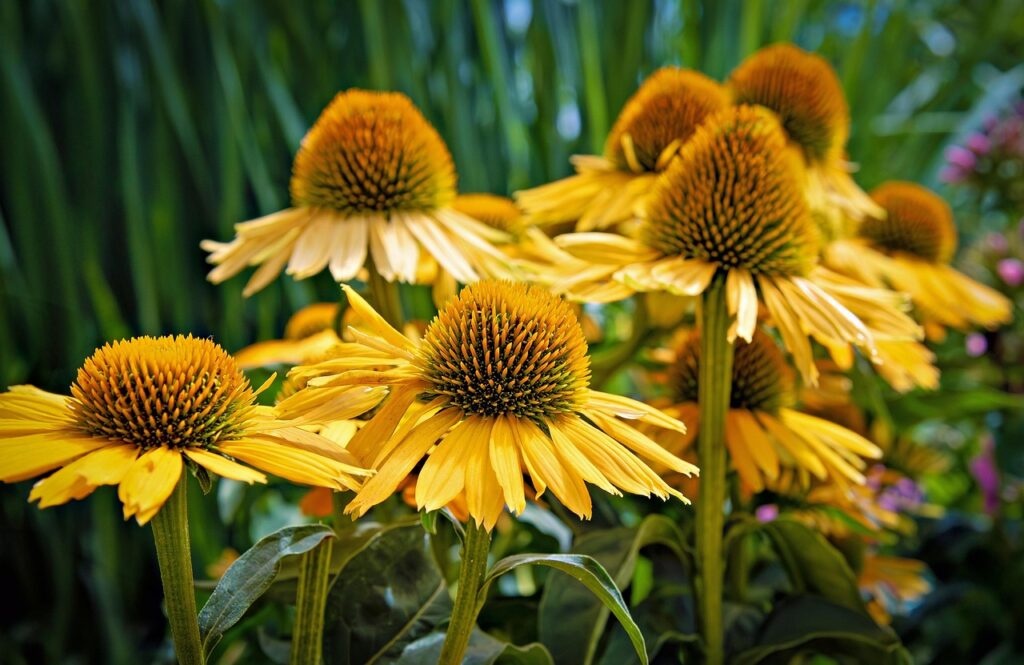
If you’re walking the slow and soulful path of natural wellness, Echinacea is one of those herbs that belongs in your apothecary toolkit. Most often known for its immune-boosting reputation, this bold, spiky flower has so much more to offer—especially when it comes to holistic beauty, skin care, and deep body support. Think of it as your vibrant, purple-petaled ally for seasonal health, skin healing, and ritual self-care.

Let’s explore 7 beautiful ways to work with Echinacea to nourish your body, calm your skin, and elevate your daily rituals.

1. Immune-Boosting Tincture (for when you’re feeling run-down)

When you feel that scratch in your throat or that heavy, tired fog setting in, reach for an Echinacea tincture. Made by steeping the plant’s roots or aerial parts in high-proof alcohol, tinctures are a potent, fast-acting way to support your immune system at the very first signs of illness.

Try this: Take a dropperful every 2–3 hours at the onset of cold or flu symptoms. Best used short-term for acute support, not as a daily supplement.

2. Healing Herbal Tea (for gentle, daily support)

Want a softer, more nurturing way to work with Echinacea? A warm cup of herbal tea made with the dried leaves and flowers is perfect for immune maintenance during the colder months, or anytime your body needs a little TLC.

Blend it with: Lemon balm, elderflower, or peppermint for added flavor and extra herbal support.

3. Soothing Skin Salve (for bites, rashes, and minor wounds)

Echinacea is naturally antimicrobial and anti-inflammatory, making it a wonderful addition to herbal salves for skin healing. Infuse dried Echinacea root into olive or jojoba oil, then blend with beeswax to create a soothing balm for cuts, scrapes, bug bites, and even acne flare-ups.

Pro tip: Pair with calendula or plantain leaf for a skin-soothing powerhouse.

4. Facial Steam (for clear skin and calm energy)

Facial steams are an underrated beauty ritual. Add dried Echinacea flowers to a bowl of hot water, lean over with a towel draped around your head, and breathe in the herbal goodness. This gentle detox supports lymphatic flow and opens pores while grounding your spirit.

Bonus: Add lavender and chamomile for a dreamy, calming experience.

5. Echinacea-Infused Honey (for sore throats + radiant skin)

This is one of our favorite double-duty remedies. Infuse dried Echinacea flowers in raw honey for a few weeks, then use it as an immune-soothing spoonful during sore throat season—or apply it as a natural face mask to hydrate and clarify your skin.

Skin tip: Leave the honey mask on for 10–15 minutes for a dewy, soft glow.

6. Botanical Bath Soak (for immune and skin wellness)

Think of this as herbal therapy in the tub. Echinacea’s anti-inflammatory and lymph-moving properties make it a wonderful herb for soaking. Add a handful of dried flowers and leaves to a muslin bag or tea infuser, then steep in your bathwater. It’s like an herbal hug for your whole body.

Elevate the ritual: Add Epsom salts, rose petals, and a few drops of lavender oil.

7. Homemade Herbal Face Toner (for blemish-prone or sensitive skin)

Thanks to its antimicrobial and soothing qualities, Echinacea can be brewed into a strong tea and used as a base for a natural facial toner. Store in a glass spray bottle in the fridge and spritz after cleansing to reduce redness, irritation, and breakouts.

Optional add-ins: Witch hazel for astringency, rose water for hydration.

Bringing It All Together…

Echinacea is more than a one-trick herbal pony. She’s vibrant, strong, and incredibly versatile—just like you. Whether you’re sipping a warm tea, steaming your skin, or crafting a jar of infused honey, each little ritual is an act of self-love rooted in ancestral wisdom.

Let this plant be a reminder that your natural wellness journey doesn’t have to be complicated. It can start with a bloom, a breath, and a moment to care for yourself.

Want to dive deeper into herbal living?
Join the Hummingbirds & Lavender newsletter for seasonal herbal tips, DIY recipes, and slow-living rituals sent straight to your inbox. 🌿✨ Let’s grow this wellness garden together—one plant at a time.

Filed in: Clean Beauty, Garden, Healthy Recipes, Holistic Health, Intro to Herb Series, Joyful Living • by Hummingbirds & Lavender •

Bottle the Wisdom: DIY Sage Oil for Ritual, Remedy & Recipe

August 13, 2025

DIY Sage Oil + 7 Ways to Use It for Mind, Body & Spirit

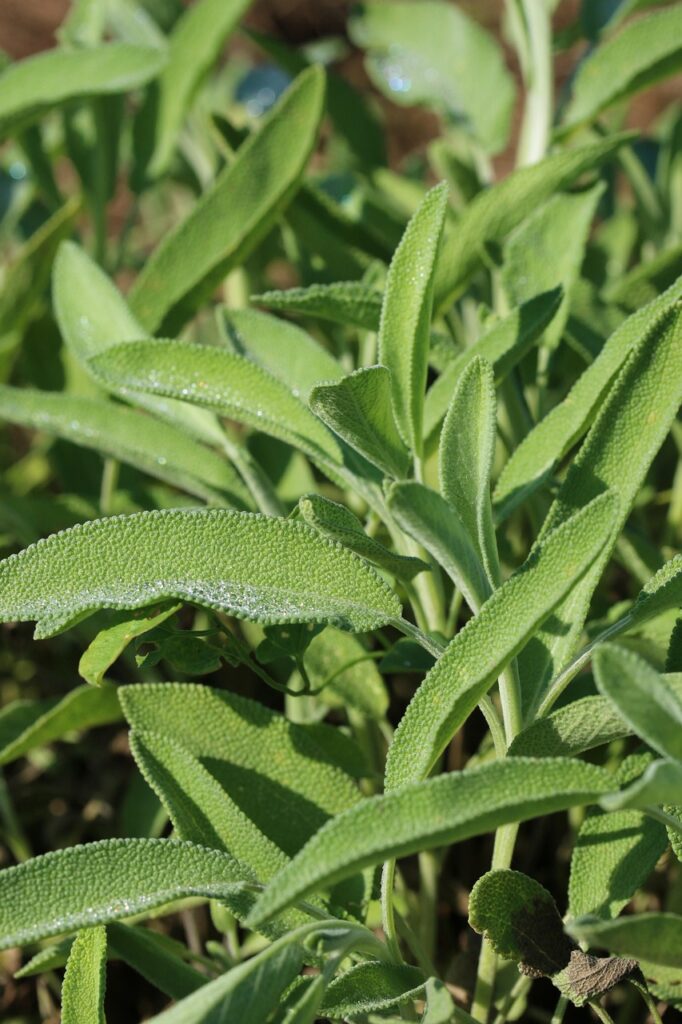
Sage is one of those herbs that feels ancient, grounding, and wise—like a cup of tea with your great-grandmother under the moonlight. Making your own sage-infused oil is a beautiful way to preserve that energy and bring its magic into your everyday rituals.

Today, we’re bottling up some herbal goodness with a simple DIY Sage Oil recipe and sharing 7 gentle ways to use it—from sore muscles to sacred spaces.

🌿 How to Make Sage-Infused Oil

You’ll need:

  • 1 cup fresh sage leaves (or ½ cup dried)
  • 1 cup carrier oil (olive oil for culinary use, or jojoba/sweet almond for body use)
  • Clean glass jar with lid
  • Cheesecloth or fine mesh strainer
  • Optional: a small amber bottle for storing

Instructions:

  1. If using fresh sage, allow it to wilt overnight to remove moisture (prevents spoilage).
  2. Gently bruise the leaves to release their oils, then place them in your jar.
  3. Pour the carrier oil over the sage until fully submerged.
  4. Seal the jar and place it in a sunny window for 2–3 weeks, shaking gently each day.
  5. Strain the oil using cheesecloth, discard the herbs, and store the oil in a cool, dark place.

Shelf life: about 6 months.

🌼 7 Beautiful Ways to Use Sage Oil

1. Soothing Chest Rub
Gently massage into the chest during cold or allergy season to support clear breathing. Sage has antimicrobial properties and may help ease congestion.

2. Calming Temple Oil
Rub a drop behind your ears or on your temples when you need clarity or grounding. Ideal before meditation, journaling, or rest.

3. Culinary Drizzle
Use culinary sage oil (made with olive oil) as a drizzle over roasted veggies, pasta, or fresh bread. Earthy, warming, and perfect for autumn meals.

4. Herbal Hair & Scalp Treatment
Sage has been traditionally used to support hair health and reduce dandruff. Massage into the scalp before showering or use as a shine-boosting hair oil.

5. Ritual Anointing Oil
Use a dab on your wrists or third eye during full moon rituals or sacred ceremonies. Sage helps with spiritual clarity and energy clearing.

6. Massage for Sore Muscles
Blend your sage oil with a few drops of lavender or rosemary essential oil for a soothing muscle rub after long days or workouts.

7. Energy Cleansing Spray (Bonus Tip!)
Mix 1 tablespoon of sage oil with ½ cup witch hazel and ½ cup distilled water in a spray bottle. Shake and spritz to energetically cleanse a space—no smoke required.

Sage oil is truly a gift from the garden—earthy, healing, and filled with ancient wisdom. Whether you use it to nourish your skin, season your soup, or bless your space, it’s a simple, sacred way to reconnect with the rhythms of the natural world.

Filed in: Clean Beauty, Garden, Healthy Recipes, Holistic Health, Intro to Herb Series, Joyful Living • by Hummingbirds & Lavender •

Hydrosols 101

June 25, 2025

Discover the magic of hydrosols, aka floral waters, and their many benefits

If you’ve been living the wellness life for a while, you may have heard the term “hydrosol” floating around. You might have even used one before, misting your face with a refreshing floral spray or incorporating it into a DIY beauty product. But what exactly is a hydrosol, and why are these fragrant waters worth all the hype?

In this post, we’ll explore what hydrosols are, how they differ from essential oils, and—most importantly—how you can start using them in your life. Let’s dive in and discover the gentle magic of these botanical waters together!

🌿 What Are Hydrosols?

Hydrosols, also known as floral waters or distillates, are the byproducts of essential oil extraction. When plant material (think flowers, leaves, or herbs) is distilled for its essential oils, the steam cools and condenses into two distinct layers: the essential oil (which floats at the top) and the hydrosol (the water below).

Hydrosols are much gentler than essential oils and contain a small amount of the plant’s active compounds, offering many of the same benefits—without the intensity. They’re essentially the “watered-down” version of essential oils, but in the best possible way. Hydrosols are perfect for those with sensitive skin, or anyone looking for a more subtle, less concentrated plant power in their wellness routine.

🌸 The Benefits of Hydrosols

Hydrosols bring the goodness of plants into your life, but in a lighter, more versatile form. Here are just a few of the many benefits they offer:

  • Gentle on Sensitive Skin: Hydrosols are naturally soothing and hydrating, making them an excellent choice for those with sensitive or irritated skin.
  • Calming & Relaxing: Many hydrosols, especially those made from flowers like lavender and chamomile, have a calming effect on the nervous system. A spritz can help reduce stress and promote a sense of peace.
  • Toning & Balancing: Some hydrosols, like rose or witch hazel, act as natural toners, helping to balance your skin’s oil production and refine your pores.
  • Antioxidant & Anti-inflammatory: Many hydrosols (such as those from herbs like rosemary and sage) offer antioxidant and anti-inflammatory benefits that can help with skin healing and general wellness.
  • Versatile in Use: Hydrosols can be used in many different ways—whether as facial sprays, in your skincare routine, in DIY haircare products, or as refreshing room sprays for your home.

In short: hydrosols are gentle, effective, and multi-purpose.

🌷 Different Types of Hydrosols

There’s a hydrosol for almost every need—whether you’re looking to soothe a sunburn, refresh your skin, or set a calming mood in your space. Here are some of the most popular hydrosols and their unique benefits:

  1. Rose Hydrosol
    Uses: Skin care, relaxation, mood boosting
    Rose hydrosol is a luxurious treat for your skin, balancing oil production and promoting a youthful, dewy complexion. It’s also emotionally uplifting—perfect for when you need a gentle mood boost.
  2. Lavender Hydrosol
    Uses: Relaxation, stress relief, skin soothing
    Known for its calming properties, lavender hydrosol is a go-to for anyone needing a little extra peace in their day. It’s also wonderful for soothing irritated skin and minor burns.
  3. Chamomile Hydrosol
    Uses: Skin healing, calming, irritation relief
    Chamomile is known for its soothing properties, making its hydrosol ideal for sensitive or inflamed skin. It’s also fantastic for calming the mind after a stressful day.
  4. Witch Hazel Hydrosol
    Uses: Skin toning, pore refining, anti-inflammatory
    Witch hazel is often used as a natural astringent, and its hydrosol is no different. It helps tighten the skin and balance oil production, making it perfect for those with oily or acne-prone skin.
  5. Peppermint Hydrosol
    Uses: Cooling, refreshing, digestive support
    Peppermint hydrosol is a refreshing treat, ideal for hot summer days or for refreshing your space. It can also aid digestion when used as a digestive tonic—just a few spritzes on the skin can help calm nausea.
  6. Rosemary Hydrosol
    Uses: Hair care, mental clarity, skin rejuvenation
    Rosemary hydrosol is great for revitalizing the skin and stimulating hair growth. It also provides a boost of mental clarity and focus—perfect for a mid-afternoon pick-me-up.
  7. Frankincense Hydrosol
    Uses: Skin healing, spiritual grounding, relaxation
    Frankincense has been used for centuries in spiritual and medicinal practices, and its hydrosol brings that calming, grounding energy to your skin and environment. It’s perfect for meditation or creating a peaceful, reflective space.

🌱 How to Use Hydrosols in Your Everyday Life

Now that you’re familiar with the benefits and types of hydrosols, here are some creative and practical ways to incorporate them into your daily wellness routine:

  1. Facial Spritz
    Keep a bottle of your favorite hydrosol in your bag or on your vanity for a quick, refreshing facial mist. This works wonders for a midday hydration boost, especially if you spend time in air-conditioned or heated environments. Try rose or lavender for a cooling, calming effect.
  2. Toner
    Hydrosols like rose, witch hazel, or chamomile make gentle, natural toners. Simply apply a few spritzes onto your face after cleansing to tighten pores and balance your skin’s natural oils.
  3. After-Sun Soother
    After a day in the sun, spritz chamomile or lavender hydrosol onto your skin for a cooling, soothing touch. These hydrosols can calm irritated skin and help prevent redness from sun exposure.
  4. Hair Refresher
    Rosemary and peppermint hydrosols can be used to freshen up your hair. Spritz on your scalp to relieve any itchiness, boost circulation, or even add a fresh scent between washes.
  5. Room Spray
    Hydrosols aren’t just for your body—they make great natural air fresheners! Keep a lavender or rose hydrosol by your bedside for a relaxing spray before sleep, or use peppermint in your kitchen or bathroom for a burst of freshness.
  6. Bath Soak
    Add a few tablespoons of chamomile or rose hydrosol to your bath for an extra layer of relaxation. These hydrosols help soothe your skin and calm your senses as you unwind.
  7. DIY Skin Care Products
    Hydrosols can be used in your DIY beauty routine to replace water or floral water in lotions, creams, and facial masks. They add a touch of botanical magic to your handmade creations.

🌸 Final Thoughts

Hydrosols are an affordable, versatile, and sustainable way to enhance your beauty and wellness routine. Whether you’re refreshing your skin, calming your mind, or simply adding a little botanical luxury to your day, hydrosols offer a gentle way to harness the power of plants.

Next time you’re on the hunt for a new skincare product or a natural room spray, consider reaching for a hydrosol. It’s nature’s distilled goodness in a bottle, ready to infuse your life with calm, balance, and beauty—one spritz at a time.

With botanical love,

Filed in: Clean Beauty, Holistic Health, Joyful Living • by Hummingbirds & Lavender •

DIY Dandelion oil + 7 ways to use it

April 23, 2025

Nature’s Golden Elixir for Skin & Wellness

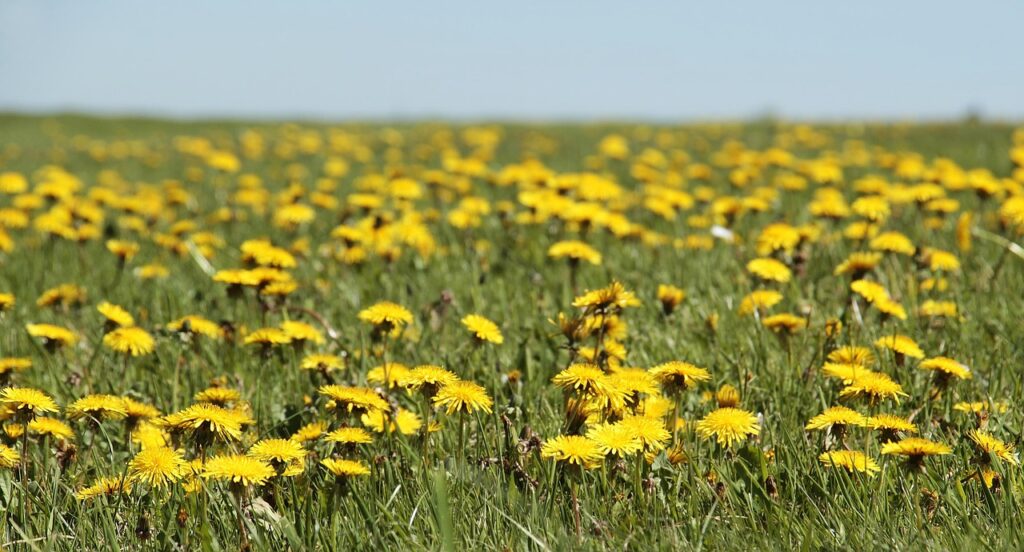
Often dismissed as just a stubborn weed, the humble dandelion is actually a powerhouse in herbal remedies, treasured for its soothing and nourishing properties. One of the simplest yet most effective ways to harness its benefits is by making dandelion oil—an infused oil crafted from sun-kissed dandelion flowers. This golden-hued elixir has long been cherished in herbalism and natural skincare for its ability to ease sore muscles, deeply moisturize dry skin, and promote overall well-being. Whether you’re looking to create a luxurious body oil, a healing salve, or a gentle massage blend, dandelion oil is a must-have for any natural wellness enthusiast

How to Make Dandelion Oil at Home

To make your own DIY dandelion oil, start by gathering fresh dandelion flowers from a clean, pesticide-free area. Spread them out on a towel and let them air dry for 12–24 hours to remove excess moisture, which helps prevent mold during infusion. Once dried, loosely pack the flowers into a clean, dry glass jar, filling it about halfway. Pour your choice of carrier oil—such as olive oil for its deep nourishment or sunflower oil for its light, fast-absorbing quality—over the flowers until they are fully submerged. Seal the jar and place it in a warm, sunny spot for 2–4 weeks, shaking it gently every few days to encourage infusion. When ready, strain out the flowers using a fine-mesh strainer or cheesecloth, transferring the golden oil into a clean bottle. Label your jar with the date and ingredients, and store your dandelion oil in a cool, dark place to preserve its potency. Now, it’s ready to be used in your favorite skincare rituals or soothing DIY creations!

7 Ways to Use Dandelion Oil

Soothing Massage Oil

Dandelion oil’s anti-inflammatory properties make it perfect for a gentle, relaxing massage. It helps ease tension, sore muscles, and joint discomfort while deeply nourishing the skin.

Luxurious Body Moisturizer

Rich in antioxidants and skin-loving nutrients, dandelion oil can be applied directly to dry or irritated skin to promote hydration and softness. It’s especially great for rough patches on elbows, knees, and heels.

Healing Salve for Skin Irritations

Combine dandelion oil with beeswax to create a soothing salve for minor cuts, scrapes, rashes, and bug bites. Its natural healing properties help calm inflammation and speed up skin recovery.

Nourishing Hair & Scalp Treatment

Massage dandelion oil into the scalp to combat dryness and itchiness while strengthening hair follicles. It adds a healthy shine and helps soothe dandruff or scalp irritation.

Gentle Facial Oil

With its lightweight, soothing qualities, dandelion oil works as a natural facial oil, reducing redness and irritation while providing a healthy glow. Best suited for dry or sensitive skin types.

Relaxing Bath Oil

Add a few drops of dandelion oil to your bath for a deeply calming and skin-softening experience. It helps melt away stress and tension while nourishing your skin.

DIY Herbal Lip Balm

Blend dandelion oil with beeswax and a touch of honey for a hydrating and protective lip balm. It helps keep lips soft, smooth, and free from dryness, especially in colder months.

Incorporating DIY dandelion oil into your wellness routine is a simple yet powerful way to embrace the healing properties of nature. From soothing sore muscles to nurturing your skin and hair, this golden elixir offers a variety of benefits that support a holistic, natural approach to self-care.

By taking the time to make your own dandelion oil, you connect with the earth’s gifts and create a product that’s tailored to your personal needs. Whether used in massages, moisturizers, or calming bath rituals, dandelion oil is a beautiful addition to your wellness arsenal—bringing balance, nourishment, and a touch of nature’s magic to your everyday life.

So why not give it a try? Gather your ingredients, embrace the DIY spirit, and enjoy the soothing benefits of dandelion oil in your own home!

Filed in: Body, Clean Beauty, Holistic Health, Joyful Living • by Hummingbirds & Lavender •

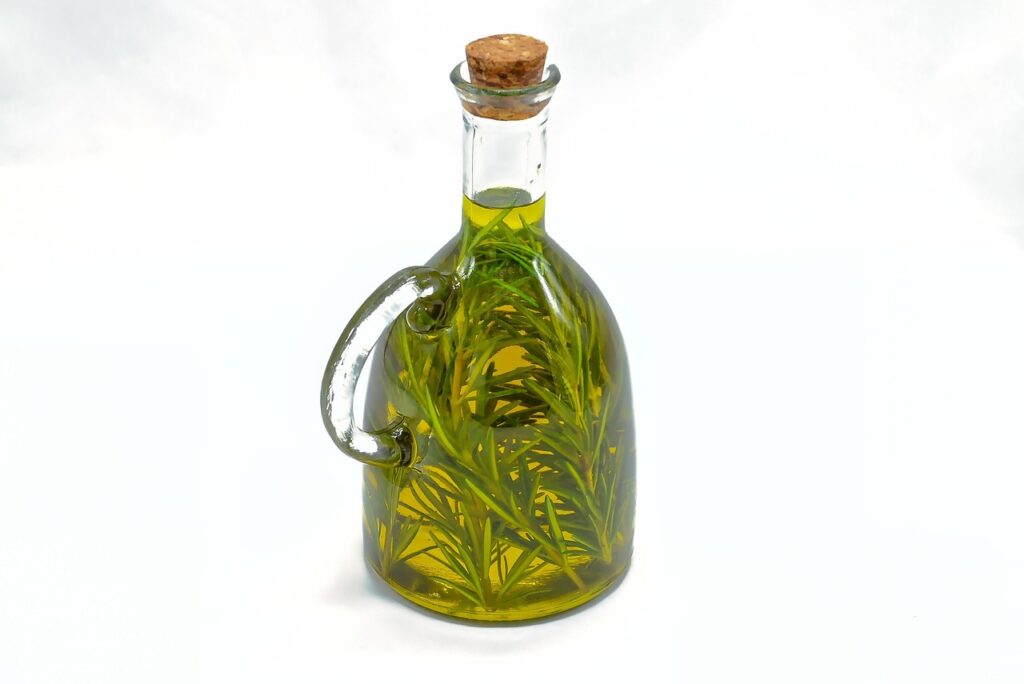
DIY Rosemary Oil + 7 Ways to Use it

March 26, 2025

A Versatile Infusion for Mind, Body & Home 🌿✨

Rosemary has long been treasured for its aromatic, medicinal, and culinary benefits. Infusing rosemary into oil is a simple yet powerful way to capture its essence and enjoy its many uses in daily life. Whether you’re looking to nourish your hair, soothe sore muscles, or enhance your skincare routine, DIY rosemary oil is a must-have in any holistic wellness collection. In this guide, we’ll walk you through the process of making rosemary oil and explore seven ways to incorporate it into your rituals. 🌱💆‍♀️

How to Make DIY Rosemary Oil

Creating your own rosemary-infused oil is a rewarding and easy process. Here’s what you’ll need:

Ingredients:

  • 1 cup fresh rosemary (or ½ cup dried rosemary) 🌿
  • 1 cup carrier oil (such as olive oil, coconut oil, jojoba oil, or sweet almond oil) 🫒🥥
  • A clean, dry glass jar with a lid
  • A strainer or cheesecloth
  • A dark glass bottle for storage (optional)

Instructions:

  1. If using fresh rosemary, wash and thoroughly dry the sprigs to prevent moisture from causing mold.
  2. Lightly crush or bruise the rosemary leaves to release their natural oils. 🌱
  3. Place the rosemary in your clean glass jar and pour the carrier oil over it, ensuring the herb is fully submerged.
  4. Seal the jar and store it in a warm, sunny spot for 1-2 weeks, shaking it gently every day to encourage infusion. ☀️
  5. After the infusion period, strain the oil using a fine strainer or cheesecloth, discarding the rosemary.
  6. Transfer the infused oil to a clean, dark glass bottle for longer shelf life. 🌿
  7. Store in a cool, dark place, where it will keep for up to six months.

Seven Ways to Use Rosemary Oil

  1. Nourish & Strengthen Hair 💆‍♀️
    Rosemary oil is known for promoting hair growth, improving scalp health, and reducing dandruff. Massage a few drops into your scalp before showering, or mix it with your shampoo for an extra boost of nourishment.
  2. Soothe Sore Muscles & Joints 🏋️‍♂️
    Thanks to its anti-inflammatory properties, rosemary oil makes an excellent massage oil for relieving muscle tension and joint discomfort. Blend it with a carrier oil and rub onto sore areas after exercise or a long day.
  3. Boost Skincare with Antioxidant Power 🌿✨
    Rosemary oil is rich in antioxidants, making it a fantastic addition to facial oils, serums, and body lotions. Mix a few drops into your favorite moisturizer to help reduce puffiness and improve circulation.
  4. Enhance Mental Clarity & Focus 🧘‍♀️
    The invigorating scent of rosemary can help sharpen focus and reduce mental fatigue. Add a few drops to a diffuser or inhale directly from the bottle during study sessions or meditation.
  5. Create a Natural Insect Repellent 🦟🚫
    Rosemary’s strong herbal scent naturally repels mosquitoes and other pests. Blend rosemary oil with water and witch hazel in a spray bottle for an all-natural bug repellent.
  6. Revitalize Bath & Body Rituals 🛁
    Elevate your self-care routine by adding rosemary oil to bath water for a soothing soak. It also pairs beautifully with Epsom salts for a detoxifying and relaxing bath experience.
  7. Infuse Homemade Cleaning Products 🏡
    Rosemary’s antibacterial properties make it a great addition to DIY cleaning sprays. Mix rosemary oil with vinegar and water for a fresh-smelling, non-toxic cleaner that disinfects naturally.


Making your own rosemary oil is a simple yet rewarding way to harness the many benefits of this cherished herb. Whether you’re using it for hair care, relaxation, or even home cleaning, this versatile infusion is a staple for any holistic lifestyle.

Have you tried making rosemary oil before? Share your favorite ways to use it in the comments below! 🌿💚

Filed in: Clean Beauty, Garden, Healthy Recipes, Holistic Health, Joyful Living • by Hummingbirds & Lavender •

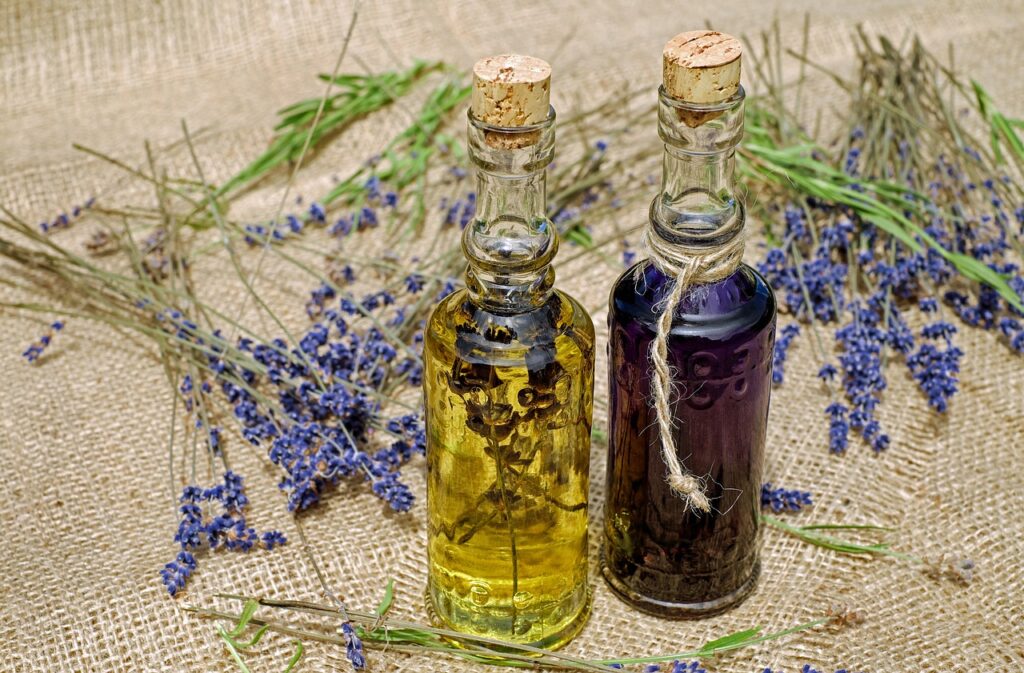
How to Make Lavender Oil and 7 Ways to Use

February 20, 2025

Lavender- A Scented Embrace for Mind, Body & Soul

If nature had a signature scent of serenity, it would surely be lavender. For centuries, this fragrant purple bloom has been treasured in ancient healing rituals, culinary traditions, and beauty elixirs. Its delicate aroma whispers of sun-drenched fields in Provence, while its potent properties make it a true multitasker in holistic living. This month, we’re celebrating lavender—more than just a pretty flower, it’s a powerhouse for relaxation, wellness, and even your kitchen. Get ready to unlock seven beautiful ways to invite this botanical gem into your daily rhythm. 🌿💜

How to Make Your Own Lavender Oil: A Step-by-Step Guide

Creating your own lavender oil at home is both simple and rewarding, and with this quick guide, you’ll be on your way to crafting a natural treasure to enjoy in your holistic lifestyle:

What You’ll Need

  • Fresh or dried lavender flowers
  • A carrier oil (e.g., coconut oil, olive oil, or jojoba oil)
  • A clean glass jar with a lid
  • A fine mesh strainer or cheesecloth
  • A dark glass bottle for storing the oil

Step-by-Step Process

  1. Harvest or Buy Lavender
  • Choose fresh lavender flowers or dried lavender buds. Fresh lavender will yield a stronger fragrance, but dried flowers are convenient and still very effective.

Pro Tip: If using fresh lavender, make sure it’s fully dry to avoid any mold in the oil.

2. Prepare the Lavender

  • Gently bruise the lavender buds with your fingers to release their oils. If using fresh flowers, you can chop them up slightly to help them infuse more easily.

3. Fill the Jar with Lavender

  • Place your lavender buds into the glass jar, filling it about halfway. This ensures a good amount of flowers for a potent oil.

4. Add the Carrier Oil

  • Pour your chosen carrier oil over the lavender, making sure the flowers are completely submerged. Leave a little space at the top of the jar. Stir gently to mix.

5. Seal and Store

  • Close the jar tightly and place it in a warm, sunny spot, such as a windowsill. Let it infuse for about 2 to 3 weeks. Shake the jar gently every few days to help the infusion process.

6. Strain the Oil

  • After 2-3 weeks, strain the oil through a fine mesh strainer or cheesecloth to remove the lavender buds. You can compost the used flowers or save them for other DIY projects.

7. Store Your Lavender Oil

  • Transfer the strained oil into a dark glass bottle for storage. This helps preserve the oil’s potency. Store it in a cool, dark place. It should last for about 6 months.

7 Useful Ways to Utilize Lavender and Her Healing Benefits

1. Natural Sleep Aid & Stress Relief (Medicinal)

Lavender oil has been shown to promote relaxation and better sleep. The best and most effective ways to use would be to diffuse it with water in an electrical diffuser, create your own pillow mist or room spray, or use diluted application of your pulse points.

2. Headache & Tension Relief (Medicinal)

Lavender has a natural ability to ease headaches and migraines. Try applying a few diluted drops to your temple or drip a few drops onto a lava stone bracelet.

3. Skin Soothing & Healing (Beauty & Medicinal)

Lavender’s antibacterial and anti-inflammatory properties make it a perfect natural healing option for burns and some common skin conditions like eczema and acne.

4. DIY Natural Perfume (Beauty)

Lavender’s gentle floral scent is a perfect natural swap for a chemical-free fragrance. If you are feeling extra, adventurous, branch out and add in other complimentary scents like rosemary or lemon for a more personalized perfume.

5. Relaxing Bath Soak (Beauty & Medicinal)

Buy now, if you’ve made it this far, and I hope you have, first off thank you, secondly, we all are aware of the awesomeness of lavender for its helpful ability to aid in our natural approach to stress relief and act as a relaxation liaison for our own mental wellness. DIY lavender bath salts are so easy to make. If you aren’t into DIY, Amazon sells Dr Teal’s Epsom Salt bath soak which I have used and it works wonders on achy joints.

6. Culinary Delight: Infused Honey & Tea (Culinary)

Add for my Epicurious readers out there, in the culinary world, the floral notes of lavender add a distinct flavor to teas, honey, and other delicious desserts. A few different ways to utilize lavender in the culinary sense are through infusing locally sourced honey with lavender’s floral notes, or enjoying a cup of freshly brewed lavender tea. One of my fav desserts in the world is macarons, while pistachio is my number one favorite, a fresh lavender macaroon is no slouchy second.

7. Non-Toxic Home Freshener (Holistic Living)

And as far as it comes to my home, using lavender essential oil (NOTE: There is a difference between lavender oil and lavender essential oil.) I like to add a few drops to a mist bottle, along with distilled water, and witch hazel or rubbing alcohol for a natural room and linen spray. If you are feeling extra romantic, tie a few lavender sachets to put in your drawers for a fresh and floral scent.

A Wealth of Benefits

Incorporating lavender oil into your everyday routine offers a wealth of benefits that can enhance your holistic lifestyle. From promoting relaxation and restful sleep to soothing your skin and uplifting your mood, lavender’s versatility is unmatched. Whether you use it in aromatherapy, skincare, or even in the kitchen, this natural wonder is sure to become a staple in your wellness toolkit.

I encourage you to experiment with different ways to bring lavender into your life and discover which methods work best for you. Let its calming, rejuvenating qualities enrich your daily rituals. I’d love to hear how you incorporate lavender oil into your own routine—share your tips and experiences in the comments below! 🌿

Filed in: Clean Beauty, Garden, Joyful Living • by Hummingbirds & Lavender •

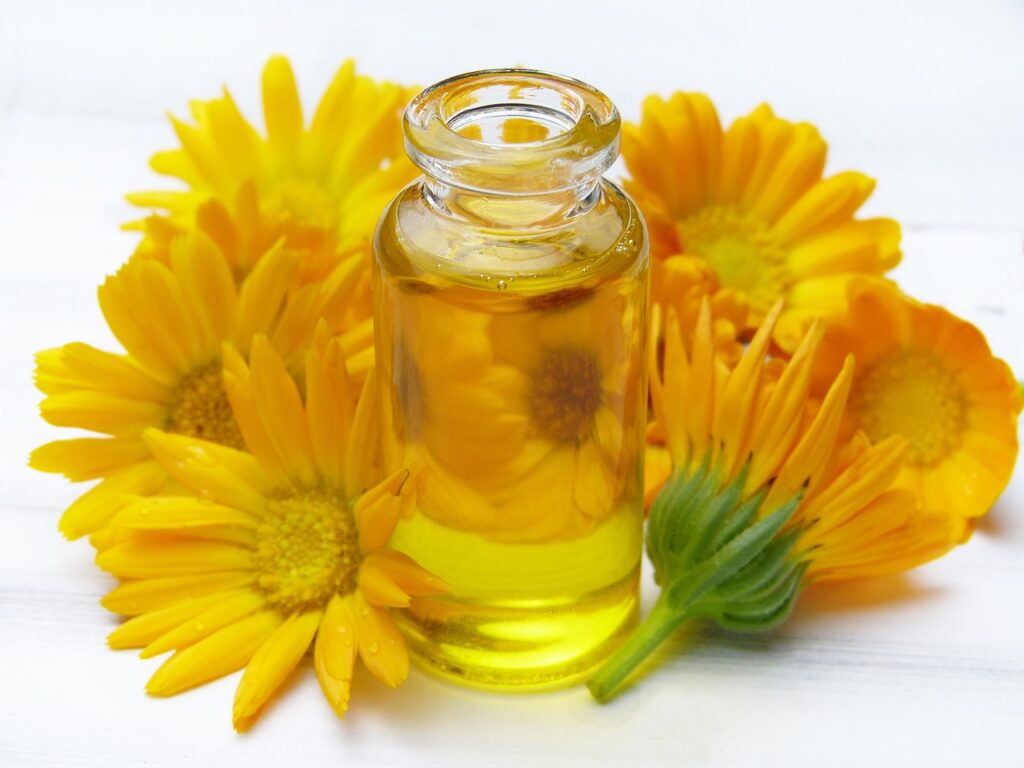
How to Make Your Own Calendula Oil + 7 Healing Ways to Use It

January 22, 2025

For thousands of years, Calendula, known as pot marigold, has been used for its culinary and medicinal uses due to its anti-inflammatory and healing properties. From brewed teas and tinctures to skin care, Calendula is a powerhouse when it comes to Mother Nature’s healing power.

What is Calendula Oil?

Calendula oil, which is oil extracted from flowers from the Calendula officinalis plant, is a popular ingredient in ointments, creams, and salves for its soothing properties. The flower contains flavonoids and triterpenoids that provide strong anti-inflammatory effects.

Calendula is rich in antioxidants like carotenoids and flavonoids, which protect the skin and body from oxidative stress. That makes it the perfect plant ally for epidermal ailments such as wound healing or minor skin issues, such as psoriasis and eczema.

How to Make Your Own Calendula Oil

  • Ingredients:
  • Fresh or dried calendula petals
  • Carrier oil (olive, sweet almond, jojoba, or sunflower oil)
  • Glass jar
  • Cheesecloth or strainer
  • Step-by-Step Process:
  1. Harvest or purchase fresh or dried calendula petals. (Dried herbs are preferred for preventing mold contamination due to excesses water from the fresh leaves.)
  2. Fill a glass jar with petals and cover them completely with your carrier oil of choice.
  3. Seal the jar and let it sit in a warm, sunny spot for 4–6 weeks, shaking the jar occasionally.
  4. Strain the oil through cheesecloth or a fine strainer into a clean jar.
  5. Store the oil in a cool, dark place for up to a year.

7 Healing Ways to Use Calendula Oil

1. As a Soothing Skin Balm – Apply directly to dry or irritated skin, especially for eczema or psoriasis.

2. For Healing Minor Cuts and Scrapes – Use as a natural first-aid remedy to speed up healing and prevent infection.

3. To Soothe Sunburn or Minor Burns – Apply to burned skin for its anti-inflammatory and cooling effects.

4. In a Relaxing Massage Oil – Mix with essential oils like lavender or chamomile for a calming massage experience.

5. As a Baby-Safe Diaper Rash Treatment – Gentle enough for babies, calendula oil can help heal diaper rash naturally.

6. In a Hydrating Face Serum – Add a few drops to your daily skincare routine for extra moisture and protection against acne.

7. For Scalp Health and Hair Care – Massage into the scalp to reduce dandruff or add shine to dry, brittle hair.

Tips for Storing and Preserving Calendula Oil

Storing Calendula oil properly helps preserve its quality, potency, and shelf life. Here are some tips:

Use a Dark Glass Bottle: Store the calendula oil in a dark amber or cobalt blue glass bottle to protect it from sunlight, which can degrade its therapeutic properties.

Keep Away from Heat: Store the oil in a cool, dry place, away from direct heat sources like radiators, ovens, or hot windowsills. Excessive heat can cause the oil to go rancid faster.

Avoid Exposure to Air: Make sure the bottle is tightly sealed to prevent exposure to air, which can lead to oxidation and spoilage.

Label the Bottle: Mark the bottle with the date it was made or purchased, and include the expiration date (usually about 1 year from the time it’s made).

Refrigeration: If possible, store the oil in the refrigerator. The cool temperature helps extend its shelf life and keeps it fresh longer. Be aware that the oil may thicken in colder temperatures but will return to liquid form at room temperature.

Add a Natural Preservative: Adding a few drops of vitamin E oil can help extend the shelf life of calendula oil, as vitamin E acts as a natural preservative and antioxidant.

Check for Spoilage: Over time, oils can develop a rancid smell or change in texture. If you notice any off odors, cloudiness, or separation, it’s best to discard the oil.

Small Batches: If making your own calendula oil, create smaller batches to ensure you use it while it’s fresh.

I hope you have learned a few ways to start incorporating the powerful and versatile uses of Calendula oil into your everyday health routines. From its remarkable ability to heal and soothe skin irritations, wounds, and burns to its anti-inflammatory and antimicrobial properties, this golden-hued oil is a must-have in any holistic health toolkit.

I’d love to hear your favorite way to use Calendula oil down below.

Happy growing, my friends!

Filed in: Clean Beauty, Garden, Joyful Living • by Hummingbirds & Lavender •

Holistic Beauty and Self-Care: April Tips

April 21, 2024

Welcome to Hummingbirds & Lavender, where we embark on a holistic journey toward radiant well-being together. If you’re seeking ways to nurture your body, mind, and spirit, you’re in the right place.

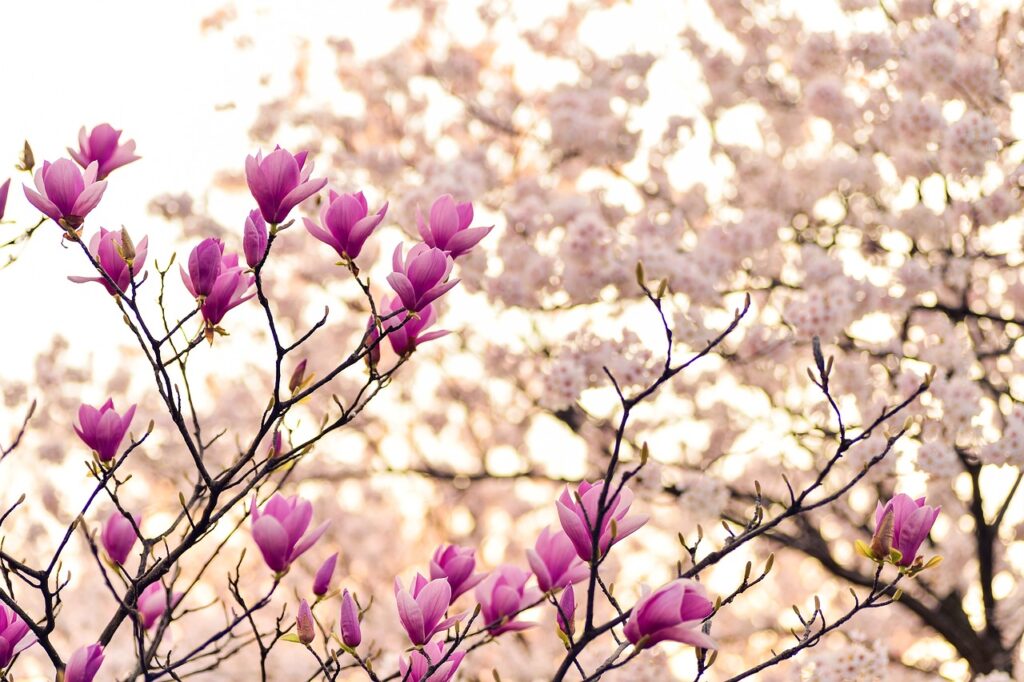
Tulip magnolia tree  blooming with pink flowers.

As we embrace the blossoming of spring, let’s delve into April’s holistic beauty and self-care tips to cultivate inner and outer radiance.

Ways to practice holistic beauty and self-care this Spring.

Here where I live, the winters aren’t so bad compared to some places in the united states. Our winters are pretty mild, but for those of y’all who are in different climates, you might not be as lucky. (kidding…kind of)

I wanted to share a few tips to get us back to feeling our best. So here are a few suggestions to hopefully inspire your next Spring revamp.

Harness the Power of Nature

April showers bring May flowers, and they also bring an abundance of natural ingredients to revitalize your beauty routine. Explore the wonders of botanical extracts like rosehip oil, chamomile, and lavender. These natural treasures offer gentle nourishment for your skin, leaving it soft, supple, and glowing with vitality.

Mindful Skincare Rituals

Treat your skincare routine as a sacred ritual, honoring yourself with each application. Start by cleansing away the day’s impurities with a gentle, sulfate-free cleanser. Follow up with a hydrating toner to balance your skin’s pH and prepare it for nourishment. Then, indulge in a luxurious facial massage using a nutrient-rich serum or facial oil to promote circulation and radiance.

Nourish From Within

Remember, true beauty radiates from the inside out. Fuel your body with nutrient-dense foods that support healthy skin, such as leafy greens, antioxidant-rich berries, and omega-3 fatty acids found in fish or flaxseeds. Hydrate your body with plenty of water and herbal teas to maintain a youthful, dewy complexion.

Holistic Hair Care

Show your locks some love with a holistic approach to hair care. Opt for sulfate-free shampoos and conditioners infused with botanical extracts to nourish and strengthen your hair from root to tip. Treat yourself to a weekly hair mask using natural ingredients like coconut oil, honey, or avocado for luscious, vibrant strands.

Sensory Self-Care

Engage your senses in a blissful self-care experience. Set the mood with calming essential oils like lavender or eucalyptus in a diffuser to create a tranquil atmosphere. Treat yourself to a soothing bath infused with mineral-rich Epsom salts and aromatic bath oils to melt away tension and promote relaxation.

Embrace Minimalism

Simplify your beauty routine and embrace the beauty of minimalism. Focus on quality over quantity, choosing products with clean, non-toxic ingredients that align with your values and support your skin’s natural balance. Streamline your routine to include only the essentials, allowing you to savor each moment of self-care without feeling overwhelmed.

Connect with Nature

Take advantage of the beauty of springtime by spending time outdoors. Bask in the warmth of the sun’s rays, feel the earth beneath your feet, and breathe in the fresh, rejuvenating air. Nature has a profound ability to uplift your spirits and replenish your energy, providing the perfect backdrop for holistic rejuvenation.

Practice Gratitude

Cultivate an attitude of gratitude as you embrace your holistic beauty and self-care journey. Take a moment each day to reflect on the blessings in your life, expressing appreciation for the beauty that surrounds you and the abundance that nourishes you from within

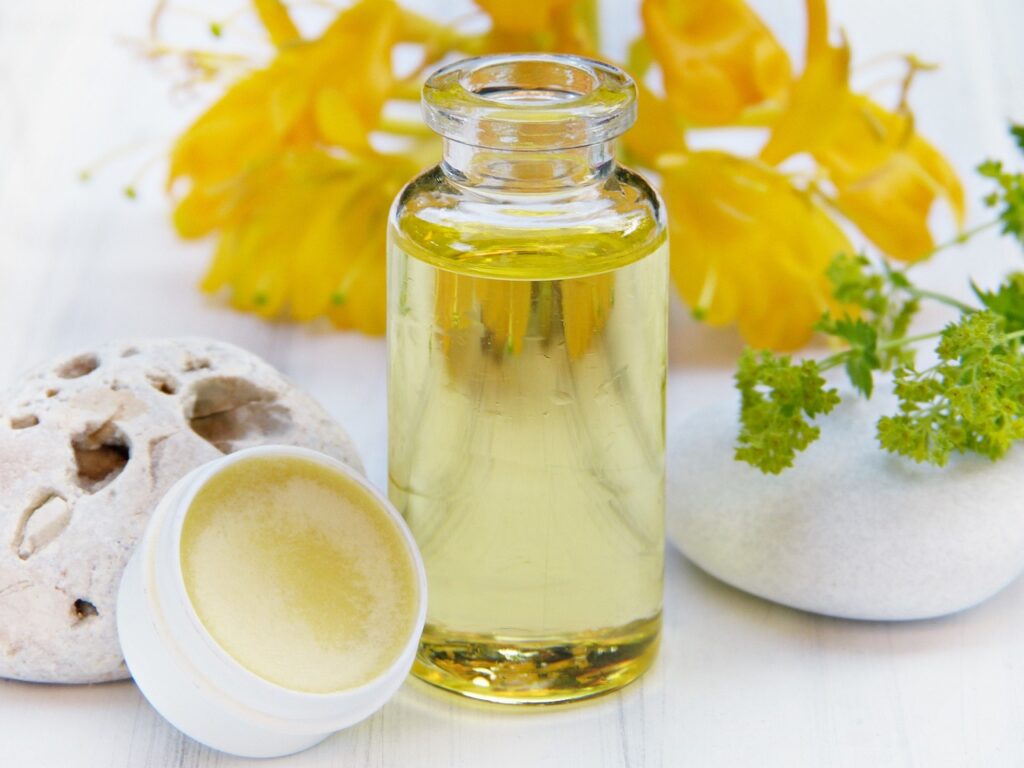
Small jar of beeswax lip balm and apothecary bottle of herbal infused body oil surrounded by fresh flower and herbs.

Sprout Your Curiosity: FAQs on Holistic Spring Beauty & Self-Care!

  1. How can I incorporate spring botanicals into my skincare routine for a holistic approach to beauty?
  • Answer: Embrace the rejuvenating power of spring flowers like lavender, rose, and calendula by incorporating them into homemade skincare potions and floral-infused baths. These botanicals offer nourishment for both the skin and the spirit, promoting holistic well-being.
  1. What are some eco-friendly alternatives for spring cleaning that align with holistic living principles?
  • Answer: Explore eco-conscious cleaning options infused with botanical-based cleaners and essential oils. These natural alternatives not only cleanse your home effectively but also honor the planet, reducing your ecological footprint and promoting a harmonious connection with the environment.
  1. How can I engage in mindful self-care practices during the spring season to align with holistic living?
  • Answer: Immerse yourself in outdoor wellness rituals that celebrate the beauty of spring, such as practicing yoga amidst blooming flowers, meditating beneath budding trees, or embarking on mindful nature walks. These activities allow you to connect with the natural world, rejuvenate your senses, and foster holistic well-being.

As we navigate the joys of April and the renewal it brings, remember to prioritize self-care and embrace the holistic beauty that lies within and all around you. Together, let’s nurture our minds, bodies, and spirits as we blossom into our most radiant selves.

Stay connected with Hummingbirds & Lavender for more holistic inspiration, and join our community of like-minded souls dedicated to personal growth and well-being. Until next time, radiate love, light, and inner beauty.

Filed in: Body, Clean Beauty, Garden, Holistic Health, Joyful Living • by Hummingbirds & Lavender •

Hey, yall! I'm Ashley, creator of Hummingbirds & Lavender, and I just wanted to say welcome and thanks for stopping by. This is just a place for me to document my story of raising my family, being a botanical entrepreneur, and living the best life I can possibly create. Thanks for being a part of the journey with me.

Follow Along on social media

  • Instagram
  • Pinterest

Search The Blog

Categories

  • About me
  • Astrology
  • Body
  • botanical dye
  • Clean Beauty
  • Garden
  • Healthy Recipes
  • Holistic Health
  • Home Decor & DIY
  • Intro to Herb Series
  • Joyful Living
  • Mind
  • Spirit
  • Sustainable Fashion
  • Uncategorized

Popular Posts

Ancestral Herbalism

Healing Your Gut Naturally

Copyright © 2026 · Theme by Blog Pixie