Honoring Traditions Through Spiritual & Herbal Practices
Long before wellness trends, superfoods, or packaged supplements, there were hands in the soil. Our ancestors knew the language of plants—their scents, textures, flavors, and the subtle ways they could nourish both body and spirit. This knowledge wasn’t written down in glossy books; it was carried in stories, shared over kitchen tables, whispered at the hearth, and passed on through rituals that wove plant medicine into daily life.
Today, many of us feel the call to reconnect with that lineage. Ancestral herbalism is more than simply using herbs—it’s a way of honoring the traditions, people, and cultural wisdom that shaped us. It’s about remembering where we come from and weaving those threads into our modern lives.
What Is Ancestral Herbalism?
Ancestral herbalism is the practice of working with plants in ways that honor the traditions of your ancestors—whether that’s your direct bloodline or the broader lineage of your cultural and spiritual heritage. It acknowledges that herbal medicine is deeply rooted in place, story, and identity.
For some, it means reviving recipes passed down through family, such as a grandmother’s chamomile tea for rest or a great-aunt’s rosemary-infused hair tonic. For others, it’s exploring the plants native to their ancestral lands and learning how those plants were used for healing, protection, or ceremony.
Why This Connection Matters
When we approach herbalism through an ancestral lens, we:
- Preserve cultural heritage – Keeping traditional remedies alive honors the wisdom of those who came before us.
- Deepen our spiritual connection – Plants become not just ingredients, but sacred allies in our spiritual journey.
- Cultivate gratitude and respect – Recognizing that these practices are gifts from generations past fosters reverence for both plants and people.
- Strengthen identity – Engaging with our heritage through plants can be an act of self-discovery and cultural pride.
Ways to Honor Your Ancestral Herbal Traditions
Here are some meaningful ways to bring ancestral herbalism into your life:
1. Research Your Herbal Roots
Start with your family tree, cultural background, or the region where your ancestors lived. What herbs grew naturally there? Were certain plants considered sacred or protective? Old cookbooks, oral histories, and cultural archives can offer surprising clues.
If your heritage is a mix, you can explore multiple traditions—your herbal practice can be a beautiful tapestry of influences.
2. Revive Traditional Remedies
If you have access to old recipes or stories, try making them in your own kitchen. This could be a healing soup, a tincture, or a seasonal tea blend. Even if you have to adapt ingredients to what’s available today, the heart of the recipe remains.
For example:
- Italian lineage – Sage-infused honey for sore throats.
- African heritage – Moringa tea for nourishment and vitality.
- Celtic roots – Meadowsweet tea for joint aches and digestion.
3. Practice Seasonal Herbal Living
Our ancestors lived by the rhythms of the seasons, adjusting their herbal practices accordingly:
- Spring for cleansing and renewal – nettles, dandelion greens, lemon balm.
- Summer for vitality – mint, basil, calendula.
- Autumn for grounding – sage, thyme, rosemary.
- Winter for protection – cinnamon, ginger, elderberry.
Aligning your herbal practice with the seasons connects you to the cycles your ancestors naturally followed.
4. Create Rituals of Connection
Use herbs in spiritual or ceremonial ways to connect with your ancestors:
- Light a candle and burn rosemary or mugwort as an offering during meditation.
- Brew a cup of herbal tea your ancestors might have enjoyed and sip it while journaling about them.
- Place fresh or dried herbs on your ancestor altar to honor their memory.
These small acts can become touchstones for remembrance and gratitude.
5. Grow Ancestral Plants
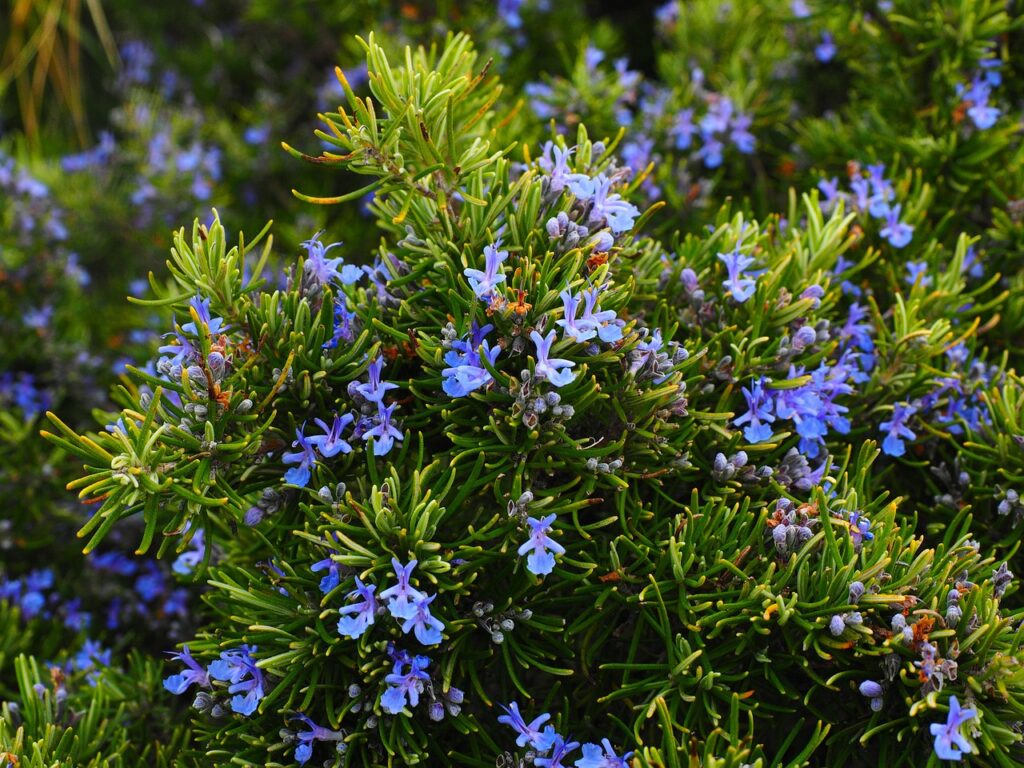
If possible, grow herbs your ancestors would have used. Tending the same plants they once touched can be deeply moving. Even a windowsill pot of basil or rosemary can be a living link to your heritage.
6. Honor the Land
Many ancestral herbal traditions include practices of reciprocity—taking only what’s needed, giving thanks, and returning offerings to the earth. You can honor this by:
- Foraging mindfully.
- Planting pollinator-friendly flowers.
- Composting herbal scraps as a gift back to the soil.
A Word on Respect & Cultural Awareness
If your herbal journey leads you to traditions outside your direct lineage, approach with humility and respect. Learn from elders, acknowledge the source of the knowledge, and avoid commercializing sacred practices. Herbal wisdom is living heritage—treat it with care.
Beginning Your Ancestral Herbal Journey
You don’t need to have every detail of your family history to begin. Start small:
- Make a seasonal tea using herbs from your heritage.
- Light incense or burn herbs in a ritual that feels meaningful to you.
- Keep a journal of the plants you feel most connected to and why.
Over time, you’ll find that ancestral herbalism isn’t just about the plants—it’s about the relationships they help you nurture: with the earth, your heritage, and yourself.
A Living Tradition
Ancestral herbalism is a living thread. Each time you brew tea, tend a garden, or anoint yourself with herbal oil, you’re continuing a story that began long before you. You’re weaving your chapter into a tapestry that future generations can touch, smell, and taste.
And perhaps one day, someone will hold a cup of tea you taught them to make, breathe in its steam, and feel you there—just as you feel your ancestors now.