A gentle guide to planting by the phases of the moon
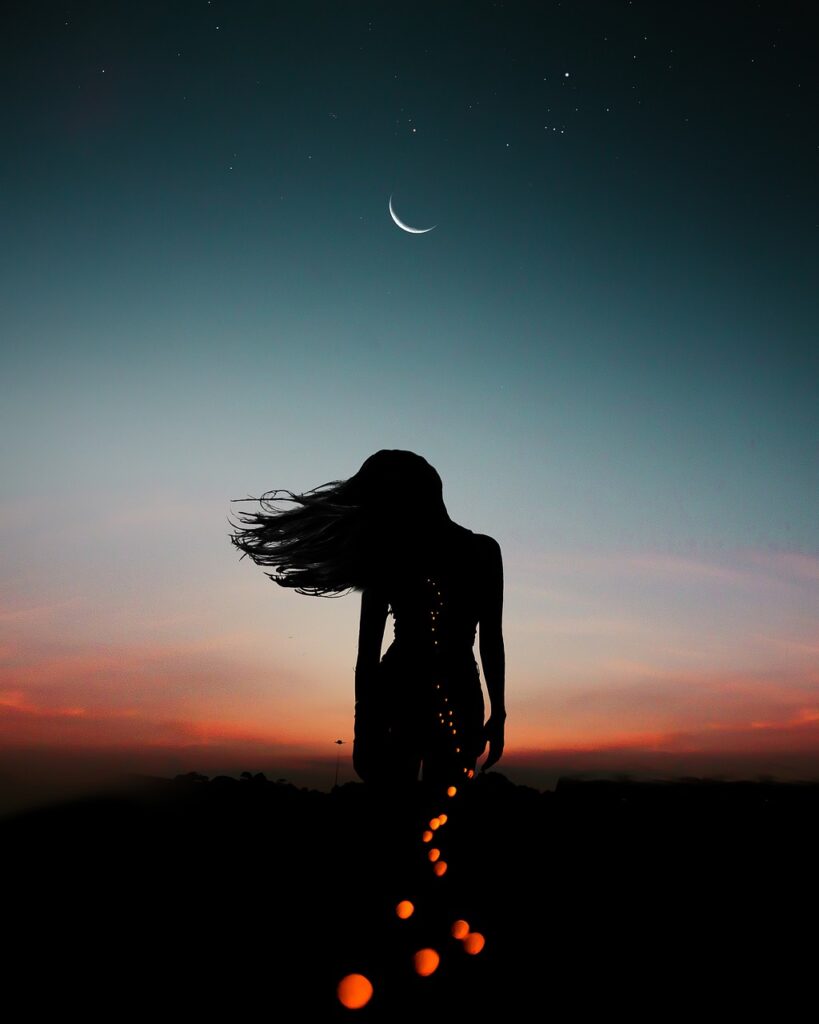
Before there were weather apps or farmer’s almanacs, people looked to the sky. For centuries, gardeners, farmers, and herbalists have followed the rhythms of the moon to guide planting, harvesting, and tending the land. It’s a practice rooted in observation, patience, and trust in nature’s timing—something many of us are craving more of in our fast-paced lives.
Today, we’re slowing down with the moon and exploring how to garden with its phases, blending ancient wisdom with modern practicality.
🌙 A Brief History of Lunar Living
Lunar gardening isn’t a new-age trend—it’s ancient. Civilizations like the Babylonians, Egyptians, and Indigenous cultures all lived in sync with the moon’s cycles. Farmers noticed that seeds germinated faster, harvests were more abundant, and plants were hardier when timed with certain phases of the moon.
Why? One theory is that just as the moon affects ocean tides, it also influences the moisture in our soil. During specific moon phases, sap flow and water movement in plants increase or decrease, making certain times better for planting, pruning, or harvesting.
In essence, the moon became the original gardening calendar.
🌕 The Four Lunar Phases & How They Affect Your Garden
To begin gardening with the moon, get familiar with its four main phases:
- New Moon (Dark Moon)
A time of rest, intention, and renewal. Energy is lowest.
🌱 Best for: Planning, composting, weeding, and setting intentions for your garden. - Waxing Moon (New → Full)
As the moon grows, so does energy. Sap rises, and moisture increases.
🌿 Best for: Planting leafy crops (like lettuce, herbs, spinach), grafting, fertilizing. - Full Moon
Energy peaks here. Roots absorb nutrients deeply.
🌾 Best for: Planting root crops (carrots, potatoes), watering deeply, harvesting. - Waning Moon (Full → New)
A time of releasing and turning inward—perfect for maintenance and pruning.
✂️ Best for: Trimming, cutting back, pest control, harvesting medicinal herbs.
🌱 Tips for Gardening with the Moon in a Modern Life
Even if you don’t have a full homestead or garden calendar on your wall, you can still incorporate lunar gardening into your lifestyle in small, meaningful ways:
1. Start with awareness.
Begin by observing the moon. You don’t need to change everything at once—just notice what phase it’s in when you garden and how your plants respond.
2. Use a moon phase app or calendar.
There are many simple tools to help you track the moon’s cycle. Sync your gardening days to it when possible, even if it’s just for planting or harvesting.
3. Make it a ritual.
Turn gardening into a moon ritual. Plant seeds during the waxing moon while speaking intentions. Harvest herbs under a full moon for potent energy. Journal or reflect under moonlight in your garden.
4. Work with what you have.
Even if you’re growing in containers or tending a windowsill herb garden, lunar timing can still enhance your connection and results.
5. Pair with moon signs (optional but powerful).
For a deeper dive, consider the moon’s astrological sign—earth and water signs are ideal for planting; fire and air signs for pruning or harvesting.
🌼 Gardening as a Lunar Love Letter
The moon teaches us to slow down and work in harmony, not haste. Gardening by her glow isn’t just about bigger tomatoes or better blooms—it’s about rooting deeper into the natural world, listening, and trusting the process.
When you align with the lunar cycle, you’re not just tending plants. You’re tending yourself—your rhythms, your rituals, your sacred connection to the earth and sky.
So next time you put your hands in the soil, glance up. Let the moon be your quiet gardening companion. She’s been guiding growers like you for generations.