• Holistic Health
    • Mind
    • Body
      • movement
    • Spirit
      • Astrology
  • Joyful Living
    • Home Decor & DIY
    • Sustainable Fashion
    • Clean Beauty
    • Garden
      • Intro to Herbs Series
  • About me
    • Who is Hummingbirds and Lavender?
  • Follow

    • Etsy
    • Instagram
    • Pinterest
    • YouTube

Hummingbirds and Lavender

Holistic, Sustainable, Intentional

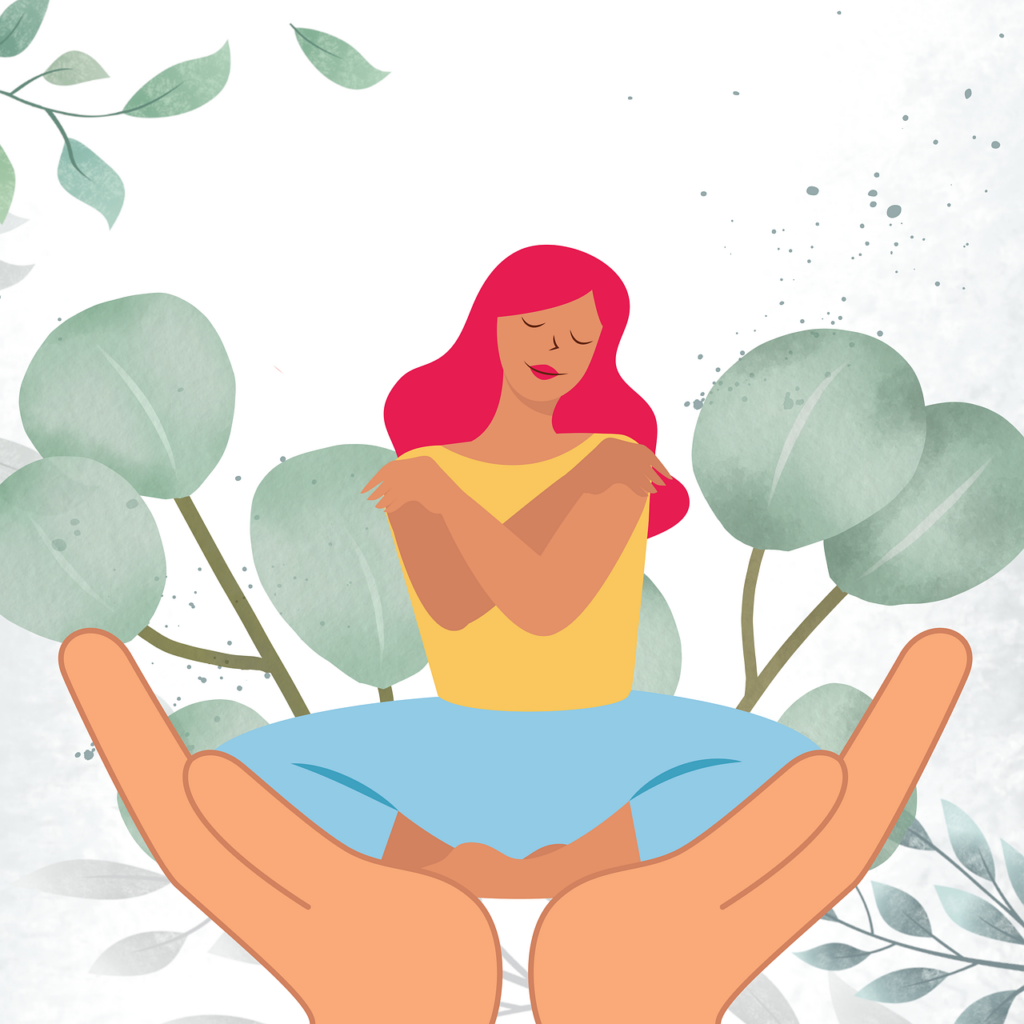
Healing Your Inner Child: 6 Gentle Ways to Nurture Yourself Every Day

April 2, 2025

We all carry within us a younger version of ourselves—the inner child—who holds our earliest memories, emotions, and unmet needs. In adulthood, this part of us continues to influence our behaviors, relationships, and sense of self-worth. Healing your inner child is a deeply nurturing process that fosters emotional resilience, joy, and a deeper connection with yourself. By embracing small, intentional acts of care each day, you can begin to restore a sense of safety, love, and playfulness within.

Understanding Your Inner Child

Your inner child is the part of you that still carries both the lightness of childhood joy and the weight of past wounds. Early experiences, whether nurturing or painful, shape the way we see the world and interact with others. If you find yourself struggling with self-criticism, fear of abandonment, perfectionism, difficulty trusting others, or feeling unworthy, your inner child may be seeking healing.

6 Everyday Practices to Heal Your Inner Child

1. Self-Compassion as a Daily Ritual

  • Speak to yourself as you would to a beloved child—gently, kindly, and with encouragement.
  • When self-doubt arises, reframe your inner dialogue with affirmations like, “I am worthy of love and kindness.”
  • Start each morning by writing yourself a love note, reminding yourself that you are enough just as you are.

2. Engage in Play & Creativity

  • Reconnect with childhood joys: color in a sketchbook, dance in your living room, bake cookies, or spend time in nature.
  • Release productivity guilt—play is an essential form of healing and self-expression.
  • Try incorporating small, joyful activities into your daily routine, even if it’s just for five minutes.

3. Inner Child Journaling

  • Journaling can be a powerful way to listen to your inner child’s voice. Try these prompts:
    • “What did I love as a child?”
    • “What is my inner child afraid of?”
    • “How can I reassure and nurture myself today?”
  • Write a letter to your inner child, offering them the love and safety they may have longed for.

4. Mindful Comfort Through Sensory Care

  • Wrap yourself in a cozy blanket, sip a warm cup of tea, or light a candle with a nostalgic scent.
  • Engage in sensory experiences that bring comfort—soft textures, calming scents, soothing music.
  • Gentle self-soothing is a powerful act of reparenting and emotional regulation.

5. Set Healthy Boundaries with Love

  • Learning to say no without guilt is a fundamental part of healing.
  • Recognize when you’re acting from a place of childhood wounds (people-pleasing, fearing rejection).
  • Use affirmations like, “My needs matter,” and “I honor my boundaries with love and confidence.”

6. Re-Parent Yourself with Small Acts of Kindness

  • Treat yourself the way you wish you had been cared for as a child.
  • Plan a special solo date—buy yourself ice cream, visit a bookstore, or have a quiet picnic at the park.
  • Allow yourself to rest and receive love without needing to “earn” it.

Healing your inner child is not a destination but a lifelong, gentle journey. With patience, kindness, and small, consistent acts of self-care, you can create a loving inner world where all parts of you feel seen, valued, and nurtured.

What are your favorite ways to connect with your inner child? Share in the comments below—we’d love to hear your thoughts! 💖
Filed in: Body, Holistic Health, Mind, Spirit • by Hummingbirds & Lavender •

Intro to Herbs-Chapter 3-Rosemary

March 12, 2025

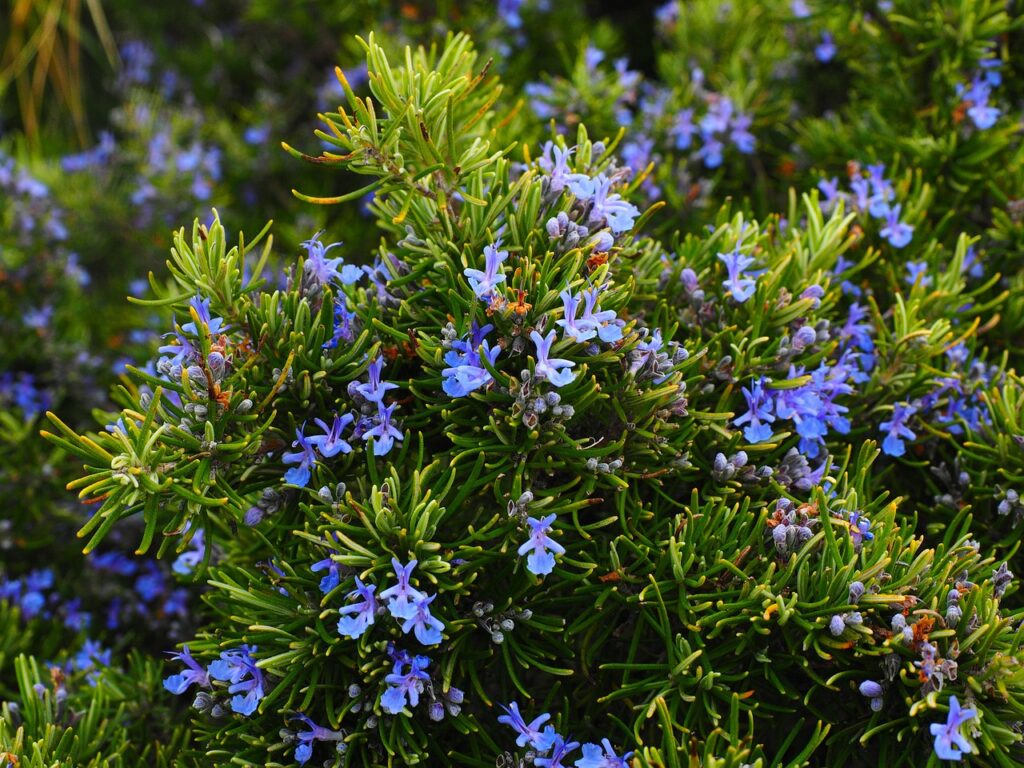
Rosemary- An Herb of Many Uses

There’s something undeniably enchanting about rosemary. With its rich history, invigorating aroma, and impressive healing properties, this evergreen herb has been cherished for centuries. More than just a culinary favorite, rosemary has long been used to support wellness, enhance spiritual practices, and uplift the spirit. In this installment of our “Intro to Herbs” series, we’ll explore the story of rosemary, its many benefits, and simple ways to invite its magic into your daily life.

A Timeless History: Rosemary’s Medicinal & Spiritual Significance

Throughout history, rosemary has been a symbol of remembrance, protection, and vitality. The ancient Egyptians used it in burial rites, believing its essence would guide souls to the afterlife. The Greeks and Romans recognized its ability to sharpen the mind, often adorning scholars and students with rosemary crowns to enhance memory and focus.

In medieval Europe, rosemary was a trusted companion in homes and sickrooms, burned as incense to ward off illness and negative energy. Herbalists valued it for its antimicrobial properties, using it to aid digestion, stimulate circulation, and support respiratory health.

Beyond its medicinal uses, rosemary has held a special place in spiritual and energetic traditions. It has been woven into wedding bouquets for fidelity, placed under pillows to encourage dreams, and used in purification rituals to cleanse spaces of stagnant energy. Today, it remains a beloved ally for holistic well-being and sacred self-care.

Five Simple Ways to Welcome Rosemary into Your Daily Rituals

  • Awaken the Mind with Rosemary Aromatherapy
    The scent of rosemary is crisp, uplifting, and deeply clarifying. Diffusing rosemary essential oil or simply inhaling its fragrance can enhance focus, improve memory, and banish mental fatigue. Try keeping a small rosemary sprig on your desk or dabbing diluted rosemary oil onto your pulse points when you need a boost of clarity and motivation.
  • Nourish Your Hair with a Rosemary Infusion
    Rosemary is a powerhouse when it comes to hair health. It stimulates the scalp, promotes hair growth, and helps combat dandruff. Create a simple rosemary hair rinse by steeping fresh or dried rosemary sprigs in hot water, letting it cool, and using it as a final rinse after shampooing. This natural tonic will leave your scalp refreshed and your hair strengthened.
  • Savor the Flavor & Benefits in Everyday Meals
    Rosemary’s earthy, slightly piney flavor makes it a wonderful addition to a variety of dishes. Infuse olive oil with rosemary for a fragrant drizzle, sprinkle chopped rosemary into roasted vegetables, or add a sprig to soups and stews for a warm, aromatic touch. Not only does it enhance flavor, but it also offers antioxidants and digestive support.
  • Sip Rosemary Tea for Digestive & Immune Support
    A cup of rosemary tea is a simple yet powerful way to enjoy its benefits. Steep a teaspoon of dried rosemary leaves (or a fresh sprig) in hot water for 10 minutes. This soothing infusion aids digestion, boosts circulation and provides immune support. Enjoy it in the morning for gentle stimulation or after meals to ease bloating and discomfort.
  • Cleanse & Protect with Rosemary Smoke or Bath Rituals
    For centuries, rosemary has been used to clear stagnant energy and invite protection. Burn dried rosemary as you would sage to cleanse your home, or add a handful of rosemary to a warm bath to release tension and restore balance. Setting an intention while working with rosemary enhances its spiritual effects, helping you create a sense of peace and clarity.


Rosemary is a true gift from nature—an herb that nurtures the body, enlivens the mind, and purifies the spirit.

Whether enjoyed as a tea, incorporated into beauty rituals, or used in sacred practices, its benefits are vast and timeless.

How do you like to work with rosemary? Share your favorite ways in the comments, and stay tuned for the next herb in our series!

Filed in: Body, Holistic Health, Intro to Herb Series, Joyful Living, Mind, Spirit • by Hummingbirds & Lavender •

Slow Living Lifestyle for the Intentional Millennial

March 5, 2025

Embrace the Slow Approach

Hey friends! Welcome back for another weekly installment of me sharing my truth online. In today’s episode, I’m going to talk about the idea of slow living.

Over the last few years, I, like many of my fellow millennials and gen-Xers, have felt the harsh bite of burnout. During 2020 when the pandemic was in full swing and most people were slowing down at home, baking bread and figuring out how to maneuver through lockdown life and Zoom meetings, I was actually doing more than I ever had before. Professionally, I was working in the medical field (Yikes!) and blissfully naive about the looming darkness that was swiftly chasing me down. I was still trying to be Super Woman and keep everything as normal as possible, even though the circumstances were anything but normal. It all came to a head in 2023 when my body decided it had had enough and it was time to address the issues and make some changes before it was too late.

What Is Slow Living?

The concept of slow-living has been floating around certain collective circles since the later parts of the 20th century. It gained more traction as its antithesis, the ‘hustle-culture movement’ steadily climbed the ranks of social influence.

Slow living is a lifestyle philosophy that encourages a more intentional, mindful, and unhurried approach to daily life. It’s about prioritizing quality over quantity, savoring the present moment, and creating space for what truly matters—whether that’s meaningful relationships, nourishing food, mindful work, or personal well-being.

At its core, slow living is a response to the fast-paced, always-on culture that often leads to stress and burnout. It encourages people to embrace a more sustainable rhythm, focusing on balance, simplicity, and joy.

The concept isn’t to shun society but to create a more authentic and sustainable version of life that aligns with your natural rhythms and creative cycles.

Some key aspects of slow living include:
🌿 Mindfulness – Being fully present in everyday moments
🌿 Simplicity – Decluttering both physical and mental spaces
🌿 Sustainability – Making choices that support long-term well-being for oneself and the planet
🌿 Connection – Prioritizing deep relationships over surface-level interactions
🌿 Intentionality – Aligning life with personal values and purpose

The Slow Food Movement- The Origins of the Slow Living Philosophy.

The concept of slow living started gaining traction in modern society in the late 20th century, particularly as a response to the rapid industrialization and fast-paced consumer culture of the time.

The Slow Movement as we know it today began with the Slow Food movement in Italy during the 1980s. Carlo Petrini, an Italian journalist and activist, founded Slow Food in 1986 as a protest against the opening of a McDonald’s near the Spanish Steps in Rome. His vision was to preserve traditional food culture, encourage sustainable farming, and promote the joy of leisurely, home-cooked meals.

This idea of slowness soon expanded beyond food. In the early 2000s, people started applying the same principles to other areas of life, giving rise to concepts like:
🌿 Slow Travel – Emphasizing immersive experiences over rushed tourism
🏡 Slow Home – Designing homes that support comfort, sustainability, and well-being
🧘‍♀️ Slow Work – Prioritizing work-life balance and meaningful careers
📖 Slow Media – Consuming news and content more mindfully, rather than doomscrolling

By the 2010s, slow living had become a widely recognized movement, gaining popularity through books, blogs, and social media influencers promoting a more intentional lifestyle. Today, with increasing awareness around mental health, sustainability, and burnout, slow living continues to resonate—especially among elder millennials and Gen Xers looking for alternatives to the “hustle culture” mindset.

The First Steps to a Slower Life

  • Generational experience: Navigating burnout from work culture, digital overload, and societal expectations.
  • The shift from hustle to harmony—rethinking success and fulfillment.
  • Connection to holistic wellness—mental, emotional, and physical well-being.
  • Simple, actionable ways to start (e.g., morning rituals, digital detox, mindful meals).
  • Encouragement to embrace progress over perfection.

Accept the Invitation to Start Your Journey

The biggest lie “they” tell you is that it’s hard. That is a lie. The truth of the matter is all you have to do to change your situation is decide to change your situation. That’s the secret. Nothing will happen overnight, but fast results usually aren’t sustainable. Like the old fable of the tortoise and hare shows us, slow and steady wins the race.

Slow-living is a personal journey and everyone will have their own map to follow. Take inspiration from others who have decided to follow this lifestyle path, but remember to be authentic to your personal experience. Everyone has different priorities and needs so comparison is the quickest way to failure.

Just remember, you’ve got this. Start with small changes to your everyday life and incorporate new ideas into your established routine.

I’d love to hear your thoughts on slow-living. Have you made the switch yet? Do you have any tips or helpful suggestions for those who are just starting their journey? Share below, I’d love to hear.

Make sure to follow along for future slow-living content. I wish you all the best of luck on your journey!

Filed in: Body, Holistic Health, Joyful Living, Mind, Spirit • by Hummingbirds & Lavender •

The Art of Loving Yourself + 6 Rituals for Self-Love

February 13, 2025

Self-love is the act of showing yourself the respect and attention you need to flourish as your most awesome and authentic self. Most people don’t put enough emphasis on the importance of self-love, but I’m here to tell you it is the complete opposite. Because you value yourself, you know your worth. When you know your worth, you can start accepting only the best for you and your future goals.

Self-love- Why It’s Essential on Your Healing Journey

The journey of self-love isn’t just a one-time thing. And it’s not a fix-it-and-forget-it kind of journey. It’s an ongoing practice, one that you will spend time uncovering and perfecting for years to come. The act of loving yourself seems simple, but in this fast-paced, high-output modern life that most of us chase after, we can easily forget how powerful and worthy we are when we accept ourselves completely and not rely on outside opinions. The practice of self-love is more important now than ever.

Why a Self-Love Practice is Essential

  • Mental Health Benefits: Having healthy boundaries around self-love leads to wide-reaching areas like increased self-esteem and confidence and reduced anxiety, stress, and depression.
  • Physical Health: A healthy relationship with self leads to better physical habits by manifesting in better self-care routines, exercise routines, and better nutritional and sleep patterns. By having a balanced outlook on Self, positive impacts can not only be seen but felt in the body by reducing stress hormones that cause inflammation.
  • Emotional Resilience: By having a healthy relationship with ourselves it opens up the possibilities for greater emotional strength and the ability to set healthy boundaries in our relationships outside ourselves. This can lead to an even deeper healing of past scars we didn’t realize were there until we allowed ourselves the compassion for healing.

How to Start a Self-Love Practice

The best way to start a self-love practice is to just start. It will look a bit different for everyone, but the main concept is to just allow yourself the grace and compassion to love yourself through the good and the bad that you have experienced throughout your life. We all go through ups and downs, but it’s what we do in those polarized experiences, and the lessons we learn along the way, that make us who we are as human beings.

Small steps are still steps. Even if all you can do is look at yourself in the mirror and smile, that’s a win. It’s not about the act as much as it is the intentional step taken to build a solid foundational practice. Good things take time to create, and that is as much true with self-love as with anything else. But when they are finally complete, they are solid. It’s a marathon, not a sprint. Just remember, one small step today, will equal progress seen tomorrow. Be kind to yourself.

6 Rituals & Routines to Promote Self-Love

Daily Affirmations:

Start each day with affirmations to reprogram negative thought patterns and beliefs we have collected throughout the years. I like to write them on sticky notes all around the places I frequent the most within my home or office. The one on my bathroom mirror reminds me daily that I can do hard things, and it has never lied to me yet.

Journaling for Reflection:

Create a journaling routine to explore your emotions, thoughts, and epiphanies. Journaling is a great way to share your challenges and triumphs, in a healthy way. A good journaling prompt to start you out with is “What makes me feel worthy?” or “How can I show love to myself today?” It might take a few days to sit and ponder the topics, but the more you sit with it, the more likely the answers will appear.

Mindful Movement:

By creating and maintaining a healthy connection to your body, you can promote healing and help build a strong self-love relationship. My favorite ways to connect with my body are by engaging in yoga or stretching to reconnect back to myself. Being outdoors in nature is another effective practice to add to your daily routine. Whether it’s a 30-minute walk in nature or a 5-minute reconnection meditation in the park, mindful movements encourage you to appreciate your physical form with judgment.

Self-Care Rituals:

As a Taurus moon girlie over here, I love a good self-care beauty ritual. From bath bombs and other herbal beauty concoctions to healthy skin care routines to promote skin health, I believe self-care beauty routines are a must. Fridays are the day of Venus; this is my day to pamper myself. Sometimes, it’s having a pedicure in the summertime to pamper my tired feet or simply an at-home spa day with a full body pampering, followed by a complete hair and make-up routine. I do it because it makes me feel good and revitalizes me on a spiritual level.

Setting Boundaries:

Many people might tell you that having boundaries is selfish. Setting boundaries is not selfish. Those people are gross and you should run the other way. It is affirming to yourself and to the relationships you are creating that you protect your energy and your time. It creates space for personal growth and self-respect and fosters stronger relationships because they are built on mutual respect and understanding.

Gratitude Practice:

Showing gratitude is my most favorite thing to do. Whether it be saying grace before each meal and celebration or saying thank you to God when I open my eyes in the morning, Showing gratitude is a practice that will help you focus on appreciating who you are, the growth you’ve made, and the people who support you on your journey. Start a simple daily gratitude practice by writing down 3 things you’re grateful for.

Self-love is the Foundation of Healing

Self-love isn’t just a feel-good concept—it’s the foundation of personal healing and empowerment. When we nurture ourselves with kindness, we create space for growth, joy, and deeper connection.

If this practice feels new to you, start small. Choose one or two rituals that speak to your heart today—maybe a few moments of gratitude, a gentle affirmation, or simply resting without guilt. Over time, let your practice evolve as you do.

I’d love to hear about your journey! Share your experiences or questions in the comments, and let’s support each other in cultivating more love from the inside out. 💛✨

Filed in: Body, Holistic Health, Mind, Spirit, Uncategorized • by Hummingbirds & Lavender •

Astrology and Holistic Wellness: Exploring the Cosmic Connection to Health

May 19, 2024

Hey friends!

In this weeks post I wanted to talk about up a topic that has been so helpful to understanding myself better on my own journey of self, astrology.

Join me as we explore the intriguing connection between astrology and holistic wellness, discovering how aligning with the rhythms of the cosmos can foster balance, vitality, and inner harmony in our everyday lives.

Exploring the Cosmic Connection to Health

Now, this is going to be a very dense post, but I’m hoping to give you breadcrumbs to start your own self discovery journey. Because everyone is so unique, your own adventure will be just as such…unique.

In this dualistic world we live in, I often find there are three main groups when it comes to the topic of astrology. The group where they think its complete hog-wash, the group that knows their birth chart backward and forwards, and the group where they might check their horoscope every now and then, just for funsies. If you are a part of the first group, this might not be the post for you, but you are completely welcome to stick around and explore something new. But for those of you who are interested in learning how astrology can connect us back to ourselves, then let’s get started!

As I’m not a professional lawyer or licensed healthcare provider, I cannot give you legal or medical advise. Consult your own doctors and lawyers please…Thanks.

What is Astrology

Well simply put, it’s the study of the celestial bodies and how they can influence the behaviors and affairs of humans, animals, and even the earth. Think of it as a snapshot of the universe at the time of your birth. A blueprint for you psyche.

Astrology is based off of several fundamental principles: zodiac signs, planets, houses, and aspects. What are these you ask? Well let’s dive a little deeper.

The zodiac is divided into 12 equal parts, each associated with a specific constellation. These are the familiar signs like Aries, Taurus, Gemini, etc. Zodiac signs reflect basic personality traits and tendencies. The position of the Sun at the time of birth determines an individual’s Sun sign, which is often considered the most significant in astrology. If you are interested in building you own birth chart, there are tons of websites out there that can help you out such as Astro.com.

The chart will show you the positions of the heavens at the time of your birth. To get the most accurate reading it’s best to have your exact birth time and location. If you’re not sure what it is, there are ways to obtain your birth certificate.

Planets: In astrology, planets represent different facets of human experience and personality. Each planet rules over specific areas of life and carries its own symbolic meaning. For example, Mercury is associated with communication and intellect, while Venus governs love, beauty, and pleasure.

Houses: The birth chart is divided into 12 sections called houses, each representing different areas of life, such as relationships, career, and home. The planets in a person’s chart fall into these houses, indicating where specific energies and influences are focused in their life.

Aspects: Aspects are the angular relationships between planets in the birth chart. These angles, such as conjunctions, squares, trines, and oppositions, reveal how planets interact with each other and influence personality traits and life events. For instance, a conjunction occurs when two planets are close together in the chart, intensifying their combined energies, while a square indicates tension or challenges between planets.

How can we use astrology to support our holistic wellness?

While astrology can offer valuable insights into potential health predispositions and strengths, it’s essential to approach these interpretations with caution and consult qualified healthcare professionals for personalized medical advice and treatment. Astrology should be used as a complementary tool alongside conventional healthcare practices, not as a substitute for professional medical care.

The deciphering of a natal chart is a journey to better understanding ones underlying life themes, strengths, and struggles. It provides a framework for self-awareness, personal growth, and navigating life’s complexities with greater clarity and purpose.

The relationship between the basic astrological elements forms the basis for one to explore their personal interpretation. For example, someone with their Moon (emotions) in the 7th house (relationships) may prioritize emotional connections in their partnerships, while someone with Mars (action) in a challenging aspect to Saturn (restriction) might experience frustrations or delays in pursuing their ambitions.

Astrological signatures in the natal chart refer to specific configurations or placements of celestial bodies that hold particular significance and can indicate predispositions or strengths in various aspects of life, including health and wellness.

When it comes to health issues, certain astrological placements or patterns may be associated with potential predispositions or vulnerabilities. For example:

  1. The Sixth House and its Ruler: The sixth house in the natal chart is traditionally associated with health, well-being, and daily routines. The sign on the cusp of the sixth house and any planets located within it can provide insights into a person’s health tendencies. Afflictions to the ruler of the sixth house or planets placed there may suggest areas of vulnerability or potential health challenges.
  2. The Moon: In astrology, the Moon governs the body’s rhythms, emotions, and overall well-being. Its placement and aspects in the natal chart can indicate emotional tendencies that may impact physical health. For instance, stressful aspects to the Moon may suggest susceptibility to stress-related health issues or fluctuations in mood that affect overall wellness.
  3. Chiron: Known as the “Wounded Healer” in astrology, Chiron represents our deepest wounds and the potential for healing and transformation. Its placement in the natal chart can highlight areas of vulnerability or past traumas that may affect health and wellness. Working with Chiron’s energy can lead to profound healing and growth in these areas.
  4. Planetary Aspects: Certain aspects between planets in the natal chart may also indicate potential health issues or strengths. For example, challenging aspects involving Mars, the ruler of energy and vitality, may suggest tendencies towards inflammation, accidents, or heightened stress responses. Harmonious aspects involving Venus, associated with pleasure and balance, may indicate a natural affinity for practices that promote well-being, such as self-care, art therapy, or enjoying nature.

On the flip side, astrological signatures can also point to strengths and assets in specific areas of wellness:

  1. Strong Sixth House: A well-aspected sixth house and its ruler may indicate robust health, disciplined lifestyle habits, and a proactive approach to wellness. Individuals with strong sixth house placements may excel in fields related to health and healing, such as medicine, nutrition, or holistic therapies.
  2. Beneficial Aspects to Health-Related Planets: Harmonious aspects involving planets associated with health and vitality, such as the Sun, Moon, and Jupiter, can suggest resilience, vitality, and a positive outlook on life. These individuals may have a natural inclination towards holistic practices that promote well-being, such as yoga, meditation, or herbal medicine.
  3. Placements in Earth Signs: Earth signs (Taurus, Virgo, Capricorn) are often associated with physicality, practicality, and groundedness. Individuals with prominent placements in earth signs may have a strong connection to their bodies and a practical approach to health and wellness. They may thrive through activities that involve physical movement, nourishing food, and connecting with nature.

Astrological Elements and Health

In astrology, the elements (fire, earth, air, water) and modalities (cardinal, fixed, mutable) play a significant role in understanding personality traits, behaviors, and tendencies.

Elements

Fire Signs (Aries, Leo, Sagittarius):

  • Health and Vitality: Fire signs are associated with energy, passion, and vitality. Individuals with prominent fire placements may have robust physical energy and enthusiasm for life. They may thrive on activities that involve movement, such as exercise, sports, or outdoor adventures.
  • Wellness Approach: Fire signs may benefit from dynamic and high-energy wellness practices, such as cardio workouts, dance, or martial arts. They may also find inspiration in motivational activities that ignite their passion and drive for personal growth.

Earth Signs (Taurus, Virgo, Capricorn):

  • Health and Stability: Earth signs are grounded, practical, and focused on the physical realm. Individuals with strong earth placements may have a sturdy constitution and a natural inclination towards maintaining physical health and stability.
  • Wellness Approach: Earth signs may thrive on routines, consistency, and tangible results in their wellness practices. They may gravitate towards activities that promote stability and nourishment, such as gardening, cooking nutritious meals, or grounding exercises like yoga or hiking.

Air Signs (Gemini, Libra, Aquarius):

  • Health and Mental Agility: Air signs are associated with intellect, communication, and adaptability. Individuals with prominent air placements may have active minds and excel in mental pursuits. However, they may also be prone to anxiety or restlessness.
  • Wellness Approach: Air signs may benefit from wellness practices that stimulate their intellect and promote mental clarity and relaxation. Activities such as mindfulness meditation, journaling, or engaging in stimulating conversations can help them maintain mental balance and well-being.

Water Signs (Cancer, Scorpio, Pisces):

  • Health and Emotional Sensitivity: Water signs are deeply attuned to emotions, intuition, and the subconscious mind. Individuals with strong water placements may have heightened emotional sensitivity and intuition, which can impact their overall well-being.
  • Wellness Approach: Water signs may find solace and healing in practices that nurture emotional well-being and foster connection with their inner selves. Therapeutic activities like art therapy, journaling, or spending time near water sources can support their emotional health and promote inner healing.

Astrological modalities

Cardinal Signs (Aries, Cancer, Libra, Capricorn):

  • Cardinal signs initiate change and action. Individuals with cardinal placements may be proactive in taking charge of their health and wellness, seeking new approaches or starting fresh habits.

Fixed Signs (Taurus, Leo, Scorpio, Aquarius):

  • Fixed signs are associated with stability and persistence. Individuals with fixed placements may be steadfast in their wellness routines and resistant to change, which can be beneficial for maintaining long-term health habits.

Mutable Signs (Gemini, Virgo, Sagittarius, Pisces):

  • Mutable signs are adaptable and flexible. Individuals with mutable placements may be open to trying different wellness practices and adjusting their routines based on their evolving needs and circumstances.

Holistic Wellness Practices and Astrology

Herbalism and plant medicine have a long history of being aligned with astrological principles, including planetary rulerships and elemental correspondences. By understanding these connections, individuals can harness the healing properties of plants to promote holistic health and well-being.

Each planet in astrology rules over specific herbs and plants, which are believed to resonate with the planet’s energy and qualities.

  • Sun: Herbs associated with the Sun, such as St. John’s Wort and calendula, are often used to promote vitality, courage, and radiant health.
  • Moon: Lunar herbs like chamomile and jasmine are renowned for their calming and nurturing properties, supporting emotional balance and restful sleep.
  • Mercury: Plants ruled by Mercury, such as lavender and peppermint, are prized for their ability to enhance mental clarity, communication, and adaptability.
  • Venus: Herbs aligned with Venus, like rose and hibiscus, are cherished for their beauty, love-enhancing qualities, and ability to soothe the heart and senses.
  • Mars: Martian herbs such as ginger and cayenne are known for their invigorating and stimulating effects, promoting vitality, and fortitude.
  • Jupiter: Plants associated with Jupiter, such as sage and cinnamon, are revered for their expansive and protective qualities, supporting growth, abundance, and wisdom.
  • Saturn: Saturnian herbs like comfrey and burdock root are valued for their grounding and fortifying properties, promoting discipline, resilience, and endurance.

Elemental Correspondences:

Herbs are also categorized according to elemental correspondences, aligning with the four elements of fire, earth, air, and water. Each element has specific qualities and associations that influence its therapeutic effects:

  • Fire: Fire herbs like cayenne and ginger are warming, energizing, and stimulating. They promote circulation, digestion, and vitality.
  • Earth: Earth herbs such as burdock and dandelion root are grounding, nourishing, and supportive of overall health and vitality. They aid in detoxification, digestion, and strengthening the body’s systems.
  • Air: Air herbs like peppermint and lavender are aromatic, uplifting, and soothing to the mind and spirit. They promote mental clarity, relaxation, and emotional balance.
  • Water: Water herbs such as chamomile and marshmallow root are hydrating, calming, and nurturing. They support emotional healing, relaxation, and fluidity in the body.

Phew…that was a lot guys, but if you are still here with me then thank you from the bottom of my heart. I appreciate your time and presence with me today. And I hope this post will give you the building blocks you need to begin your adventure into your self discovery, and for those willing to do the work your soul discovery.

In this cosmic dance, astrology serves as more than just a guide to the heavens—it becomes a roadmap for nurturing mind, body, and spirit.

For those willing to put in the work, you can learn to heal yourself by connecting your mind back to your heart. Can you imagine if we use our hearts to influence our decisions instead of our minds? I think the world would be a much kinder and loving place.

Until next time yall!

Filed in: Astrology, Body, Holistic Health, Mind, Spirit • by Hummingbirds & Lavender •

Herbs You Need in Your Garden This Year

May 19, 2024

As winter fades and hints of spring emerge, the call of Mother Nature beckons us towards renewal and rejuvenation. Embracing the ancient wisdom of herbal healing, we’re drawn to the vibrant energy of spring herbs, each leaf and petal a testament to nature’s profound healing power.

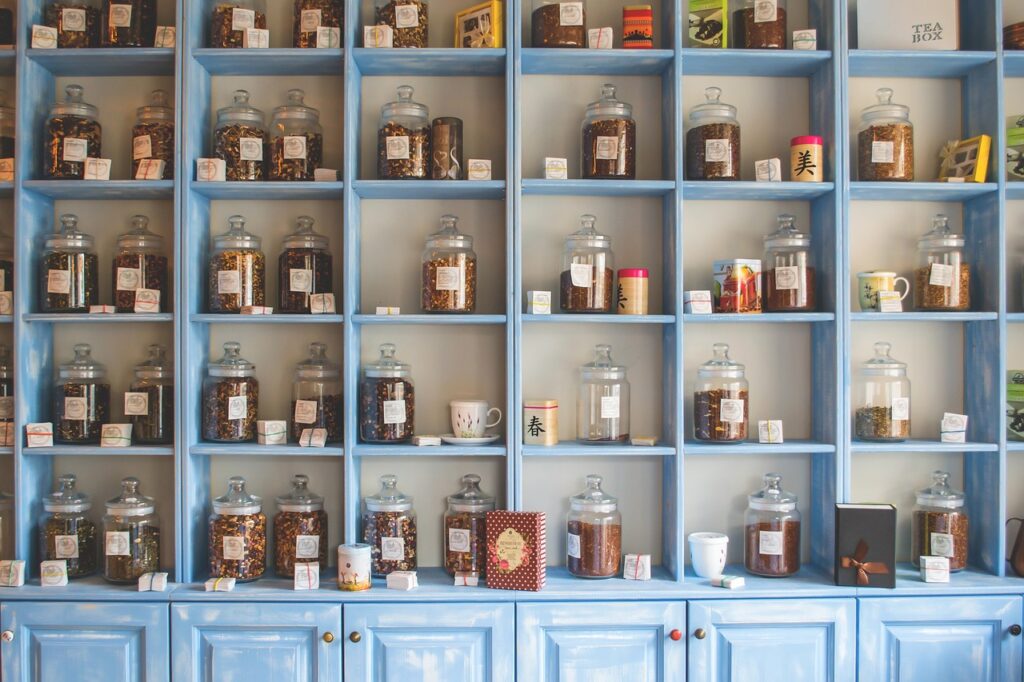
tall, blue shelves full of clear, glass jars filled with dried herbs and botanical matter.

Harnessing Herbal Healing:

While I’m not a licensed medical provider, with guidance from a knowledgeable herbalist or healthcare professional, herbal remedies offer a gentle path to wellness, free from harsh side effects often associated with pharmaceuticals. From soothing digestive woes to bolstering immunity, herbs work in harmony with our bodies, addressing underlying imbalances and nurturing our innate healing processes.

Top 10 Spring Herbs for Your Garden:

  1. Chamomile: Known for its calming properties, perfect for relaxation and skin soothing.
  2. Lemon Balm: Refreshing and calming, ideal for reducing anxiety and aiding digestion.
  3. Peppermint: A staple for digestive relief and alleviating headaches.
  4. Nettle: Nutrient-rich, supporting immunity and reducing inflammation.
  5. Dandelion: Liver-supporting and detoxifying.
  6. Echinacea: Immune-boosting and cold-fighting.
  7. Calendula: Soothing inflammation and promoting wound healing.
  8. Thyme: Antimicrobial and supportive of respiratory health.
  9. Rosemary: Antioxidant-rich and beneficial for cognitive function.
  10. Lavender: Calming and perfect for relaxation and sleep.

Incorporating Herbs into Daily Wellness

From herbal teas to culinary delights, botanical baths to skincare, herbs offer myriad ways to enhance wellness rituals. By embracing ethical harvesting and sustainable practices, we honor the delicate balance of our natural world and enrich our lives in profound ways.

Exploring Herbal Wisdom: FAQs to Expand Your Knowledge

Question 1: Can I use herbs if I’m already taking medications?

Answer: It’s essential to consult with your healthcare provider before incorporating herbs into your routine, especially if you’re taking medications. Some herbs may interact with certain medications, potentially affecting their efficacy or causing adverse effects. Your healthcare provider can provide personalized guidance based on your specific health needs and medications.

Question 2: How do I know which herbs are safe for me to use?

Answer: While many herbs offer therapeutic benefits, it’s crucial to approach herbal use with caution and awareness. Start by researching reputable sources for information on herbs and their potential effects. Additionally, consider consulting with a qualified herbalist or healthcare professional who can offer personalized guidance based on your health history, current medications, and individual needs.

Question 3: Can I grow my own herbs at home, and how do I get started?

Answer: Absolutely! Growing your own herbs can be a rewarding and sustainable way to incorporate herbal wellness into your life. Begin by selecting herbs that thrive in your climate and growing conditions, such as basil, mint, or rosemary. Choose a sunny spot in your garden or a well-lit area indoors, and provide adequate water and soil for your herbs to flourish. Consider starting with pre-grown plants from a local nursery or seeds from a reputable supplier. With a little care and attention, you’ll soon be enjoying the fresh flavors and therapeutic benefits of homegrown herbs.

By cultivating a deeper connection with nature and embracing the healing power of herbs, we embark on a journey of self-discovery and empowerment.

With mindfulness and knowledge, we tap into nature’s profound healing potential, enriching our lives in ways both subtle and profound.

Happy Spring Equinox!

While generally considered safe when used appropriately, medicinal herbs can have side effects or interactions with medications. It’s important to consult with a healthcare professional or qualified herbalist before using herbs, especially if you have underlying health conditions or are taking medications.

Filed in: Body, Garden, Holistic Health, Joyful Living • by Hummingbirds & Lavender •

7 Herbal Remedies That Can Help You Sleep Better Tonight

May 19, 2024

Hey friends! So this week I’d thought I’d pick a topic about something that everyone who is a human being on this planet can relate to…sleep. Whether it be too little, too much, or too restless we all can agree that having quality sleep impacts or day to day lives, for better or worse.

But, thankfully, Mother Nature has blessed us with some wonderful allies on our wellness journey.

7 herbs with naturally-stimulating restful qualities

Below you’ll find a few examples of the kinds of medicinal herbs that have been shown to improve the quality and/or quantity of one’s sleep. This is by no means a complete, end-all-be-all list, but I wanted to provide you with a jumping off point to start you individual journey.

Lavender– Lavender is famous for its calming properties. It can be used in various forms, such as essential oil, tea, or as a sachet placed under your pillow.

Chamomile– Chamomile is another herb with relaxing properties. Chamomile tea is a popular bedtime beverage known for its ability to induce sleepiness.

Valerian Root Valerian root is a well-known herb for promoting relaxation and sleep. It’s often available in supplement form or as a tea.

Passionflower Passionflower is used traditionally to treat anxiety and insomnia. It may help improve sleep quality by reducing anxiety levels.

Ashwagandha Ashwagandha is an adaptogenic herb that may help alleviate stress and promote relaxation, which can indirectly support better sleep.

Lemon Balm: Lemon balm is a member of the mint family and is often used to reduce anxiety and promote relaxation, potentially aiding in better sleep.

Magnolia Bark: Magnolia bark contains compounds that may help reduce anxiety and promote better sleep.

California Poppy: California poppy is often used as a mild sedative to promote relaxation and support better sleep.

Before using any herbal remedy regularly, it’s essential to consult with a healthcare professional, especially if you have any underlying health conditions or are taking medications, as herbs can interact with medications and may not be suitable for everyone.

Ways to incorporate herbal sleep support into you daily routine

Now that you are aware of the different herbs and what they are generally used for, now its time to put the to use? Below I have provided a few simple ways to incorporate the herbs to reap the healing benefits of herbs.

Herbal Tea: Brew a cup of herbal tea using sleep-promoting herbs like chamomile, valerian root, lavender, or passionflower. Drink the tea about 30 minutes to an hour before bedtime to help relax your body and mind.

Herbal Sachets: Create an herbal sachets using dried herbs such as lavender or chamomile and a muslin or linen sachet. Place the sachets under your pillow or near your bed to enjoy the calming aroma as you sleep.

Herbal Bath: Add a few drops of essential oils derived from sleep-supporting herbs like lavender or chamomile to your bathwater. Soak in the herbal-infused bath before bedtime to relax your muscles and unwind.

Herbal Tinctures: Take herbal tinctures made from sleep-promoting herbs like valerian root, passionflower, or lemon balm. Follow the dosage instructions provided on the tincture bottle or consult with a healthcare professional for guidance.

Herbal Inhalation: Use a diffuser to disperse essential oils of sleep-supporting herbs such as lavender, chamomile, or bergamot in your bedroom. Inhale the soothing aroma while you prepare for bed to create a calming atmosphere.

Herbal Pillow Mist: Create a homemade pillow mist using a combination of water and essential oils derived from sleep-promoting herbs. Spritz the mist lightly onto your pillow and bedding before bedtime to promote relaxation and better sleep.

Don’t be afraid to research and create your own blend of dried herbs, botanicals, or essential oils. The beauty of creating your own personal blend is you get to tailor it to your daily needs. The options are nearly endless.

I hope this post will give you the confidence to approach herbal remedies as a natural alternative for sleep improvement. Let me know down below how you are using herbs to improve your sleep.

Until next time pollinators!

Filed in: Body, Holistic Health • by Hummingbirds & Lavender •

Spring Renewal: Refreshing Your Mind, Body, and Spirit

May 4, 2024

As winter’s chill gives way to the gentle warmth of spring, nature awakens from its slumber, inviting us to embrace a journey of renewal and rejuvenation.

In this season of transformation, I think its important to remind ourselves of the profound healing power of plants, flowers, and herbs.

Join me on a journey to discover the transformative potential of herbal wellness as we explore ancient wisdom, cultivate holistic healing, and nurture mind, body, and spirit.

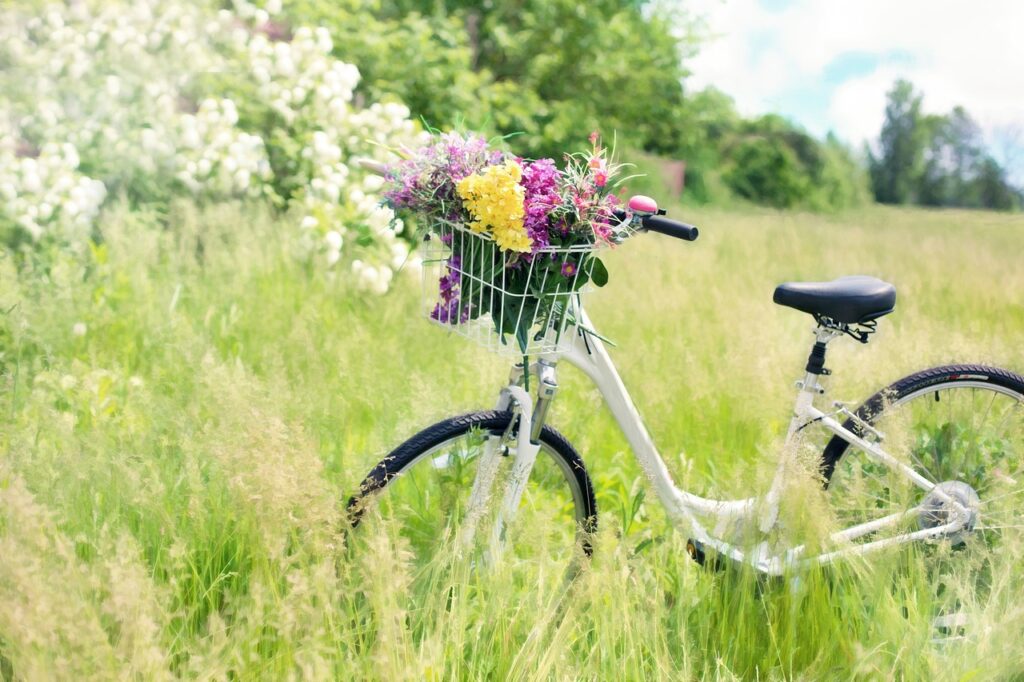
white bicycle parked in a meadow with bright, fresh flowers overflowing its wire bicycle basket.

The Healing Power of Nature

As we witness the seasonal transition from winter to spring, it’s as if Mother Nature herself is guiding us towards a path of healing and growth. The emergence of vibrant blooms and foliage serves as a poignant reminder of nature’s innate wisdom and ability to provide nourishment for both body and soul. In the gentle embrace of spring, we find solace and inspiration, drawing strength from the earth’s abundant bounty of herbs and botanical treasures.

Herbal Wisdom Through the Ages

Throughout history, herbal medicine has served as a cornerstone of healing practices across cultures and civilizations. From the ancient Egyptians’ use of herbs to treat a myriad of ailments to the herbal wisdom of figures like Hildegard von Bingen, a German Benedictine abbess, herbalist, and healer from the 12 century, herbalism has endured as a timeless testament to the power of nature’s remedies. Today, we continue to draw inspiration from the rich tapestry of herbal tradition, embracing herbs as allies on our journey to holistic wellness.

In today’s modern healthcare world, the use of plants and natural healing modalities is a controversial topic that has polarizing tendencies of each end of the spectrum. However, I believe that the two can coexist in the same universe, allowing both schools of thought to be valid and true.

Harnessing Herbal Healing

In our modern world filled with synthetic medications and quick-fix solutions, the gentle potency of herbal remedies offers a welcome alternative. With guidance from knowledgeable herbalists and healthcare professionals, we can harness the healing power of herbs to support our body’s natural healing processes. Unlike pharmaceutical drugs that often come with a laundry list of side effects, medicinal herbs work in harmony with our bodies, addressing underlying imbalances and nurturing our overall well-being.

Cultivating Wellness with Herbs

As we embark on a journey of herbal wellness, we’re greeted by a diverse array of spring herbs, each offering its own unique therapeutic properties. From the soothing calm of chamomile to the refreshing zest of peppermint, these botanical wonders invite us to explore new realms of wellness and vitality. By incorporating herbs into our daily rituals—whether through herbal teas, culinary creations, or skincare treatments—we can nourish our bodies and nurture our spirits in harmony with the rhythms of nature.

Nurturing Mind, Body, and Spirit

Herbal wellness isn’t just about treating symptoms; it’s about nurturing holistic health and well-being from the inside out. By embracing the interconnectedness of mind, body, and spirit, we can tap into the transformative potential of herbs to promote balance and resilience in our lives. Whether seeking solace in the calming embrace of lavender or finding vitality in the invigorating aroma of rosemary, herbs offer a pathway to wholeness that transcends the boundaries of conventional medicine.

Ethical Harvesting and Sustainable Practices

As stewards of the earth’s bounty, it’s our responsibility to approach herbalism with mindfulness and reverence for the natural world. Ethical harvesting and sustainable practices ensure that we honor the delicate balance of our ecosystems while preserving the wisdom of herbal traditions for future generations. By prioritizing ethical sourcing and supporting local growers, we can foster a culture of sustainability that celebrates the interconnectedness of all living beings.

Herbal Wellness FAQs

Can I use herbs if I’m already taking medications? I

t’s essential to consult with your healthcare provider before incorporating herbs into your routine, especially if you’re taking medications.

How do I know which herbs are safe for me to use?

Start by researching reputable sources for information on herbs and their potential effects. Consider consulting with a qualified herbalist or healthcare professional for personalized guidance.

Can I grow my own herbs at home, and how do I get started?

Absolutely! Begin by selecting herbs that thrive in your climate and growing conditions, and provide adequate care and attention for your plants to flourish.

Ready to unlock the healing potential of nature’s botanical treasures? I encourage you to start exploring the therapeutic powers of botanical flowers, plants, and herbs. Don’t be afraid to discover the secrets of herbal remedies, holistic wellness practices, and natural skincare solutions.

Once you take the first step towards a healthier, more vibrant life by embracing the wonders of botanical healing, the magic can begin.

Explore now and embark on a journey of self-discovery and well-being!

Filed in: Body, Holistic Health, Mind, Spirit • by Hummingbirds & Lavender •

Nurturing Mental Wellness Through Herbalism: A Holistic Approach

May 2, 2024

In today’s fast-paced world, where stress and anxiety are prevalent, prioritizing mental wellness is crucial for overall health and happiness. While traditional therapies and medications have their place, exploring holistic approaches like herbalism can offer unique benefits for supporting you on your own mental health journey.

In this post, we’ll delve into the world of herbalism and how incorporating medicinal herbs into your self-care routine can nurture your mind, body, and spirit.

Understanding Mental Wellness and Herbalism

Herbalism, also known as herbal medicine or phytotherapy, is the practice of using plants and plant extracts for medicinal purposes. For centuries, cultures around the world have relied on the healing properties of herbs to treat various ailments, including those related to mental health. What sets herbalism apart is its holistic approach, which considers the interconnectedness of physical, emotional, and spiritual aspects of health.

Exploring Herbal Remedies for Mental Wellness

There are a lot of buzz words floating out there right now, so I thought it best to kinda do a vocabulary round up.

First on the list of words to acquaint yourself with in Adaptogen. Adaptogens are a class of herbs that help the body adapt to stressors, both physical and psychological, thereby promoting resilience and balance. Examples of popular adaptogens are Ashwaganda, which I personally love and use in my night-time routine, Tulisi, also known as “Holy Basil”, and Rhodiola, all of which have been known to alleviate symptoms of anxiety, stress, and even depression symptoms, in some cases.

Another one to know is Nervines. Nervines are a category of herbs that are often used to support and promote nervous system health, as well as to help alleviate stress, anxiety, and tension. Nervines can have various effects on the body, including calming and sedative actions, as well as promoting relaxation, soothing nerves, and improving sleep quality. Examples of nervine herbs include chamomile, lemon balm, passionflower, and valerian.

And last, but certainly not least is Cognitive Enhancers. Now there are a few different methods of cognitive enhancing treatments floating around the mental health scene these days. One option is following the pharmaceutical pathway, which includes diagnosis from a trained medical health provider and a treatment plan consisting of medications such as Adderall or Ritalin. Another option is cognitive therapy, things like brain games and meditation are included in this method. However for this post, I want to highlight the use of herbal options, such as Gingko Biloba. Ginkgo biloba is often taken as a supplement to enhance memory, focus, and overall cognitive function, particularly in older adults. Some research suggests that it may help improve blood flow to the brain and protect nerve cells from damage, potentially leading to better cognitive performance.

Incorporating Herbal Practices into Daily Life

A lot of people get overwhelmed when they think of the different ways they will have to change their already maxed-out lives to incorporate these new practices. I get it, life is busy and somedays I’m happy to just get everyone feed and in bed at a decent time, but adding herbal remedies to your self-care routine can be simple and enjoyable. Below are just a few ways to get the most benefits with the least amount of effort.

Herbal Teas

Nothing says self care like a hot, steamy mug of your favorite tea. Not sure which tea to try? There are tons of small business tea contours who’s purpose in this world is to providing people with quality medicinal teas blends as well as herbal education. Popular herbs like chamomile, lemon balm, or passionflower are well known to help one unwind and relax after a stressful day.

Aromatherapy

Another personal fave. I love having my diffuser going while I’m folding laundry and doing my chores. It has the ability to lift my mood and depending on what I’m diffusing, it can effect my productivity levels. For example, Rosemary is one of my all time favorite essential oils for energizing and promoting focus. Pro tip– Rosemary is great for those days when you need a pick-me-up, but you don’t want to use caffeine. Combine a couple drops of rosemary essential oil, and a carrier oil such as olive or jojoba oil, in a small glass roller bottle. Apply a small amount to the inside of your wrists and it should help get you over that afternoon hump.

Herbal Supplements

There dare a ton of supplement companies out there, and they all provide a range of supplements. Consider taking herbal supplements containing adaptogens like ashwagandha or rhodiola to support your body’s stress response and enhance mental resilience. However, not all supplements are created equal, so finding a company who you can trust to produce quality product is an important factor.

Herbal Baths

Making your own bath salts is a fun a creative way to prioritize your self care. Combing easily accessible ingredients such as Epsom or mineral salts and essential oils, along with dried herbs and flowers like lavender, rosemary, or rose petals, you are able to create a custom herbal blend to infuse your bathwater for a soothing and rejuvenating experience.

Cultivating a Holistic Approach to Mental Wellness

Complete wellness is a not a one and done approach. To cultivate the best care for yourself, you need to look at it as a lifestyle approach verses a quick fix solution. While herbs provide much needs building blocks for a healthy body, adding additional support in the the form of exercise, balanced nutrition, and quality sleep can boost your ability to maximize your health.

Developing a regular mind-body practices such as meditation, yoga, or tai chi can connect you back to your body and allow for more enhanced mental resilience and emotional balance.

Most importantly, never feel ashamed to seek help from qualified professionals such as herbalists, naturopathic doctors, or mental health providers. These people are here to assist you when things are too much for you to bear alone. There is no shame in asking for help.

I hope this post has given you a sense of hope on your own wellness journey. My aim is to provide people with helpful information and practical ways to take control of your health. I cant stress this enough…we have to be our own biggest advocates when it comes to healthcare. Modern medicine is fantastic in its own right, but I believe we have to claim the responsibility of cultivating our own health and wellness for ourselves.

By incorporating herbalism into your own mental wellness regimen, I hope to offer you an alternative, holistic approach to supporting your overall well-being. By harnessing the healing power of medicinal herbs, you can nourish your mind, body, and spirit, and cultivate greater resilience in the face of life’s challenges.

Whether you’re sipping on a cup of herbal tea, enjoying the aroma of essential oils, or taking herbal supplements, embracing herbalism can be a transformative journey towards enhanced mental wellness and vitality.

Let me know down below some of your favorite ways to incorporate herbal remedies into your mental wellness journey.

Filed in: Body, Garden, Holistic Health, Joyful Living, Mind, Spirit • by Hummingbirds & Lavender •

Building a Medicinal Herb Garden

April 21, 2024

Hey there, fellow green thumbs! Today, let’s dive into the wonderful world of backyard gardening and assess that precious outdoor space of yours.

In the hustle and bustle of city life, there’s a growing trend sprouting up amidst the concrete jungle: urban farming. Picture this: trading skyscrapers for sunflowers, and traffic jams for tomato vines. As more people yearn for a deeper connection to nature and a sustainable way of living, backyard agriculture is becoming the new norm.

In this blog post, we’ll explore the magic of transforming your urban backyard into a flourishing flower and herb farm. Not only does this venture offer a bounty of fresh, organic produce right at your doorstep, but it also adds a touch of natural beauty to your space while playing a vital role in supporting local biodiversity. So, grab your gardening gloves and let’s dig into the delightful world of urban gardening!

How to create your dream garden

Assess your space

Take a stroll around your backyard sanctuary, noting the sunny spots and shady corners, envisioning what it will look like as the season progresses. Consider the soil quality, drainage, and any existing landscaping features that could complement your floral haven. Be mindful of existing water sources and how you will irrigate your garden. If the spot you dedicate as your future flower patch isn’t close to water access, you might want to consider different placement options, or have a plan ready for when its time to water. With a keen eye and a touch of creativity, you’ll transform this blank canvas into a blossoming paradise, bursting with color and flavor.

Planning Your Garden Design

In the initial planning stages of constructing your backyard herb and flower garden, it’s essential to sketch out a detailed garden plan. Designate specific areas for your blooms and herbs, integrating pathways for easy access and considering additional features like seating areas or compost bins to enhance functionality. Furthermore, incorporating companion planting and crop rotation strategies into your layout not only optimizes space but also fosters plant health by minimizing pests and diseases. I have come to realize that a garden is an ever evolving space. So if you plan to make permanent structures in your

Selecting Flower and Herb Varieties

This is the fun part, deciding what to grow. When selecting seeds for your backyard herb and flower garden, prioritize varieties that thrive in your local climate and growing conditions, ensuring optimal success. Take into account factors like bloom time, height, and color diversity to curate a visually captivating garden that flourishes throughout the seasons, providing both aesthetic pleasure and practical benefits for pollinators and wildlife alike.

Preparing the Soil

Preparing the soil is a crucial step in establishing a thriving backyard herb and flower garden. Begin by getting your soil tested to understand its composition and nutrient levels, amending it as necessary to enhance fertility, drainage, and structure. Incorporating organic matter like compost or aged manure further enriches the soil, providing essential nutrients and fostering optimal conditions for healthy plant growth and development.

Starting Seeds and Propagation

When starting herbs and flowers for your backyard garden, consider whether to begin seeds indoors or directly sow them based on the plant’s needs and the season. Some plants benefit from an early start indoors, while others thrive when sown directly into the garden. Additionally, expand your plant collection through propagation methods such as division, cuttings, or layering, offering opportunities to increase your garden’s diversity and abundance.

Planting Your Garden

As you transition your baby seed starts from pots to the soil in your backyard garden, ensure to follow spacing guidelines tailored to each plant variety, allowing ample room for growth. Gently transplant seedlings into prepared soil, taking care not to disturb their delicate roots. After planting, water thoroughly to settle the soil around the roots, and provide support structures for tall or vining plants to encourage healthy development and prevent damage.

Caring for Your Garden

Caring for your freshly planted seedlings in your backyard garden involves regular monitoring for signs of pests, diseases, or nutrient deficiencies to address issues promptly and maintain plant health. Consistent watering and the application of mulch help retain moisture in the soil while suppressing weeds, ensuring optimal growing conditions. Additionally, practice deadheading spent flowers to stimulate continuous blooming and harvest herbs regularly to encourage robust new growth for a flourishing garden throughout the season.

Harvesting and Using Your Flowers and Herbs

For optimal flavor and freshness, harvest herbs when they’re at their peak, usually in the morning before the sun’s heat diminishes their essential oils. Similarly, pluck flowers early in the day to capture their vibrancy and fragrance. Once harvested, dive into the versatile world of herbs, exploring their culinary and medicinal applications, while unleashing your creativity with flower arrangements to adorn your home with colorful bouquets or captivating floral displays.

Maintaining Your Urban Flower and Herb Farm

Maintaining a flourishing backyard garden involves consistent upkeep to ensure its health and beauty. Keep your garden tidy by regularly removing spent blooms, pruning back overgrown plants, and refreshing mulch to retain moisture and suppress weeds. Additionally, stay vigilant for signs of pests and diseases, addressing any issues promptly to prevent their spread and safeguard the vitality of your garden.

Sharing Your Garden with the Community

Sharing the fruits of your gardening labor not only fosters a sense of community but also spreads joy and appreciation for nature’s bounty. Gift flowers and herbs to friends, family, and neighbors, or invite them to explore your garden through tours and workshops, fostering connection and appreciation for gardening. Engaging with local gardening groups or community organizations allows for collaboration in urban farming initiatives, sharing valuable knowledge and resources to enrich the broader community.

FAQs

When should I start planting my garden?

Answer: The timing for planting varies depending on your location and the specific plants you want to grow. Generally, you can start planting in the spring after the last frost date for your area.

What are the best plants for a beginner gardener?

Answer: Some easy-to-grow plants for beginners include herbs like basil, mint, and rosemary, and flowers such as zinnias, marigolds, and sunflowers. These plants are relatively low-maintenance and forgiving of beginner mistakes.

What kind of soil should I use?

Answer: Good quality, well-draining soil is essential for healthy plant growth. You can improve your soil by adding organic matter such as compost, peat moss, or aged manure to increase fertility and improve soil structure.

That’s all for this weeks adventure, folks! I hope I have convinced yall that transforming your urban backyard into a vibrant herb and flower garden is a rewarding journey waiting to unfold. I aim to show people that space and experience does not limit your ability to cultivate an abundant garden.

By using these simple steps as a guide, you too will be able to enjoy your garden and its gifts throughout the coming months.

Tell me how your garden is coming along this season down below!

Filed in: Body, Garden, Holistic Health, Joyful Living • by Hummingbirds & Lavender •

  • « Previous Page
  • 1
  • 2
  • 3
  • Next Page »
Hey, yall! I'm Ashley, creator of Hummingbirds & Lavender, and I just wanted to say welcome and thanks for stopping by. This is just a place for me to document my story of raising my family, being a botanical entrepreneur, and living the best life I can possibly create. Thanks for being a part of the journey with me.

Follow Along on social media

  • Instagram
  • Pinterest

Search The Blog

Categories

  • About me
  • Astrology
  • Body
  • botanical dye
  • Clean Beauty
  • Garden
  • Healthy Recipes
  • Holistic Health
  • Home Decor & DIY
  • Intro to Herb Series
  • Joyful Living
  • Mind
  • Spirit
  • Sustainable Fashion
  • Uncategorized

Popular Posts

Ancestral Herbalism

Healing Your Gut Naturally

Copyright © 2026 · Theme by Blog Pixie