• Holistic Health
    • Mind
    • Body
      • movement
    • Spirit
      • Astrology
  • Joyful Living
    • Home Decor & DIY
    • Sustainable Fashion
    • Clean Beauty
    • Garden
      • Intro to Herbs Series
  • About me
    • Who is Hummingbirds and Lavender?
  • Follow

    • Etsy
    • Instagram
    • Pinterest
    • YouTube

Hummingbirds and Lavender

Holistic, Sustainable, Intentional

Healing Your Gut Naturally

November 19, 2025

How Medicinal Herbs Can Restore Balance

Your gut is more than just a place where food is digested—it’s the foundation of your overall health. Often called the “second brain,” the gut is deeply connected to your immune system, mood, and energy levels. When it’s out of balance, we might experience bloating, fatigue, brain fog, or skin issues. When it’s healthy, we feel more vibrant, resilient, and grounded.

While modern wellness trends often focus on supplements and restrictive diets, the truth is that nature has offered us gut-healing tools for centuries—many of them right in our kitchens or gardens. Medicinal herbs, paired with nourishing foods, can be gentle yet powerful allies in restoring digestive harmony.

Why Gut Health Matters

The gut is home to trillions of bacteria and microorganisms that help break down food, absorb nutrients, and protect against harmful invaders. This community, known as the gut microbiome, thrives on balance. Stress, processed foods, antibiotics, and environmental toxins can disrupt it, leading to inflammation, poor digestion, and even chronic illness.

By focusing on nutrition—especially plant-based, fiber-rich foods—and incorporating medicinal herbs, you can help your gut repair, rebuild, and flourish.

6 Medicinal Herbs for Gut Healing

1. Chamomile

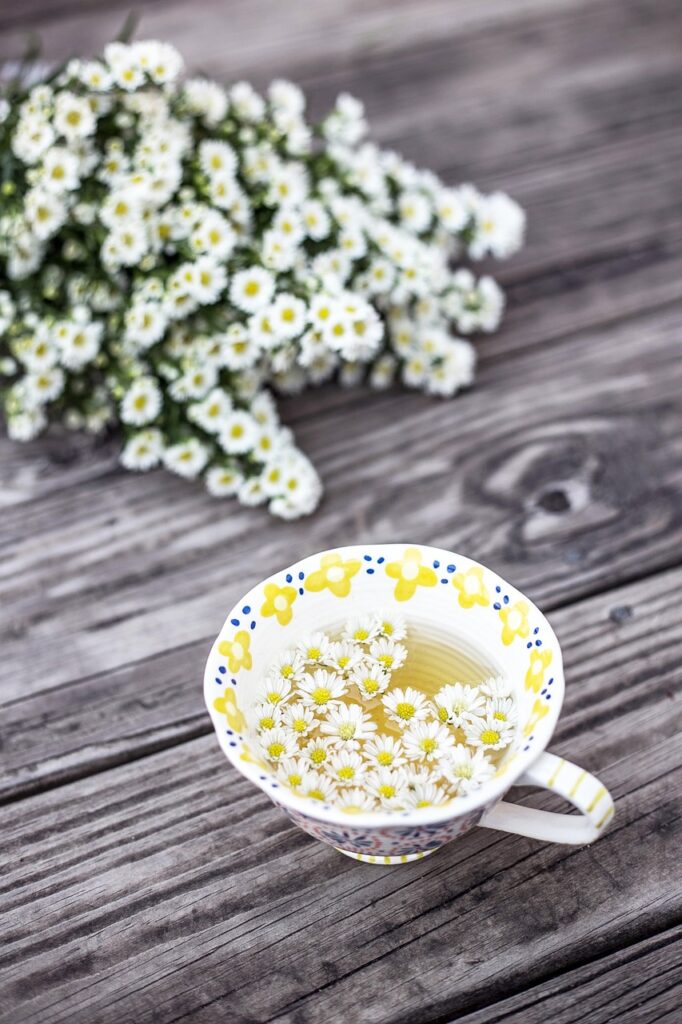
Known for its calming effects, chamomile is a gentle digestive soother. It can help ease bloating, indigestion, and mild cramping. A cup of chamomile tea after dinner supports both digestion and relaxation before bedtime.

2. Ginger

A warming herb, ginger stimulates digestion, reduces nausea, and helps move food smoothly through the GI tract. Fresh ginger tea or adding grated ginger to meals can give your digestion a gentle boost.

3. Peppermint

Peppermint relaxes the muscles of the digestive system, making it helpful for gas, bloating, and mild discomfort. Peppermint tea or diluted peppermint oil capsules (enteric-coated for safe digestion) can be especially soothing.

4. Slippery Elm

Slippery elm is rich in mucilage, a gel-like substance that coats and protects irritated digestive tissue. It can be taken as a tea or mixed into smoothies for a gentle, healing effect—especially helpful for those with gastritis or reflux.

5. Fennel

Fennel seeds have long been used to reduce gas and bloating. They also have a naturally sweet, refreshing taste. Sip fennel tea or chew a teaspoon of seeds after meals for a traditional digestive aid.

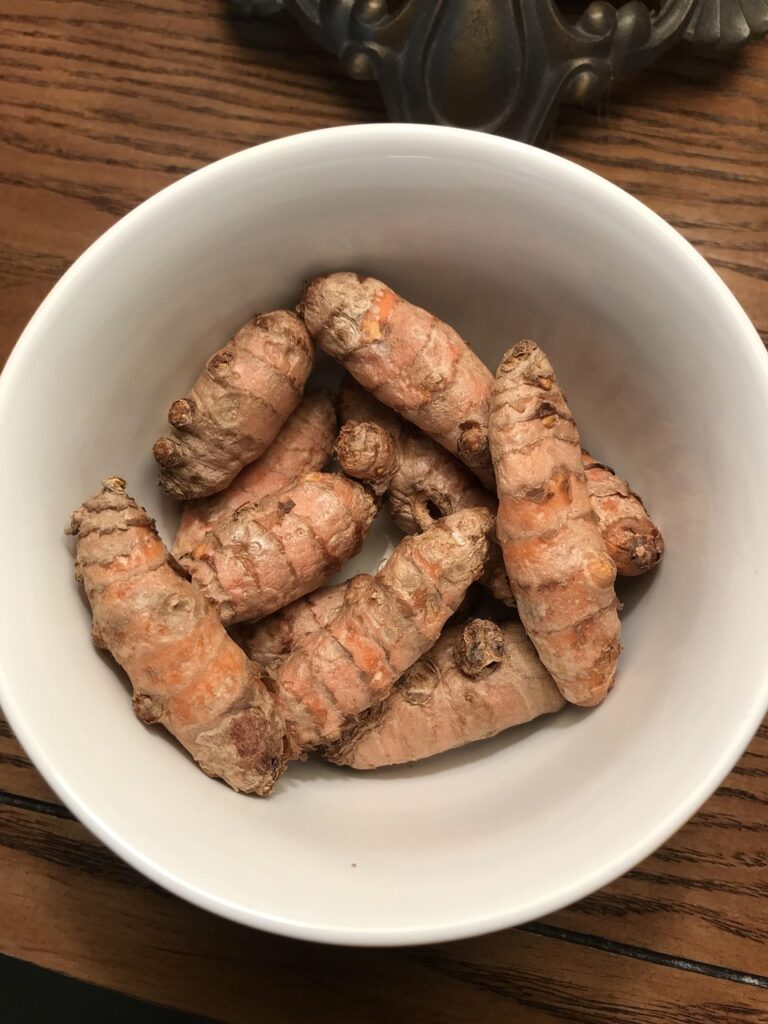
6. Turmeric

Turmeric’s anti-inflammatory properties can calm digestive inflammation, especially in conditions like IBS. Use it in cooking or brew golden milk with a pinch of black pepper for enhanced absorption.

Nutritional Practices for a Healthy Gut

While herbs are wonderful, they work best alongside whole-food nutrition. Here are a few practices to support your gut naturally:

  • Eat fiber-rich foods – Vegetables, fruits, legumes, nuts, and seeds feed your beneficial gut bacteria.
  • Include fermented foods – Yogurt, kefir, sauerkraut, kimchi, and miso introduce healthy probiotics.
  • Stay hydrated – Water helps keep digestion smooth and supports nutrient absorption.
  • Limit highly processed foods – Artificial sweeteners, excess sugar, and refined carbs can harm beneficial bacteria.
  • Practice mindful eating – Slow down, chew thoroughly, and allow your body to shift into a relaxed “rest-and-digest” state.

How to Begin Your Herbal Gut-Healing Journey

If you’re new to medicinal herbs, start simple:

  • Choose one or two herbs that speak to you—perhaps a soothing chamomile tea in the evening or fresh ginger in your morning smoothie.
  • Keep a journal of how your digestion feels each day.
  • Give your body time—herbal healing is gentle and works best when consistent over weeks and months.

A Gentle Reminder

Even though herbs are natural, they are still powerful. If you have chronic digestive issues, are pregnant, or take medications, check with a qualified herbalist or healthcare provider before starting new remedies.

The Beauty of a Nourished Gut

Healing your gut with medicinal herbs isn’t about quick fixes—it’s about creating a lifestyle that honors your body’s needs. With each soothing cup of tea, each thoughtfully prepared meal, you’re not only nourishing your microbiome—you’re building a deeper relationship with your body’s own wisdom.

In the quiet, consistent rituals of herbal nourishment, your gut can find its way back to balance, and you can rediscover a sense of comfort, energy, and joy from the inside out.

Filed in: Body, Holistic Health • by Hummingbirds & Lavender •

Intro to Herbs series: Chapter 11: Turmeric

November 5, 2025

Golden Root, Ancient Wisdom

Turmeric (Curcuma longa) is more than just a splash of sunshine in your spice jar—it’s a plant with a history that winds through ancient healing traditions, sacred rituals, and kitchen tables across the world. For centuries, this golden root has been celebrated for its ability to nourish both body and spirit. Today, it’s finding its way into smoothies, skincare, and even lattes—but behind the trend lies a treasure trove of wisdom.

Let’s explore the story of turmeric, the ways it can enhance your health, and how you can begin using it in your own holistic lifestyle.

A Glimpse Into Turmeric’s Golden History

Turmeric’s roots stretch back over 4,000 years to the lush landscapes of India and Southeast Asia. It’s a member of the ginger family, thriving in warm, humid climates where its underground rhizomes develop their deep orange hue.

In India, turmeric was—and still is—a sacred plant in Ayurveda, the traditional system of medicine. Known as haridra in Sanskrit, it was used not just for physical healing but also in spiritual and ceremonial practices. Brides were often anointed with turmeric paste before weddings to promote radiant skin and bless their new life.

Turmeric made its way along the spice routes, reaching China, Africa, and eventually Europe. In many cultures, it symbolized prosperity, fertility, and protection. Its vibrant color also made it a prized natural dye for fabrics and foods.

The Healing Power of Curcumin

Turmeric’s magic lies largely in curcumin, its main active compound. Curcumin is what gives turmeric its golden glow and many of its medicinal benefits:

  • Anti-inflammatory support – Curcumin helps the body respond to inflammation, which is linked to joint pain, digestive issues, and chronic illness.
  • Antioxidant protection – It helps neutralize free radicals, protecting cells from damage and supporting healthy aging.
  • Digestive aid – Traditionally used to stimulate appetite, support liver health, and ease bloating.
  • Immune system support – Turmeric has been used to help the body’s natural defenses, especially during seasonal changes.
  • Mood and brain health – Early research suggests curcumin may support mood balance and cognitive function.

Ways to Use Turmeric in a Holistic Lifestyle

If you’re new to turmeric, think of it as a versatile wellness ally—you can work it into your kitchen, your self-care rituals, and even your natural home remedies. Here are some balanced, beginner-friendly ideas:

1. Golden Milk for Evening Calm

A traditional Ayurvedic drink, golden milk combines turmeric with warm milk (dairy or plant-based), a pinch of black pepper (which boosts curcumin absorption), and warming spices like cinnamon and ginger. Sip it before bed for a cozy, anti-inflammatory treat.

2. Add a Pinch to Your Cooking

Sprinkle turmeric into soups, curries, rice, roasted vegetables, or scrambled eggs. A little goes a long way, and pairing it with healthy fats (like coconut milk or olive oil) helps your body absorb its benefits.

3. Morning Smoothie Boost

Add ½ teaspoon of turmeric powder to your morning smoothie along with banana, pineapple, coconut milk, and a pinch of black pepper for a tropical anti-inflammatory boost.

4. Turmeric Face Mask

For glowing skin, mix turmeric with honey and yogurt into a paste, apply to your face for 10 minutes, and rinse. This can help reduce redness and brighten your complexion—just be mindful that turmeric can temporarily stain skin (and towels!).

5. Soothe Sore Muscles

Combine turmeric powder with warm coconut oil for a simple homemade massage balm. The anti-inflammatory properties may help ease muscle and joint discomfort after exercise or a long day.

6. Seasonal Immunity Tonic

Blend fresh turmeric root with ginger, lemon, honey, and water. Strain and store in the fridge for a quick immune-supporting shot during cold and flu season.

Tips for Beginners

If you’re just starting to use turmeric, here are a few things to keep in mind:

  • Start small – ¼ to ½ teaspoon daily is a great introduction. You can always increase as your body adjusts.
  • Pair with black pepper – Piperine, found in black pepper, can increase curcumin absorption by up to 2,000%.
  • Fresh or powdered – Both have benefits. Fresh root has a brighter flavor, while powdered turmeric is more shelf-stable and convenient.
  • Be mindful of stains – Turmeric can leave golden marks on counters, utensils, and clothes. Work carefully and wash surfaces right away.
  • Consult before supplementing – If you’re considering high-dose turmeric or curcumin supplements, check with a healthcare provider, especially if you’re on medication or pregnant.

Beyond the Physical

Holistic living reminds us that plants are more than their chemical compounds—they carry stories, traditions, and energies. Turmeric has long been considered a symbol of purification, protection, and prosperity. In many cultures, it’s used to anoint doorways, create sacred spaces, and invite good fortune. Adding turmeric to your life can be as much about connecting with that lineage as it is about physical wellness.

A Golden Invitation

Turmeric is a bridge between ancient tradition and modern wellness. It’s a reminder that simple, everyday ingredients can hold profound healing power—if we take the time to invite them into our lives.

Whether you’re whisking it into a golden latte, blending it into your favorite recipes, or crafting a self-care ritual around it, turmeric offers a warm, golden thread to weave through your holistic lifestyle.

Filed in: Body, Holistic Health, Intro to Herb Series, Joyful Living • by Hummingbirds & Lavender •

Thyme on Your Side: The Tiny Herb with Big Healing Power

July 9, 2025

When it comes to herbs that quietly do it all, thyme is the real MVP. It’s grounding but punchy, gentle but effective—and it’s one of those herbs that feels like it’s always been there for us, tucked into bubbling broths or steeped in cozy teas when we need a little healing.

This month, we’re giving thyme its well-earned spotlight with seven easy, beautiful ways to incorporate it into your daily rhythm—from kitchen to bath to teacup.

7 Lovely Ways to Use Thyme in Everyday Wellness
Herbal living with intention + flavor

1. Thyme Tea for Immune Support & Calm

Let’s start with the most soothing: tea. Thyme tea is deeply aromatic and surprisingly powerful—it’s packed with antibacterial and antiviral compounds like thymol, which support your immune system and help ease coughs, sore throats, and even tension headaches.

To make: Steep 1 tsp of dried thyme (or 2–3 fresh sprigs) in hot water for 10 minutes. Add lemon and honey if you’d like.

🌿 H&L tip: Sip this in the evenings during cold season, or whenever you’re feeling a little rundown.

2. Thyme-Infused Honey for Coughs, Skin, and Snacks

This one’s a two-for-one. Thyme honey is a delicious, multipurpose staple for natural health. Use it for soothing sore throats, calming coughs, dressing minor cuts, or simply drizzling over goat cheese or toast for an herby twist.

To make: Fill a small clean jar with fresh thyme, pour raw honey over it, and let it infuse for 1–2 weeks in a cool, dark place. Strain or leave the thyme in—up to you.

🍯 Bonus use: Apply thyme honey topically to small blemishes or dry patches as a natural antimicrobial balm.

3. Herbed Butter or Olive Oil for Everyday Cooking

If thyme had a love language, it would be “add me to butter and bread.” Herbed butter or olive oil with thyme is simple to make and elevates everything from morning eggs to weeknight pastas.

Quick how-to:

  • For butter: Mash softened butter with chopped fresh thyme, a little garlic, and sea salt.
  • For oil: Warm olive oil gently with sprigs of thyme and let it infuse for a few hours.

🌿 Use either on veggies, bread, or to finish grilled fish.

4. Herbal Steam for Congestion & Glow

Feeling a bit stuffy or dull-skinned? A thyme facial steam is your herbal self-care hero. The antibacterial and clarifying properties make it perfect for clearing both sinuses and pores.

To do: Add a small handful of fresh thyme to a heat-safe bowl. Pour in hot water, lean over with a towel over your head, and breathe in the herbal steam for 5–10 minutes.

🧖 Optional: Add rosemary or lavender for extra spa vibes.

5. DIY Herbal Bath Soak for Sore Muscles

If you’re craving a slow soak after a long day (who isn’t?), thyme’s anti-inflammatory and calming qualities can help ease muscle tension and quiet the nervous system.

What to do: Toss a handful of fresh thyme into a muslin bag or tea infuser and drop it into a warm bath. Pair it with Epsom salts and a little lavender oil for the ultimate relaxing moment.

🌿 You’ll step out feeling more grounded and less tense—like you just reset your whole energy.

6. Thyme Vinegar for Wellness Shots or Salad Dressings

Infusing raw apple cider vinegar with thyme is both delicious and practical. It creates a tangy, gut-loving tonic you can sip (diluted), mix into salad dressings, or even use as a scalp rinse for itchy skin.

How to make: Fill a jar halfway with fresh thyme. Cover with raw apple cider vinegar and let it sit for 2–3 weeks. Strain and store in a glass bottle.

🥗 A splash of this vinegar in olive oil makes a next-level vinaigrette, especially paired with roasted veggies or grain bowls.

7. Simple Thyme Syrup for Mocktails & Desserts

Herbal syrups aren’t just for fancy cafés—you can make them at home in under 15 minutes, and thyme adds a fresh, unexpected note to cocktails, mocktails, and even pancakes.

Recipe:

  • 1 cup water
  • 1 cup sugar or honey
  • 4–5 sprigs of fresh thyme

Simmer together for 10 minutes, strain, and store in the fridge.

🍋 Try it in sparkling water with lemon for a chic herbal spritz, or drizzle it over vanilla ice cream on a warm summer night.

Final Thoughts

Thyme isn’t flashy—it’s not trying to be the loudest herb in the garden. But it shows up in all the little ways that make a difference. Whether you’re layering it into a roast chicken, sipping it in tea, or soaking in it after a long week, thyme reminds us that wellness can be simple, fragrant, and wildly effective.

Which of these are you most excited to try? Share your thyme moments with us in the comments—or tag us in your garden-to-table creations. 🌿

With love and herbal magic,

Filed in: Body, Garden, Healthy Recipes, Holistic Health, Intro to Herb Series, Joyful Living • by Hummingbirds & Lavender •

Intro to Herbs- chapter 7- Thyme

July 2, 2025

Discover the Medicinal Magic of Thyme for Wellness, Inside and Out

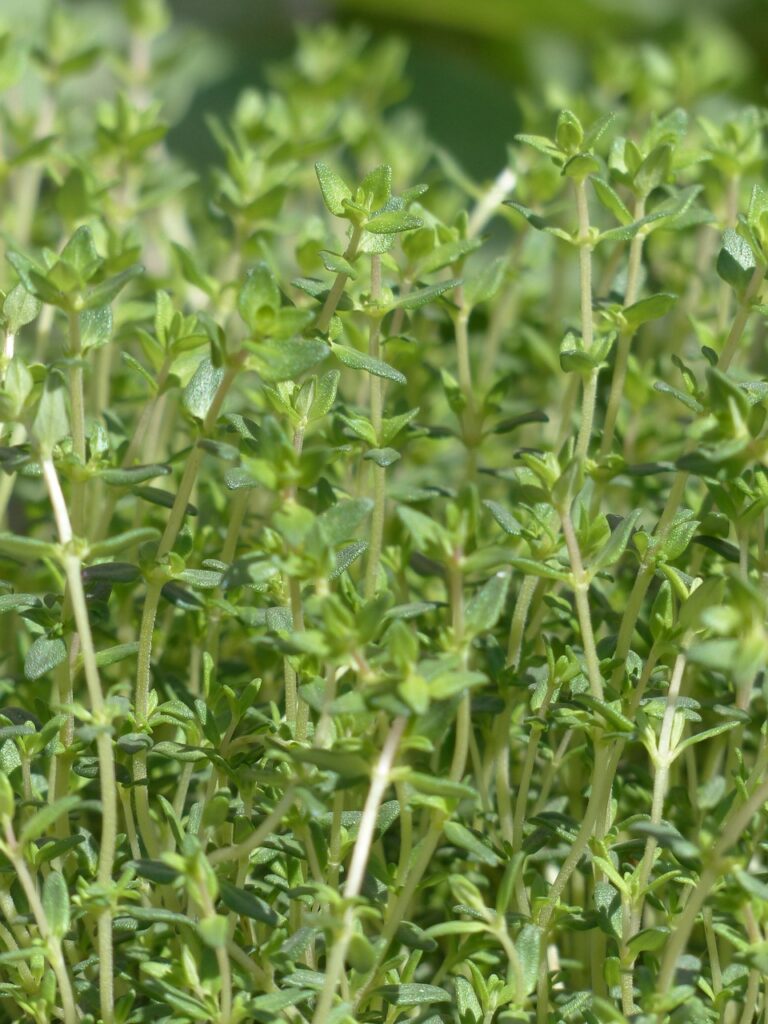
If herbs had personalities, thyme would be the friend who’s quietly brilliant—low-maintenance, always helpful, and surprisingly good in just about every situation. Whether you’re making soup, nursing a cold, or sprucing up your windowsill garden, thyme has a way of showing up exactly when you need it.

This month in our Intro to Herbs series, we’re giving this unassuming powerhouse its moment in the sun. Let’s talk about why thyme deserves a spot in your garden, your kitchen, and your holistic wellness cabinet.

🌿 A Little History + Herbal Snapshot

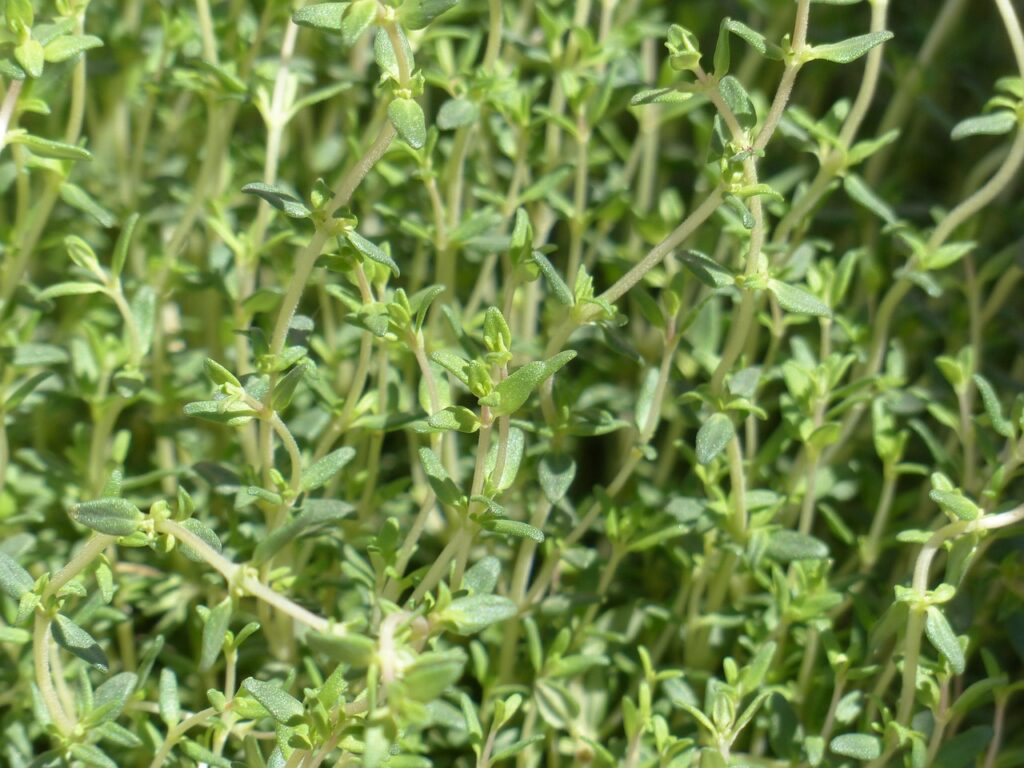
Thyme (Thymus vulgaris) is native to the Mediterranean and has been used for thousands of years—by Egyptians for embalming, Greeks in baths and temples, and medieval Europeans who tucked it under pillows to ward off nightmares. Today, we use thyme mostly for its strong antimicrobial, antifungal, and anti-inflammatory properties… and also because it tastes amazing.

Fun fact to tuck away: In ancient times, thyme was associated with courage. Roman soldiers bathed in it before battle!

🍲 Culinary Magic

Let’s be honest: thyme just makes food taste better. Its earthy, slightly minty flavor adds depth to soups, stews, roasted veggies, meats, and even baked goods.

Quick ideas:

  • Toss fresh thyme into olive oil and drizzle over roasted potatoes.
  • Steep it in broth to add flavor and immunity-boosting benefits.
  • Sprinkle dried thyme onto homemade focaccia (chef’s kiss).

🌿 Tip: Thyme is one of the few herbs that actually holds up well when dried, so don’t be afraid to preserve your summer harvest for year-round use.

🌼 Medicinal & Holistic Benefits

Thyme is more than just a culinary MVP—it’s also an herbal medicine cabinet all on its own.

1. Immune Booster

Thyme is packed with thymol, a compound that fights bacteria and viruses. It’s perfect during cold and flu season—or anytime your immune system needs a little love.

How to use it: Make a simple thyme tea by steeping 1 tsp of dried thyme in hot water for 10 minutes. Add honey and lemon if you’re feeling under the weather.

2. Respiratory Support

Thyme is a natural expectorant, which means it helps break up mucus and ease coughs.

Try this: Make a steam inhalation with thyme and eucalyptus for congestion. Add fresh or dried thyme to a bowl of hot water, cover your head with a towel, and breathe deeply.

3. Digestive Aid

Too much cheese plate? Thyme can help! It soothes indigestion, gas, and cramping.

Sip it: Thyme tea after meals can ease bloating and get things moving gently.

🌿 Simple DIYs with Thyme

✨ Thyme-Infused Honey

Perfect for sore throats or drizzling on toast.

How to make it: Fill a small jar with fresh thyme (washed and dried), cover with raw honey, and let it infuse for a week. Strain if you like, or keep the thyme in for a rustic touch.

✨ Herbal Bath for Muscle Relief

Tired body? Add a handful of fresh thyme and Epsom salts to your bath. The herb’s anti-inflammatory properties help relax sore muscles and calm your nervous system.

✨ Garden Fresh Cleaning Spray

Thanks to its antibacterial properties, thyme is a natural choice for DIY cleaners.

Simple recipe: Steep a bunch of fresh thyme in white vinegar for two weeks. Strain and pour into a spray bottle. Add a few drops of lemon essential oil for that clean, zesty vibe.

🌱 Growing Thyme at Home

Thyme loves the sun, doesn’t ask for much, and thrives in both pots and garden beds. It’s drought-tolerant, deer-resistant, and bee-friendly. Plus, it smells divine when you brush against it.

Plant care:

  • Loves full sun and well-draining soil.
  • Trim it often to encourage bushy growth.
  • Harvest just before it blooms for the most flavor.

🌿 Gardening fun fact: Thyme attracts pollinators like bees and butterflies, making it a beautiful and functional addition to your herb garden.

Final Thoughts

Thyme is a quiet overachiever. It’s a healer, a flavor-enhancer, and a symbol of resilience all in one tiny stem. Whether you’re sipping it in tea, cooking with it, or simply brushing your hands over a plant in the garden, thyme reminds us to pause, breathe, and enjoy the small, grounding things in life.

Which way are you most excited to use thyme this season? Let’s chat in the comments—your tea mug or herb scissors are waiting. 🌿

Until next time,

Filed in: Body, Garden, Holistic Health, Intro to Herb Series, Joyful Living • by Hummingbirds & Lavender •

Soothing & Simple: 7 Lovely Ways to Use Chamomile for Natural Wellness

June 11, 2025

7 Gentle Ways to Use Chamomile for Holistic Health

Chamomile has a way of sneaking into your life like a quiet little whisper—subtle, soothing, and just what you needed. You’ve probably had it as tea when you couldn’t sleep, but this humble herb has a lot more to offer when it comes to natural wellness.

At Hummingbirds & Lavender, we’re all about slow living and finding gentle, effective ways to support our health with what grows right outside (or in your kitchen cabinet). So today, let’s explore seven simple and intentional ways to use chamomile in your everyday holistic routine.

1. Soothe Stress with a Chamomile Tea Ritual

Yes, it’s classic—but that’s because it works. Chamomile tea isn’t just about the herb’s natural calming compounds (like apigenin); it’s also about the act of slowing down to sip something warm and grounding.

Try this: Brew 1–2 teaspoons of dried chamomile in hot water for 5–10 minutes. Add a bit of honey if you like. Sip slowly, ideally without multitasking. Just breathe and be.

🫖 Little ritual tip: Pair your evening tea with a few deep breaths and low lighting. It’s like hitting the reset button.

2. Ease Tummy Troubles with a Warm Cup

Chamomile’s anti-inflammatory and antispasmodic properties make it a go-to for digestive issues—think bloating, gas, cramping, or just that “off” feeling.

How to use it: After a heavy meal or during PMS, sip chamomile tea to help calm your digestive system. It’s especially good when blended with peppermint or ginger.

🌿 Tuck-away tip: Chamomile is kid-friendly and can be used (in moderation) to help little ones with tummy aches, too.

3. Create a Calming Chamomile Compress

Got irritated skin, tired eyes, or a tension headache? A warm or cool chamomile compress can work wonders.

Do this: Steep a strong chamomile infusion (think 3–4 teaspoons of dried flowers per cup of hot water), soak a clean cloth in it, and apply to the affected area. Warm for cramps or jaw tension, cool for puffiness or inflammation.

💛 Pro tip: Store cooled tea in the fridge to have on hand for quick-use compresses or a refreshing face splash.

4. Add Chamomile to a Sleepytime Bath

If you’re having trouble winding down, chamomile can help turn your bath into a mini spa moment.

Try this blend: Add ½ cup of dried chamomile flowers (or a few chamomile tea bags) to your bathwater, along with Epsom salts and a few drops of lavender essential oil. Steep yourself like a teabag and let the herbs do their thing.

🛁 Bonus: It’s lovely for calming sensitive skin, too.

5. Make a DIY Chamomile Face Steam

Face steams are an easy way to treat your skin and your nervous system at the same time. Chamomile is especially helpful for sensitive, dry, or irritated skin.

How to do it: Add a handful of dried chamomile to a bowl of hot water. Drape a towel over your head and hover your face over the steam (not too close!). Breathe deeply for 5–10 minutes.

🌼 Add-ins: A pinch of calendula or a few rose petals turns this into a whole mood.

6. Infuse Chamomile into Herbal Oil

Chamomile-infused oil is a skin-soothing staple that can be used in balms, lotions, or directly on dry, irritated areas.

Simple method: Fill a clean jar with dried chamomile and cover it with a carrier oil (like sweet almond or jojoba). Let it sit in a sunny windowsill for 2–4 weeks, shaking gently every day. Strain and store in a dark bottle.

🌿 Use it for: Massage oil, baby care, cuticle oil, or a nourishing base for homemade salves.

7. Try Chamomile Glycerite for Gentle Mood Support

If alcohol-based tinctures aren’t your thing, a chamomile glycerite is a sweet and soothing alternative. It’s like a tincture, but made with glycerin—great for kids or sensitive systems.

Use it for: Nervous tension, mild anxiety, or trouble sleeping. You can take a dropperful in a bit of water or directly under the tongue.

✨ Note: You can buy it pre-made at natural health stores or try making your own at home if you’re feeling crafty.

Final Thoughts

Chamomile reminds us that healing doesn’t have to be dramatic. It’s soft, slow, and effective in the most unassuming ways. Whether you’re steeping a cup of tea, soaking in a floral bath, or dabbing a little chamomile oil on your skin before bed, you’re choosing to care for yourself gently—and that’s powerful.

Let me know which remedy you’re excited to try! Or, if chamomile’s already a staple in your wellness toolkit, share your favorite way to use it in the comments.

Stay well, stay cozy 🌼


Filed in: Body, Garden, Holistic Health, Intro to Herb Series, Joyful Living • by Hummingbirds & Lavender •

Intro to Herbs: part 6- Chamomile

June 4, 2025

Chamomile – The Calm in Your Garden

Welcome back to Hummingbirds & Lavender! This month in our Intro to Herbs series, we’re getting to know chamomile—a small but mighty herb that’s probably already in your pantry (hello, sleepytime tea) and totally deserves a spot in your garden, too.

Chamomile is one of those herbs that does a little bit of everything. It looks charming, smells amazing, and works wonders in everything from teas to skincare. It’s kind of like that friend who always knows how to help you relax and also brings snacks. Let’s dig into what makes this gentle herb such a favorite.

Meet Chamomile: More Than Just a Pretty Flow

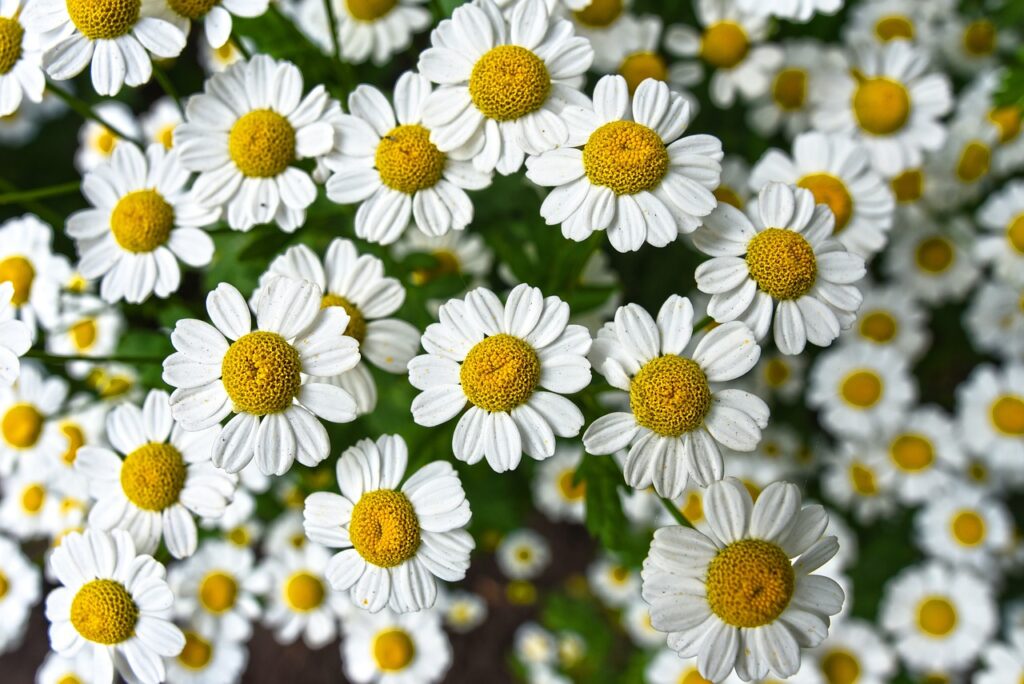
Chamomile is part of the daisy family (Asteraceae), and its tiny white blossoms with yellow centers look like mini suns—bright and cheerful. There are two main types you’ll run into:

  • German Chamomile (Matricaria chamomilla) – Tall, delicate, and super common in herbal teas.
  • Roman Chamomile (Chamaemelum nobile) – Shorter, more of a ground cover, and great in essential oils or as a natural lawn alternative.

Both smell sweet and apple-like, which makes sense: the word “chamomile” actually comes from Greek and means “ground apple.”

🧠 Fun fact to remember: If it smells like apples and looks like a daisy, it’s probably chamomile.

Why Chamomile Is a Natural MVP

Chamomile has been used for thousands of years (literally—ancient Egyptians were big fans), and it’s still one of the most popular herbs for good reason. Here’s what it’s known for:

  • Chill vibes only: Chamomile is famous for helping with stress, anxiety, and sleep. That’s thanks to a natural compound called apigenin that promotes calm and relaxation.
  • Gentle on digestion: Feeling bloated or crampy? Chamomile tea has anti-inflammatory properties that help soothe your digestive system.
  • Skin-soothing superstar: Chamomile can calm irritated skin, help heal small cuts or burns, and reduce redness. You’ll find it in tons of natural skincare products for a reason.

It’s safe for most people, but a quick heads-up—if you’re allergic to ragweed or daisies, you might want to patch test first before using chamomile topically.

🌼 Tuck-away tip: You can use chamomile in steams, baths, teas, or even in homemade balms for a full-body unwind moment.

Chamomile in the Kitchen

We all know chamomile tea. But there’s more you can do with this herb if you’re into experimenting a little in the kitchen. Its flavor is light, floral, and a little fruity—perfect for subtle, comforting recipes.

Here are a few simple ways to get creative:

  • Chamomile-infused honey – Steep dried chamomile in warm honey for a dreamy drizzle over toast, yogurt, or pancakes.
  • Floral baked goods – Add crushed dried chamomile to sugar cookies or shortbread for a soft floral note.
  • Chamomile milk latte – Steep flowers in warm milk with a dash of vanilla and cinnamon. It’s cozy in a cup.

🍪 Fun fact: Chamomile was once used in beer before hops took over. It added flavor and helped with digestion. Multitasking!

Growing Chamomile: Easy, Low-Maintenance, and Beautiful

Good news for beginner gardeners: chamomile is super easy to grow. Whether you’re planting it in a pot on your patio or mixing it into your garden beds, it doesn’t need much to thrive.

  • Sun: Loves full sun but can handle some afternoon shade.
  • Soil: Prefers well-drained soil, but isn’t too picky.
  • Water: Keep it lightly watered until it’s established, then it’s fairly drought-tolerant.
  • Harvesting: Snip the flowers when they’re fully open and dry them upside down or in a dehydrator.

German chamomile is an annual and can get tall and feathery, great for picking. Roman chamomile is a perennial and stays low to the ground, perfect for walkways or garden borders.

🌿 Pro gardening tip: Chamomile is a great companion plant—it attracts pollinators and can help repel unwanted bugs from your veggies.

Everyday Ways to Use Chamomile

If you’re growing chamomile or buying it dried, here are a few easy ways to work it into your daily routine:

  • Brew a calming tea before bed
  • Toss dried flowers into your bath with some Epsom salts
  • Infuse oil for DIY body butter or balm
  • Add it to a steam facial for tired skin
  • Make your own calming pillow spray (chamomile + lavender = dream team)

Chamomile Quick Facts to Impress Your Friends

  • It’s related to daisies and smells like apples.
  • The tea helps with sleep, digestion, and stress.
  • Bees love it—plant it near your veggies for better pollination.
  • It self-seeds, so once you plant it, it may keep coming back year after year.
  • It’s been used in folk medicine for thousands of years, and science is catching up.

Chamomile might not be the flashiest herb in the garden, but it’s one of the most useful. It’s gentle, grounding, and always there when you need a little extra calm. Whether you’re sipping tea, growing a patch in the garden, or just enjoying the scent, chamomile brings a sense of peace that’s hard to beat.

If you’re already using chamomile—or inspired to start—let me know in the comments. I’d love to hear how you’re working this lovely little herb into your slow-living lifestyle.

Until next time, keep things cozy and green 🌿

Filed in: Body, Garden, Holistic Health, Intro to Herb Series • by Hummingbirds & Lavender •

Berry Basics: The Sweet Benefits of Fresh Berries

May 28, 2025

A Simple Way to Nourish Your Body

Berries are like little bursts of sunshine—vibrant, juicy, and packed with goodness. Whether you’re savoring a handful of blueberries, indulging in the sweet tang of raspberries, or enjoying the classic charm of strawberries, these tiny fruits bring big benefits to your overall wellness. Let’s explore why incorporating more fresh berries into your routine is one of the simplest (and tastiest) ways to care for your body and mind.

Tiny but Mighty: A Nutrient Powerhouse

Berries are loaded with essential vitamins and minerals that support overall health. They’re rich in vitamin C (hello, glowing skin and strong immunity!), vitamin K (great for bone health), and fiber (your gut will thank you).

But the real magic? Their high antioxidant content. Berries are full of anthocyanins and flavonoids—compounds that help fight inflammation, reduce oxidative stress, and protect against chronic disease. Basically, they’re nature’s way of giving your body a little extra love.

A Heart-Healthy Treat

If you’re looking for an easy way to show your heart some love, berries are a perfect choice. They help lower blood pressure, reduce bad cholesterol (LDL), and keep blood vessels happy and healthy. Over time, this can lower the risk of heart disease and keep your cardiovascular system in top shape.

Blueberries, strawberries, and blackberries are particularly heart-friendly—so go ahead, toss them on your morning oatmeal or blend them into a smoothie for a daily boost.

Brain Food That Keeps You Sharp

Want to support your brain and keep your memory strong? Berries have your back. They’re packed with compounds that enhance brain function, improve communication between brain cells, and may even slow cognitive decline as we age.

Studies show that eating berries regularly can improve focus, memory, and overall brain health. So the next time you need a mental boost, grab a handful of blueberries instead of another cup of coffee—you might be surprised at how good you feel.

Your Skin’s Best Friend

Fresh, radiant skin starts from the inside out, and berries are a total skincare superfood. Their high vitamin C content supports collagen production, keeping your skin plump, hydrated, and youthful. Antioxidants also help protect against environmental stressors like pollution and UV rays, giving your skin that natural, healthy glow.

If you’ve been looking for an easy way to nourish your skin, adding more berries to your diet might just be the game-changer you need.

A Happy Gut = A Happy You

Gut health is a major player in overall well-being, and berries are a fantastic source of fiber to keep digestion running smoothly. They also contain prebiotics, which feed the good bacteria in your gut and promote a balanced microbiome.

Struggling with bloating or sluggish digestion? Adding more fiber-rich berries—like raspberries and blackberries—can help keep things moving and support a happy, healthy gut.

Keeps Blood Sugar in Check

Unlike processed sweets, fresh berries are naturally low in sugar and high in fiber, which means they don’t cause blood sugar spikes. The fiber helps slow down sugar absorption, making them a great option for those managing blood sugar levels or looking for balanced energy throughout the day.

Blueberries, in particular, have been studied for their ability to improve insulin sensitivity and support metabolic health—so they’re an excellent choice for a naturally sweet and satisfying snack.

A Versatile and Delicious Superfood

One of the best things about berries? They’re incredibly easy to enjoy! Eat them fresh, blend them into smoothies, toss them into salads, or sprinkle them over yogurt and granola. They also make a great natural sweetener for desserts, giving you all the flavor without the added sugar.

No matter how you enjoy them, adding more berries to your meals is a simple, delicious way to nourish your body and mind.

Final Thoughts

Fresh berries are proof that some of the best things in life are simple. They’re nutrient-packed, full of flavor, and offer endless health benefits—from supporting heart health and brain function to improving digestion and giving your skin that healthy glow.

So the next time you’re at the grocery store or farmers’ market, grab a pint (or two) of your favorite berries and enjoy every juicy, nutritious bite. Your body—and your taste buds—will thank you. 🍓🫐✨

Filed in: Body, Healthy Recipes, Holistic Health, Joyful Living • by Hummingbirds & Lavender •

DIY Dandelion oil + 7 ways to use it

April 23, 2025

Nature’s Golden Elixir for Skin & Wellness

Often dismissed as just a stubborn weed, the humble dandelion is actually a powerhouse in herbal remedies, treasured for its soothing and nourishing properties. One of the simplest yet most effective ways to harness its benefits is by making dandelion oil—an infused oil crafted from sun-kissed dandelion flowers. This golden-hued elixir has long been cherished in herbalism and natural skincare for its ability to ease sore muscles, deeply moisturize dry skin, and promote overall well-being. Whether you’re looking to create a luxurious body oil, a healing salve, or a gentle massage blend, dandelion oil is a must-have for any natural wellness enthusiast

How to Make Dandelion Oil at Home

To make your own DIY dandelion oil, start by gathering fresh dandelion flowers from a clean, pesticide-free area. Spread them out on a towel and let them air dry for 12–24 hours to remove excess moisture, which helps prevent mold during infusion. Once dried, loosely pack the flowers into a clean, dry glass jar, filling it about halfway. Pour your choice of carrier oil—such as olive oil for its deep nourishment or sunflower oil for its light, fast-absorbing quality—over the flowers until they are fully submerged. Seal the jar and place it in a warm, sunny spot for 2–4 weeks, shaking it gently every few days to encourage infusion. When ready, strain out the flowers using a fine-mesh strainer or cheesecloth, transferring the golden oil into a clean bottle. Label your jar with the date and ingredients, and store your dandelion oil in a cool, dark place to preserve its potency. Now, it’s ready to be used in your favorite skincare rituals or soothing DIY creations!

7 Ways to Use Dandelion Oil

Soothing Massage Oil

Dandelion oil’s anti-inflammatory properties make it perfect for a gentle, relaxing massage. It helps ease tension, sore muscles, and joint discomfort while deeply nourishing the skin.

Luxurious Body Moisturizer

Rich in antioxidants and skin-loving nutrients, dandelion oil can be applied directly to dry or irritated skin to promote hydration and softness. It’s especially great for rough patches on elbows, knees, and heels.

Healing Salve for Skin Irritations

Combine dandelion oil with beeswax to create a soothing salve for minor cuts, scrapes, rashes, and bug bites. Its natural healing properties help calm inflammation and speed up skin recovery.

Nourishing Hair & Scalp Treatment

Massage dandelion oil into the scalp to combat dryness and itchiness while strengthening hair follicles. It adds a healthy shine and helps soothe dandruff or scalp irritation.

Gentle Facial Oil

With its lightweight, soothing qualities, dandelion oil works as a natural facial oil, reducing redness and irritation while providing a healthy glow. Best suited for dry or sensitive skin types.

Relaxing Bath Oil

Add a few drops of dandelion oil to your bath for a deeply calming and skin-softening experience. It helps melt away stress and tension while nourishing your skin.

DIY Herbal Lip Balm

Blend dandelion oil with beeswax and a touch of honey for a hydrating and protective lip balm. It helps keep lips soft, smooth, and free from dryness, especially in colder months.

Incorporating DIY dandelion oil into your wellness routine is a simple yet powerful way to embrace the healing properties of nature. From soothing sore muscles to nurturing your skin and hair, this golden elixir offers a variety of benefits that support a holistic, natural approach to self-care.

By taking the time to make your own dandelion oil, you connect with the earth’s gifts and create a product that’s tailored to your personal needs. Whether used in massages, moisturizers, or calming bath rituals, dandelion oil is a beautiful addition to your wellness arsenal—bringing balance, nourishment, and a touch of nature’s magic to your everyday life.

So why not give it a try? Gather your ingredients, embrace the DIY spirit, and enjoy the soothing benefits of dandelion oil in your own home!

Filed in: Body, Clean Beauty, Holistic Health, Joyful Living • by Hummingbirds & Lavender •

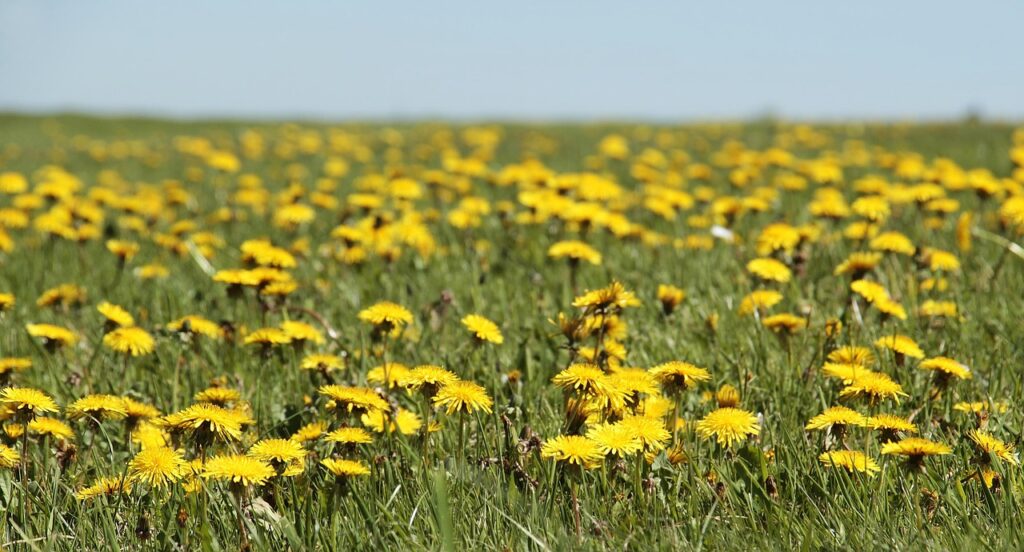
Intro to Herbs – Chapter 4 – Dandelion

April 16, 2025

A Hidden Gem in Holistic Health

Throughout history, dandelion root has been a quiet yet powerful ally in holistic wellness, embraced by cultures worldwide for its detoxifying and rejuvenating properties. From ancient Chinese and Ayurvedic traditions to medieval European herbalists and Indigenous healers, this humble root has been used to support liver health, digestion, and radiant skin.

Today, it seamlessly fits into the modern woman’s lifestyle—whether as a nourishing tea, a skincare infusion, or a wellness supplement. In a world that demands balance and vitality, dandelion root remains a timeless natural remedy, helping us thrive with clarity, resilience, and inner glow.

Nutritional and Medicinal Benefits of Dandelion

Dandelions have been used for generations as a natural liver support aide. They are known to assist the body in the natural detox process by stimulating bile production and regulating liver enzymes, reducing inflammation, and eliminating excess fluids.

The healing powers of dandelion can be linked to its high concentrations of compounds called taraxasterols. I can hear ya, “Ashley, what in the world is a taraxasterol?” I’m glad you asked. A taraxaterol is a naturally occurring compound primarily found in the Taraxacum officinale (dandelion) plant, and other plants within the Taraxacum genus. Some modern studies show the potential benefits of taraxaterols as a natural suppressant of inflammation.

Got digestive issues? Try dandelion root tincture.

A simple way to make a tincture is to harvest and wash dandelion roots thoroughly, chop them into small pieces, add them to a clean, glass jar with a lid, then finally cover them with 80-90 proof alcohol (I suggest vodka, but you can use everclear or gin). If you are looking for a more complex detox, try pairing it with other cleansing herbs like Burdock.

Energizing and Revitalizing

Unlike caffeine, dandelion flowers offer a subtle energy boosts by increasing circulation and supporting nervous system balancing. The bright yellow flowers which are associated with solar energy and vitality, contain high levels of polyphenols and flavonoids that fight oxidative stress, supporting overall wellness.

While not a true adaptogen, dandelion root supports resilience against fatigue by balancing internal systems, particularly the liver and gut. The roots of the dandelion plant, known as a great option for a gut prebiotic, contains inulin, a type of fiber that feeds beneficial gut bacteria, supporting digestion and long-term energy production.

If you’re looking for a quick and easy way to incorporate this plant into your daily routine, I recommend tossing a few dandelion leaves into a fresh salad. They have a bitter, peppery taste similar to arugula or hickory, which makes it a perfect addition to a mixed green salad. The younger the leaves, the milder the flavor. The older leaves are a bit more robust, but equally as nutrient-rich, and can be sauteed with garlic or olive oil or added to smoothies or pestos.

Nourishment for Healthy Skin

Dandelion is a natural powerhouse for skin purification, detoxification, and rejuvenation. By supporting liver function and stimulating lymphatic drainage, dandelion root helps flush out toxins that can lead to acne, inflammation, and dullness, promoting a clearer, more radiant complexion. Its rich antioxidant content—including vitamin C, beta-carotene, and polyphenols—fights oxidative stress, reduces fine lines, and protects against premature aging. Dandelion also supports collagen production with vitamin A and zinc while helping the skin retain moisture for a plump, hydrated glow. Whether enjoyed as a tea, infused into skincare oils, or incorporated into meals, this humble wildflower gently nourishes the skin from the inside out. 🌿✨

Embracing Dandelion for Holistic Health and Skincare

Dandelion root is a true gift from nature, offering gentle yet powerful support for detoxification, skin health, and overall well-being. Its ability to cleanse the liver, flush out toxins, and reduce inflammation makes it an essential ally for radiant skin, balanced digestion, and renewed energy.

Whether enjoyed as a nourishing tea, infused into a skincare ritual, or taken as an herbal tincture, dandelion is a simple yet transformative addition to any natural wellness routine. If you’re ready to explore the benefits of this time-honored herb, start with a homemade tincture, a soothing tea, or a DIY skincare recipe—you might just find your new favorite ritual.

For more holistic wellness inspiration, herbal remedies, and natural skincare tips, subscribe now and join a community of modern women embracing the beauty of slow, intentional living. 🌿✨

Filed in: Body, Garden, Holistic Health, Intro to Herb Series, Joyful Living • by Hummingbirds & Lavender •

Botanical Art Therapy: 5 Ways to Begin Your Own Creative Journey

April 9, 2025

A Gentle Invitation to Create with Nature

There’s something undeniably soothing about immersing yourself in nature. The quiet rustle of leaves, the soft fragrance of flowers, the grounding presence of trees—it all has a way of settling the soul. Now, imagine weaving that same tranquility into your creative process. That’s the essence of botanical art therapy: a heartfelt fusion of nature’s calming energy and the healing magic of artistic expression. As more people turn to creative practices for emotional well-being, botanical art therapy is emerging as a beautiful, accessible way to nurture both the heart and mind.

What is Botanical Art Therapy?

At its core, botanical art therapy is about creating art inspired by plants, flowers, and the organic patterns of the natural world. There’s no pressure to be perfect, no rigid techniques to master—just an open space where you can explore, play, and let nature guide your hand. Nature has long been celebrated for its ability to ease stress and uplift the spirit, while art therapy allows for deep emotional expression and self-discovery. When these two come together, they offer a gentle path to mindfulness, healing, and self-connection.

Bringing elements of the natural world into your creative practice invites a sense of presence. Whether you’re sketching the delicate veins of a leaf or arranging petals into a mandala, you’re allowing yourself to slow down, breathe deeply, and be fully in the moment. It’s a practice that not only soothes the nervous system but also nurtures a profound sense of connection—to the earth, to creativity, and to yourself.

The Gentle Gifts of Botanical Art Therapy

There’s something deeply comforting about translating the beauty of nature into art. Through this practice, we give ourselves permission to explore emotions that might otherwise feel too heavy to carry alone. A simple sketch of a flower can hold unspoken emotions; a watercolor wash can express what words sometimes cannot.

Beyond emotional release, botanical art therapy has a way of quieting the noise of everyday life. The act of creating with nature-inspired elements invites a sense of calm, easing tension and bringing clarity to the mind. It’s a practice of presence, a way to anchor yourself when the world feels a bit too fast-paced. And perhaps most beautifully, it deepens our relationship with the natural world, reminding us that we, too, are part of its ever-changing, imperfect beauty.

Bringing Botanical Art Therapy into Your Life

Creating a space for botanical art therapy in your daily life doesn’t have to be complicated. Start by setting up a cozy, inspiring corner with a few natural elements—maybe a potted plant, a bundle of dried lavender, or even a favorite nature-inspired print. Gather simple materials like a sketchbook, watercolors, or even pressed flowers, and let your creativity unfold in its own time.

Most importantly, release any expectations of perfection. This isn’t about creating “frame-worthy” art—it’s about the process, the feeling, the quiet moments of self-care. Try beginning with a soft, meditative breath before picking up your pencil or brush, allowing yourself to sink fully into the experience. Maybe you start with a simple leaf sketch, or perhaps you let colors flow freely in a watercolor wash, capturing the essence of a flower without worrying about exact lines. The beauty of this practice is that it welcomes all levels of experience—it’s about feeling, not performing.

Ideas to Get You Started

If you’re wondering where to begin, try starting small. Maybe you take a slow nature walk and gather inspiration from the colors and textures around you. A simple sketch of a favorite plant, the delicate arrangement of petals into a mandala, or the preservation of a pressed flower in a journal—each of these small acts can become a sacred ritual of self-expression. Some days, your art may be detailed and intricate; other days, it may be nothing more than a splash of color that mirrors your emotions. And that’s more than enough.

5 Ways to Start Your Own Personal Botanical Art Therapy Journey:

  1. Botanical Drawing or Sketching: Observe plants and sketch them, focusing on their shapes, colors, and patterns. Use this as a mindfulness practice to immerse yourself in the present moment.
  2. Creating Nature Mandalas: Gather natural elements like leaves and twigs to create a mandala, symbolizing balance and unity. Enjoy the soothing, repetitive act of arranging nature’s materials.
  3. Pressed Flower Art: Collect flowers and herbs, press them, and create framed art or greeting cards. This process connects you with nature’s cycles and preserves its fleeting beauty.
  4. Watercolor Botanical Painting: Explore watercolor painting to capture the beauty of plants and landscapes. Let the fluid medium reflect your emotions and the natural flow of your feelings.
  5. Mindful Nature Journaling: Combine botanical sketches with written reflections on your outdoor experiences and the emotions nature evokes. This practice blends creative expression with introspection.

Embracing Botanical Art Therapy as a Ritual

Like anything worth nurturing, botanical art therapy thrives when given time and space in your routine. Whether it’s a weekly art session, a few mindful doodles in your planner, or even a moment of quiet observation in your garden, it’s all part of the practice. The key is to let it feel natural and nourishing—something you turn to, not out of obligation, but out of a desire to slow down, reconnect, and create from a place of ease.

At its heart, this practice is about embracing imperfection and celebrating the beauty in the small, fleeting moments.

So, if you’re feeling called to explore, pick up that sketchbook, gather a few leaves, and let nature and creativity guide you.

And remember—there’s no right or wrong way to begin. Just start, and let yourself bloom. 🌿

Filed in: Body, Holistic Health, Mind, Spirit • by Hummingbirds & Lavender •

  • 1
  • 2
  • 3
  • Next Page »
Hey, yall! I'm Ashley, creator of Hummingbirds & Lavender, and I just wanted to say welcome and thanks for stopping by. This is just a place for me to document my story of raising my family, being a botanical entrepreneur, and living the best life I can possibly create. Thanks for being a part of the journey with me.

Follow Along on social media

  • Instagram
  • Pinterest

Search The Blog

Categories

  • About me
  • Astrology
  • Body
  • botanical dye
  • Clean Beauty
  • Garden
  • Healthy Recipes
  • Holistic Health
  • Home Decor & DIY
  • Intro to Herb Series
  • Joyful Living
  • Mind
  • Spirit
  • Sustainable Fashion
  • Uncategorized

Popular Posts

Ancestral Herbalism

Healing Your Gut Naturally

Copyright © 2026 · Theme by Blog Pixie