Bringing Nature’s Colors into Your Life
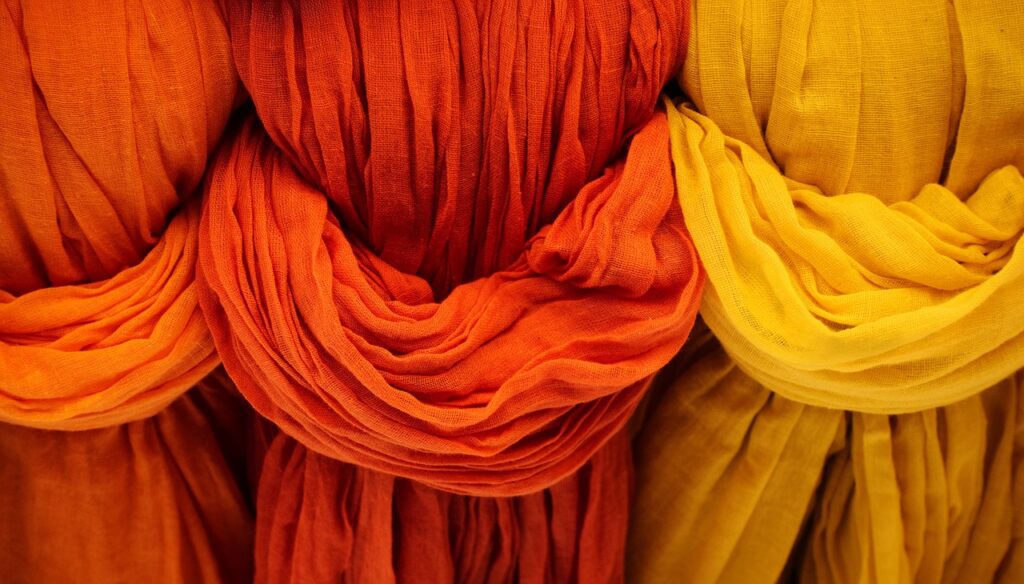
If you’ve ever wandered through a garden, admiring the colors of flowers and plants, you’ve probably noticed that nature is full of vibrant, earthy tones. What if you could capture some of that beauty and bring it into your home through fabric and textiles? Well, the world of natural dyeing opens the door to a more sustainable and creative way of adding color to your life—all while using plant-based materials!
Botanical dyeing, or natural dyeing, is the art of coloring fabric using plant materials, including flowers, leaves, roots, and even food scraps. It’s an ancient practice that has been used across cultures for thousands of years, but it’s making a modern comeback as people look for more eco-friendly alternatives to synthetic dyes.
In this post, we’ll introduce you to the basics of botanical dyeing, from choosing natural fibers to creating your own beautiful dyes using things you might already have in your kitchen or garden.
🌿 The Basics of Botanical Dyeing
Before we dive into the how-tos, let’s talk about what you’ll need to get started. Botanical dyeing works best with natural fibers, which are more receptive to plant-based dyes than synthetic materials. Here’s what you should know:
- Natural Fibers:
For the best results, use fibers like cotton, linen, wool, or silk. These materials are ideal because they contain proteins or cellulose that allow the dye to bond and set. Synthetic fibers, like polyester or nylon, don’t take on natural dyes as easily and often require harsh chemicals to set the color. - Dyeing Mordants:
A mordant is a substance that helps the dye adhere to the fabric. While some plant dyes will work without mordants, using one can help your colors stay vibrant and last longer. Common mordants include alum, vinegar, or even iron. Be sure to follow instructions on how to prepare the mordant for your particular dyeing project.
🌸 What Can You Dye With?
One of the most magical parts of botanical dyeing is that so many everyday plants and food scraps can be used to create stunning colors. If you love the idea of upcycling, this is the perfect way to breathe new life into your kitchen scraps and garden clippings! Here are some common natural sources of dye:
- Flowers:
Flowers can produce a wide range of colors, from soft pastels to deep hues. For example, marigolds create a beautiful yellow-orange shade, while lavender offers a delicate purple hue. Hibiscus flowers can give you a rich, reddish-pink, and chamomile will yield a soft yellow. - Roots and Barks:
The root systems of many plants contain vibrant pigments that can be used to dye fabric. Beetroot gives a lovely pink or red color, and turmeric (yes, the kitchen spice) can create a rich, golden yellow. Madder root produces a gorgeous red, and oak bark can be used to create earthy browns. - Leaves:
While leaves are often thought of as green, they can produce a range of colors when used in natural dyeing. Spinach can offer a soft green, while indigo leaves are used to create blue shades (the same leaves that are used to make indigo dye). Black walnut leaves and avocado pits can also give beautiful natural browns and pinks, respectively. - Food Scraps:
If you love reducing waste, food scraps can be a great source of natural dye. Onion skins—whether yellow or red—can yield rich orange and gold tones. Avocado pits can produce a warm pinkish color. And don’t toss your leftover coffee grounds—coffee can give a deep, earthy brown. - Fruits and Vegetables:
Many fruits and vegetables, when boiled, can produce fantastic dyeing materials. Blueberries create rich purples, blackberries offer blues and purples, while pomegranate skins give a lovely yellowish-gold. Carrot tops make for a unique greenish hue as well.
🍃 How to Dye with Botanicals: A Simple Guide
Ready to start your own botanical dyeing project? Here’s a simple, beginner-friendly guide to get you started:
1. Choose Your Fabric:
Begin by selecting your fabric. Natural fibers like cotton, linen, silk, or wool work best. Cut your fabric into manageable pieces, such as small swatches or old t-shirts, to experiment on.
2. Prepare the Fabric:
Pre-wash your fabric to remove any dirt, oils, or sizing that might prevent the dye from adhering properly. Some people also recommend soaking the fabric in a mordant before dyeing to ensure the colors set. The most common mordant is alum, but other options include vinegar or iron.
3. Prepare the Dye:
For each dyeing material, you’ll need to create a dye bath. Here’s how:
- Chop your plant material into small pieces.
- Fill a large pot with water (enough to submerge your fabric), and add your plant material.
- Simmer the plant material for about 30-60 minutes. The longer you simmer, the deeper the color.
- Strain out the plant material, leaving only the colored water.
Now you have your dye! Feel free to experiment with the dye strength—if you want a lighter color, simply dilute the dye with more water.
4. Dye the Fabric:
Submerge your fabric into the dye bath, making sure it’s fully saturated. Leave it to soak for 30 minutes or more. The longer it soaks, the more intense the color will be. After the fabric has reached the desired hue, rinse it in cool water until the water runs clear.
5. Dry Your Fabric:
Once the fabric has been dyed and rinsed, hang it to dry in a well-ventilated area. The color may lighten a bit as it dries, so keep that in mind when you’re choosing how long to let it sit in the dye bath.
🌿 Why Botanical Dyeing?
In a world full of synthetic fabrics and chemical-based dyes, botanical dyeing offers a sustainable and creative alternative. It’s a beautiful way to connect with nature, reduce waste, and explore your creativity—all while using resources that are often just a step away in your garden or kitchen.
By embracing botanical dyeing, you can create one-of-a-kind, eco-friendly fabrics that reflect your unique style, while supporting a healthier planet. So, grab your garden shears or your kitchen scraps, and let’s start experimenting with the colorful world of botanicals!
With love and natural color,