• Holistic Health
    • Mind
    • Body
      • movement
    • Spirit
      • Astrology
  • Joyful Living
    • Home Decor & DIY
    • Sustainable Fashion
    • Clean Beauty
    • Garden
      • Intro to Herbs Series
  • About me
    • Who is Hummingbirds and Lavender?
  • Follow

    • Etsy
    • Instagram
    • Pinterest
    • YouTube

Hummingbirds and Lavender

Holistic, Sustainable, Intentional

Holistic Beauty and Self-Care: April Tips

April 21, 2024

Welcome to Hummingbirds & Lavender, where we embark on a holistic journey toward radiant well-being together. If you’re seeking ways to nurture your body, mind, and spirit, you’re in the right place.
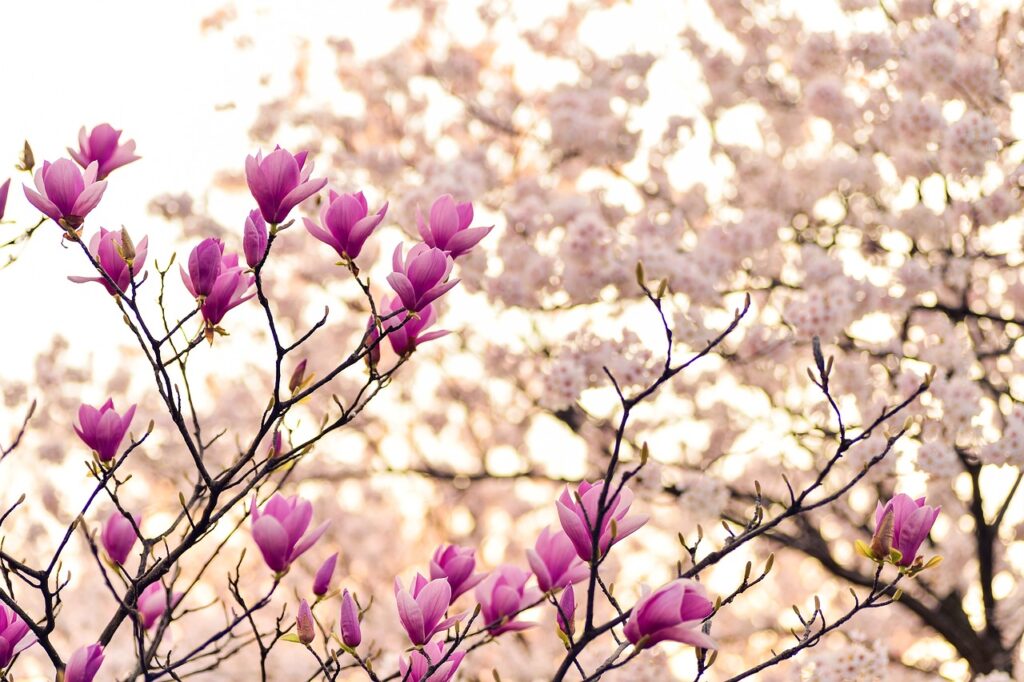
Tulip magnolia tree  blooming with pink flowers.

As we embrace the blossoming of spring, let’s delve into April’s holistic beauty and self-care tips to cultivate inner and outer radiance.

Ways to practice holistic beauty and self-care this Spring.

Here where I live, the winters aren’t so bad compared to some places in the united states. Our winters are pretty mild, but for those of y’all who are in different climates, you might not be as lucky. (kidding…kind of)

I wanted to share a few tips to get us back to feeling our best. So here are a few suggestions to hopefully inspire your next Spring revamp.

Harness the Power of Nature

April showers bring May flowers, and they also bring an abundance of natural ingredients to revitalize your beauty routine. Explore the wonders of botanical extracts like rosehip oil, chamomile, and lavender. These natural treasures offer gentle nourishment for your skin, leaving it soft, supple, and glowing with vitality.

Mindful Skincare Rituals

Treat your skincare routine as a sacred ritual, honoring yourself with each application. Start by cleansing away the day’s impurities with a gentle, sulfate-free cleanser. Follow up with a hydrating toner to balance your skin’s pH and prepare it for nourishment. Then, indulge in a luxurious facial massage using a nutrient-rich serum or facial oil to promote circulation and radiance.

Nourish From Within

Remember, true beauty radiates from the inside out. Fuel your body with nutrient-dense foods that support healthy skin, such as leafy greens, antioxidant-rich berries, and omega-3 fatty acids found in fish or flaxseeds. Hydrate your body with plenty of water and herbal teas to maintain a youthful, dewy complexion.

Holistic Hair Care

Show your locks some love with a holistic approach to hair care. Opt for sulfate-free shampoos and conditioners infused with botanical extracts to nourish and strengthen your hair from root to tip. Treat yourself to a weekly hair mask using natural ingredients like coconut oil, honey, or avocado for luscious, vibrant strands.

Sensory Self-Care

Engage your senses in a blissful self-care experience. Set the mood with calming essential oils like lavender or eucalyptus in a diffuser to create a tranquil atmosphere. Treat yourself to a soothing bath infused with mineral-rich Epsom salts and aromatic bath oils to melt away tension and promote relaxation.

Embrace Minimalism

Simplify your beauty routine and embrace the beauty of minimalism. Focus on quality over quantity, choosing products with clean, non-toxic ingredients that align with your values and support your skin’s natural balance. Streamline your routine to include only the essentials, allowing you to savor each moment of self-care without feeling overwhelmed.

Connect with Nature

Take advantage of the beauty of springtime by spending time outdoors. Bask in the warmth of the sun’s rays, feel the earth beneath your feet, and breathe in the fresh, rejuvenating air. Nature has a profound ability to uplift your spirits and replenish your energy, providing the perfect backdrop for holistic rejuvenation.

Practice Gratitude

Cultivate an attitude of gratitude as you embrace your holistic beauty and self-care journey. Take a moment each day to reflect on the blessings in your life, expressing appreciation for the beauty that surrounds you and the abundance that nourishes you from within
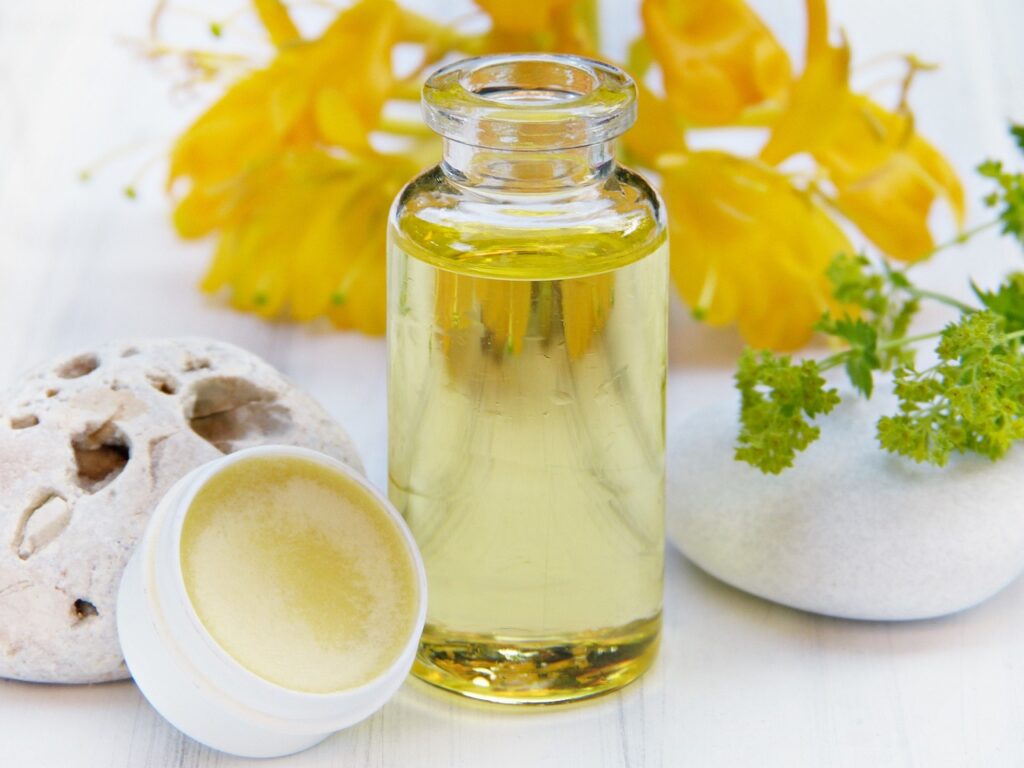
Small jar of beeswax lip balm and apothecary bottle of herbal infused body oil surrounded by fresh flower and herbs.

Sprout Your Curiosity: FAQs on Holistic Spring Beauty & Self-Care!

  1. How can I incorporate spring botanicals into my skincare routine for a holistic approach to beauty?
  • Answer: Embrace the rejuvenating power of spring flowers like lavender, rose, and calendula by incorporating them into homemade skincare potions and floral-infused baths. These botanicals offer nourishment for both the skin and the spirit, promoting holistic well-being.
  1. What are some eco-friendly alternatives for spring cleaning that align with holistic living principles?
  • Answer: Explore eco-conscious cleaning options infused with botanical-based cleaners and essential oils. These natural alternatives not only cleanse your home effectively but also honor the planet, reducing your ecological footprint and promoting a harmonious connection with the environment.
  1. How can I engage in mindful self-care practices during the spring season to align with holistic living?
  • Answer: Immerse yourself in outdoor wellness rituals that celebrate the beauty of spring, such as practicing yoga amidst blooming flowers, meditating beneath budding trees, or embarking on mindful nature walks. These activities allow you to connect with the natural world, rejuvenate your senses, and foster holistic well-being.

As we navigate the joys of April and the renewal it brings, remember to prioritize self-care and embrace the holistic beauty that lies within and all around you. Together, let’s nurture our minds, bodies, and spirits as we blossom into our most radiant selves.

Stay connected with Hummingbirds & Lavender for more holistic inspiration, and join our community of like-minded souls dedicated to personal growth and well-being. Until next time, radiate love, light, and inner beauty.


Filed in: Body, Clean Beauty, Garden, Holistic Health, Joyful Living β€’ by Hummingbirds & Lavender β€’

The Fundamentals of Holistic Nutrition: Nourishing Your Body, Mind, and Spirit

April 9, 2024

Welcome, pollinators, to today’s adventure of Hummingbirds & Lavender, where we are embarking on a journey to nurture not just our physical bodies, but also our minds and spirits.

Today, let’s dive deep into the heart of holistic nutrition and uncover why it’s the key to unlocking vibrant health and profound well-being in every aspect of our lives.

Fundamentals of holistic nutrition

At its core, holistic nutrition is more than just a way of eatingβ€”it’s a philosophy that recognizes the interconnectedness of our body, mind, and spirit. It’s about nourishing ourselves from the inside out, understanding that what we put into our bodies has a profound impact on every aspect of our being.

When we talk about holistic nutrition, we’re not just talking about counting calories or following the latest fad diet. Instead, we’re talking about nourishing ourselves with whole, nutrient-dense foods that support our overall health and vitality. It’s about embracing the wisdom of nature and choosing foods that are as close to their natural state as possibleβ€”fresh fruits and vegetables, whole grains, lean proteins, and healthy fats.

But holistic nutrition goes beyond just the physical aspects of food. It also recognizes the importance of our mental and emotional well-being in relation to what we eat. We’ve all experienced the mood-boosting effects of our favorite comfort foods or the mental fog that comes after indulging in a heavy, processed meal. This is because what we eat directly impacts our brain chemistry, affecting our mood, cognition, and overall mental clarity.

So why is holistic nutrition so important for our body, mind, and spirit?

For our bodies, it’s about fueling ourselves with the nutrients we need to thriveβ€”supporting our immune system, boosting our energy levels, and promoting optimal organ function. When we nourish our bodies with whole, nutrient-dense foods, we lay the foundation for vibrant health and longevity.

For our minds, it’s about supporting mental clarity, emotional balance, and stress resilience. By choosing foods that nourish our brains and support healthy neurotransmitter function, we can enhance our cognitive function, improve our mood, and reduce our risk of mental health disorders.

And for our spirits, it’s about cultivating a deeper sense of connectionβ€”to ourselves, to others, and to the world around us. When we approach food with mindfulness and intention, we open ourselves up to the transformative power of nourishment, allowing food to become not just a source of sustenance, but a source of healing and spiritual growth.

10 foods that align with principles of holistic nutrition

1. Leafy Greens

Spinach, kale, Swiss chard, and collard greens are rich in vitamins, minerals, antioxidants, and fiber. They support digestion, detoxification, and provide essential nutrients for overall health.

2. Berries

Blueberries, strawberries, raspberries, and blackberries are packed with antioxidants, vitamins, and fiber. They promote cardiovascular health, brain function, and may help reduce inflammation.

3. Nuts and Seeds

Almonds, walnuts, chia seeds, flaxseeds, and pumpkin seeds are excellent sources of healthy fats, protein, fiber, vitamins, and minerals. They support heart health, brain function, and provide sustained energy.

4. Whole Grains

Quinoa, brown rice, oats, and barley are nutrient-dense whole grains that provide complex carbohydrates, fiber, vitamins, and minerals. They support energy production, digestive health, and satiety.

5. Legumes

Beans, lentils, and chickpeas are rich in protein, fiber, vitamins, and minerals. They support muscle growth and repair, stabilize blood sugar levels, and promote heart health.

6. Fatty Fish

Salmon, mackerel, sardines, and trout are excellent sources of omega-3 fatty acids, protein, and essential nutrients. They support heart health, brain function, and reduce inflammation.

7. Avocado

Avocado is a nutrient-dense fruit rich in healthy fats, fiber, vitamins, and minerals. It supports heart health, brain function, and promotes satiety.

8. Turmeric

Turmeric contains curcumin, a powerful anti-inflammatory compound with antioxidant properties. It supports joint health, digestion, and may help reduce the risk of chronic diseases.

9. Garlic

Garlic is rich in sulfur compounds with antibacterial and antiviral properties. It supports immune function, cardiovascular health, and may help regulate blood pressure and cholesterol levels.

10. Yogurt or Fermented Foods

Yogurt, kefir, sauerkraut, and kimchi are sources of probiotics, beneficial bacteria that support gut health, digestion, and immune function.

FAQ’s

What is holistic eating, and how is it different from other diets?

Answer: Holistic eating focuses on nourishing the body, mind, and spirit by considering the interconnectedness of food, lifestyle, and overall well-being. It emphasizes whole, unprocessed foods, mindful eating practices, and balance in all aspects of life.

Is there a specific meal plan or diet structure for holistic eating?

Answer: Holistic eating is flexible and adaptable to individual preferences and needs. Rather than following a strict meal plan, focus on creating balanced meals that include a variety of whole foods from all food groups.

Are there any specific dietary restrictions or guidelines in holistic eating?

Answer: Holistic eating does not typically involve strict dietary restrictions or rules. Instead, it encourages listening to your body’s signals, honoring your individual needs, and making food choices that support your overall health and well-being.

I know if todays world full of fast convenances, nutrition can often times take the back seat to other factors. However, I know there’s a way to incorporate convenience, quality, and health in one.

Thanks for following along on my journey to living my most complete life. I hope that by me sharing my knowledge and experience will help someone along their path to wholeness. I honestly believe that nutrition is the cornerstone of a life lived in balance and harmony. By nourishing our bodies, minds, and spirits with whole, nutrient-dense foods, we can unlock the full potential of our being and create a life filled with vitality, joy, and meaning.

Comment below and tell me some of your favorite nutritious foods you’ve recently added to your “must have” list.

Until next time friends!

Filed in: Body, Holistic Health β€’ by Hummingbirds & Lavender β€’

Who is Hummingbirds and Lavender?

April 9, 2024

Hello! I’m Ashley, the owner and creator of Hummingbirds and Lavender, and I’m so happy you stumbled upon my little corner of the internet. I’m a wife, mom, and “budding” urban flower and medicinal herb grower in the beautiful state of North Carolina, and I’m here to hopefully inspire and inform you on the path of self-discovery.

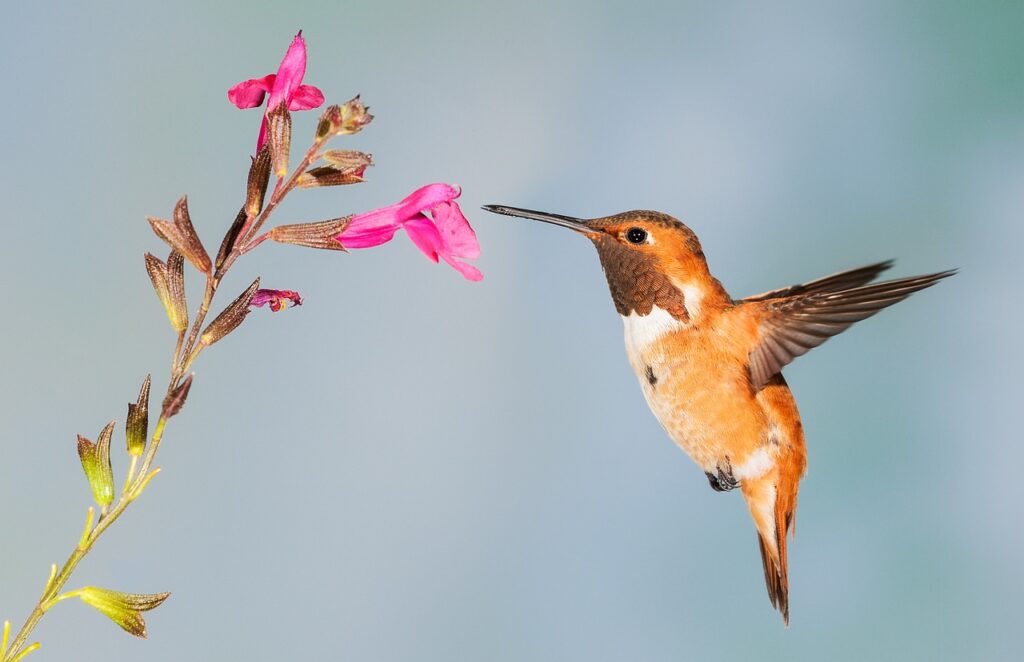
Hummingbird drink from a pink flower

The Hummingbird- A Divine Creation

The journey of a hummingbird is fascinating. From the beginning of its life, this tiny, beautiful creature is almost continuously moving, looking for its next flower to feed from. Tasked to feed its torpedo-like body every 15-20 minutes to survive, hummingbirds are born to overcome the impossible. I can relate. From an early age, life has kept me on my toes, always in motion from one adventure to the next.

We are all connected.

I believe that everything in the universe is connected, from the stars in the heavens to the salt in the oceans and everything in between. That being said, the plant and animal kingdoms share some of the same building blocks when it comes down to a basic level of evolution. We share the same minerals and compounds that can be found throughout our universe. And depending on how far down the rabbit hole you’ve gone in your spiritual journey, that means we are energetically connected to the botanical world as well. As far back as there have been records kept, people have been using a large variety of botanical matter to aid the body through the natural healing process. Herbalism is the practice of using things such as flowers, herbs, and some plants to promote optimal health and well-being. My goal is to share my knowledge and meet others who are on this journey with me.

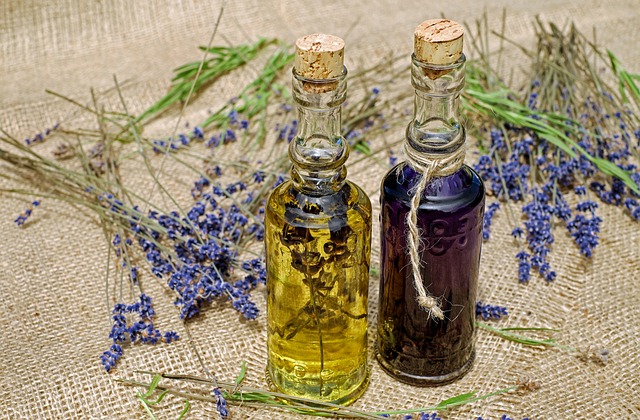
two small bottles of oils with lavender blooms placed around them.

From an early age, I’ve had an understanding that our mind, body, and the thing that many cultures and religions refer to as our soul, have an innate connection, and how we treat and support ourselves in these multi-faceted aspects of life affects more than just our physical and mental health. It’s all connected, and when you are balanced in one area, it will balance out other areas at the same time. Though there are so many ways to foster a balanced and healthy environment, things like mindfulness, journaling, meditation, exercise, and healthy lifestyle choices can help assist the body in healing.

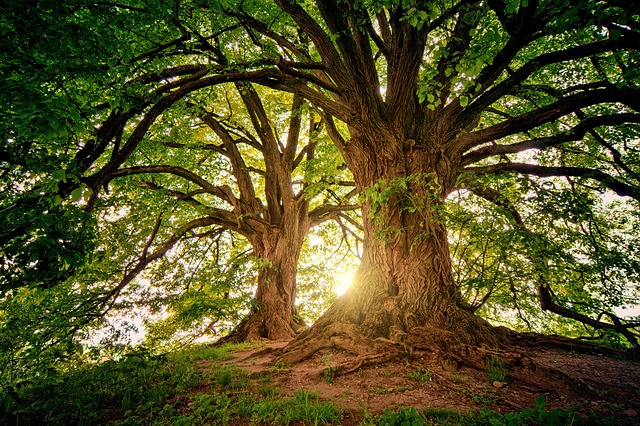
large green tree with long, lush branches fanning up and outward.

Divine Timing

Life always has a way of putting us where we need to be.

My professional background has been in healthcare for the past 20 years, and I have seen a large disconnect between most patients whom I come into contact with and the understanding of their health journey. I’ve always tried to answer their question while I’m working with them, but with medicine in the United States, you need to be a provider or nurse to assist patients with medical advice. Although my area of study requires me to have credentials, they are more limited in my scope of practice.

Join me as we explore the world of herbal remedies, ancient wisdom, and mindful practices that empower us to live our best lives. Whether you’re looking for herbal recipes to add to your daily routine, seeking new ways to take control of your overall wellness, or simply yearning to deepen your connection with the natural world, you’re in the right place. I hope this is a space of inspiration and a favorite resource to find practical tips and tricks (and maybe a little magic and whimsy every now and thenπŸ§šβ€β™€οΈπŸ˜‰) to create the life you want to have.

Talk to y’all again soon.

Filed in: About me β€’ by Hummingbirds & Lavender β€’

Exploring Holistic Therapies

March 27, 2024

Holistic therapy, also known as holistic health or holistic healing, is an approach to healthcare that considers the whole person β€” body, mind, spirit, and emotions β€” in the quest for optimal health and wellness. It emphasizes the interconnectedness of these aspects and seeks to address imbalances or issues by treating the person as a whole, rather than focusing solely on symptoms or specific ailments. By targeting root causes such as trauma, unhealthy lifestyle habits, or environmental factors, these therapies facilitate long-lasting improvements in mental well-being.

Understanding Holistic Therapies

What are Holistic Therapies?

Holistic therapy often involves a combination of conventional and complementary therapies, with an emphasis on promoting self-awareness, self-care, and empowerment.

With an aim to empower individuals to take an active role in their own healing journey, practices like mindfulness, yoga, or art therapy, are utilized for individuals to develop greater self-awareness, emotional resilience, and coping skills, enabling them to better manage stress and maintain emotional balance.

The goal is to support the individual in achieving balance, harmony, and overall well-being across all aspects of their life. This approach also recognizes that each individual is unique and may require innovative practices to achieve emotional balance. This allows therapist to tailor treatments to the specific needs and preferences of each person, promoting a more personalized and effective healing process.

Benefits of Holistic Therapies for Increased Health

Holistic therapies offer a multifaceted approach to promoting emotional balance, stress reduction, and overall mental well-being, addressing the complex interplay of physical, emotional, and spiritual factors that contribute to mental health. This comprehensive approach allows for a deeper understanding and more effective management of emotional imbalances and stressors.

Stress Reduction and Relaxation

Many holistic therapies, such as meditation, acupuncture, and aromatherapy, are renowned for their stress-reducing and relaxation-inducing effects. These practices help calm the nervous system, lower cortisol levels, and promote feelings of calmness and tranquility, which are essential for overall mental well-being.

Promotion of Mind-Body Connection

Holistic therapies encourage the integration of mind, body, and spirit, fostering a deeper connection between these aspects of the self. This integration enhances self-awareness, emotional regulation, and overall mental clarity, leading to greater emotional balance and well-being.

Supportive Community and Relationships

Engaging in holistic therapies often involves connecting with supportive communities or therapeutic relationships, which can provide invaluable emotional support, validation, and encouragement. These social connections contribute to a sense of belonging, resilience, and overall mental wellness.

Natural and Non-Invasive Approaches

Many holistic therapies rely on natural and non-invasive interventions, making them suitable for individuals seeking alternatives to conventional treatments or those looking to complement existing mental health interventions. These approaches often have fewer side effects and can be used in conjunction with other therapies for enhanced benefits.

Types of Holistic Therapies

Mind-Body Practices

Mind-body techniques such as yoga, tai chi, and qigong focus on emphasizing the role of movement, breath, and mindfulness in promoting overall well-being. Through gentle movements, deliberate breathing exercises, and mindful awareness, practitioners cultivate a deep sense of presence, inner peace, and self-awareness, leading to reduced stress, improved emotional regulation, and enhanced mental clarity.

Energy Healing Modalities

Energy-based therapies such as Reiki, acupuncture, and Healing Touch operate on the principle that disruptions in the body’s energy flow can lead to physical, mental, and emotional imbalances. These therapies employ various techniques, such as the gentle laying on of hands (Reiki), the insertion of fine needles into specific points on the body (acupuncture), or the manipulation of energy fields surrounding the body (Healing Touch), to restore harmony and balance to the body’s energy systems. By addressing energetic blockages and restoring the smooth flow of vital energy, these therapies aim to support mental and emotional healing, promoting feelings of relaxation, peace, and well-being. Through their holistic approach to energy balancing, these therapies offer individuals a non-invasive and complementary means of enhancing their overall mental and emotional wellness.

Herbal Medicine and Aromatherapy

The use of herbs and essential oils in promoting mental wellness has a long history rooted in traditional healing practices and aromatherapy. Certain herbs like chamomile, lavender, and passionflower are renowned for their calming effects on the nervous system, reducing anxiety and promoting relaxation. Similarly, essential oils such as lavender, bergamot, and frankincense are known for their mood-enhancing and stress-relieving properties, which can help alleviate symptoms of depression and promote emotional balance. Incorporating these natural remedies into daily routines through aromatherapy, herbal teas, or topical applications offers individuals a gentle and holistic approach to supporting their mental well-being, fostering a sense of calm, clarity, and inner peace.

Art and Expressive Therapies

Art therapy, music therapy, and dance/movement therapy offer powerful avenues for emotional expression and psychological healing. Through creative expression, individuals can explore and communicate their thoughts, feelings, and experiences in nonverbal ways, facilitating catharsis and insight. Engaging in activities such as painting, drawing, playing musical instruments, or moving rhythmically to music allows individuals to access and process emotions, reduce stress, and increase self-awareness.

Sound Healing

Sound healing is a holistic therapy that utilizes sound frequencies to promote healing, relaxation, and overall well-being. It is based on the principle that sound vibrations can impact the body, mind, and spirit, bringing them into harmony and balance. Sound healing practices often involve the use of various instruments such as singing bowls, tuning forks, drums, gongs, or vocal toning to produce specific frequencies and rhythms believed to have therapeutic effects. During a sound healing session, participants may experience deep relaxation, reduced stress, improved mood, and enhanced energy flow.

Incorporating Holistic Therapies into Daily Life

Integrating holistic therapies into daily routines can significantly contribute to overall well-being. Start by gradually incorporating one or two practices that resonate with you, such as mindfulness meditation or yoga, into your daily schedule. Consistency is key, so establish dedicated time slots for these activities each day. Make sure to choose therapies that you genuinely enjoy to make the experience more enjoyable and sustainable. You can also multitask by combining holistic practices with other daily activities, such as practicing deep breathing exercises while commuting or listening to calming music while working. Stay mindful and present during your practice, setting positive intentions to enhance its effectiveness. Remember to stay flexible and adapt your routine as needed, seeking support and resources from qualified practitioners or communities to deepen your understanding and practice. By following these practical tips, you can seamlessly integrate holistic therapies into your daily life, promoting greater balance, resilience, and overall well-being.

Creating a personalized self-care plan incorporating holistic approaches to mental wellness begins with assessing your needs and setting clear goals for your well-being. Choose holistic practices that resonate with you, such as mindfulness meditation, yoga, or aromatherapy, and integrate them into your daily routine. Establish a consistent schedule for self-care activities, ensuring they become a regular part of your day. Approach each practice with mindfulness, focusing on the present moment and adapting as needed to suit your needs. Remember to be kind to yourself and seek support from trusted individuals if necessary. Regularly evaluate your progress and celebrate your achievements as you prioritize your mental wellness and resilience.

Finding Holistic Practitioners

Locating qualified holistic practitioners across various modalities can be achieved through several avenues, including referrals from healthcare professionals, online directories, or local holistic health centers. When evaluating practitioners, consider factors such as their credentials, training, experience, and reputation within the community. Additionally, inquire about their approach to treatment, communication style, and willingness to collaborate with other healthcare providers. It’s essential to trust your intuition and choose a practitioner whose approach resonates with your individual needs and preferences. Don’t hesitate to schedule initial consultations or ask questions to ensure a good fit before committing to ongoing treatment.

FAQs

Are holistic therapies evidence-based?

Many holistic therapies have been studied extensively and have demonstrated positive effects on mental, emotional, and physical health. While some therapies may have more robust scientific evidence supporting their effectiveness than others, many people find benefit from incorporating holistic practices into their wellness routines. It’s essential to consult reputable sources and qualified practitioners when exploring holistic therapies.

Are holistic therapies safe?

Generally, holistic therapies are considered safe when practiced responsibly and under the guidance of qualified practitioners. However, it’s essential to consult with healthcare professionals, particularly if you have underlying health conditions or are pregnant, before trying new therapies. Additionally, practicing self-awareness and listening to your body’s signals can help ensure a positive and safe experience with holistic therapies.

Who can benefit from holistic therapies?

Holistic therapies can benefit individuals of all ages and backgrounds, from those seeking relief from stress and anxiety to those managing chronic health conditions or seeking to enhance their overall well-being. These therapies can be tailored to meet the unique needs and preferences of each individual, making them accessible to a wide range of people.

In conclusion, holistic therapies offer a multifaceted approach to promoting mental wellness by addressing the interconnected aspects of mind, body, spirit, and emotions. From mindfulness meditation and yoga to acupuncture and aromatherapy, these diverse practices empower individuals to cultivate greater self-awareness, resilience, and inner peace.

By integrating holistic approaches into your daily life, you can tap into a wealth of resources for managing stress, enhancing emotional balance, and nurturing overall well-being.

I encourage everyone to explore the rich tapestry of holistic therapies available and to prioritize self-care as an essential component of their mental health journey. Let’s embark on this path of holistic well-being with curiosity, openness, and self-compassion, embracing the transformative power of holistic therapies to support our mental and emotional flourishing.

Until next time!

Filed in: Body, Holistic Health, Mind, Spirit β€’ by Hummingbirds & Lavender β€’

Preparing Your Medicinal Garden for Spring

February 26, 2024

As signs of Persephone’s yearly return from the underworld grow more frequent, such as longer days and warmer temperatures, spring offers the perfect opportunity to start or revive your dream garden. Having a garden, particularly a medicinal herb garden, is a great way to reconnect with the healing power of nature. Whether you’re a seasoned herbalist or a novice gardener, you know those first few signs of Mother Nature stirring from her annual slumber are marvelous to witness. And I am here for it, folks.

I have spent the winter planning the inventory and layout my garden, building raised beds, and starting seeds. Equal amounts of research and daydreaming has gone into this project, and I am so excited to actually begin to work outside. Ya know, get my hands dirty so to speak.

In this blog post, I’ll walk you through the main steps to getting your garden ready for spring, so you can begin to enjoy the healing benefits of medicinal plants.

Planning Your Medicinal Garden

Assessing your space:

The first step to building your dream garden is to determine the amounts of sunlight, soil quality, and space available for you garden.

Sunlight requirements for herbs

  1. Full Sun Herbs: Herbs like basil, rosemary, thyme, oregano, sage, and lavender typically prefer full sun exposure and will thrive with 6-8 hours of sunlight per day.
  2. Partially Shade-Tolerant Herbs: Some herbs can tolerate partial shade and may require around 4-6 hours of sunlight per day. Examples include mint, cilantro, parsley, and chives.
  3. Shade-Loving Herbs: A few herbs, such as lemon balm and parsley, can grow well in shaded areas and may require 3-4 hours of sunlight or dappled light to thrive.

Raised beds vs. in-ground planting

The next big decision to tackle is the age old question, raised beds or in ground planting. For small suburban landscapes, I recommend raised beds as they allow for a more deliberate and manicured aesthetic that many people who live in urban areas with things, such as HOA’s, might appreciate. Raised beds generally have warmer soil temps sooner in the year compared to conventional gardens so the growing seasons might be extended in some areas. Also, they tend to have better drainage and aeration, preventing root rot, caused from the soil to become too waterlogged.

In ground planting isn’t without its own set of perks. Natural soil integration, cost effectiveness, and greater planting flexibility are a few of the positive aspects of choosing to go this route. If you have the space and means for this type of garden, you will be able to reap the benefits of growing plants with different growing requirements without the constraints of raised beds.

Soil Preparation and Amendments

Soil testing is an important way to determine the health of you soil. It allows you to see the pH range and what nutrients need to be added back into the earth to maximize the growing conditions. A good place to start with soil testing is to get in contact with your local state extension office. They are one of the best resources a gardener or farmer can have. Additionally, you can improve the quality over time by adding organic matter, compost, and natural amendments back into the soil improve fertility, drainage, and structure. Pro tip: apply a layer of mulch to the top of your beds to conserve moisture, suppress weeds, and regulate soil temperature.

Selecting and Starting Herbs

Now comes the time to decide what you’re going to grow and how you’re going to grow it. Do you want to start from seed, plugs, cuttings, transplants? Each route has its own list of advantages and disadvantages that are worthy of a deeper individual dive, and I encourage you to research them all and find out which would be suitable for your situation. Many growers grow from seed because of the cost effectiveness as well as the connection it forms to the entire process. For those who are not ready to jump off that cliff, plugs and transplants from local nurseries offer quality options for those in need based off your hardiness zone.

Hardiness zone

The types of plants you will have the best luck growing based on your local temperatures and conditions, which is called your hardiness zone. Just type in you zip code and google will let you know what zone you belong to.

Planting and Care

Depending on the herbs and plants you choose to grow, you will need to be aware of the individual plants needs. Spacing, depth, and planting techniques will differ based on each plant. Determine the amount of water that will be needed to ensure adequate moisture without overwatering. Having access to a convenient water source will make maintaining abundant growth all season long a breeze.

Pro-tip: Continuously monitoring plants for signs of pests, disease, or deficiencies with ensure that you have a successful crop yield. By having a constant eye on your garden, you will be able to swiftly spot any problem areas and take appropriate actions to correct the situations.

Companion Planting and Pest Management

Companion planting is a gardening practice that involves strategically planting different types of plants together based on their mutually beneficial relationships. The goal of companion planting is to enhance plant growth, improve pest management, increase crop yield, and promote overall garden health through natural interactions between plant species. Companion planting relies on the concept of symbiosis, where plants provide benefits to one another through various mechanisms such as pest repellence, nutrient enhancement, shade provision, and pollination support. By selecting compatible plant combinations and avoiding detrimental pairings, gardeners can create a harmonious and thriving ecosystem in their gardens.

Harvesting and Preserving Herbs

Harvesting herbs at the right time and in the correct manner is essential to ensure optimal flavor, potency, and plant health. Here are some general guidelines for harvesting herbs:

Timing

  • Harvest herbs when they are at their peak flavor and aroma, typically in the morning after the dew has dried but before the sun is too hot.
  • For leafy herbs, such as basil and mint, harvest before the plant flowers, as this is when the essential oils responsible for flavor are most concentrated.
  • Woody herbs, such as rosemary and thyme, can be harvested throughout the growing season as needed, but avoid harvesting more than one-third of the plant at a time to ensure healthy growth.

Method

  • Use clean, sharp scissors or pruning shears to harvest herbs to avoid damaging the plant.
  • Cut herbs just above a set of healthy leaves or nodes to encourage new growth and branching.
  • For leafy herbs, such as parsley or cilantro, harvest the outer leaves first, allowing the inner leaves to continue growing.
  • For woody herbs, such as lavender or sage, cut stems just above a leaf node or pair of leaves, taking care not to remove too much foliage.

Quantity

  • Harvest herbs in moderation, taking only what you need for immediate use to allow the plant to continue growing and producing throughout the season.
  • Avoid overharvesting, as this can weaken the plant and reduce future yields.

Storage

  • Immediately after harvesting, gently rinse herbs under cold water to remove any dirt or debris. Shake off excess water and pat dry with a clean towel.
  • Depending on the herb, you can store it fresh in the refrigerator, dry it for later use, or preserve it by freezing or making herb-infused oils or vinegars.
  • To dry herbs, tie them in small bundles and hang them upside down in a warm, well-ventilated area out of direct sunlight until fully dry. Once dry, store in airtight containers away from heat and light.

Considerations

  • Be mindful of the plant’s growth habit and harvest accordingly. For example, perennial herbs like chives or thyme may be harvested regularly throughout the growing season, while annual herbs like basil may need to be harvested more selectively to prevent premature flowering and bolting.
  • Watch for signs of pests or diseases while harvesting and remove any affected plant material to prevent spread.

Embracing Herbal Wisdom and Connection

With all the practical information being discussed, it is important to remember the importance of cultivating a connection to you garden. Gardening should be an immersive experience that encourages mindfulness, gratitude, and reverence for the healing power of plants.

This is the perfect time to start experimenting with herbal remedies. With your bountiful harvest, you will be able to explore the world of herbal medicine and DIY remedies using herbs from their garden.

I hope this post showed you that by preparing your small medicinal garden for spring is not only a practical endeavor but also a deeply nourishing and empowering experience. By tending to your garden with care and intention, you can cultivate a sanctuary of wellness that nourishes your body, mind, and spirit throughout the seasons.

So roll up your sleeves, dig in the dirt, and let the magic of spring awaken your inner herbalist as you embark on this journey of growth, healing, and connection with nature.

Let me know what you’re growing in your garden this year!

Filed in: Garden, Joyful Living β€’ by Hummingbirds & Lavender β€’

  • « Previous Page
  • 1
  • …
  • 4
  • 5
  • 6
Hey, yall! I'm Ashley, creator of Hummingbirds & Lavender, and I just wanted to say welcome and thanks for stopping by. This is just a place for me to document my story of raising my family, being a botanical entrepreneur, and living the best life I can possibly create. Thanks for being a part of the journey with me.

Follow Along on social media

  • Instagram
  • Pinterest

Search The Blog

Categories

  • About me
  • Astrology
  • Body
  • botanical dye
  • Clean Beauty
  • Garden
  • Healthy Recipes
  • Holistic Health
  • Home Decor & DIY
  • Intro to Herb Series
  • Joyful Living
  • Mind
  • Spirit
  • Sustainable Fashion
  • Uncategorized

Popular Posts

Ancestral Herbalism

Healing Your Gut Naturally

Copyright © 2026 · Theme by Blog Pixie