Nature’s Immune Guardian and Herbal Icon
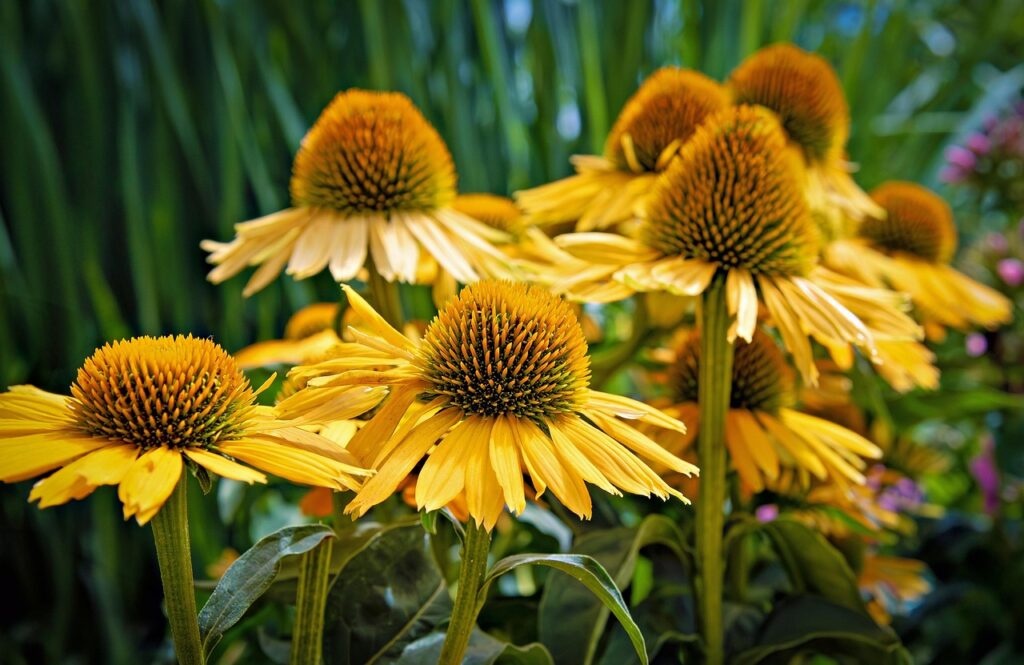
When sniffles season rolls around or we’re feeling a little run-down, many of us instinctively reach for the vibrant, spiky petals of Echinacea—nature’s very own immune system cheerleader. But this beautiful, daisy-like bloom is more than just a wellness buzzword. Echinacea has a rich, herbal history and a reputation for powerful medicinal properties that have been passed down through generations. Let’s dig into the roots (literally) and uncover the healing magic of this beloved herb.
🌿 A Glimpse Into Echinacea’s History
Echinacea (pronounced eh-kuh-NAY-sha) is native to North America and has been used for centuries by Indigenous tribes, particularly the Plains peoples such as the Lakota, Dakota, Omaha, and Cheyenne. They revered the plant for treating everything from sore throats and coughs to snake bites and infected wounds. Before modern antibiotics, Echinacea was a go-to remedy for infections and inflammation.
The name Echinacea comes from the Greek word ekhinos, meaning “hedgehog,” a nod to the flower’s spiny central cone. European settlers quickly adopted its use, and by the late 1800s, Echinacea had made its way into American folk medicine and the shelves of apothecaries everywhere.
Today, it remains a staple in natural wellness, often turned to for immune support, skin healing, and gentle detoxification.
🌸 Which Species Are Medicinal?
There are around nine species of Echinacea, but three are most commonly used for herbal medicine:
- Echinacea purpurea – The most widely cultivated and studied species. Great for immune support and often found in tinctures and teas.
- Echinacea angustifolia – Historically used by Indigenous healers and known for its potent root medicine.
- Echinacea pallida – Slightly less common, but still beneficial and used similarly to the others.
Each species has a slightly different profile of active compounds (like alkamides, polysaccharides, and caffeic acid derivatives), but all three offer immune-boosting and anti-inflammatory effects.
🌼 Plant Parts & Their Uses
One of the best things about Echinacea is that nearly the entire plant can be used medicinally. Here’s how each part shines:
🌱 Roots
The roots—especially from E. angustifolia and E. pallida—are considered the most potent part for deep immune stimulation. They’re commonly used in tinctures or decoctions (a strong simmered tea) and have a slightly tingling, numbing effect on the tongue.
Uses:
- Immune support during the early onset of colds or flu
- Antimicrobial support for infections
- Soothing for sore throats or toothaches
🌿 Leaves & Stems
While not as strong as the roots, the aerial parts of the plant (particularly in E. purpurea) contain beneficial polysaccharides and are helpful for more general immune maintenance.
Uses:
- Herbal teas or infusions
- Topical poultices for cuts, bug bites, and inflammation
🌸 Flowers
The vibrant purple petals and cone can be used fresh or dried, and while milder, they still carry immune and anti-inflammatory benefits. Plus—they’re gorgeous in a jar of infused honey or as part of a tea blend.
Uses:
- Infused oils or salves for skin soothing
- Decorative and healing in teas or elixirs
- Herbal facial steams for gentle detoxification
🍵 How to Use Echinacea at Home
Ready to invite Echinacea into your herbal wellness toolkit? Here are a few simple and safe ways to do just that:
- Tincture – Great for acute immune support; take at first signs of illness.
- Tea – Steep dried leaves and flowers for a mild immune tonic.
- Decoction – Simmer chopped roots for a more intense immune-boosting brew.
- Infused Oil or Salve – Use topically for skin irritations, rashes, or wounds.
- Echinacea Honey – Combine dried petals and cone in raw honey; perfect for sore throats and a cozy cup of tea.
🌙 A Few Notes Before You Brew
Echinacea works best when taken at the first sign of illness rather than long-term. It’s not meant to be a daily supplement year-round but rather a supportive boost when your system needs a little extra love. Most folks tolerate it well, but those with autoimmune conditions should check in with a qualified practitioner before diving in.
In the garden or your wellness cabinet, Echinacea is a gentle reminder that the Earth gives us what we need—bold, bright, and ready to heal. Whether you’re sipping it as tea, pressing tincture drops under your tongue, or infusing it into herbal oils, this North American native offers centuries of wisdom and modern-day magic in every petal and root.
Ready to bring a little herbal magic into your everyday wellness? Start by growing a pot of Echinacea on your balcony, blending your own immune-boosting tea, or experimenting with a homemade tincture. If you’re already a fan of this powerful plant, share your favorite way to use Echinacea in the comments—we love swapping remedies and rituals around here. And don’t forget to subscribe to the Hummingbirds & Lavender Instagram for more earthy tips, DIYs, and seasonal herbal spotlights straight to your inbox. Your journey into plant-powered living starts with one beautiful bloom. 🌿💜