Discover the Medicinal Magic of Thyme for Wellness, Inside and Out
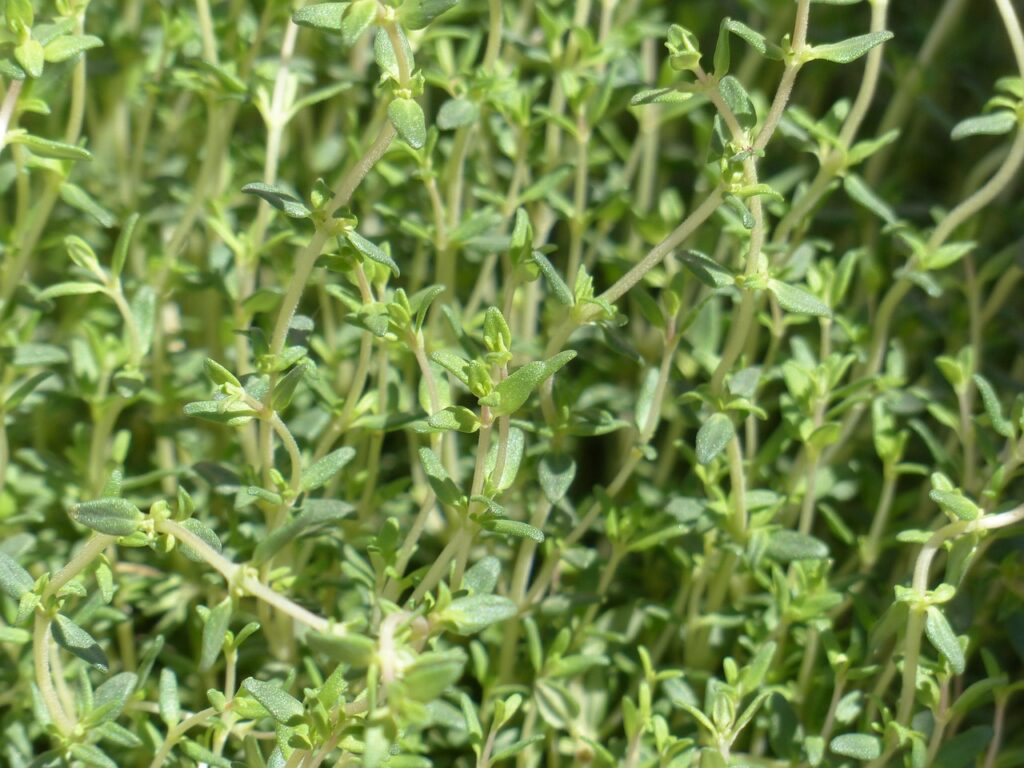
If herbs had personalities, thyme would be the friend who’s quietly brilliant—low-maintenance, always helpful, and surprisingly good in just about every situation. Whether you’re making soup, nursing a cold, or sprucing up your windowsill garden, thyme has a way of showing up exactly when you need it.
This month in our Intro to Herbs series, we’re giving this unassuming powerhouse its moment in the sun. Let’s talk about why thyme deserves a spot in your garden, your kitchen, and your holistic wellness cabinet.
🌿 A Little History + Herbal Snapshot
Thyme (Thymus vulgaris) is native to the Mediterranean and has been used for thousands of years—by Egyptians for embalming, Greeks in baths and temples, and medieval Europeans who tucked it under pillows to ward off nightmares. Today, we use thyme mostly for its strong antimicrobial, antifungal, and anti-inflammatory properties… and also because it tastes amazing.
Fun fact to tuck away: In ancient times, thyme was associated with courage. Roman soldiers bathed in it before battle!
🍲 Culinary Magic
Let’s be honest: thyme just makes food taste better. Its earthy, slightly minty flavor adds depth to soups, stews, roasted veggies, meats, and even baked goods.
Quick ideas:
- Toss fresh thyme into olive oil and drizzle over roasted potatoes.
- Steep it in broth to add flavor and immunity-boosting benefits.
- Sprinkle dried thyme onto homemade focaccia (chef’s kiss).
🌿 Tip: Thyme is one of the few herbs that actually holds up well when dried, so don’t be afraid to preserve your summer harvest for year-round use.
🌼 Medicinal & Holistic Benefits
Thyme is more than just a culinary MVP—it’s also an herbal medicine cabinet all on its own.
1. Immune Booster
Thyme is packed with thymol, a compound that fights bacteria and viruses. It’s perfect during cold and flu season—or anytime your immune system needs a little love.
How to use it: Make a simple thyme tea by steeping 1 tsp of dried thyme in hot water for 10 minutes. Add honey and lemon if you’re feeling under the weather.
2. Respiratory Support
Thyme is a natural expectorant, which means it helps break up mucus and ease coughs.
Try this: Make a steam inhalation with thyme and eucalyptus for congestion. Add fresh or dried thyme to a bowl of hot water, cover your head with a towel, and breathe deeply.
3. Digestive Aid
Too much cheese plate? Thyme can help! It soothes indigestion, gas, and cramping.
Sip it: Thyme tea after meals can ease bloating and get things moving gently.
🌿 Simple DIYs with Thyme
✨ Thyme-Infused Honey
Perfect for sore throats or drizzling on toast.
How to make it: Fill a small jar with fresh thyme (washed and dried), cover with raw honey, and let it infuse for a week. Strain if you like, or keep the thyme in for a rustic touch.
✨ Herbal Bath for Muscle Relief
Tired body? Add a handful of fresh thyme and Epsom salts to your bath. The herb’s anti-inflammatory properties help relax sore muscles and calm your nervous system.
✨ Garden Fresh Cleaning Spray
Thanks to its antibacterial properties, thyme is a natural choice for DIY cleaners.
Simple recipe: Steep a bunch of fresh thyme in white vinegar for two weeks. Strain and pour into a spray bottle. Add a few drops of lemon essential oil for that clean, zesty vibe.
🌱 Growing Thyme at Home
Thyme loves the sun, doesn’t ask for much, and thrives in both pots and garden beds. It’s drought-tolerant, deer-resistant, and bee-friendly. Plus, it smells divine when you brush against it.
Plant care:
- Loves full sun and well-draining soil.
- Trim it often to encourage bushy growth.
- Harvest just before it blooms for the most flavor.
🌿 Gardening fun fact: Thyme attracts pollinators like bees and butterflies, making it a beautiful and functional addition to your herb garden.
Final Thoughts
Thyme is a quiet overachiever. It’s a healer, a flavor-enhancer, and a symbol of resilience all in one tiny stem. Whether you’re sipping it in tea, cooking with it, or simply brushing your hands over a plant in the garden, thyme reminds us to pause, breathe, and enjoy the small, grounding things in life.
Which way are you most excited to use thyme this season? Let’s chat in the comments—your tea mug or herb scissors are waiting. 🌿
Until next time,