The True Cost of Fast Fashion: Why It Matters and How We Can Help Shift the Industry
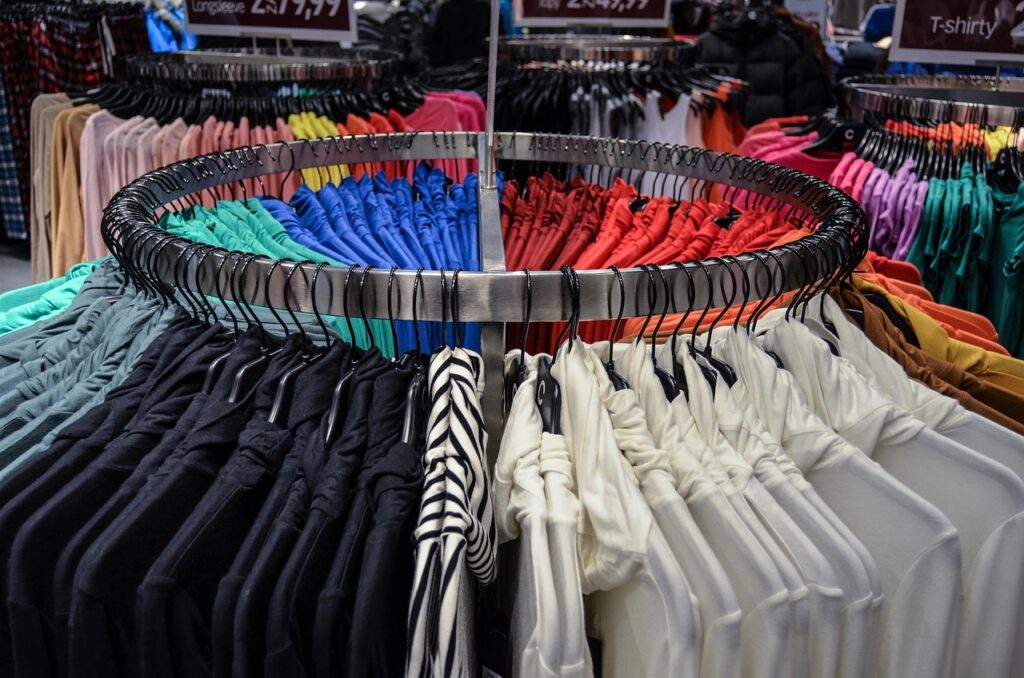
If you’ve ever scooped up a cute $10 top and thought, How can this be so cheap?, you’re not alone. The appeal of fast fashion—trendy styles at lightning speed for rock-bottom prices—is hard to resist. But behind the colorful racks and overflowing shopping carts lies a much less attractive truth: fast fashion is taking a heavy toll on our planet, our communities, and even our sense of self-worth.
Let’s take a slow moment to explore what’s really going on—and how, together, we can help turn the tide toward a more sustainable, soul-aligned fashion industry.
What Is Fast Fashion, Anyway?
Fast fashion refers to the rapid production of low-cost clothing in response to ever-changing trends. It thrives on speed and volume—designs move from the runway to the store in a matter of weeks, encouraging shoppers to constantly refresh their wardrobes with new, inexpensive pieces.
But the price tag doesn’t reflect the true cost.
The Environmental Impact
The fashion industry is one of the most polluting industries in the world, second only to oil. Fast fashion is a big contributor, and here’s why:
- Waste Overload: The average person buys 60% more clothing than they did 15 years ago—and keeps it for half as long. Most of it ends up in landfills, with the U.S. alone tossing out over 11 million tons of textile waste annually.
- Water Use & Pollution: It can take over 2,000 gallons of water to produce a single pair of jeans. Dyeing and finishing fabrics also releases toxic chemicals into freshwater systems, harming aquatic life and nearby communities.
- Microplastics: Many fast fashion pieces are made with synthetic fibers like polyester. When washed, these shed tiny microplastics that end up in oceans, harming marine life and entering the food chain.
- Carbon Emissions: Fast fashion is responsible for about 10% of global carbon emissions, thanks to the energy used for production, global shipping, and the frequent replacement of cheaply made items.
The Human Cost
In addition to environmental damage, fast fashion often relies on exploitative labor practices. Garment workers—many of whom are women—are frequently underpaid, overworked, and exposed to unsafe conditions. The 2013 Rana Plaza factory collapse in Bangladesh, which killed over 1,100 workers, was a devastating wake-up call.
So, What Can We Do?
This can feel heavy—but here’s the hopeful part: change starts with awareness and small, intentional choices. We have more power than we realize.
1. Buy Less, Choose Well
Invest in fewer, higher-quality pieces made to last. Look for timeless styles in natural fibers like linen, cotton, wool, or hemp. When you buy something you truly love, you’re more likely to care for it and wear it again and again.
2. Support Slow + Sustainable Brands
Seek out brands that prioritize ethical sourcing, transparent labor practices, and eco-conscious materials. Many small, indie labels are leading the way in regenerative fashion—and your support helps them thrive.
3. Thrift, Swap & Upcycle
Secondhand doesn’t mean second-best. Shopping vintage or thrift is one of the most sustainable ways to enjoy fashion. Hosting clothing swaps with friends or upcycling worn items into something new can also be surprisingly joyful.
4. Care for What You Wear
Extend the life of your clothes by washing them gently, air-drying, and repairing when needed. Even simple acts like sewing on a button or patching a hole contribute to a less wasteful lifestyle.
5. Advocate for Change
Raise your voice. Follow and support fashion activists. Share what you learn. Pressure brands to do better by asking questions like “Who made my clothes?” Every conversation plants a seed.
A Final Thoughts
At Hummingbirds & Lavender, we believe in slowing down and reconnecting with what truly matters. Our clothing—just like our food, our homes, and our daily rituals—should support the well-being of both people and the planet.
So next time you feel the tug of a trendy impulse buy, pause. Breathe. Ask yourself: Do I really need this? Who made it? What story does it carry?
Because the clothes we wear are more than fabric. They’re part of our personal ecosystem—and we get to choose what kind of world we wrap ourselves in.